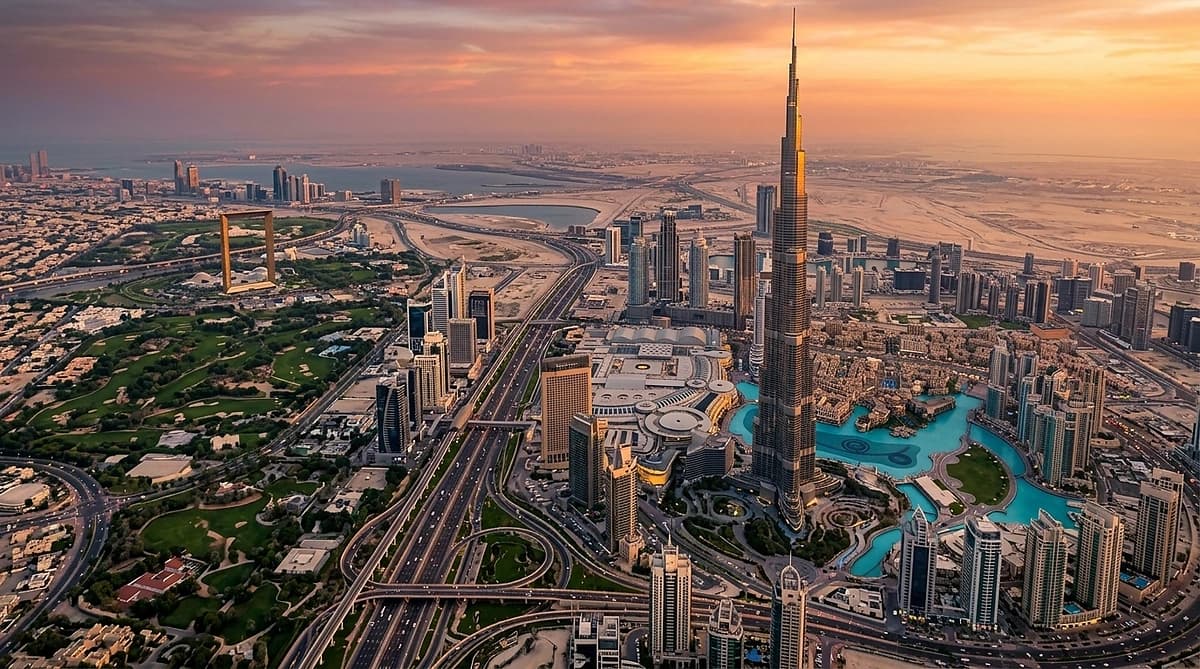
UAE federal budget 2027-2029: AED 292.5bn impact on Dubai property
The UAE federal budget 2027-2029 was approved at AED 292.5 billion during a cabinet meeting on October 12 by HH Sheikh Mohammed bin Rashid Al Maktoum.
The approved federal budget of AED 292.5 billion for 2027 to 2029 prioritises education, health, housing, social services and the quality of life and stability of citizens. That list of priorities signals where central government spending will support domestic demand and public infrastructure over the next three years, which matters for real estate demand and developer planning in Dubai.
For Dubai property markets the budget provides a predictable spending envelope rather than a single stimulus figure. The AED 292.5bn plan increases fiscal visibility for local authorities and developers, and it should encourage investment in housing-related programmes and social services that translate into steady demand for family housing and mid-market rental stock.
What does the UAE federal budget AED 292.5 billion cover?
What does the UAE federal budget AED 292.5 billion cover? Key Data
Budget
AED 292.5 billion
Period
2027-2029
Announcement
October 12
Priorities
Education; Health; Housing; Social services
The UAE federal budget of AED 292.5 billion for 2027 2029 covers education, health, housing, social services and measures to preserve citizens' quality of life and stability. These priorities were named by HH Sheikh Mohammed bin Rashid Al Maktoum at the cabinet meeting on October 12, when the budget was approved.
The budget explicitly lists five priority areas: education, health, housing, social services and quality-of-life measures; the headline figure is AED 292.5 billion for the three-year period 2027 2029. That total is the single numeric anchor the federal government provided publicly, and it frames how ministries and federal agencies will plan allocations across these core services over the budget cycle.
The practical effect for property markets is directional rather than line-item specific: AED 292.5bn gives a clear fiscal ceiling and a signal that housing and social services will remain funded priorities. The main risk is the absence of a public sector line-by-line breakdown in the announcement, which leaves developers and investors to anticipate where the largest allocations will appear when ministry budgets are published later.
"A clear Dhs292.5bn envelope for 2027 2029 reduces fiscal uncertainty and lets property planners align projects to social and housing priorities."
, Binayah Research Team
Why does the UAE federal budget matter for Dubai property markets?
The UAE federal budget matters because its AED 292.5 billion commitment signals where public demand and service expansion may boost housing and rental needs in Dubai. When housing and social services are named federal priorities, it tends to support steady demand for family and mid-market accommodation in urban centres.
A AED 292.5bn three-year plan increases predictability for developers, banks and investors who price projects and credit lines over multi-year horizons. Predictable federal spending on education and health can boost areas near new schools and clinics, while housing-related programmes can raise demand for affordable and mid-range units. Even without an itemised spending table, the headline figure and named priorities permit municipal and private-sector planners to model demand scenarios tied to public-sector expansion.
The main nuance is timing: federal budgets set the envelope, but implementation depends on ministry allocations and execution at emirate level. For Dubai, the implication is that municipal and developer strategies should monitor subsequent ministry budget releases and programme announcements to translate the AED 292.5bn signal into specific project opportunities.
| Federal priority | Expected direct effect | Property sector likely impacted |
|---|---|---|
| Education | New or expanded schools and training centres | Family housing, mid-market rentals |
| Health | More clinics and hospitals, improved healthcare access | Residential demand near health hubs; serviced apartments |
| Housing | Programmes to support home access and social housing | Affordable housing, mid-market developers |
| Social services | Expanded social infrastructure and support services | Mixed-use neighbourhoods and community retail |
"The Dhs292.5bn figure does not tell us allocation splits, but it gives market participants a reliable fiscal envelope for three years."
, Binayah Research Team
How are developers and buyers likely to adapt to UAE public spending signals?
Developers and buyers will adapt by aligning product mixes and timing to the AED 292.5 billion federal budget’s stated priorities, focusing on housing types that match likely demand increases. Developers typically shift marketing and phasing toward family-sized units, mid-market price points and integrated community services when housing and social services are federal priorities.
For buyers and investors the AED 292.5bn budget acts as a demand signal: purchasers seeking stability may favour completed or near-completed stock near schools, clinics or social infrastructure that federal spending is likely to enhance. Developers may accelerate projects with community amenities, and lenders may reprice risk models to reflect stronger demand in sub-markets linked to education and health investments.
Risks for both groups include misreading the timeline and assuming immediate cash flows; federal budget approval sets the envelope for 2027 2029 but spending will roll out via ministry and emirate channels. Buyers should verify project economics against confirmed municipality approvals and developers should watch for ministry allocation details that turn the AED 292.5bn headline into specific commitments.
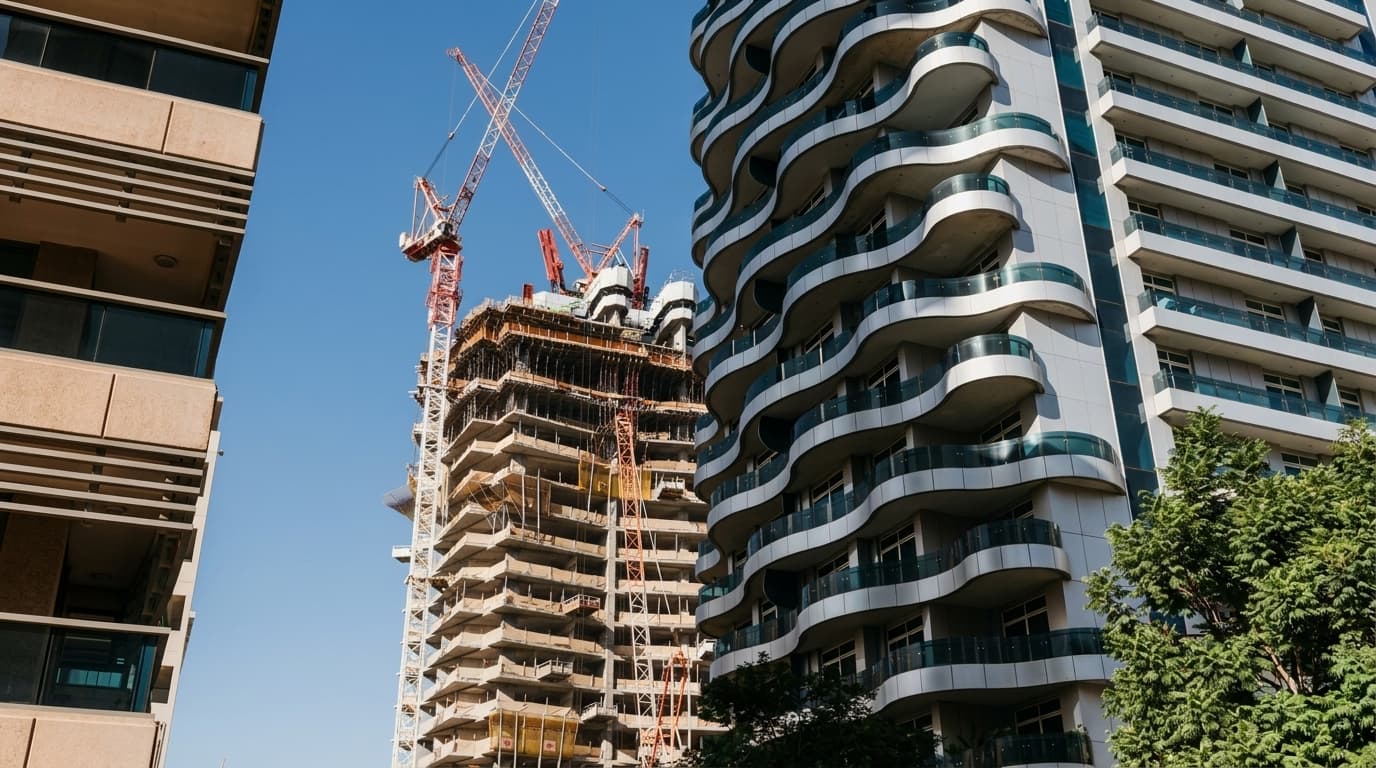
Key Insight
Investors should prioritise projects with clear approvals and proximity to education or health infrastructure; budget announcements set direction, not immediate cash flows.
- Shift toward family-sized and mid-market units
- Prioritise projects near planned schools or clinics
- Staggered phasing to match public infrastructure delivery
- Validate assumptions against ministry allocations
What are the short term risks of the UAE federal budget and what to watch next?
The short-term risks are timing uncertainty and lack of a detailed line-by-line allocation within the AED 292.5 billion announcement. The budget provides a clear three-year envelope, but ministries must publish their own allocations and implementation schedules before the market can assess exact effects.
Watch for ministry-level budget releases, emirate implementation plans, and specific housing or social-service programmes that convert the AED 292.5bn headline into projects and contracts. Those subsequent publications will reveal which sectors receive the largest shares and the pace of disbursement, which is critical for developers planning financing and buyers timing purchases.
Other risks include global macro shifts that could affect capital flows and construction costs, and the gap between federal budget approval and municipal execution. For property stakeholders the key near-term actions are monitoring ministry allocations tied to the 2027 2029 AED 292.5bn envelope and updating demand models when those details appear.
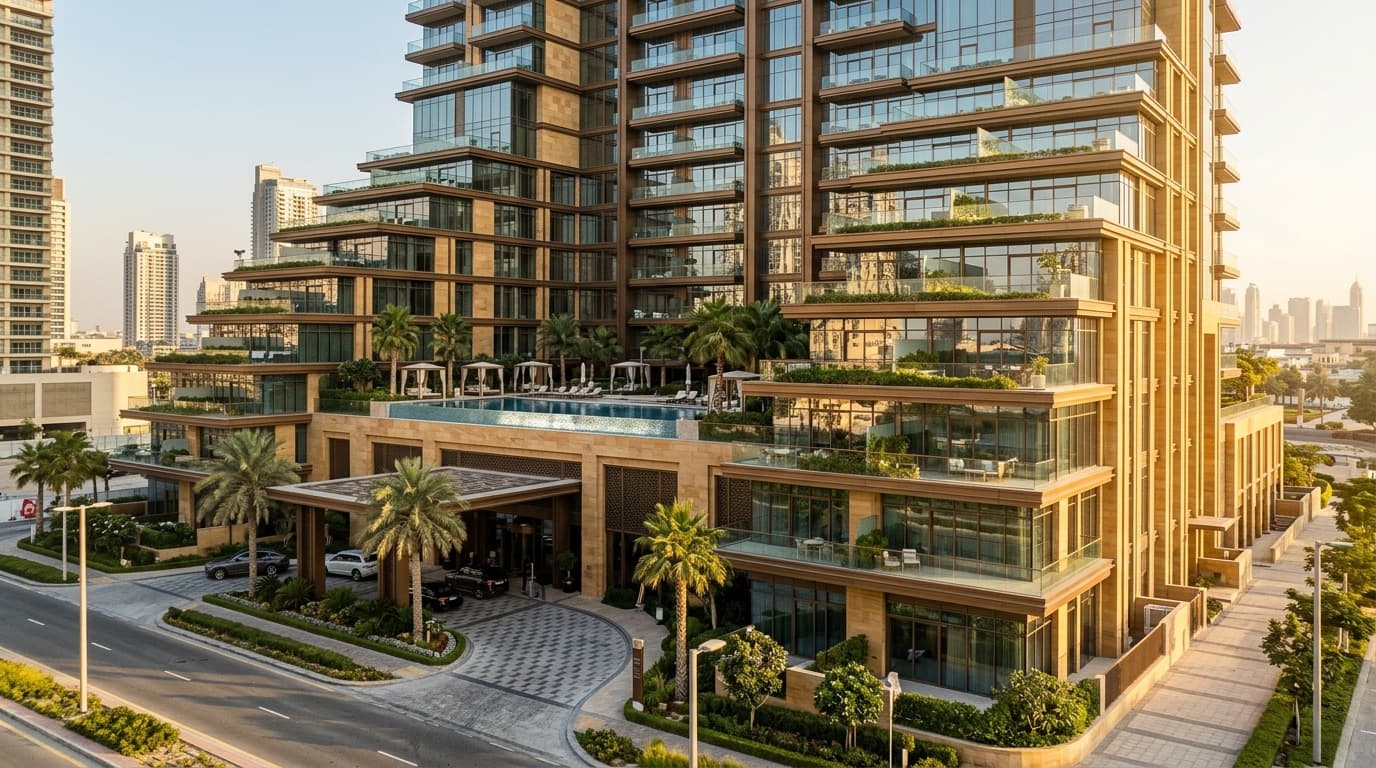
Key Insight
Short-term risk: the headline AED 292.5bn reduces uncertainty but does not replace the need for ministry and emirate-level allocation details track those closely.
The approved UAE federal budget of AED 292.5 billion for 2027 2029 sets a three-year fiscal envelope focused on education, health, housing and social services. That envelope gives Dubai property markets clearer demand signals, but the market must wait for ministry-level allocations and emirate implementation plans to see which neighbourhoods and housing segments receive the largest direct benefit.
Binayah Editorial
Analyste du marché immobilier
Notre équipe éditoriale étudie le marché immobilier de Dubai, en suivant les données du DLD, les lancements de promoteurs et les tendances d'investissement pour tenir les acheteurs et investisseurs informés.
Prêt à investir à Dubaï ?
Discutez avec nos analystes des meilleures opportunités sur le marché actuel, consultation gratuite.
Articles Articles
 Market Report 7 min read
Oct 14, 2026
Dubai tech property market: impact on prices and investors
 Market Report 8 min read
Oct 13, 2026
World Green Building Week: Emirates Green Building Council (EGBC) BuildItReady
 Market Report 9 min read
Oct 13, 2026