IPS 2026 Dubai market: selective demand reshapes real estate
IPS 2026 Dubai market shows a move from blanket buying to selective demand focused on sustainability, niche developments and long-term value.
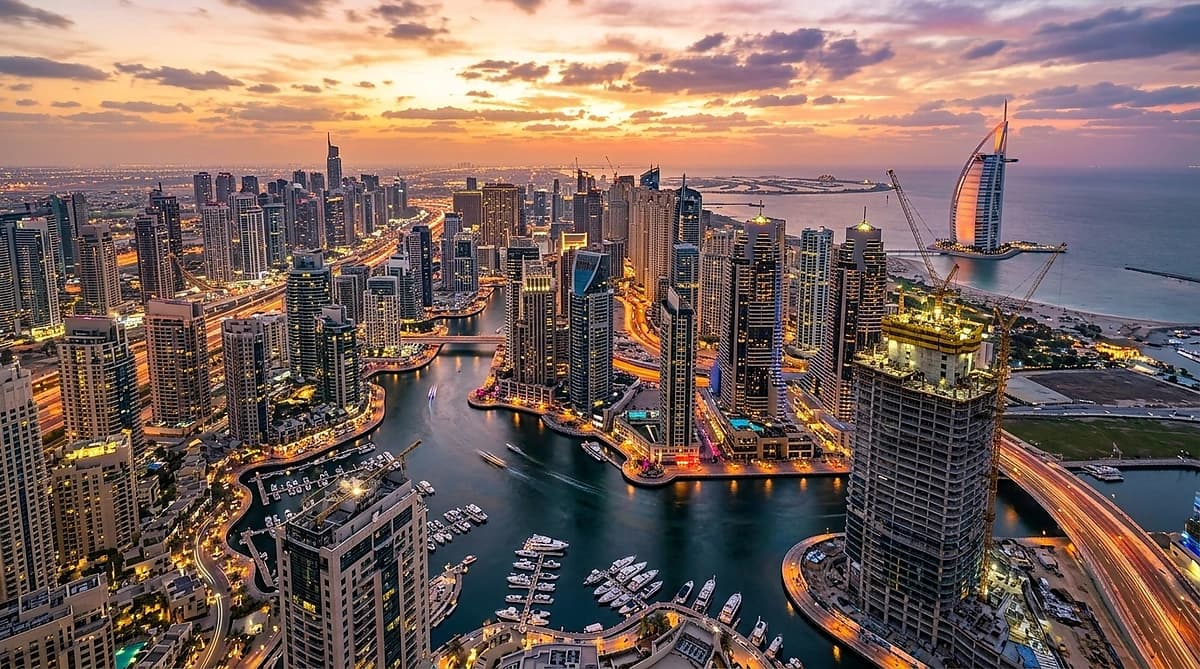
IPS 2026 highlighted a clear change in buyer behaviour across Dubai: buyers and investors are prioritising projects with sustainability credentials, specialist use cases or proven long-term value rather than purchasing broadly during a market peak. Developers presented fewer volume-led launches and more targeted schemes at the event, signalling an industry-wide recalibration from rapid sales to careful positioning.
The shift matters because it changes how projects are marketed, financed and priced. Developers are leaning into design quality, energy-efficient specifications and niche lifestyles that command premium resale profiles. For investors that means a stronger emphasis on project fundamentals, developer track record and long-term demand drivers rather than short-term price appreciation alone.
IPS 2026 market snapshot: has blanket buying ended in Dubai?
IPS 2026 market snapshot: has blanket buying ended in Dubai? Key Data
Demand shift
Selective
Developer focus
Sustainability
Investor focus
Long-term value
Event
IPS 2026
Yes. IPS 2026 presented a market snapshot where blanket buying has given way to selective demand, with buyers and end-users choosing projects for sustainability, location and use-case fit rather than buying indiscriminately.
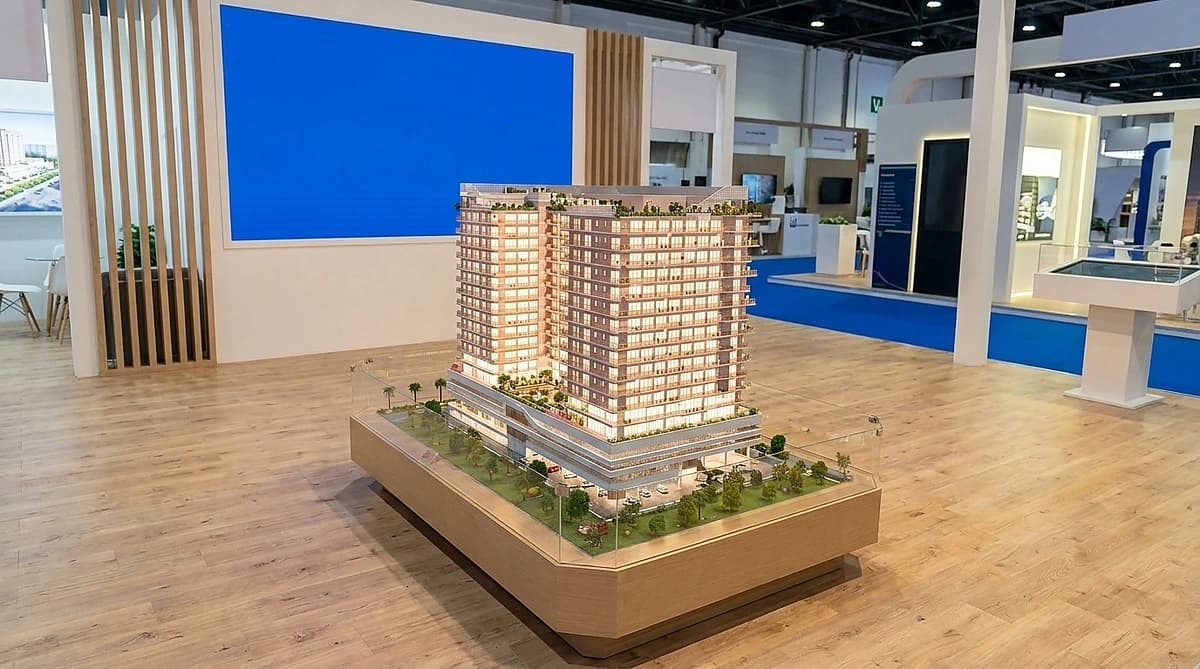
At IPS 2026 developers and buyers repeatedly emphasised quality over quantity, with showrooms and presentations focused on energy efficiency, long-term running costs and specialised product types such as family mid-rise communities, co-living clusters and wellness-led buildings. The Binayah Research Team observed a shift in messaging away from rapid pre-launch discounts and toward verified credentials and post-handover support, which changes the buyer funnel and the types of units that sell quickly.
The risk for sellers is slower absorption of generic stock and greater price sensitivity for projects lacking a clear niche. Projects that clearly demonstrate lower operating costs, strong amenity differentiation or a targeted tenant pool are positioned to outperform. IPS 2026 therefore marks a tactical pause for volume-led launches and a strategic move toward fewer, better-defined developments.

Why are developers changing strategy after IPS 2026?
Developers are changing strategy because IPS 2026 highlighted that buyers now reward sustainability, niche positioning and measurable long-term value rather than volume-driven pricing alone.
Multiple developer presentations at IPS 2026 showcased product differentiation as the response to cooling wholesale demand. Developers pivot to lower-density schemes, enhanced sustainability features and specialised unit mixes to protect margins and future resale values. The Binayah Research Team noted that marketing shifted from headline launch discounts toward lifecycle cost messaging, amenity specialization and evidence of long-term community planning. This is a risk-management move: by targeting specific buyer cohorts such as families, downsizers or ESG-aware investors, developers reduce reliance on speculative volume and increase the chance of steady post-handover demand.
That strategic change has implications for timing and cashflow: developers may stage deliveries more selectively and focus on presales from anchor buyers rather than broad retail campaigns. Projects that fail to demonstrate a clear niche or operational saving will face tougher competition for buyer attention going forward.
| Strategy | What it targets | Why it matters |
|---|---|---|
| Sustainability upgrades | ESG-aware buyers and lower running costs | Stronger resale appeal and tenant demand |
| Niche product types | Families, co-living, wellness markets | Reduced direct competition, pricing resilience |
"Developers are pivoting toward sustainable, niche projects to protect margins and appeal to long-term buyers."
, Binayah Research Team
What should investors consider now after IPS 2026 in Dubai?
Investors should prioritise project fundamentals, developer track record and niche demand drivers rather than chasing short-term price cycles after IPS 2026.
IPS 2026 showed that buyer preferences are increasingly fine-grained: lower running costs, credible sustainability certifications and tailored amenities matter. Investors should assess whether a development targets a defined tenant or resale market, and whether the developer demonstrates delivery and post-handover management capability. The Binayah Research Team recommends reviewing operational cost assumptions and community-level demand projects that align with a clear lifestyle or tenant profile are more likely to hold value than generic stock.
Risk management for investors now includes checking the developer’s delivery pipeline, the specificity of the product offering and evidence of sustained demand at handover. Where a project has credible sustainability features or a strong niche positioning, it can mitigate downside during slower cycles and appeal to higher-quality tenants.
Key Insight
For investors: focus on developer delivery history, verified sustainability claims and clear tenant demand. Look for projects with demonstrated operational savings and a defined end-user profile; these reduce downside risk when broad market demand is selective.
- Check developer delivery record and warranties
- Assess sustainability credentials and running costs
- Confirm a clear tenant or buyer cohort
How will IPS 2026 affect Dubai supply and pricing?
IPS 2026 is likely to slow the release of volume-driven supply and support price resilience for differentiated projects, while generic stock faces greater discount pressure.
Developer presentations at IPS 2026 emphasised staged releases and targeted launches rather than wide-scale supply pushes. That means the market could see fewer large-scale, undifferentiated projects entering at once, which helps limit sudden oversupply. At the same time, projects that do not meet the new buyer criteria sustainable operation, niche lifestyle, or strong location fundamentals may need to offer deeper incentives to sell, putting downward pressure on their prices relative to well-positioned developments.
The outcome is a bifurcated market: selective demand will sustain pricing for projects with credible differentiation, while undifferentiated supply may see slower sales and increased incentive use. Stakeholders should monitor developer launch plans and product positioning closely as the market absorbs these strategic shifts highlighted at IPS 2026.
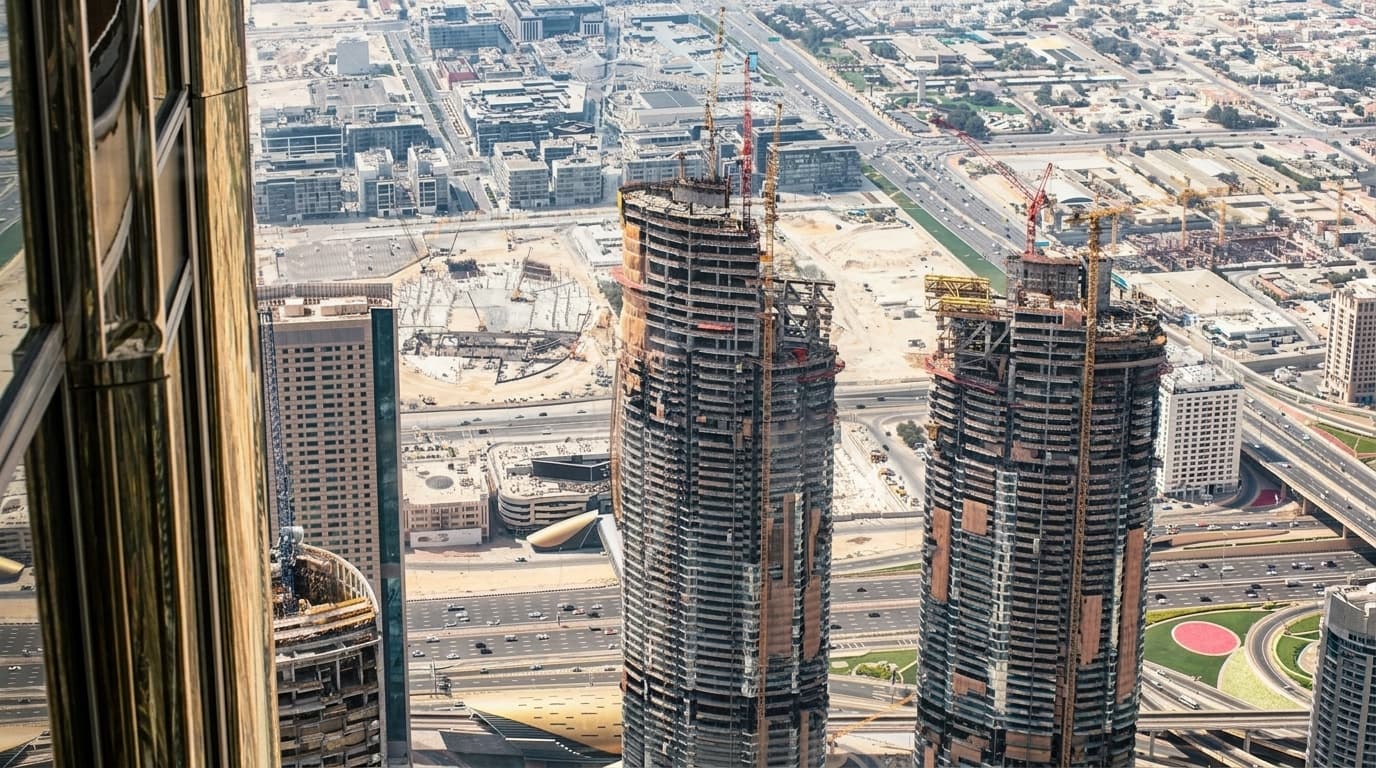
- Staged supply releases reduce sudden oversupply
- Differentiated projects likely to keep pricing power
- Generic stock may require stronger incentives
IPS 2026 marks a market inflection: selective demand is replacing blanket buying and developers are responding with sustainability and niche product strategies. The practical effect will be staged supply and clearer winners among differentiated projects, while generic stock faces tougher sales and more incentives as Dubai absorbs this strategic recalibration.
Binayah Editorial
Analyste du marché immobilier
Notre équipe éditoriale étudie le marché immobilier de Dubai, en suivant les données du DLD, les lancements de promoteurs et les tendances d'investissement pour tenir les acheteurs et investisseurs informés.
Prêt à investir à Dubaï ?
Discutez avec nos analystes des meilleures opportunités sur le marché actuel, consultation gratuite.