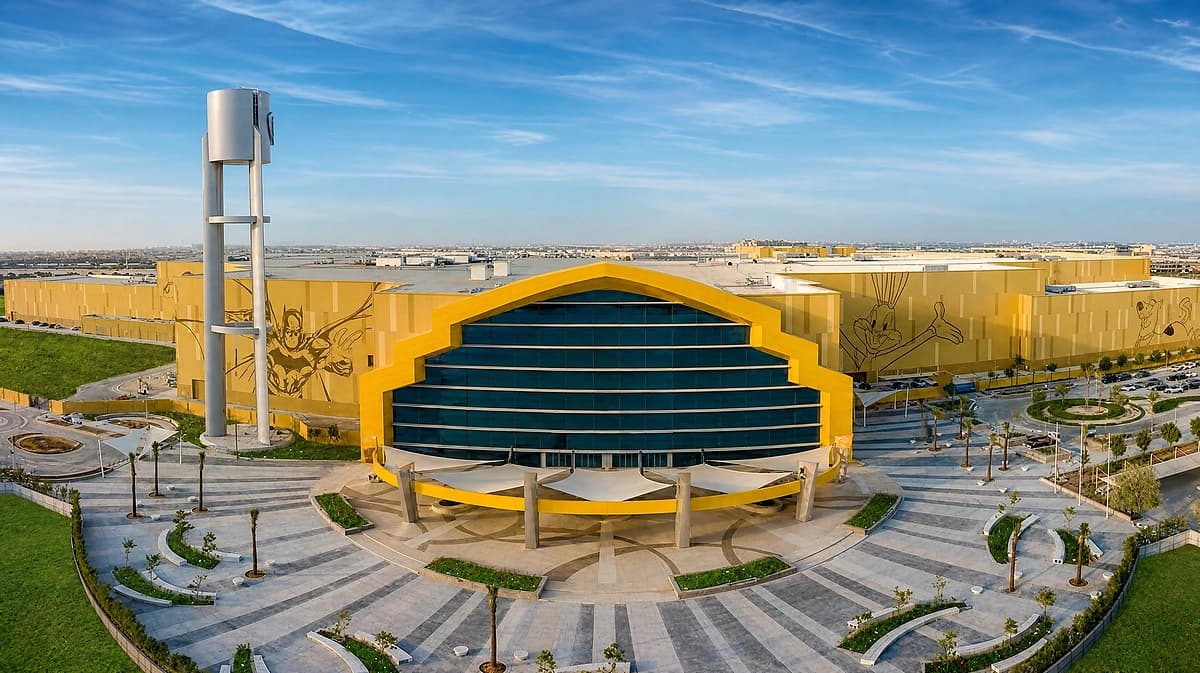
IHC acquisition expands Abu Dhabi space platform
IHC acquisition gives an Abu Dhabi investment company a platform covering satellite infrastructure, advanced manufacturing and space technologies in a single strategic business unit.
The purchase brings together capabilities across satellite infrastructure, advanced manufacturing and space technologies under one umbrella. That combination shortens timelines from design to deployment and centralises know‑how for both government and commercial space projects. The assembled platform supports activities from spacecraft production to systems integration and operational services, offering a clearer route to scale and domestic capability.
Because the transaction aligns private capital with national industrial aims, it also raises practical questions about integration, regulatory oversight and workforce scale‑up. Observers should watch how the buyer harmonises engineering teams, manufacturing facilities and satellite operations to realise the strategic benefits named in the deal.
Who is backing the Abu Dhabi acquisition?
Who is backing the Abu Dhabi acquisition? Key Data
Emirate
Abu Dhabi
Acquirer
IHC
Platform
Satellite infrastructure, advanced manufacturing, space technologies
Strategic focus
National space capability
Abu Dhabi is backing the acquisition through its investment channels with IHC named as the acquiring Abu Dhabi investment company that now controls a combined space platform. This places the emirate at the centre of a private sector consolidation in satellite and manufacturing capability.
The deal links emirate-level capital with operational assets across satellite infrastructure, advanced manufacturing and space technologies, which the acquisition explicitly folds into one platform. That structure is intended to create a single point of responsibility for hardware, production and systems services, reducing fragmentation between suppliers and operators. Centralising these capabilities supports national objectives to secure domestic supply chains and to grow a homegrown space ecosystem.
The main nuance is that public policy and private strategy must align for the platform to succeed. Regulatory approvals, local content expectations and export controls will shape how quickly the combined assets operate together. Integration risks include cultural differences across engineering teams and the need to re-prioritise projects so the platform delivers measurable outcomes for Abu Dhabi's industrial goals.

What is IHC and what does it invest in?
What is IHC and what does it invest in? Key Data
Entity
IHC
Role
Strategic investor
Sector
Space and advanced manufacturing
Objective
Platform consolidation
IHC is an Abu Dhabi investment company that, through the acquisition, gains a platform spanning satellite infrastructure, advanced manufacturing and space technologies. The firm acts as a strategic investor consolidating operational capabilities under a unified structure.
IHC’s role in the transaction is to provide capital, governance and portfolio-level coordination so that specialised units can scale together. By bringing manufacturing and satellite services into one platform, IHC aims to shorten supply chains and enable more efficient development cycles from prototype to flight-ready systems. The investor-led model typically focuses on aligning business incentives, standardising procurement and enabling cross-team reuse of facilities and engineering practices.
The practical implications for IHC include responsibility for industrial integration, workforce coordination and long-term asset stewardship. IHC will need to balance purely commercial returns with the strategic aims of expanding Abu Dhabi’s domestic space industry, while managing operational risks that come with integrating complex technical teams and manufacturing workflows.
"The acquisition creates a single platform that can scale both production and operations across the space value chain."
, Binayah Research Team
How does the UAE national context affect the transaction?
How does the UAE national context affect the transaction? Key Data
Context
UAE national space strategy
Benefit
Local capability development
Focus
Supply-chain resilience
Expectation
Regulatory compliance
The UAE’s national industrial and space ambitions provide the policy backdrop that makes this acquisition strategically important for Abu Dhabi. National strategies favour building domestic capability across spacecraft production, systems and operational services.
Within that context, the transaction is likely viewed as an accelerant for local capability development, aligning private assets with sovereign objectives. Centralising satellite infrastructure, advanced manufacturing and space software under one owner supports job creation, skills transfer and supply‑chain resilience. It also simplifies coordination with government programmes that require domestic production or localized support for space missions and data services.
However, national context also brings elevated scrutiny and expectations. State-aligned strategies commonly include local content thresholds, certification standards and export compliance, which the new platform will need to meet. Meeting these requirements can increase near-term costs but also strengthens the durability and regional competitiveness of the combined capabilities over the long term.

What is Marlan Space and why was it acquired?
What is Marlan Space and why was it acquired? Key Data
Acquired company
Marlan Space
Contribution
Satellite and technology capabilities
Purpose
Accelerate platform readiness
Integration risk
Talent and roadmap alignment
Marlan Space is the company being acquired to provide satellite and related technology capabilities that feed into the buyer’s broader platform. The acquisition integrates Marlan Space’s operational expertise and assets into a larger industrial footprint.
The rationale for acquiring Marlan Space is to secure ready-made capabilities rather than building them from scratch. Adding an operating business shortens the calendar to commercial launches and services, and brings skilled engineers, operational systems and product lines into the acquirer’s control. For a buyer focused on creating a unified platform, acquiring an existing space company offers immediate technical depth and customer relationships that support faster market entry.
Risks include the need to reconcile product roadmaps, harmonise systems and preserve institutional knowledge through the transition. Successful integration will depend on retaining critical talent, aligning engineering standards and ensuring that customer commitments continue uninterrupted while the business is integrated into the new platform.

What does satellite infrastructure include in this platform?
What does satellite infrastructure include in this platform? Key Data
Scope
Hardware, ground systems, operations
Benefit
End-to-end service offering
Feature
Assembly and testing facilities
Outcome
Reduced handover friction
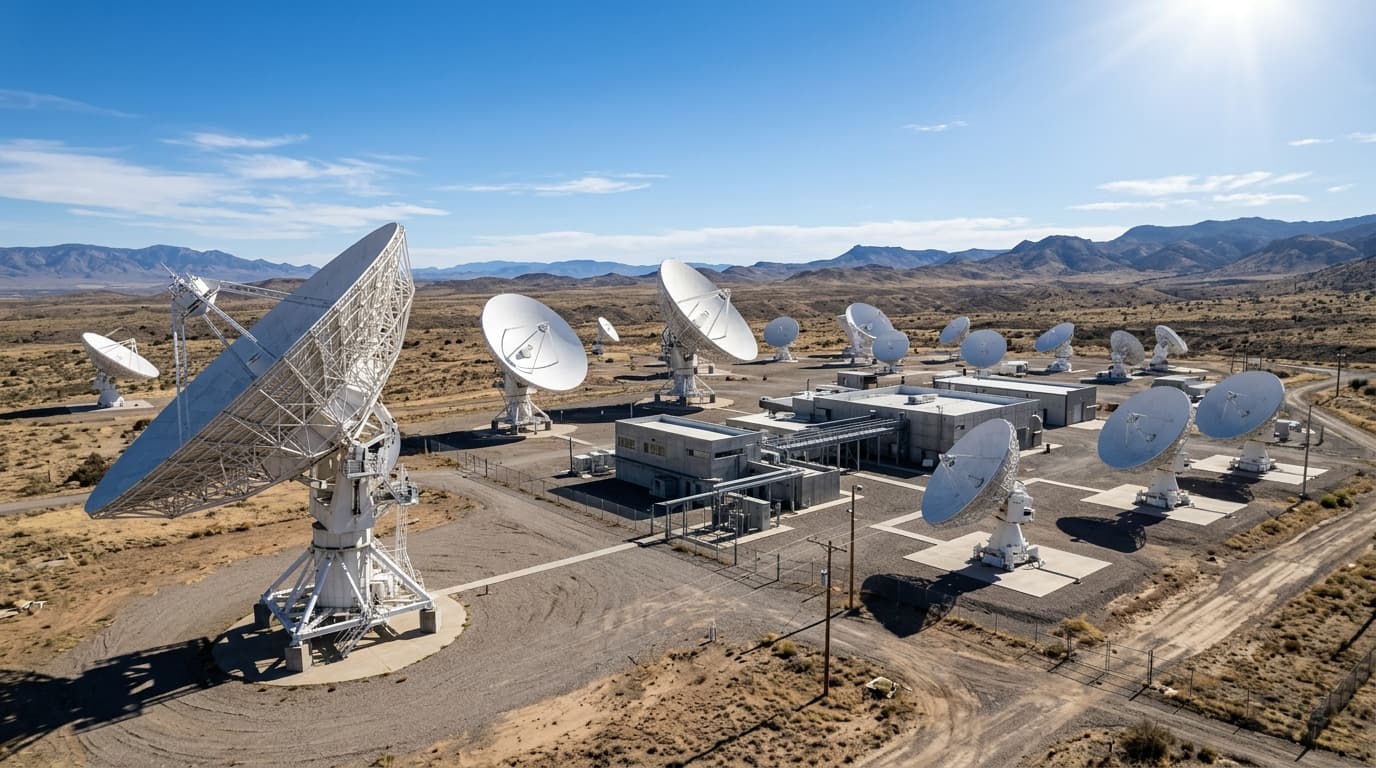
Satellite infrastructure in the platform covers the hardware, ground systems and operations necessary to build, launch and operate satellites. It brings together the physical assets and the operational know‑how required to run satellite services and handle mission data.
In practice, that infrastructure typically embraces spacecraft assembly, testing facilities, ground control stations and operational teams for mission planning and telemetry. For the combined platform, consolidating these elements reduces handover friction between manufacturing and operations and improves overall mission readiness. It also allows the owner to offer end-to-end services from spacecraft design through to data delivery, which can be attractive to government and commercial customers seeking single-vendor responsibility.
The challenge is ensuring that ground systems and operations scale with production volumes and with increasing complexity of satellite missions. Investment in facilities, software integration and certified processes will be necessary to support reliable operations, and the platform owner must plan for phased capacity increases to match anticipated demand.
| Capability | Role | Benefit |
|---|---|---|
| Spacecraft assembly | Manufacturing and integration | Faster prototype to flight cycle |
| Ground control stations | Mission operations and telemetry | Operational control and data downlink |
| Payload testing | Validation and certification | Improved mission reliability |
How does advanced manufacturing support space ambitions?
How does advanced manufacturing support space ambitions? Key Data
Function
Production backbone
Techniques
Precision machining and automation
Benefit
Lower unit costs and faster delivery
Requirement
Facility investment and certification
Advanced manufacturing provides the production backbone that turns space designs into flight-ready hardware, supporting repeatable quality and scale. It allows the platform to move from bespoke builds to more efficient, higher-throughput production methods.
Techniques in advanced manufacturing, such as precision machining, automated assembly and integrated quality control, reduce unit costs and compress delivery timelines. For a platform covering satellite infrastructure, having in-house manufacturing capability anchors supply reliability and enables faster iteration between design and test cycles. That capability is particularly valuable when a national agenda prioritises domestic production and wants to limit reliance on external suppliers.
The key risk is the investment and systems integration required to modernise manufacturing for space-grade hardware. Building or upgrading facilities, installing new production lines and embedding rigorous traceability and certification systems take time and disciplined capital deployment. The platform owner must sequence investments so manufacturing capacity scales in step with customer demand and technical complexity.

What space technologies are included in the new platform?
What space technologies are included in the new platform? Key Data
Included
Systems, software and services
Systems
Subsystems like avionics and payloads
Software
Mission control and data processing
Service
Mission integration and operations support
The platform includes systems, software and services spanning spacecraft subsystems, mission software and data services to provide end-to-end capability. Combining these technologies under one owner creates integrated solutions that move beyond single-component offerings.
Systems can include avionics, power systems and payload subsystems, while software covers mission control, data processing and analytics that turn raw telemetry into usable products. Services wrap these technologies into customer-facing offerings such as mission integration, operations support and data delivery. Together, these elements let the platform support both government missions and commercial applications by offering complete technical and operational packages.
A practical consideration is that software and services scale differently from hardware, often requiring continuous development and customer engagement rather than one-off delivery. The platform owner must therefore invest in both engineering talent for hardware and in product teams for software and commercial services to ensure the combined offering remains competitive and responsive to client needs.

- End-to-end capability from hardware to services
- Integrated solutions reduce vendor coordination
- Software requires ongoing product investment
- Services link technology to customer outcomes
The IHC acquisition consolidates satellite infrastructure, advanced manufacturing and space technologies into a single Abu Dhabi-based platform. That structure is designed to speed delivery and deepen domestic capability, while integration, regulatory compliance and workforce retention will determine how quickly the combined assets generate operational and strategic value.
Étiquettes
Binayah Editorial
Analyste du marché immobilier
Notre équipe éditoriale étudie le marché immobilier de Dubai, en suivant les données du DLD, les lancements de promoteurs et les tendances d'investissement pour tenir les acheteurs et investisseurs informés.
Prêt à investir à Dubaï ?
Discutez avec nos analystes des meilleures opportunités sur le marché actuel, consultation gratuite.