Garden cafe Dubai: 5 peaceful green cafes
Garden cafe Dubai visitors value calm, green environments where shaded seating, plant-rich décor and softer soundscapes let the city fall away for a peaceful break.
Greenery reduces stress and makes time feel slower, which is exactly why garden cafés work so well in a high-energy city like Dubai. These cafés combine trees, planter walls and open-air seating to create a sensory shift: cooler shade, bird and fountain sounds, and softer light compared with a standard street-side coffee spot.
Expect a mix of indoor-outdoor designs, menus leaning toward plant-forward choices, and seating arranged to protect privacy. The five curated examples below show how small design choices produce noticeably calmer experiences across different Dubai neighbourhoods.
Which Dubai cafés feature greenery all around?
Which Dubai cafés feature greenery all around? Key Data
Setting
Garden café
Atmosphere
Calm
Seating
Indoor and outdoor
Menu focus
Plant-forward options
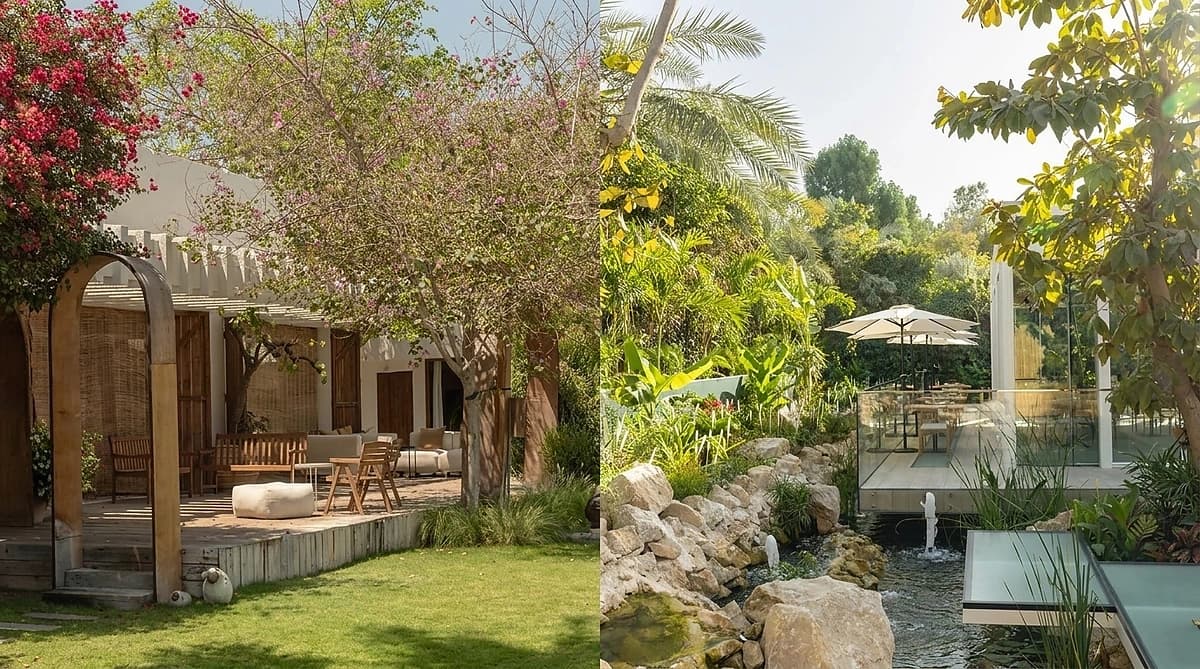
Yes some Dubai cafés are designed with greenery all around to create a calm, garden-like atmosphere for visitors. Many of these places use mature trees, planter beds and vertical gardens to soften sightlines and reduce city noise, producing a distinct sense of calm unlike conventional cafés.
These garden cafés typically combine sheltered indoor seating with open terraces and courtyards so plants are always visible. Expect shady tables, clipped hedges, and large potted plants that create private pockets for conversation. The design choices also influence comfort: more canopy cover means cooler summer visits without relying entirely on indoor air conditioning.
A caveat is that plant-forward cafés can be seasonal in feel; pruning, irrigation and management determine how lush a venue stays. When a café advertises greenery all around, check whether plants are mature or newly planted, because established landscaping delivers a stronger, quieter atmosphere and more consistent shade.

What does an indoor-outdoor garden café in Dubai look like?
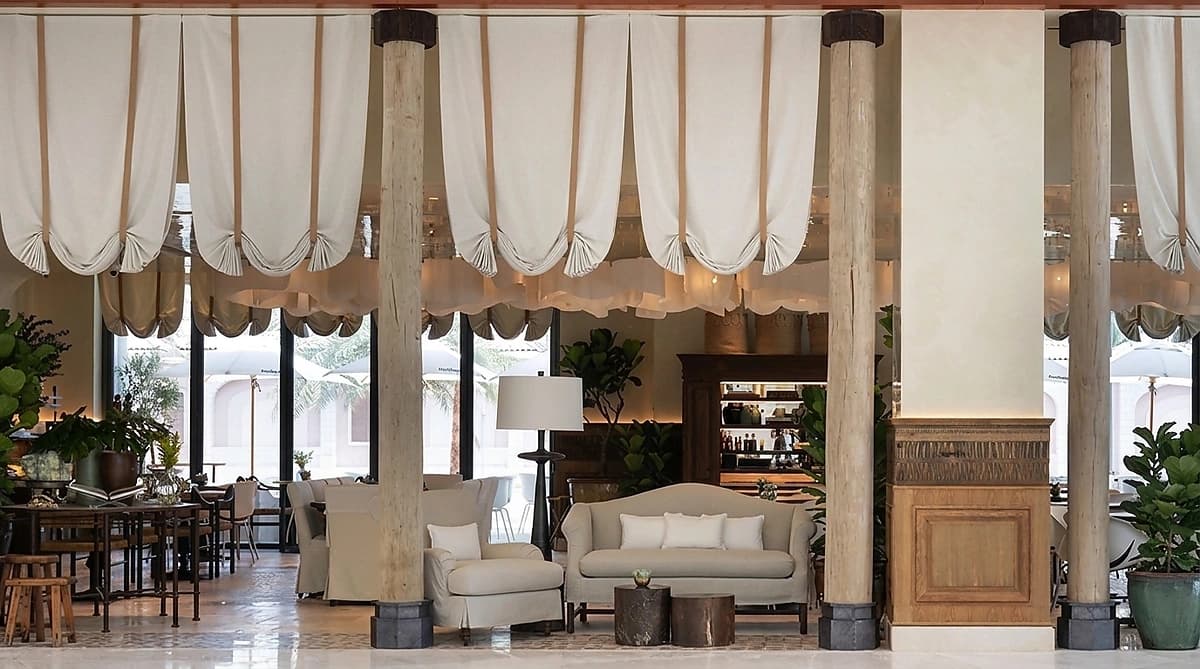
An indoor-outdoor garden café blends air-conditioned interiors with direct access to planted terraces and courtyards, letting customers move between cool interiors and green outdoor rooms. This layout creates variety: quiet sofas inside, breezy tables outside, and views framed by plants at every turn.
Design often includes large folding doors, covered pergolas, and layered planting to create privacy without closing the space. Expect vertical gardens by walls, container trees near tables, and shaded walkways that keep sound levels lower. These features make the café usable year-round by offering both climate-controlled and naturally ventilated spaces.
Operationally, indoor-outdoor cafés require more maintenance than fully indoor venues. Garden upkeep, pest control and seasonal shading must be managed to keep the atmosphere consistent. Customers notice the difference sharply when plant health and cleaning are neglected, so reputation often follows how well the outdoor spaces are maintained.

| Feature | Indoor focus | Outdoor focus |
|---|---|---|
| Seating | Cushioned sofas and shaded nooks | Terrace tables, lawn seating |
| Planting | Potted plants and vertical walls | Trees, hedges and lawn beds |
| Sound control | Softer, enclosed acoustics | Open, naturally muffled by greenery |
Where can you find a softer, quieter retreat café in Dubai?
A softer, quieter retreat café prioritizes low tables, planted barriers and seating arranged to minimise direct sightlines between guests. These design choices reduce perceived noise and create a sense of personal space, so conversation feels private and the experience more restorative.
Retreat cafés often place seating under canopy trees, beside water features, or behind low hedges to create separate alcoves. Lighting is typically warm and diffused rather than bright, and materials like wood, rattan and natural stone help absorb sound. Patrons seeking focus for work or a quiet meetup will often choose these quieter spots for the controlled ambience.
Note that quieter cafés usually have less transient footfall and sometimes smaller food menus, because the model prioritises atmosphere over high turnover. If you need a fast table for a quick coffee, check the café’s typical busiest hours to avoid disappointment at peak times.

- Shaded alcoves for privacy
- Water features to mask street noise
- Natural materials that absorb sound
Which garden cafés are secluded and surrounded by green in Dubai?
Yes some cafés are intentionally secluded, tucked behind gardens or within courtyard layouts that make them feel removed from busy streets. These locations rely on landscape layering and architecture to create a true sense of separation, so a table can feel like its own private garden room.
Seclusion comes from a combination of physical buffers and smart layout: hedges, trees and raised planters block views and traffic noise while pathways and pergolas guide guests into sheltered eating areas. Often these cafés are located in residential pockets, boutique hotels or quieter retail enclaves rather than main malls, which contributes to their retreat-like feel.
A practical risk is access and parking: secluded cafés can be harder to find or reach for first-time visitors. If seclusion matters, check opening hours and exact location details before travelling, and consider weekdays for the quietest experience.

Key Insight
Tip: Visit secluded garden cafés on weekday mornings for the quietest experience. These venues rely on mature planting to create calm, so early visits let you enjoy cool shade and minimal foot traffic. Weekends are often busier when families and tourists look for outdoor dining.
What is a plant-forward café experience in Dubai?
A plant-forward café experience emphasises greenery in food, drink and décor, pairing plant-rich menus with botanical interiors and outdoor planting. This approach creates an integrated experience where menu choices and the physical setting reinforce the garden theme for a cohesive visit.
Expect menus that spotlight vegetables, grains and botanical ingredients alongside lighter coffees and herbal infusions, plus décor that uses planters, herbs in pots and vertical green walls. The overall mood is fresher and lighter than a conventional café, and the menu often reflects seasonal availability and local produce to match the garden aesthetic.
The main limitation is variety: plant-forward cafés may offer fewer heavy or meat-centric dishes, which matters if you are dining with a group with mixed tastes. Check menus in advance if companions need classic comfort plates, but for solo visits or plant-focused meals these cafés deliver a consistent, green-forward dining experience.

- Menus highlight vegetables and botanical flavours
- Décor integrates living plants with seating
- Seasonal menus often match the planting calendar
These five garden café styles show how greenery, indoor-outdoor planning and plant-forward choices create noticeably calmer café experiences across Dubai. Look for mature planting, covered terraces and thoughtful seating to find the quietest, most restorative garden cafés that match your weekday or weekend rhythm.
Binayah Editorial
Analyste du marché immobilier
Notre équipe éditoriale étudie le marché immobilier de Dubai, en suivant les données du DLD, les lancements de promoteurs et les tendances d'investissement pour tenir les acheteurs et investisseurs informés.
Prêt à investir à Dubaï ?
Discutez avec nos analystes des meilleures opportunités sur le marché actuel, consultation gratuite.