UAE medicine stockpile: Emirates Drug Establishment secures supply
UAE medicine stockpile is secure in 2024 after Emirates Drug Establishment expanded local pharmaceutical production and strengthened national supply chains. The federal announcement confirming the stockpile follows a series of capacity and supply-chain measures attributed to the Emirates Drug Establishment, which Arabian Business reported as boosting domestic production and sourcing.
What does the announcement mean for UAE supply security?
What does the announcement mean for UAE supply security? Key Data
Stockpile status
Secure
Lead agency
Emirates Drug Establishment
Primary action
Boosted local production
Strategic focus
Supply-chain resilience
The announcement confirms the UAE medicine stockpile is secure because the Emirates Drug Establishment has boosted local production and reinforced supply-chain capacity to meet national demand. Arabian Business reported the confirmation after government and industry statements highlighted increased domestic manufacturing and stronger procurement channels led by the Emirates Drug Establishment. Officials described the actions as deliberate steps to build buffers and reduce immediate dependency on overseas shipments, which in practice improves availability for hospitals, clinics and public programmes. The strategic nuance is that security is strengthened but not absolute; global supply shocks, raw material shortages, and transport interruptions remain risks. Continued monitoring of upstream suppliers and investments in cold-chain and distribution capacity will be required to translate the assurance of stock into consistently reliable access across all emirates.
How will the announcement affect logistics and industrial property demand?
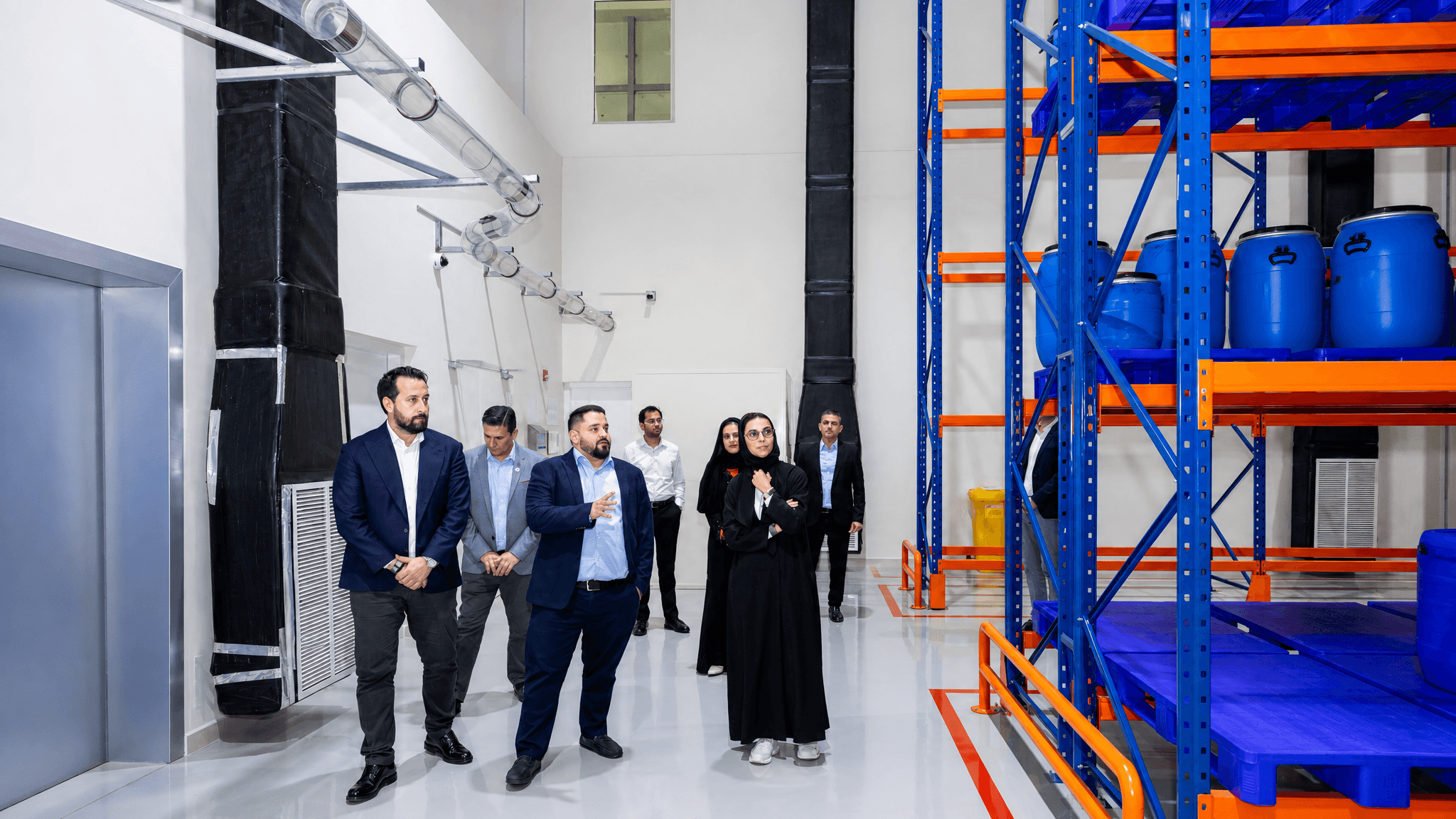
The announcement is likely to lift demand for logistics, warehousing and specialised pharmaceutical storage because the Emirates Drug Establishment's actions increase the need for domestic distribution and inventory management. When production rises and stockpiles are managed locally, more space is needed for finishing, quarantine, temperature-controlled storage and fast distribution. That shifts occupier requirements toward warehouses with robust utilities and compliance capacity for medicines, and the market typically responds with tenant demand for grade-A industrial units closer to ports and airports. Risks for the property market include a mismatch between demand for specialised cold-chain space and current supply, and regulatory or permitting delays for conversion of existing warehouses. Investors should weigh the structural uplift in logistics demand against the time and cost to retrofit assets to pharmaceutical standards.
| Supply action | Industrial implication | Market impact |
|---|---|---|
| Boosted local production | More manufacturing-adjacent storage | Higher demand for specialised warehouses |
| Strengthened procurement channels | Greater distribution throughput | Increased need for logistics capacity near hubs |
"Stronger local pharma production increases demand for temperature-controlled warehousing and faster distribution links to ports and airports."
, Binayah Research Team
How should investors position portfolios after the Emirates Drug Establishment update?
How should investors position portfolios after the Emirates Drug Establishment update? Key Data
Investment focus
Logistics and cold storage
Execution risk
Compliance and capex
Strategy
Phased, adaptable asset targeting
Sector signal
Stronger industrial demand
Investors should position toward logistics and specialised storage because securing the UAE medicine stockpile raises demand for distribution and cold-chain capacity tied to local pharmaceutical production. Portfolio moves that typically follow this kind of supply assurance include increasing exposure to industrial assets that can be certified for pharmaceutical handling, or targeting assets that offer flexible tenancy and fast access to transport nodes. While the announcement itself does not list projects or sites, the structural signal is clear: occupier needs will shift from generic warehousing toward compliance-ready facilities. Investors must also balance opportunity with execution risk. Converting or developing pharmaceutical-grade space requires compliance, potential higher capex and landlord cooperation with regulators. A phased approach focusing on adaptable assets and partnerships with specialist operators may reduce risk while capturing the uplift in demand.
What is the near-term outlook for UAE markets after the announcement?
What is the near-term outlook for UAE markets after the announcement? Key Data
Near-term tone
Cautiously positive
Primary demand driver
Pharmaceutical logistics
The near-term outlook is cautiously positive because the Emirates Drug Establishment's measures reduce immediate supply anxiety and redirect market attention to logistics capacity and resilience. Market participants should expect steady demand for warehouse space that supports pharmaceutical distribution and inventory buffering. Leasing interest will likely prioritise compliance features, proximity to transport nodes, and operators who can manage controlled-temperature goods, while general industrial demand may perform steadily as firms reassess supply strategies. The principal downside in the near term is timing: implementing infrastructure changes, retrofitting space and navigating approvals can create short-term supply bottlenecks even as demand rises. Policymakers and industry players will need to coordinate to ensure that reported security of the stockpile translates into sustained availability at the point of use.
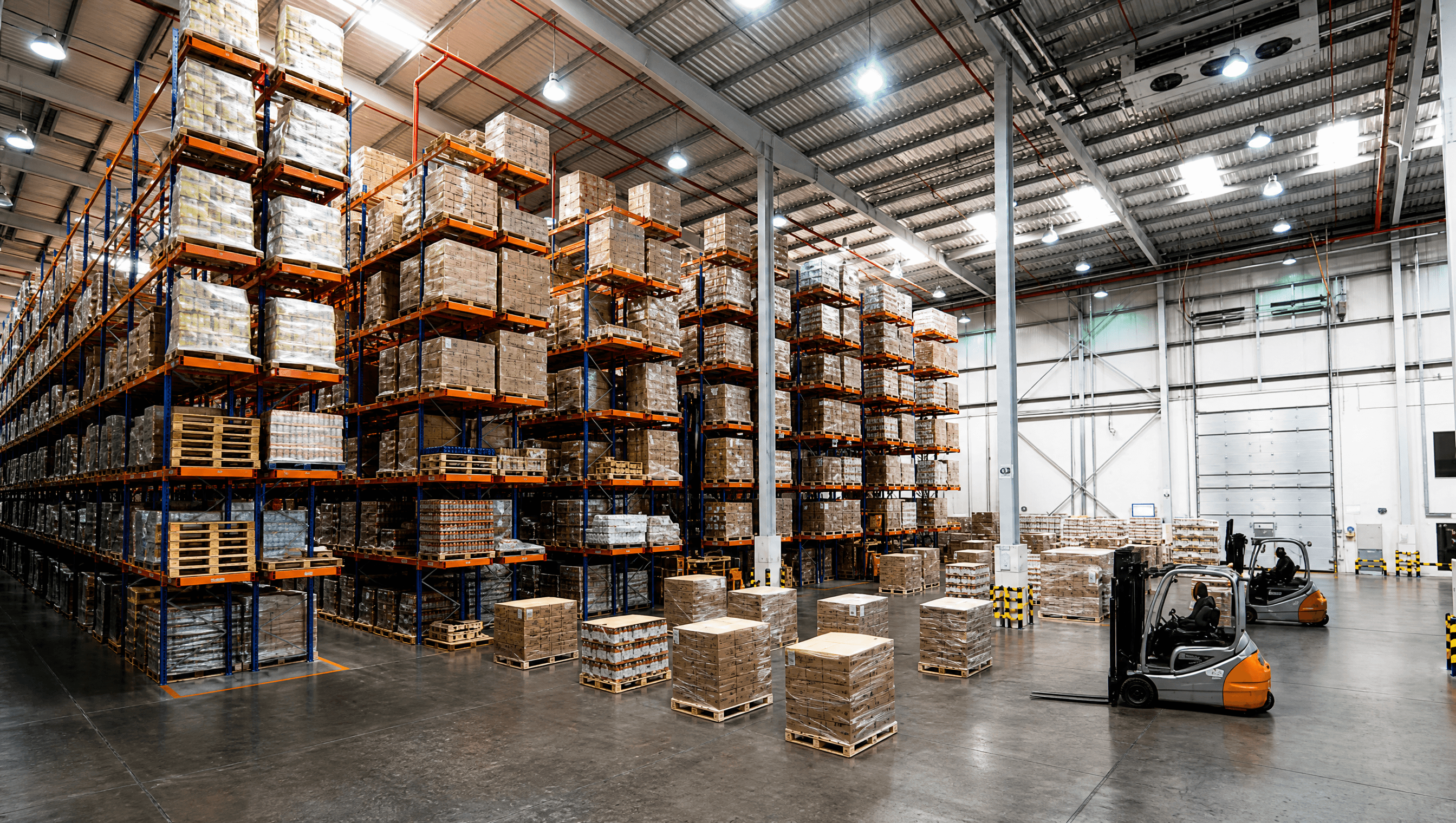
The core finding is that the UAE medicine stockpile is secure in 2024 after the Emirates Drug Establishment boosted local production and strengthened supply chains. That shift reduces short-term scarcity risk and redirects market demand toward logistics, specialised warehousing and distribution capacity, while execution risks remain in conversion, compliance and coordinating infrastructure upgrades.
Binayah Editorial
Analyste du marché immobilier
Notre équipe éditoriale étudie le marché immobilier de Dubai, en suivant les données du DLD, les lancements de promoteurs et les tendances d'investissement pour tenir les acheteurs et investisseurs informés.
Prêt à investir à Dubaï ?
Discutez avec nos analystes des meilleures opportunités sur le marché actuel, consultation gratuite.