Tesla free Supercharging UAE: locations and real estate impact
Tesla free Supercharging UAE rollout includes new chargers in Dubai and Gulf hubs, reshaping EV convenience and local real estate demand.
Tesla announced free Supercharging across the UAE, Saudi Arabia and Qatar, according to Arabian Business. The announcement means owners of Tesla vehicles can access certain public Superchargers without paying a per-session fee. That change reduces out-of-pocket charging costs to AED 0 at participating locations and improves daily EV running costs for residents who drive Teslas.
Local real estate will see practical effects because amenity value matters for tenants and buyers. Free public charging makes living near charging hubs more attractive, which can shift demand within cities such as Dubai and Abu Dhabi. Building owners, property managers and investors should plan for changes in parking allocation, load management and amenity marketing tied to free charging availability.
What did Tesla announce and where does it matter?
What did Tesla announce and where does it matter? Key Data
Countries
UAE, Saudi Arabia, Qatar
Charging cost
AED 0
Source
Arabian Business
Scope
Designated public Superchargers
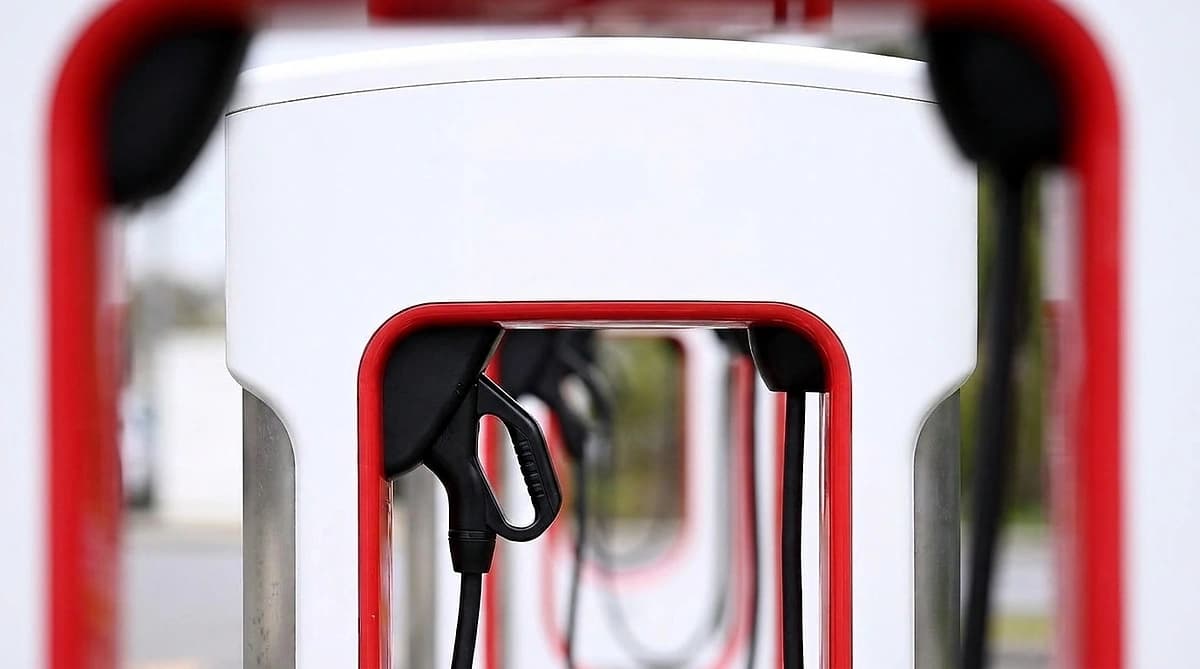
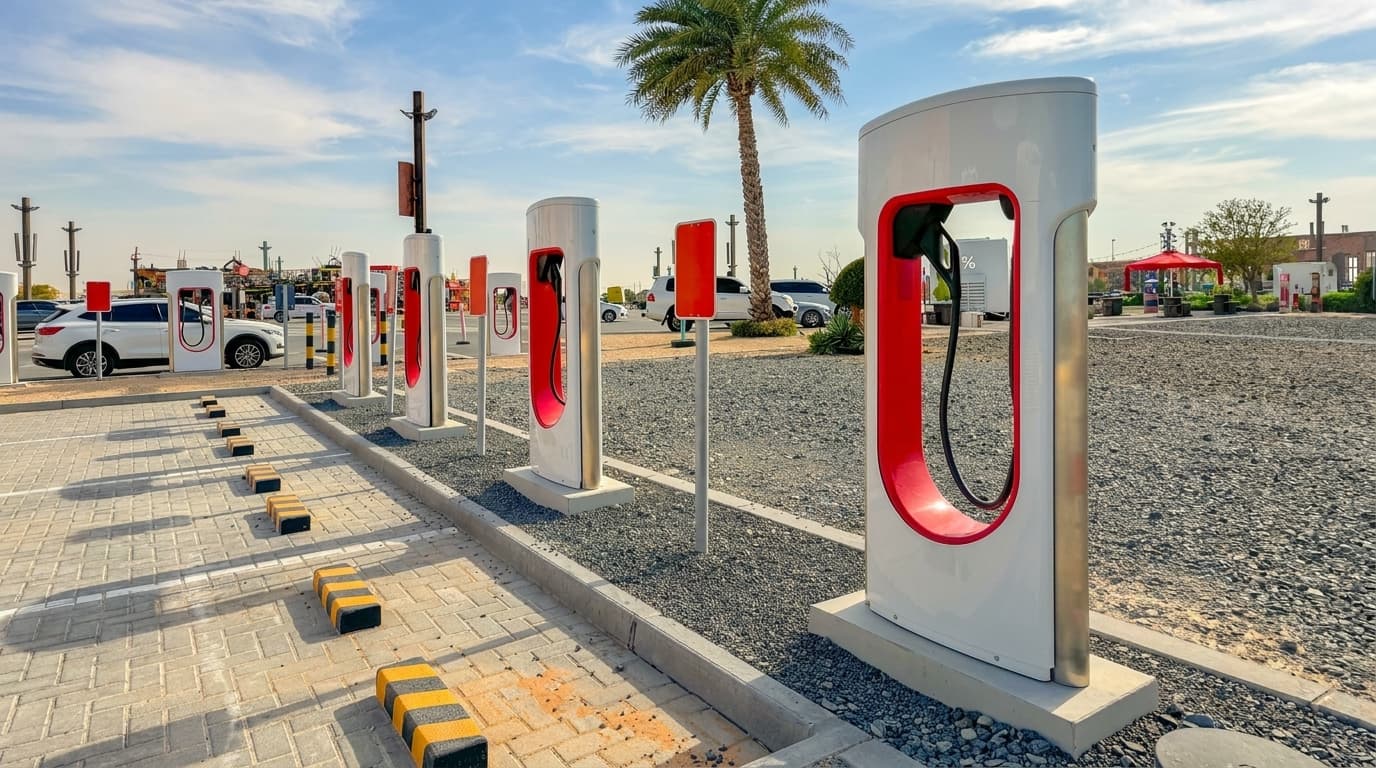
Tesla announced free Supercharging at designated locations across the UAE, Saudi Arabia and Qatar, meaning participating chargers will cost users AED 0. This is a targeted rollout that the company listed in a regional locations update, and Arabian Business flagged the full list for drivers in those three countries.
The announcement covers public Superchargers in the three Gulf countries named by Tesla and reported by Arabian Business. For residents the headline is clear: charging sessions at participating Superchargers will be free, which we express as AED 0 per session. That reduces the marginal cost of EV operation for Tesla drivers, changing short-term running costs and potentially shifting daily charging behavior towards public hubs rather than home-only charging.
The impact is location specific: cities with participating chargers, such as major urban hubs in the UAE, will see the greatest immediate effect. Property demand near these chargers could increase because AED 0 public charging raises convenience for EV owners. Owners and managers should confirm which exact charger sites are covered and plan for electrical load and parking reallocation where necessary.
How will Tesla free Supercharging affect Dubai real estate demand?
Free Tesla Supercharging is likely to lift amenity demand for properties located close to participating chargers in Dubai because drivers value accessible, cost-free charging, effectively saving them AED 0 per session. That shift can change tenant preferences and short-term rental appeal in neighbourhoods with chargers.
Amenity-driven demand is measurable: renters and buyers increasingly weight EV infrastructure when choosing housing, and free public charging lowers daily energy costs for Tesla owners. Developers and building owners in Dubai should expect modest increases in enquiry rates near charger hubs, particularly for apartments with easy parking access. The out-of-pocket saving of AED 0 at a Supercharger compares directly with home charging costs and time savings, making nearby units comparatively more attractive.
Risks remain: free public charging can concentrate demand at chargers, creating local parking strain and peak-time queues. Property managers should coordinate with local authorities and Tesla site operators to manage access, parking allocation and building electrical upgrades. Confirm whether a given charger is part of the free list before relying on it for marketing claims.
| Country | Free Supercharging | Typical cost (AED) |
|---|---|---|
| UAE | Yes | AED 0 |
| Saudi Arabia | Yes | AED 0 |
| Qatar | Yes | AED 0 |
"Free Supercharging changes the calculus for EV owners: convenience and zero marginal cost boost demand for nearby properties."
, Binayah Research Team
What are the investment implications and what should building owners do?
What are the investment implications and what should building owners do? Key Data
Cost per session
AED 0
Regions
UAE, Saudi Arabia, Qatar
Investors should treat Tesla's free Supercharging as an amenity shift that can alter occupier preferences and short-term rental performance near chargers, and owners must plan for operational impacts such as parking and load. The immediate financial effect for EV drivers is AED 0 per session at participating sites, which raises the relative attractiveness of properties within walking distance of chargers.
For investors, the main implication is amenity value rather than a direct capital uplift guaranteed by policy. Expect higher enquiry volumes for units close to Supercharger locations and consider modest premium pricing or faster leasing for those units. Building owners should audit parking layouts, evaluate electrical capacity for shared or dedicated chargers, and budget for tenant communications and potential demand-driven maintenance costs.
Practical actions include confirming the exact charger list, reallocating parking to EV-friendly bays, and investing in smart charging management. Owners who ignore the change risk lost rental interest where competing buildings market proximity to free Supercharging. The near-term cost saving for residents is straightforward: AED 0 at participating chargers, but effective building response requires operational planning.
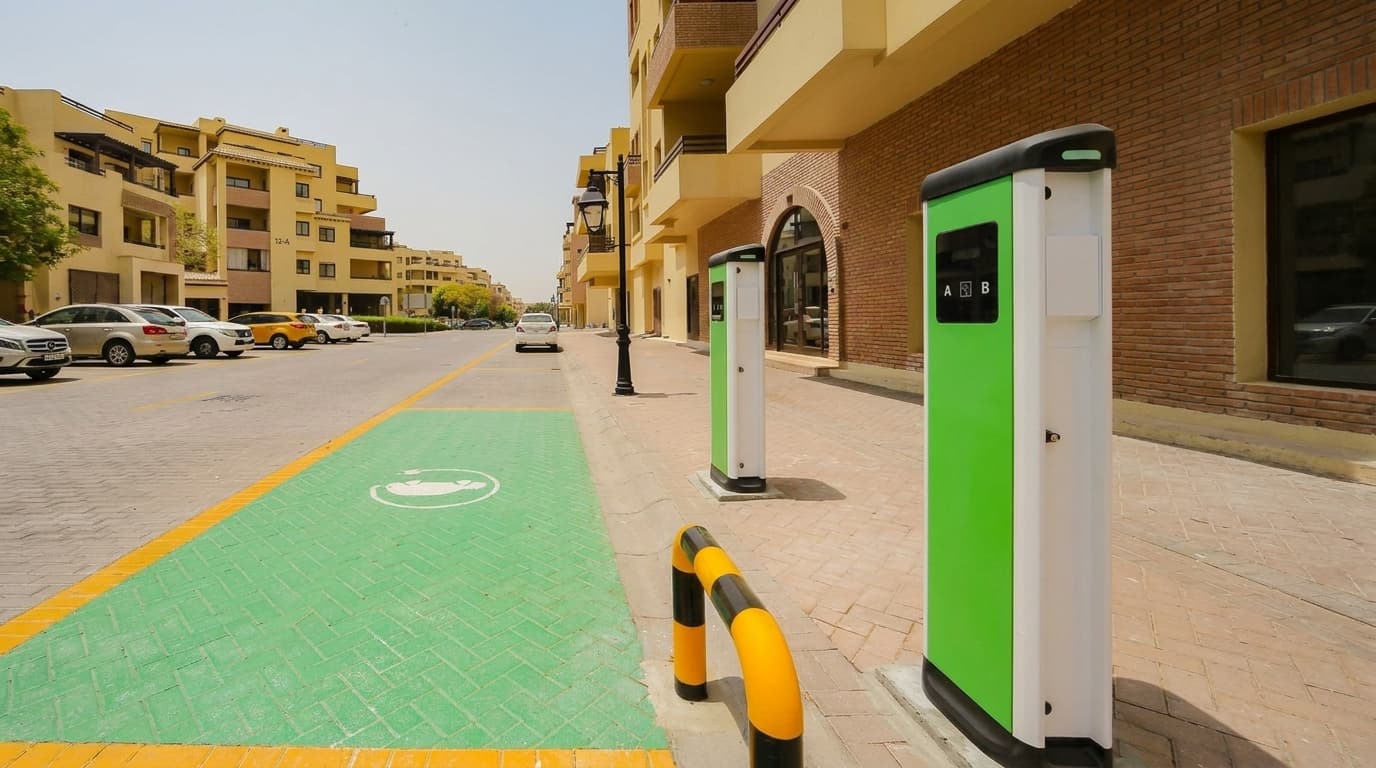
Key Insight
Owners should verify charger coverage, reassign parking for EV access and assess electrical capacity. Budget for outreach to tenants and for potential upgrades to common electrical infrastructure to avoid bottlenecks.
- Audit parking to create EV-friendly bays
- Confirm which Superchargers are listed as free
- Plan electrical upgrades for shared charging
- Communicate changes and manage peak demand
What is the broader market and policy context for Tesla free Supercharging?
Tesla's free Supercharging rollout sits within wider Gulf EV adoption efforts and reflects a corporate choice to subsidise certain public charging sessions, effectively offering AED 0 charging at listed sites. The move can accelerate EV use in urban centres by lowering marginal charging costs for Tesla drivers.
Policy-wise, municipalities and utilities will watch for grid impacts and parking management needs as public charging demand grows. City planners in the UAE and neighbouring countries already plan EV-friendly infrastructure, and a private company offering free charging adds a variable that local regulators may factor into future grid and parking policy. Owners and investors should monitor any municipal guidance on public charger siting and electrical permits.
Market risks include concentrated demand at free sites, potential future changes to the free model and the need for interoperability with non-Tesla EVs. The immediate consumer benefit is clear: AED 0 at participating Superchargers lowers running costs for Tesla drivers, but long-term outcomes depend on whether the free offering remains, expands or is limited by regulatory or operational constraints.
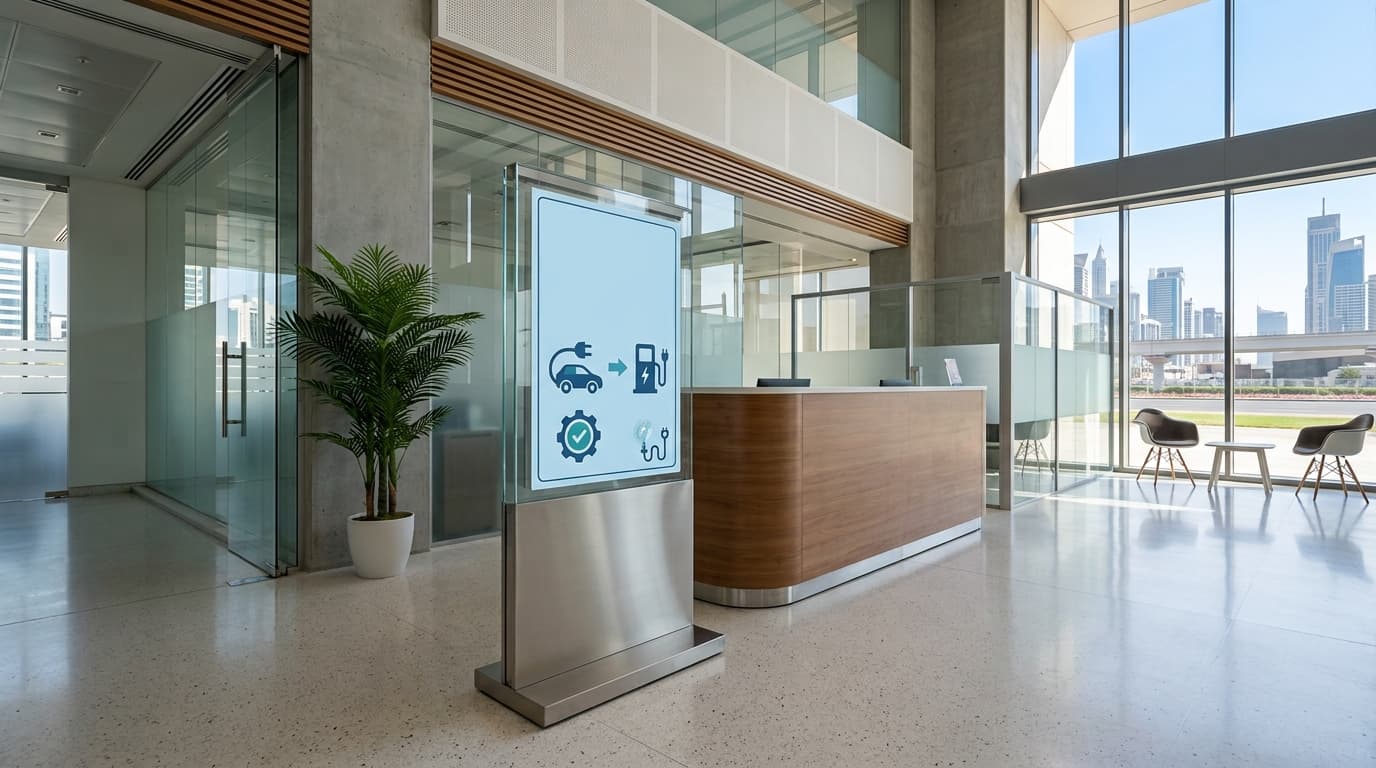
- Free charging reduces marginal running cost to AED 0
- Local regulators will monitor grid and parking impacts
- Demand concentration at free sites creates management needs
Tesla's regional free Supercharging initiative delivers AED 0 public charging at participating sites across the UAE, Saudi Arabia and Qatar, creating a clear amenity for Tesla drivers. The practical outcome is localized demand shifts around listed chargers that owners and investors must manage through parking, communications and electrical planning.
Binayah Editorial
Analyste du marché immobilier
Notre équipe éditoriale étudie le marché immobilier de Dubai, en suivant les données du DLD, les lancements de promoteurs et les tendances d'investissement pour tenir les acheteurs et investisseurs informés.
Prêt à investir à Dubaï ?
Discutez avec nos analystes des meilleures opportunités sur le marché actuel, consultation gratuite.