Dubai hotel market: 9 insights as rooms reach 158,700
Dubai hotel market now totals 158,700 rooms, underscoring how rapid luxury supply growth is reshaping the city’s hospitality landscape for investors and operators.
Arabian Business reports that Dubai’s hotel inventory has expanded to 158,700 rooms following sustained project deliveries and strong demand recovery. The headline figure captures new hotel openings across central and resort locations and reflects developer confidence in leisure, events and high-net-worth visitor flows. Analysts point to a strategic focus on upper-upscale and luxury properties as a key reason the recent pipeline favours higher-revenue inventory.
While geopolitical tensions may create near-term uncertainty, Dubai’s tourism fundamentals and recovery track record continue to support long-term growth in the hospitality sector. That resilience is shown by the scale of new supply and a steady events calendar, but near-term volatility in international travel patterns remains a practical risk for operators and investors.
How many rooms are in the Dubai hotel market?
How many rooms are in the Dubai hotel market? Key Data
Rooms
158,700
Source
Arabian Business
Segment
Luxury-dominant
Snapshot
Inventory total
The Dubai hotel market contains 158,700 hotel rooms, according to Arabian Business reporting. This total is the central datapoint for assessing capacity, future occupancy pressure and how supply mixes across segments.
The 158,700-room inventory reflects multiple waves of project deliveries and new hotel openings across downtown, beachfront and resort nodes. Developers prioritised upper-upscale and luxury hotels in recent cycles, which helps explain the growth in total room numbers without a proportional rise in budget or economy stock. For operators and investors, that matters because luxury rooms typically aim for higher average daily rates and different demand drivers than mass-market hotels.
Counting rooms is the first step; the next is matching those rooms to demand trends. A large inventory raises questions about occupancy recovery pace, seasonal pressure and where new supply sits within mature micro-markets such as Dubai Marina, Downtown Dubai and Palm Jumeirah. Investors should track how the 158,700 figure changes quarterly with delivery schedules and hotel classification updates.
Are luxury hotels driving Dubai’s hospitality comeback?
Are luxury hotels driving Dubai’s hospitality comeback? Key Data
Rooms
158,700
Source
Arabian Business
Focus
Luxury-led supply
Implication
ADR-driven strategy
Yes. Luxury hotels have been a primary driver of recent expansion and demand recovery in Dubai’s hospitality market, as seen in the composition of new supply reported alongside the 158,700-room total.
Developers and operators focused on luxury and upper-upscale segments during the latest delivery wave, aiming to capture high-spend leisure travellers, premium events attendees and long-stay affluent visitors. That strategy means a larger share of room additions target higher average daily rates and ancillary revenue streams such as branded residences, spas and high-end F&B. For market participants, luxury-led supply can boost headline revenue per available room (RevPAR) potential but also raises exposure to luxury demand cycles.
The dominance of luxury inventory supports positioning Dubai as a premium global destination, yet it creates intra-city segmentation where midscale and economy demand must be managed through yield strategies and niche product offerings. Operators should therefore balance ADR objectives with occupancy management across different community locations and event calendars.
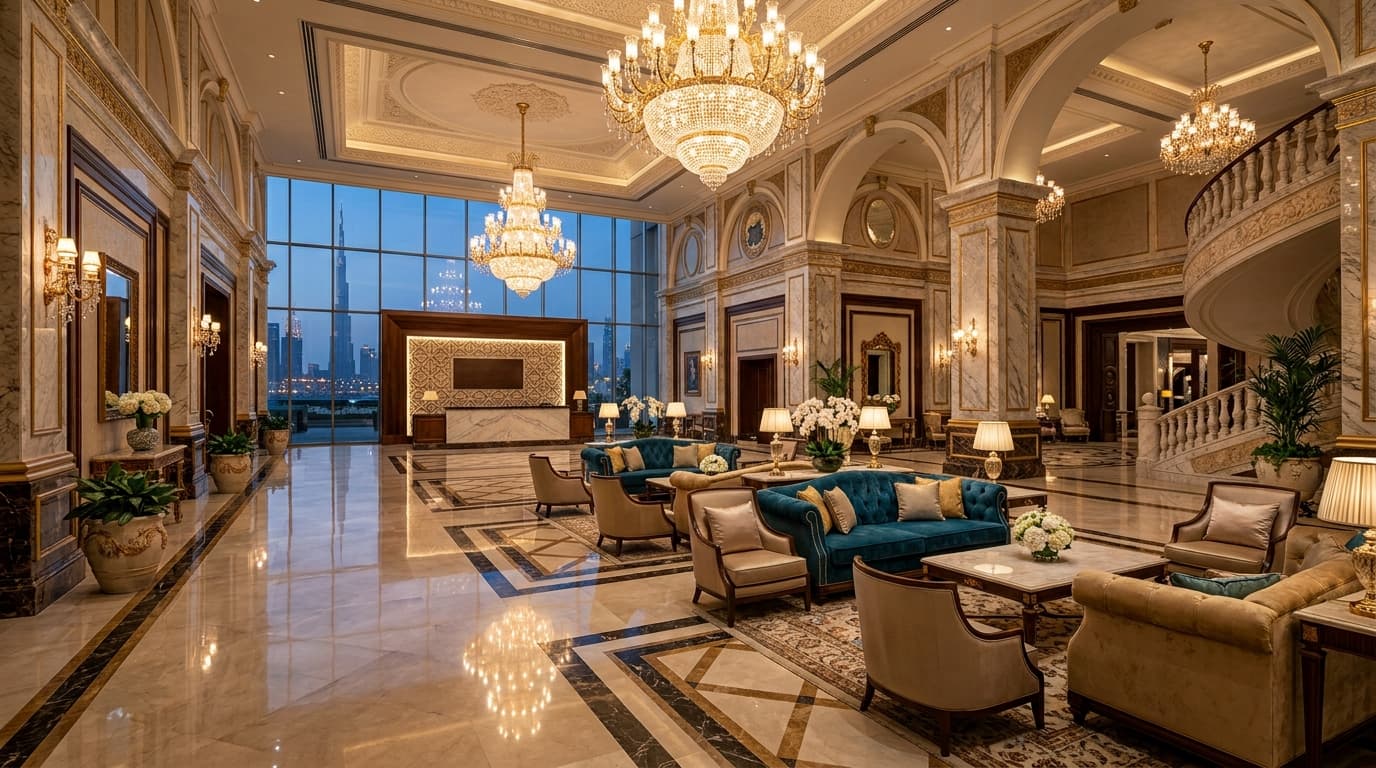
"Dubai’s hotel inventory at 158,700 rooms shows recovery-driven expansion, led by luxury openings concentrated in prime districts."
, Binayah Research Team
What is Dubai’s recovery track record in hospitality?
What is Dubai’s recovery track record in hospitality? Key Data
Rooms
158,700
Source
Arabian Business
Recovery
multi-year
Driver
events and reopenings
Dubai’s hospitality sector has demonstrated a resilient recovery track record, recovering room deliveries and demand sufficiently to reach a 158,700-room inventory. The city has bounced back from previous downturns through events, open-border strategy and diversified source markets.
Recovery has been driven by a return of international tourism, major exhibitions and a policy environment that prioritised reopening and events hosting. Those factors supported hotel reopenings and the completion of projects already in the pipeline. The 158,700 rooms number is the result of that systemic bounce-back rather than a single-year spike, indicating multi-year recovery dynamics that accommodated new supply and helped re-fill the travel pipeline.
Nevertheless, a strong recovery track record does not remove downside scenarios. The hotel market’s resilience depends on continued visitor flows and the ability of hotels to compete on experience and pricing. Stakeholders should therefore monitor booking windows, length of stay and event schedules as practical measures of recovery depth.
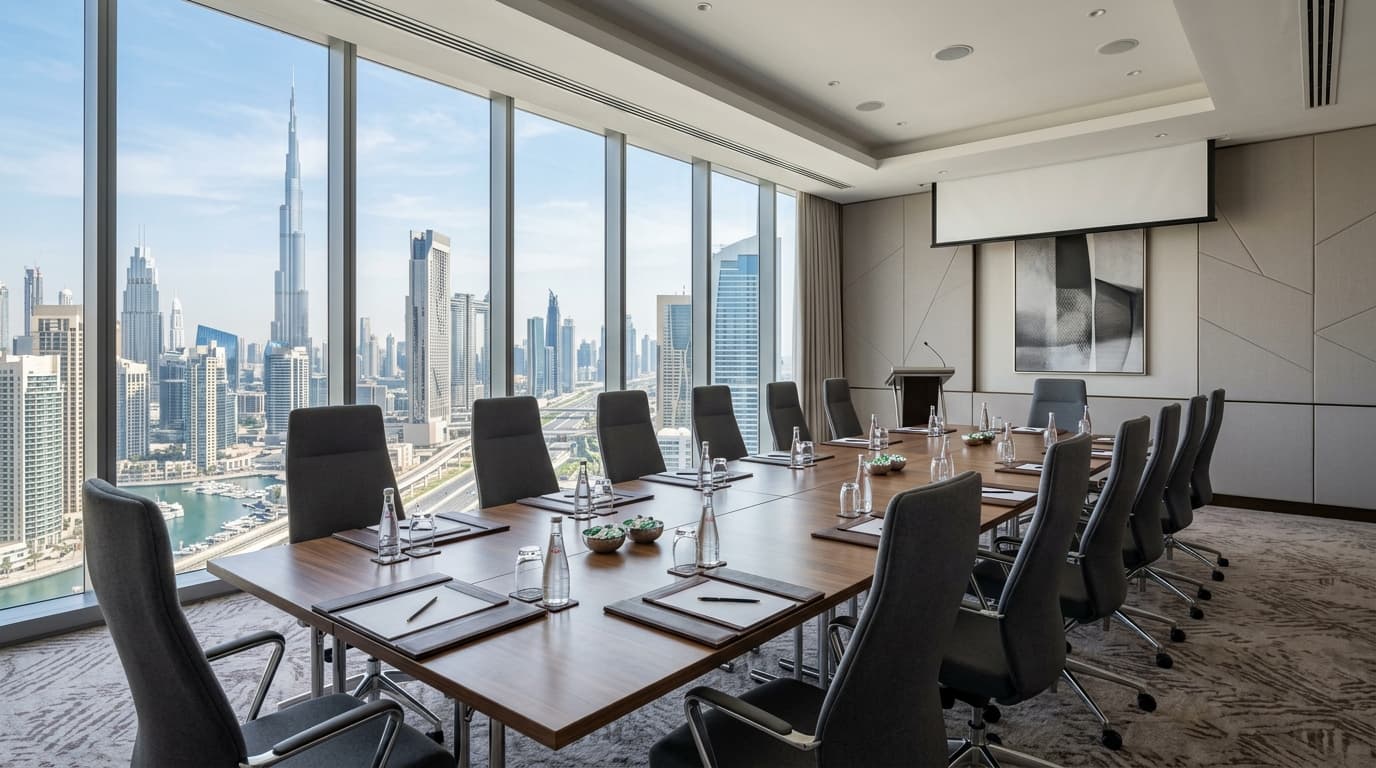
What short-term risks do Dubai hotels face versus long-term growth?
What short-term risks do Dubai hotels face versus long-term growth? Key Data
Rooms
158,700
Source
Arabian Business
Risk
Geopolitical volatility
Horizon
Short-term vs long-term
Short-term risks include geopolitical shocks and travel volatility, while long-term growth remains supported by strong tourism fundamentals and the existing events pipeline. Near-term uncertainty can affect occupancy and rate pacing but does not erase longer-term structural demand drivers.
Geopolitical tensions can prompt short booking windows, last-minute cancellations and shifts in source markets, testing revenue management and cashflow resilience across operators. At the same time, Dubai’s strategy of hosting major events and opening to diverse international markets underpins longer-term demand. The market’s expansion to 158,700 rooms assumes ongoing tourism appeal, but operators must build flexibility into pricing and distribution to manage short-term dips without permanently sacrificing ADR or market positioning.
Investors should stress-test portfolios for scenarios where short-term occupancy declines by material percentages for a quarter or two, and plan liquidity and contractual levers accordingly. Maintaining a mix of contract types and adjustable operating models helps preserve long-term returns when short-term shocks occur.
Key Insight
Short-term shocks can dent occupancy and rate momentum, but a diversified events calendar and wide source-market mix help Dubai absorb shocks. Investors should budget for at least one quarter of lower-than-expected revenue in stress scenarios and preserve operational flexibility to protect long-term returns.
What is the outlook for growth in the Dubai hotel market?
What is the outlook for growth in the Dubai hotel market? Key Data
Rooms
158,700
Source
Arabian Business
Outlook
Continued expansion
Opportunity
Asset repositioning
The outlook points to continued expansion of supply and gradual demand absorption, with the market now at 158,700 rooms as the baseline. Growth will depend on event calendars, global travel patterns and developer appetite for new luxury projects.
Expectations among market watchers are for cautious but steady growth rather than abrupt contraction. The existing inventory of 158,700 rooms positions Dubai to capture high-value tourism and business events while new openings will likely focus on premium product types. Operators can expect revenue management challenges in overlapping micro-markets, but also opportunities in segmentation, branded residence conversions and experiential offerings that drive ancillary income.
Monitoring planning approvals, opening pipelines and booking trends will be essential. A proactive approach to repositioning older assets, adjusting rate structures and targeting under-served source markets can help occupiers and owners extract value from continued expansion.
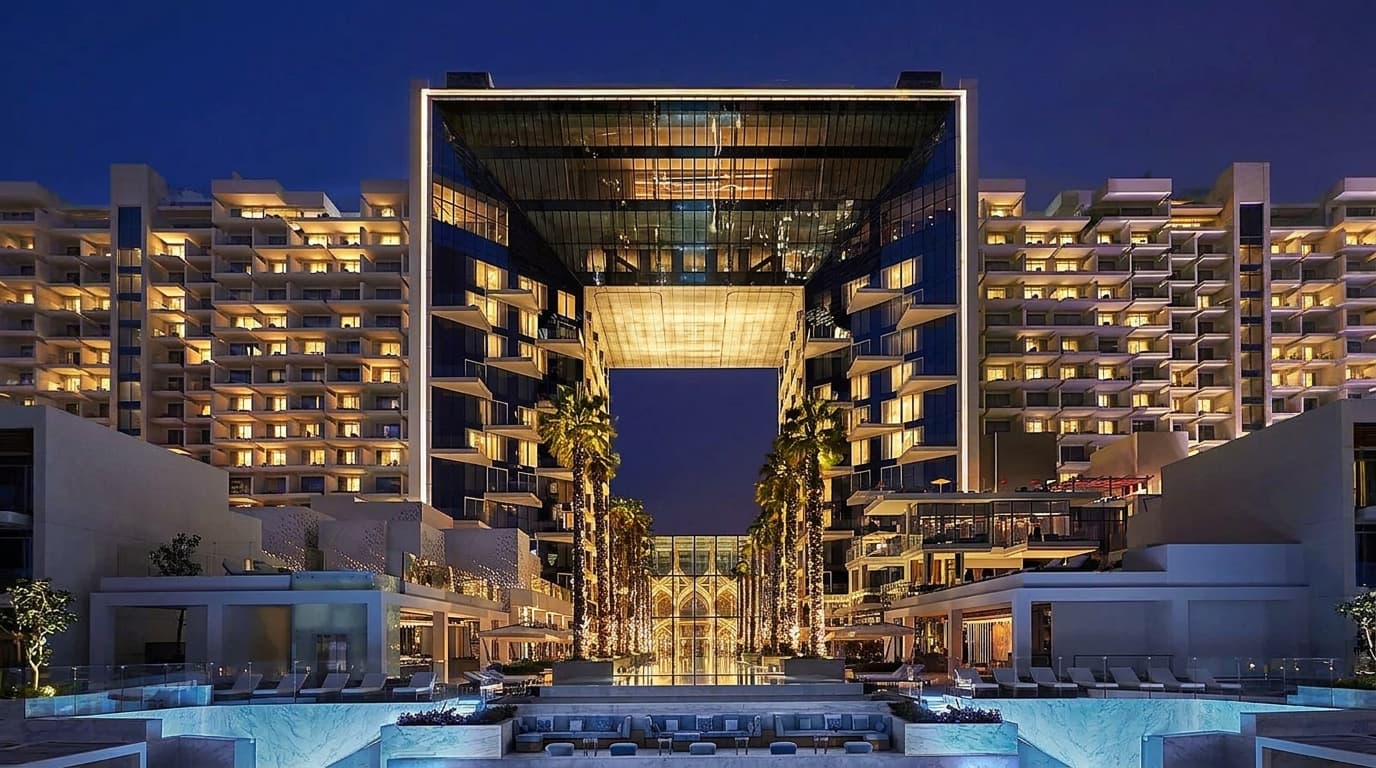
How dominant is the luxury segment in Dubai hotel supply?
How dominant is the luxury segment in Dubai hotel supply? Key Data
Rooms
158,700
Source
Arabian Business
Segment
Luxury-dominant
Implication
ADR sensitivity
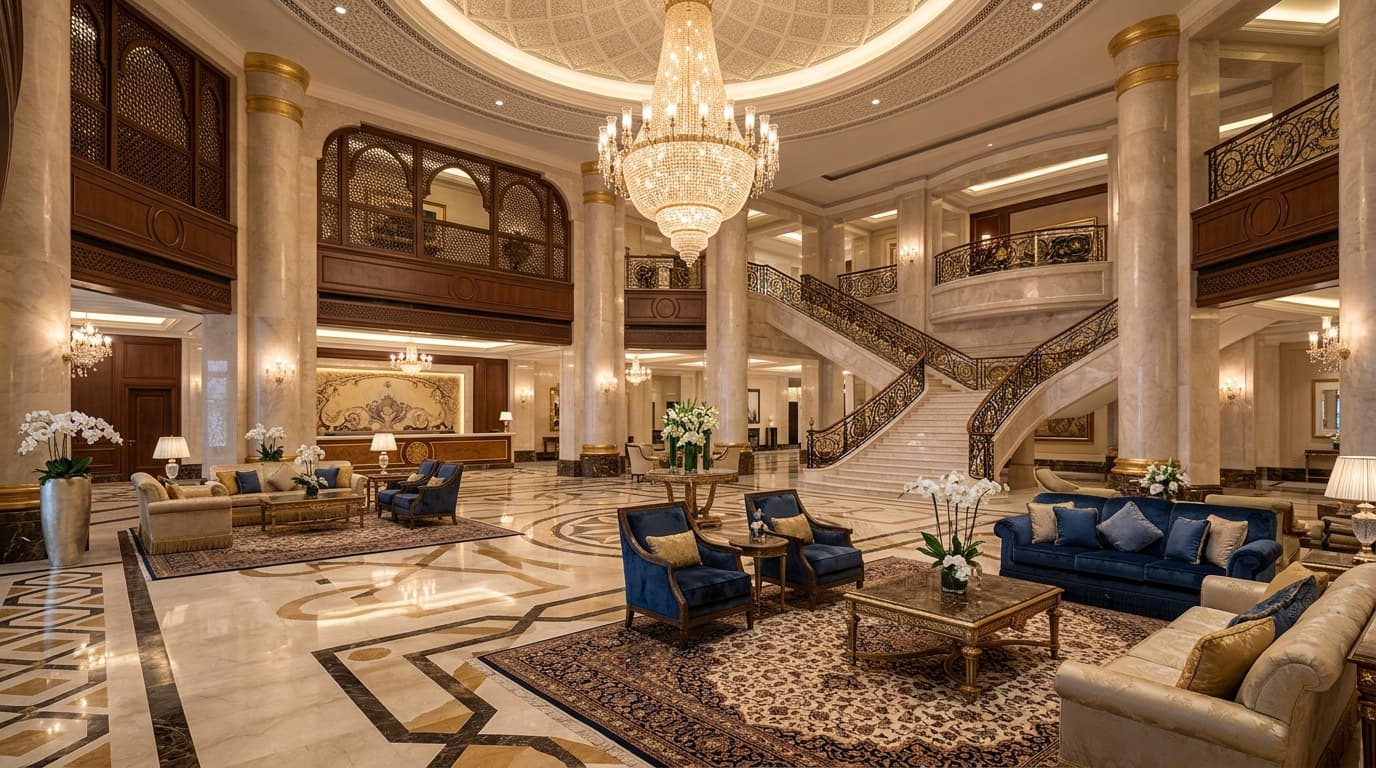
The luxury segment is reported as the dominant component of the recent supply wave that helped push Dubai’s total to 158,700 rooms. That dominance shapes pricing power, guest mix and operational strategies across the city.
Luxury and upper-upscale hotels accounted for a substantial share of the newest openings, focusing product into prime locations and offering higher average daily rate potential. The concentration of high-end rooms means new supply is skewed toward premium demand segments, which can lift market-wide revenue metrics when occupancy holds but creates sensitivity to luxury demand cycles. For owners and operators, this skew requires tailored marketing, differentiated guest experiences and close rate management to protect margins.
Strategically, landlords should consider how luxury concentration affects neighbouring midscale hotels, which may need to differentiate on value or convenience. City planners and tourism authorities also watch segment balance because overly concentrated supply could leave segments underserved in the medium term.
| Metric | Value | Source |
|---|---|---|
| Total hotel rooms | 158,700 | Arabian Business |
| Dominant segment | Luxury and upper-upscale | Arabian Business |
What tourism fundamentals support Dubai hotels?
What tourism fundamentals support Dubai hotels? Key Data
Rooms
158,700
Source
Arabian Business
Drivers
Events and diverse source markets
Support
Year-round calendars
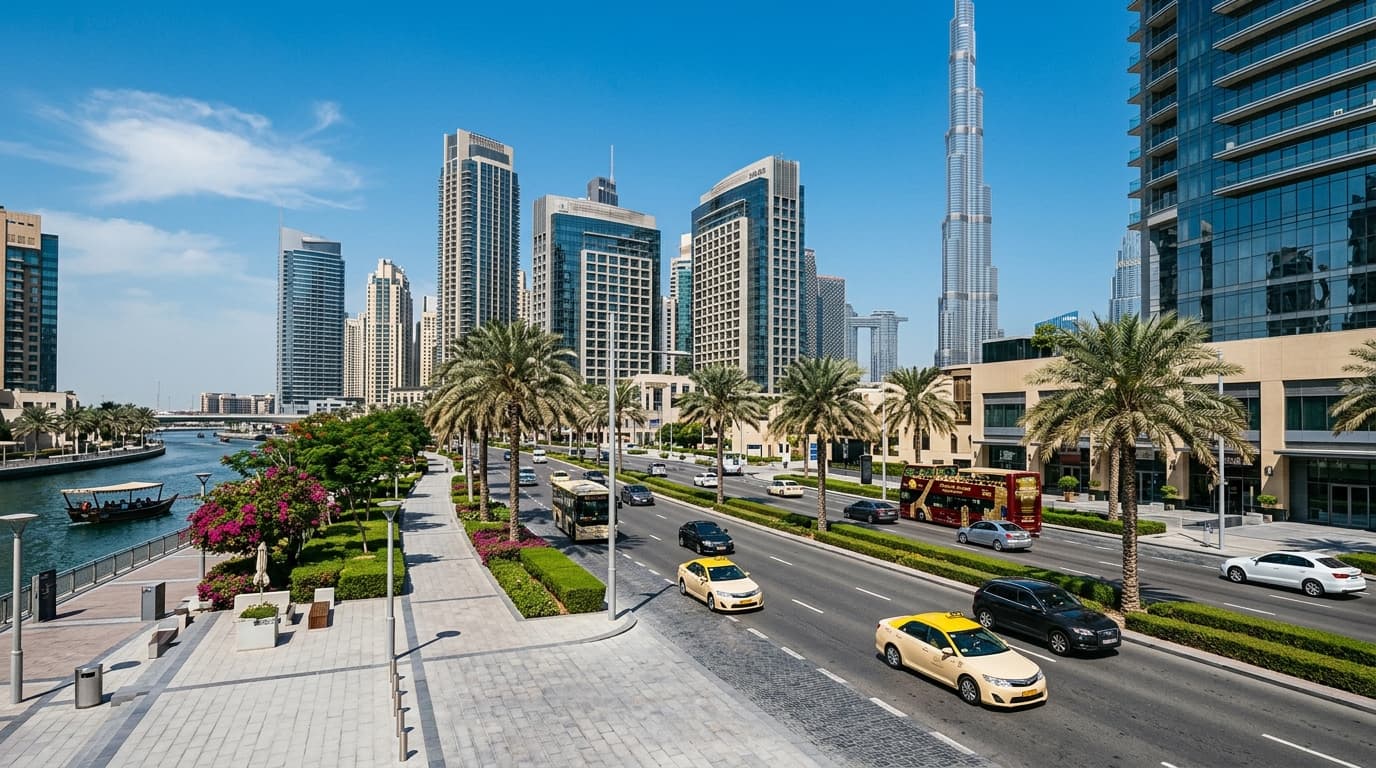
Strong tourism fundamentals in Dubai include a diverse source-market mix, year-round event scheduling and large leisure and business travel pipelines that support the 158,700-room inventory. These fundamentals form the backbone of demand for hotel operators and investors.
Dubai’s calendar of exhibitions, sporting events and cultural festivals keeps inbound travel relatively steady across seasons, which helps fill rooms and supports rate resilience. The city’s positioning as a global transit and leisure hub attracts high-spend visitors who prefer premium accommodation, aligning with the luxury-heavy supply mix noted in reporting. Together, these fundamentals underpin long-term demand even when short-term disruptions occur.
For asset managers, the practical implication is to match product to expected visitor profiles by location. Hotels in resort or beachfront settings should lean into leisure and F&B experiences, while city-centre hotels focus on events, corporate and MICE demand to maximise occupancy and rate performance.
Do geopolitics outweigh tourism fundamentals for Dubai hotels in the near term?
Do geopolitics outweigh tourism fundamentals for Dubai hotels in the near term? Key Data
Rooms
158,700
Source
Arabian Business
Trade-off
Geopolitics vs fundamentals
Action
Scenario planning
No single factor fully outweighs the other; geopolitics can create short-term volatility while tourism fundamentals provide a stabilising backdrop for the market that now counts 158,700 rooms. Both forces matter and their interaction determines short-term performance.
Geopolitical events can cause sudden changes to booking lead times, traveller sentiment and source-market flows. At the same time, Dubai’s diversified tourism strategy and large-scale event schedule help absorb shocks by attracting alternate markets and last-minute business. The 158,700-room base means there is capacity to flex across segments, but it also raises the importance of flexible revenue management and targeted marketing to maintain occupancy without excessive discounting during geopolitical shocks.
Operators should plan scenario-based revenue forecasts and maintain liquidity buffers for transient dips. Tourism fundamentals reduce the probability of prolonged downturns, yet short-term geopolitics remain the principal operational risk to monitor.
How do geopolitical tensions create near-term uncertainty for Dubai hotels?
How do geopolitical tensions create near-term uncertainty for Dubai hotels? Key Data
Rooms
158,700
Source
Arabian Business
Near-term effect
Booking volatility
Focus
Channel and rate management
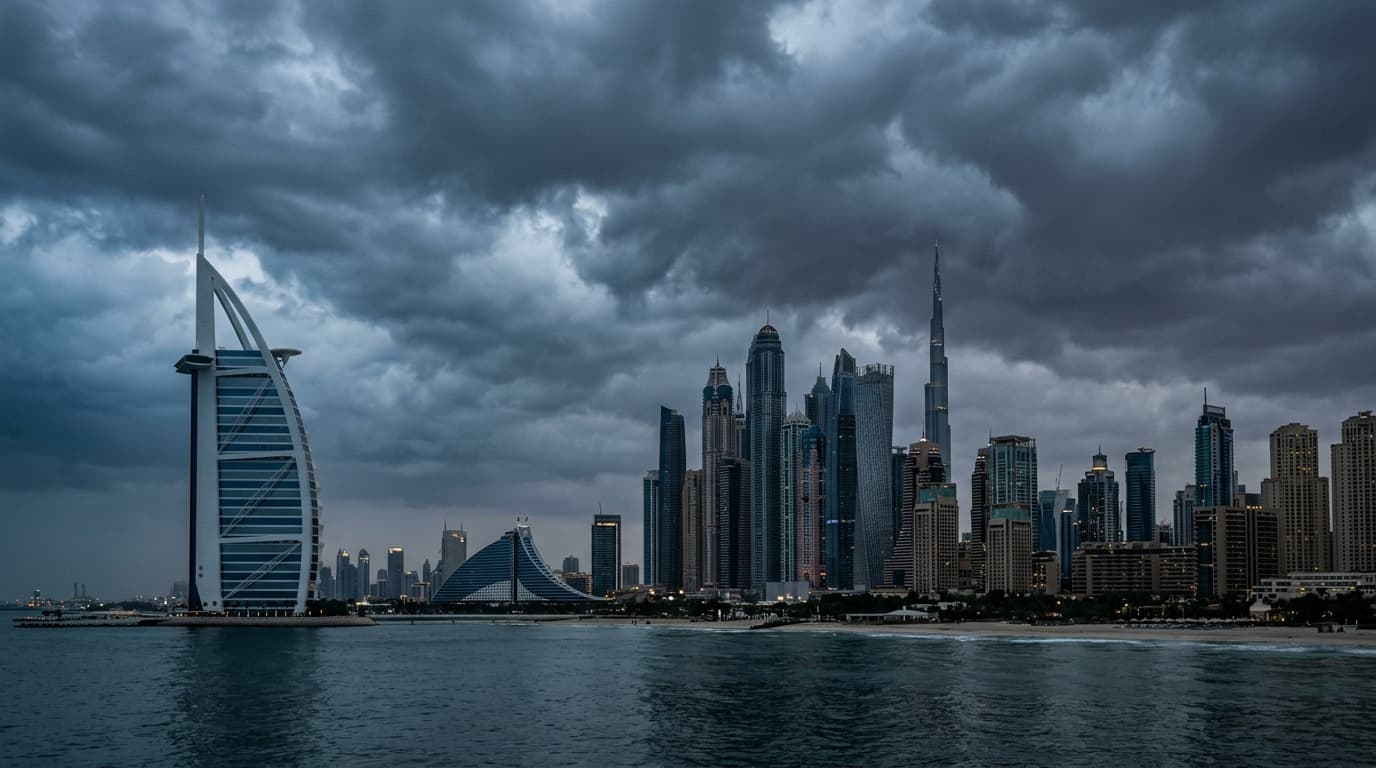
Geopolitical tensions create near-term uncertainty by shortening booking windows, shifting source markets and increasing the risk of cancellations, which can pressure occupancy and revenue metrics against an inventory of 158,700 rooms. The effect is most acute in luxury and business travel segments.
When tensions rise, travellers often delay or downgrade plans, and corporate travel policies can tighten. That behaviour affects hotels with high exposure to premium and event-driven demand more than mass-market properties. Because recent supply has skewed toward luxury offerings, a substantial portion of new rooms may be more affected by short-term demand swings, requiring active rate and channel management to preserve margins.
Practical steps for operators include tightening channel cost management, offering flexible policies for uncertain travellers, and focusing sales effort on alternative markets. These measures can reduce downside risk while preserving long-term positioning in a market that remains structurally large at 158,700 rooms.
Dubai’s hotel market now totals 158,700 rooms, with recent deliveries skewed toward luxury and upper-upscale segments. That structure supports higher-rate potential but increases sensitivity to short-term geopolitical volatility; monitoring booking trends, event calendars and pipeline disclosures is essential for investors and operators.
Binayah Editorial
Analyste du marché immobilier
Notre équipe éditoriale étudie le marché immobilier de Dubai, en suivant les données du DLD, les lancements de promoteurs et les tendances d'investissement pour tenir les acheteurs et investisseurs informés.
Prêt à investir à Dubaï ?
Discutez avec nos analystes des meilleures opportunités sur le marché actuel, consultation gratuite.