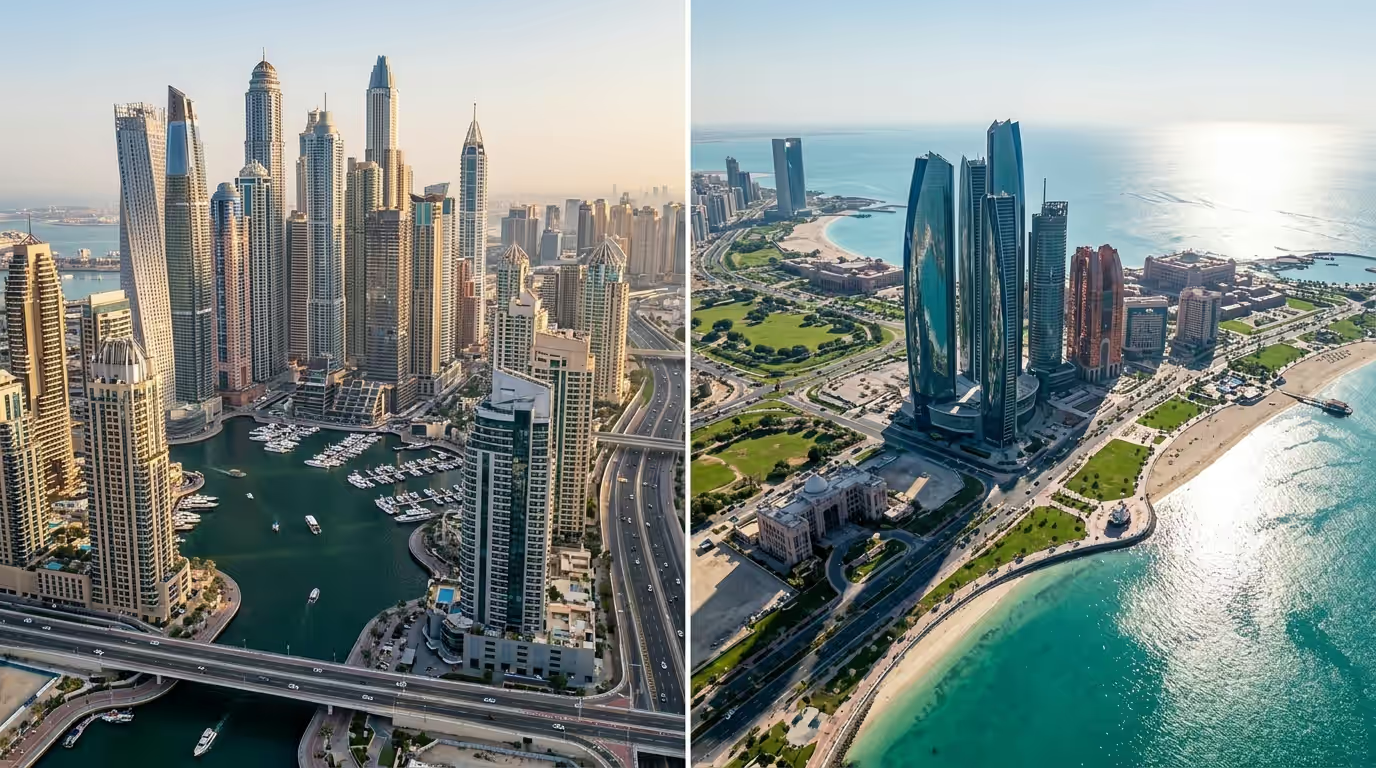
Investing in real estate is a significant decision that requires careful consideration of various factors, especially when choosing between two vibrant cities like Dubai and Abu Dhabi. Both cities offer unique opportunities and challenges for property investors. This guide delves into the distinct aspects of property investment in each city, helping you make an informed decision.
Economic Environment
Dubai and Abu Dhabi are both economic powerhouses in the UAE, but they differ in their economic structures and growth trajectories. Dubai is well-known for its diverse economy, heavily driven by tourism, trade, and finance. It is a global city with a cosmopolitan lifestyle, attracting expatriates from all over the world. This diversity contributes to a dynamic property market with a wide range of investment opportunities.
On the other hand, Abu Dhabi has a more oil-centric economy, although it has been making strides towards diversification. The city's wealth is largely derived from its vast oil reserves, which offer a level of economic stability. However, this also means that the real estate market can be more conservative and less volatile compared to Dubai.
Real Estate Market Dynamics
In terms of market activity, Dubai is well-known for its high transaction volumes. In 2025, Dubai recorded 222,417 property transactions, highlighting its active market. The city is expected to see around 73,550 new units in 2026, indicating ongoing development and expansion. The presence of numerous new projects provides investors with a wide array of choices, from luxury apartments to affordable housing.
Abu Dhabi, while not as fast-paced as Dubai, offers a more stable market with less fluctuation in property values. The capital city focuses on sustainable development and high-quality infrastructure, which appeals to long-term investors seeking stability over quick profits.
Rental Yields and Returns
Rental yields are a crucial factor for investors focusing on income-generating properties. Dubai generally offers higher rental yields due to its vibrant tourism sector and large expatriate population. Areas like Arabian Ranches 2 and Barsha Heights (Tecom) are popular for rental properties due to their strategic locations and amenities.
In contrast, Abu Dhabi provides steady but lower rental yields. The city attracts families and professionals looking for a quieter lifestyle, which can translate into longer tenancy durations but at more conservative rental returns.
Lifestyle and Living Standards
Dubai is synonymous with luxury and modernity, offering a fast-paced lifestyle with world-class amenities. The city's infrastructure includes state-of-the-art shopping malls, entertainment venues, and an efficient public transport system. For investors interested in properties that appeal to international clients, Dubai's vibrant lifestyle is a significant draw.
Abu Dhabi offers a more relaxed and traditional lifestyle. The city is known for its cultural heritage, with numerous museums and cultural sites. It also offers expansive green spaces and waterfront developments, making it ideal for those who prefer a quieter, more family-oriented environment.
Legal and Regulatory Framework
Both cities have investor-friendly policies, but there are differences in their regulatory environments. Dubai has been proactive in implementing policies to protect investors, such as RERA regulations that ensure transparency in transactions. The city also offers freehold ownership in many areas, which is attractive to foreign investors.
Abu Dhabi has made significant strides in recent years to improve its regulatory framework. The city has introduced freehold ownership in certain designated areas, enhancing its appeal to international investors. The legal environment is supportive, but it is generally perceived as more conservative compared to Dubai.
Infrastructure and Development
Dubai is renowned for its ambitious infrastructure projects, including the Dubai Metro, international airports, and iconic developments like the Palm Jumeirah. These projects contribute to the city's global appeal and are a testament to its commitment to growth.
Abu Dhabi focuses on sustainable and high-quality infrastructure projects, such as the development of Saadiyat Island and Yas Island. These projects are aimed at enhancing the city’s cultural and leisure offerings, appealing to investors interested in long-term value appreciation.
| Aspect | Dubai | Abu Dhabi |
|---|---|---|
| Economic Structure | Diverse, tourism and trade-driven | Oil-centric, moving towards diversification |
| Market Activity | High transaction volume, dynamic | Stable, less volatile |
| Rental Yields | Generally higher | Steady but lower |
| Lifestyle | Fast-paced, cosmopolitan | Relaxed, traditional |
| Legal Framework | Investor-friendly, transparent | Supportive, more conservative |
| Infrastructure | Ambitious, global appeal | Sustainable, high-quality |
Conclusion: Which City to Choose?
Choose Dubai if: You are looking for a dynamic market with high potential for rental yields and capital appreciation. Dubai's diverse economy and vibrant lifestyle make it ideal for investors seeking quick returns and a wide range of property options.
Choose Abu Dhabi if: You prefer a stable and conservative market with steady returns. Abu Dhabi's focus on quality infrastructure and a family-friendly environment makes it suitable for long-term investors looking for stability and sustainable growth.
Ultimately, the decision between Dubai and Abu Dhabi depends on your investment goals, risk tolerance, and personal preferences. Both cities offer unique opportunities, and understanding their distinct characteristics will help you make the best choice for your property investment portfolio.