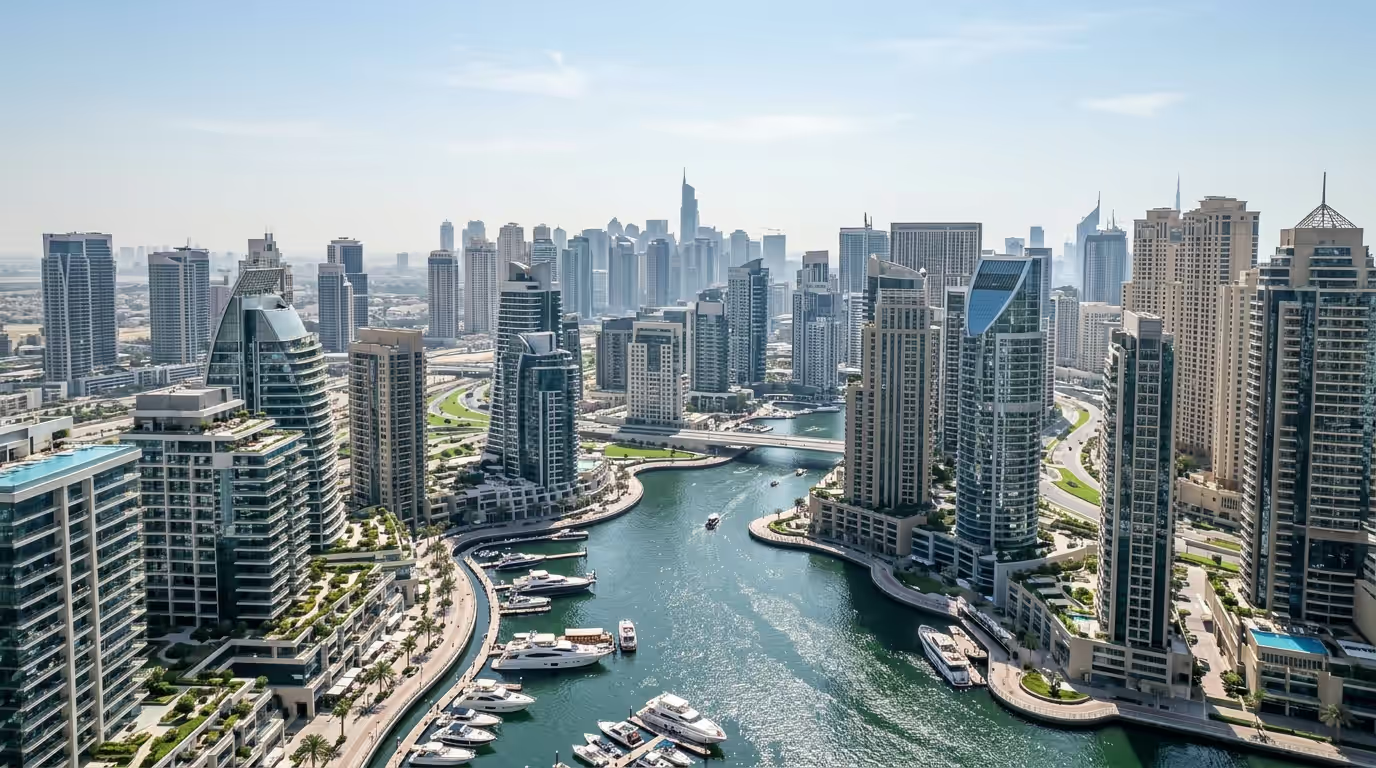
Dubai has long been a magnet for real estate investors, thanks to its strategic location, robust infrastructure, and favorable investment climate. However, like any investment, it comes with its own set of advantages and challenges. This guide will help you understand whether investing in Dubai's real estate market aligns with your financial goals.
Economic Stability and Growth Prospects
One of the key attractions of Dubai's real estate market is its economic stability. The city has diversified its economy beyond oil, focusing on sectors like tourism, finance, and technology. This economic diversification has insulated it from the volatility associated with oil prices. Furthermore, Dubai's ambitious infrastructure projects, such as Expo 2020, have stimulated significant economic activity, making it an attractive destination for property investment.
However, potential investors should be cautious of the cyclical nature of real estate markets. While Dubai's economy is resilient, global economic fluctuations can impact property values. It's essential to consider long-term trends and not just immediate returns.
Real Estate Market Dynamics
The Dubai real estate market is characterized by a mix of luxury and affordable property options. High-end developments by renowned developers like Emaar and DAMAC offer luxury apartments and villas, particularly appealing to international investors seeking prestigious addresses. On the other hand, areas like Barsha Heights provide more affordable options, catering to the middle-income segment.
It's crucial to understand that property values can vary significantly based on location, property type, and market demand. For instance, properties with views of iconic landmarks like the Burj Khalifa tend to command premium prices. Investors should conduct thorough market research and possibly consult with a local real estate expert to identify opportunities that match their investment criteria.
Rental Yields and Occupancy Rates
Rental yields in Dubai can be attractive, especially for properties in prime locations. Areas like Arabian Ranches 2 are popular with families and can offer steady rental income. However, yields can differ based on property type and location. While luxury properties might offer lower yields due to higher purchase costs, they often experience less volatility in value.
Occupancy rates can also vary. In areas with high demand, such as Al Raha, vacancy rates tend to be lower, ensuring a more consistent rental income. Investors should weigh these factors carefully, considering both immediate yield potential and long-term capital appreciation.
Legal and Regulatory Environment
Dubai's legal framework for real estate investment is well-developed, offering protections for both local and international investors. The Dubai Land Department and RERA (Real Estate Regulatory Agency) regulate property transactions, ensuring transparency and security.
However, investors should be aware of the specific legal requirements, such as the need for a no-objection certificate (NOC) from developers when selling property. Additionally, understanding the visa regulations linked to property investment is crucial, as they can affect residency status and long-term planning.
Supply and Demand Considerations
With around 73,550 new units expected in 2026, the supply side of Dubai's real estate market is expanding. This influx of new properties can lead to increased competition for buyers and renters. Consequently, investors should evaluate the demand dynamics in specific areas to avoid oversupply issues that could affect property values.
Conversely, areas with limited new supply may offer potential for capital appreciation, as demand outpaces supply. Thoroughly researching neighborhood trends and future development plans can provide insights into potential investment opportunities.
Tax Benefits and Financial Incentives
One of the most appealing aspects of investing in Dubai real estate is the absence of property tax, inheritance tax, and capital gains tax. This tax-free environment enhances the overall returns on real estate investments compared to other global markets.
However, investors should account for other costs, such as maintenance and service charges, which can vary depending on the property and location. Understanding these additional expenses is crucial for accurately calculating net returns.
Making the Decision: Invest or Not?
Deciding whether to invest in Dubai real estate ultimately depends on individual goals and risk tolerance. Investors seeking high-risk, high-reward opportunities may find Dubai's luxury market appealing, while those looking for stable, long-term investments might focus on mid-range properties in high-demand areas.
| Factor | Pros | Cons |
|---|---|---|
| Economic Stability | Diversified economy, continuous growth | Global economic impact |
| Market Dynamics | Mix of luxury and affordable options | Price variability by location |
| Rental Yields | High yields in prime areas | Variable based on property type |
| Legal Environment | Well-regulated market, investor protections | Legal complexities and requirements |
| Supply and Demand | Massive infrastructure and residential projects | Potential oversupply in certain areas |
| Tax Benefits | No property, inheritance, or capital gains tax | Maintenance and service charges |
Choose to invest in Dubai real estate if you're looking for tax-free investment opportunities in a rapidly growing, diversified economy with potential for high yields. Opt out if you're concerned about market fluctuations, legal complexities, or prefer lower-risk investments with guaranteed returns elsewhere.
Conclusion
In summary, Dubai offers a unique real estate investment environment with substantial benefits but also notable challenges. By carefully considering the factors above, investors can make an informed decision that aligns with their financial goals and risk appetite.