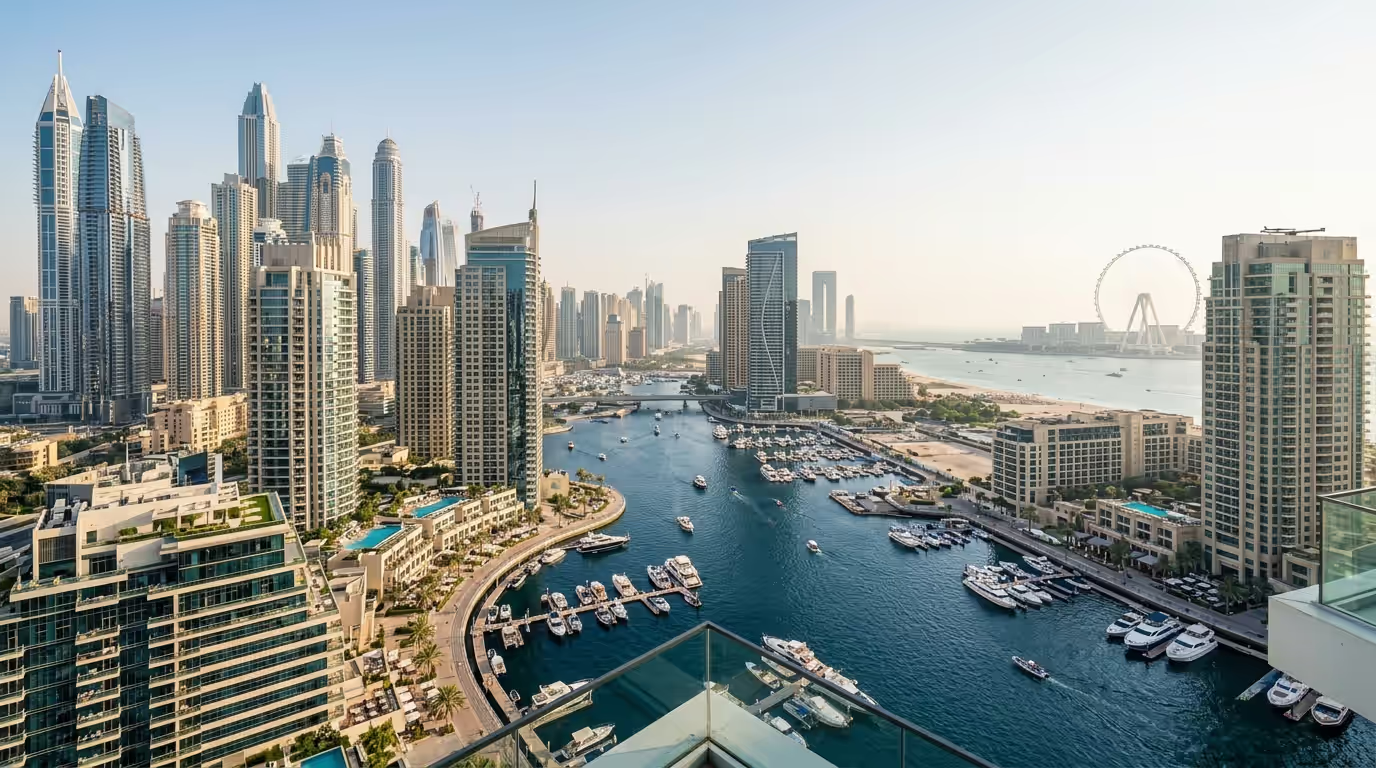
Dubai's property market has long been a point of interest for international investors. With its strategic location, tax-free environment, and luxurious lifestyle, Dubai presents a compelling case for property investment. However, like any investment, it comes with its share of risks and considerations. Here, we will delve into the pros and cons of investing in Dubai property to help you make an informed decision.
The Appeal of Dubai Property Investment
Dubai's property market is known for its dynamic growth and global appeal. The city offers a cosmopolitan lifestyle, modern infrastructure, and a business-friendly environment. One of the key attractions is the absence of property taxes, which can significantly enhance the return on investment for property owners. Additionally, the legal framework supports foreign ownership, making it accessible to international investors.
The city recorded 222,417 property transactions in 2025, indicating a vibrant market with numerous opportunities. However, the decision to invest should be based on more than just market activity.
Economic Stability and Growth
Dubai's economy is diversified beyond oil, with tourism, trade, and finance playing significant roles. This economic stability is a positive factor for property investors as it reduces the risk of market volatility. The government's commitment to infrastructure projects and events like Expo 2020 have further spurred economic growth, benefiting the real estate sector.
However, prospective investors should be mindful of global economic conditions that could impact Dubai's market indirectly. While the city's economy is strong, external factors such as currency fluctuations and international trade tensions can influence property values.
Rental Yields and Returns
One of the main advantages of investing in Dubai property is the potential for attractive rental yields. Depending on the location and type of property, investors can expect decent rental returns, which are often higher than those in more mature markets. Areas such as Barsha Heights (Tecom) and Al Raha are popular among tenants due to their strategic locations and amenities.
Nevertheless, rental yields can vary significantly based on property type, location, and prevailing market conditions. Investors should conduct thorough research or consult with local experts to understand the potential returns for specific properties.
Market Supply and Demand
The supply and demand dynamics in Dubai's property market are crucial factors to consider. With around 73,550 new units expected in 2026, there is a continuous influx of new properties. This can be both an opportunity and a challenge. While new developments offer modern amenities and attractive pricing, they also increase competition, which can affect property values and rental rates.
Investors should analyze the specific areas they are interested in, such as Arabian Ranches 2, to understand the demand trends. Established communities with a track record of steady demand may offer more stability compared to emerging areas.
Legal and Regulatory Considerations
Dubai has a robust legal framework governing property transactions, which is designed to protect the rights of investors. The Real Estate Regulatory Agency (RERA) oversees the sector, ensuring transparency and compliance with regulations. This is a significant advantage for investors who prioritize legal security.
However, understanding the local legal landscape is essential. Investors should familiarize themselves with the property laws, including ownership rights and transaction processes, to avoid any legal pitfalls.
Lifestyle and Living Standards
For many investors, the lifestyle offered by Dubai is a major draw. The city is known for its luxury shopping, world-class dining, and pristine beaches. It also has a reputation for safety and a multicultural environment, making it an attractive place to live and work.
While the lifestyle is appealing, it's important to consider the cost of living, which can be high in certain areas. Investors planning to reside in their property should weigh these costs against the benefits of living in a vibrant, global city.
Comparison Table: Investing in Dubai Property
| Factor | Pros | Cons |
|---|---|---|
| Economic Stability | Diversified economy, infrastructure development | Susceptible to global economic changes |
| Rental Yields | High potential returns in certain areas | Variable yields depending on location and market conditions |
| Market Supply | New developments offer modern amenities | Increased competition and potential oversupply |
| Legal Framework | Strong regulations and investor protection | Requires understanding of local property laws |
| Lifestyle | Luxury lifestyle, safety, multicultural environment | High cost of living in some areas |
Conclusion: To Invest or Not to Invest
Choosing to invest in Dubai property depends largely on your personal and financial goals. Choose to invest if you value high rental yields, a tax-free environment, and the potential for capital appreciation in a dynamic market. This is particularly appealing if you are willing to navigate market fluctuations and legal intricacies.
Opt not to invest if you are risk-averse or if the high cost of living and potential market volatility outweigh the benefits for you. Consider your long-term strategy and whether Dubai's lifestyle and economic environment align with your investment objectives.
Ultimately, a thorough evaluation of the market, legal considerations, and personal priorities will guide your decision in making a worthwhile investment.