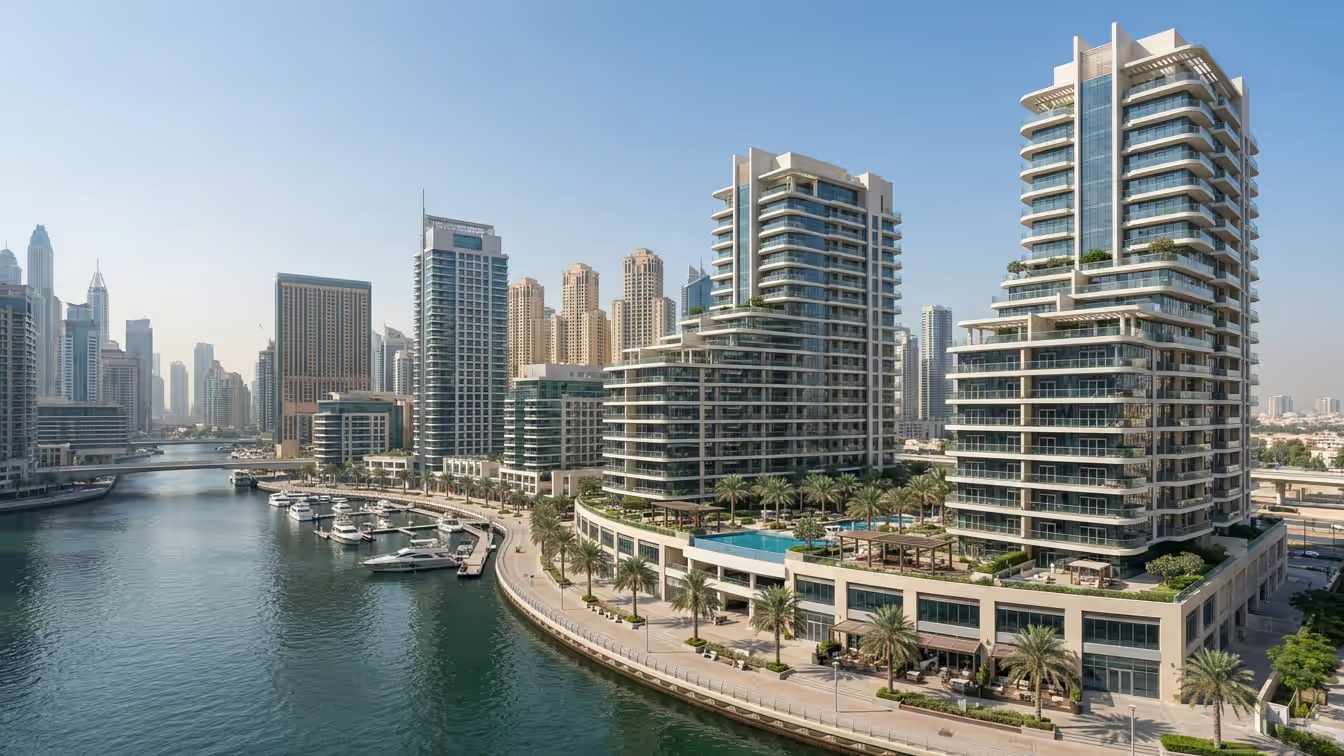
Renting an apartment in Dubai can be both exciting and daunting, given the diverse range of options available. Whether you're a first-time renter or relocating within the city, understanding the nuances of the apartment rental market is crucial to making an informed decision.
Understanding Apartment Layouts and Sizes
Dubai offers a wide variety of apartment layouts and sizes, catering to different lifestyle needs. Studio apartments are popular among singles and young professionals. They typically feature an open layout with a combined living and sleeping area and a small kitchenette. For those seeking more space, one-bedroom apartments provide a separate bedroom and living area, making them suitable for couples or small families.
For larger families, two-bedroom and three-bedroom apartments offer more expansive living spaces and often come with additional amenities like a maid's room or a study. These units are perfect for accommodating guests or for families who need extra space. The choice between these options often depends on budget, location preferences, and family size.
Popular Areas for Renting Apartments
Dubai's real estate market is vast, with several neighborhoods offering unique benefits. Bur Dubai is a historic area known for its cultural appeal and proximity to the city center. Apartments here often reflect traditional architecture and are close to essential services and entertainment options.
Al Sufouh Dubai is another sought-after area, particularly for those looking for a quieter environment without being too far from the city's bustling life. It offers a mix of modern high-rise apartments and more traditional low-rise buildings, catering to various tastes and budgets.
Al Raha is known for its waterfront properties and luxurious living standards. Renting an apartment here might offer more scenic views and upscale amenities, making it ideal for those who appreciate a blend of comfort and elegance.
Rental Prices and Market Dynamics
Rental prices in Dubai are influenced by several factors, including location, building amenities, and apartment size. Generally, upscale areas like Downtown Dubai or the Marina command higher rents due to their prime locations and luxury offerings. In contrast, districts like Bur Dubai might offer slightly more competitive rates, balancing proximity to the city with affordability.
With approximately 70,500 new units expected in 2026, the influx of new properties might influence rental prices, potentially stabilizing them or even offering more competitive rates in some areas. This development is crucial for renters to consider, as it might present opportunities for better deals.
Buildings and Sub-Communities
Different buildings and sub-communities in Dubai offer varied living experiences. High-rise towers in areas like the Marina provide stunning views and modern amenities, such as gyms, swimming pools, and concierge services. These are ideal for professionals who enjoy a cosmopolitan lifestyle.
In contrast, low-rise buildings and gated communities in areas like Al Raha offer a more family-friendly environment, often featuring community parks, playgrounds, and family-oriented facilities. These are well-suited for renters with children or those who prefer a quieter, community-focused lifestyle.
Trade-offs and Considerations
When choosing an apartment, it's essential to weigh the trade-offs. Proximity to work or schools might require a higher budget if you're looking at central areas. Alternatively, choosing a location further from the city center might offer more space and better amenities at a lower cost.
Consider transportation options; areas well-serviced by public transport can offer significant savings on commute expenses. Additionally, understanding the community vibe is crucial—some areas are more vibrant and lively, while others offer tranquility and serenity.
Practical Tips for Renting
- Start your search early: The rental market can be competitive, so it's wise to start looking several weeks before your intended move date.
- Budget wisely: Apart from monthly rent, consider additional costs like the 4% DLD transfer fee, security deposits, and potential service charges.
- Inspect thoroughly: Visit potential apartments to inspect their condition, amenities, and security features.
- Understand the lease terms: Ensure clarity on lease terms, renewal conditions, and any clauses regarding maintenance and repairs.
- Negotiate: Don't hesitate to negotiate the rent or terms, especially if you're prepared to sign a longer lease.
Conclusion
Renting an apartment in Dubai requires careful planning and consideration of various factors, from location and layout to budget and lifestyle preferences. By understanding the market dynamics and prioritizing your needs, you can find a rental property that meets your expectations and complements your lifestyle.