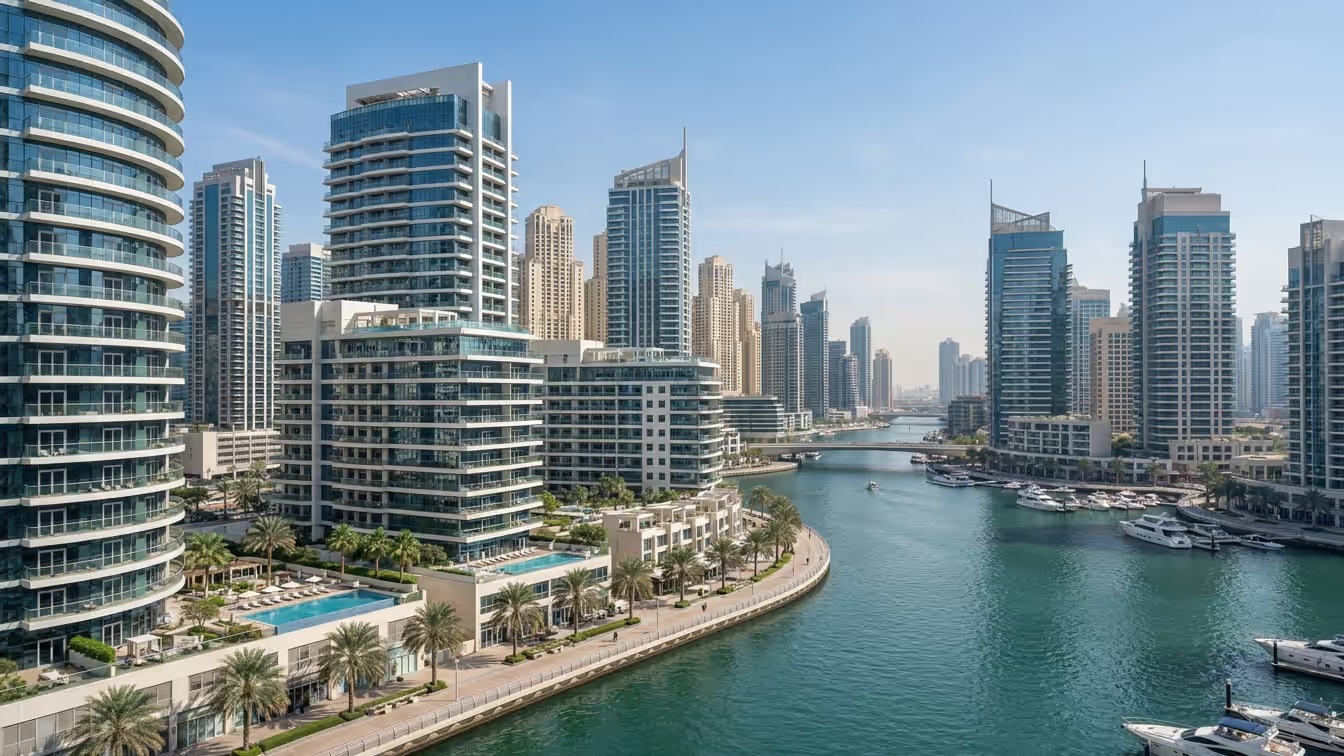
Dubai's vibrant property market is renowned for offering promising rental returns, attracting investors globally. With its strategic location, burgeoning economy, and high-quality lifestyle offerings, Dubai presents a lucrative investment landscape. This guide explores the dynamics of rental returns across popular Dubai communities, helping investors make informed decisions.
Understanding Dubai's Rental Market
Dubai's rental market is characterized by its diversity and dynamism. The city offers a wide range of properties, from luxury villas and townhouses to high-rise apartments. This diversity caters to both expatriates and locals, making it a popular choice for property investment. Rental returns in Dubai are influenced by several factors, including location, property type, and market demand. Investors often choose areas based on their potential for high occupancy rates and steady rental income. Notably, areas with proximity to business districts, schools, and leisure facilities tend to yield better returns.
Key Areas for Rental Investment
Several communities in Dubai stand out for their rental yield potential. Al Raha is one such area, offering a mix of residential options that appeal to families and professionals alike. With its proximity to business hubs and leisure facilities, Al Raha provides a balanced lifestyle, making it an attractive choice for tenants. Similarly, Al Sufouh Dubai is known for its strategic location near the coastline and key business areas, attracting a steady stream of renters. Bur Dubai, with its rich cultural heritage and convenient location, also remains a favored choice for long-term investments. Each of these areas has unique characteristics that contribute to their appeal as rental hotspots.
Property Types and Their Appeal
The type of property significantly affects rental returns. In Dubai, apartments generally offer higher yields compared to villas due to lower purchase prices and higher demand from young professionals and small families. High-rise apartments with modern amenities are particularly popular in areas like Al Sufouh, where tenants seek a blend of luxury and convenience. In contrast, villas, while having a higher purchase price, attract families preferring more space and privacy, often found in communities like Al Raha. Understanding the target tenant demographic is crucial for selecting the right property type to maximize rental income.
Trends in Rental Prices and Demand
Rental prices in Dubai are subject to market fluctuations, influenced by supply and demand dynamics. The anticipated addition of around 70,500 new units in 2026 is expected to affect rental prices, particularly in areas with high construction activity. Historically, prime locations with limited new developments, such as Bur Dubai, tend to maintain stable rental prices due to sustained demand. Conversely, areas experiencing rapid development may see temporary softening of rents as the market adjusts to increased supply. Investors should monitor these trends and adapt their strategies accordingly to optimize returns.
Accessibility and Transportation
Dubai's well-developed infrastructure significantly enhances the appeal of its rental properties. The city's metro network, extensive road systems, and proximity to international airports ensure convenient access across the city. Areas like Al Sufouh benefit from direct metro connectivity, making them attractive to professionals working in business districts. Meanwhile, Bur Dubai's central location offers easy access to key tourist and commercial areas, boosting its rental appeal. Efficient transportation not only attracts tenants but also enhances the long-term value of investments in these communities.
Amenities and Lifestyle Offerings
Dubai is renowned for its world-class amenities and lifestyle offerings, which play a crucial role in attracting tenants. Communities like Al Raha and Al Sufouh boast a variety of amenities, from shopping malls and fine dining to schools and healthcare facilities. These features enhance the quality of life for residents, making these areas desirable for both short-term and long-term renters. Investors should consider properties with access to such amenities to ensure consistent demand and higher rental yields.
Potential Drawbacks to Consider
While Dubai offers promising rental returns, investors should be mindful of potential challenges. Market fluctuations, regulatory changes, and the economic impact of global events can influence rental demand and prices. Additionally, areas experiencing rapid development might face temporary oversupply, affecting rental yields. It's important for investors to conduct thorough market research and seek professional advice to navigate these challenges effectively. Understanding the nuances of different communities and staying informed about market trends can mitigate risks and enhance investment outcomes.
Making the Right Investment Decision
Investing in Dubai's rental market requires careful consideration of various factors. Prospective investors should evaluate the potential of different communities, considering factors such as location, property type, and amenities. It's also essential to stay updated on market trends and be prepared to adapt strategies as needed. By aligning investment goals with market opportunities, investors can maximize rental returns and achieve long-term success in Dubai's dynamic property market.
| Community | Key Features | Rental Appeal |
|---|---|---|
| Al Raha | Family-friendly, close to business hubs | High for families |
| Al Sufouh | Coastal, near business areas, modern amenities | High for professionals |
| Bur Dubai | Cultural heritage, central location | High for diverse tenants |
This comprehensive guide outlines the critical factors influencing rental returns in Dubai, providing valuable insights for prospective investors. By focusing on strategic locations and understanding market dynamics, investors can make informed decisions that align with their financial goals.