UAE water strategy: $2bn platform and what it means
UAE water strategy highlights a $2bn national platform launched on World Water Day to accelerate desalination, reuse and global water security partnerships.
The $2bn platform (about AED 7.35bn) announced on World Water Day packages public funding, project pipelines and an innovation push to reduce water-supply risk domestically and support international cooperation. The announcement foregrounds major projects and research funding rather than small operational tweaks, signalling a strategic move from short-term fixes to long-term system resilience.
For developers and investors the platform matters because it changes the risk profile of water supply and the likely path for tariffs and infrastructure charges. That in turn affects development budgets, running costs and valuation assumptions across the property sector in the UAE.
What does the UAE $2bn water platform deliver?
What does the UAE $2bn water platform deliver? Key Data
Platform size
AED 7.35bn
Funding
$2bn
Launch
World Water Day
Scope
national and global partnerships
The UAE $2bn water platform delivers a pooled funding and governance structure meant to accelerate major water projects, innovation and international collaboration to strengthen supply security. The platform size is $2bn, roughly AED 7.35bn, and it was highlighted publicly on World Water Day as a national priority.
The AED 7.35bn pool is intended to underwrite project pipelines and coordinate public and private activity, reducing duplication and raising the pace of delivery. By centralising funding and project selection the UAE aims to deploy capital into larger-scale infrastructure projects and technological innovation that address scarcity and resilience rather than ad hoc fixes. The emphasis on coordination also opens avenues for international partnerships and exportable technology, which the UAE positions as part of its global water-security role.
Risk and execution remain the key caveats: delivering large water projects requires multi-year procurement, regulatory clarity and strong cost controls. The platform reduces headline supply risk but cannot eliminate project delays or cost overruns, and developers should expect transitional policy measures that adjust who pays for new capacity and how costs are recovered in the medium term.
How will the UAE water strategy affect development costs and running yields?
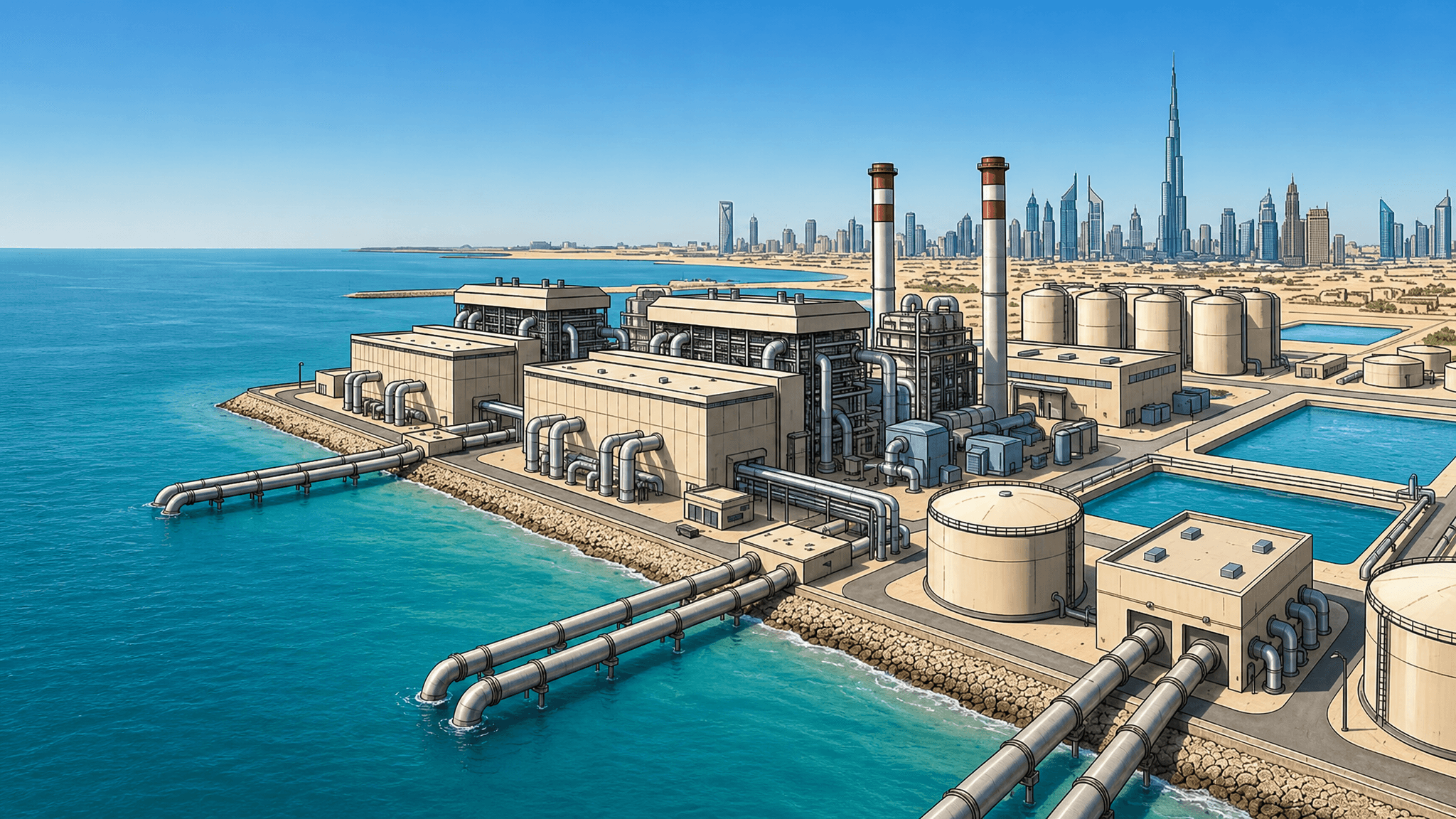
The UAE water strategy will influence development costs and running yields by shifting capital toward centralised infrastructure and by clarifying how water-related costs are allocated between governments, developers and end users. The central platform is $2bn (about AED 7.35bn) and acts as the primary funding signal for pipeline projects.
In practical terms the AED 7.35bn platform can lower developers' need to self-fund large network upgrades, while creating clearer mechanisms for cost pass-through to service charges or tariffs. That changes the economics of projects: some upfront capex obligations could move off developers' balance sheets, improving gross yields on new schemes, but running-cost exposure could rise if tariffs or municipal levies are adjusted to reflect new infrastructure costs. Investors should model scenarios where operating expenses increase modestly while headline supply risk and vacancy volatility decline.
The net effect on yields depends on regulation and the timing of cost recovery. If regulators allow transparent, staged cost recovery, projects may see stable long-term yields; if recovery falls on occupiers through higher service charges, net yields for landlords and long-term investors could be affected until markets price the change.
| Impact area | Short-term effect | Long-term effect |
|---|---|---|
| Developers' capex | Reduced need to self-fund major upgrades | Lower upfront capital burden if platform financing used |
| Running costs | Potential rise in service charges or tariffs | More predictable cost pass-through and lower volatility |
| Investment signals | Increased clarity from central funding | Easier underwriting for longer-horizon investors |
"The AED 7.35bn platform is a structural signal that water resilience will be funded at scale, shifting some capital needs off individual projects and toward system-wide delivery."
, Binayah Research Team
What policy and investor actions should you watch under the UAE water strategy?
What policy and investor actions should you watch under the UAE water strategy? Key Data
Platform fund
AED 7.35bn
Priority
procurement, tariffs, innovation
Investors should watch procurement windows, tariff frameworks and innovation funding as the UAE water strategy is implemented; these determine who bears costs and who captures value. The platform is $2bn (about AED 7.35bn) and will influence the timing and scale of public tenders and private partnerships.
Key actions to monitor include public-private partnership (PPP) tenders that flow from the platform, any regulatory updates on water tariff pass-through, and announcements of targeted innovation funds or pilot projects. Where the government co-invests, private partners may gain preferred access to long-term contracts, but they may also accept structured revenue models that limit upside in exchange for lower capital contributions. Clear procurement timelines and contract terms will be the decisive signals for institutional investors assessing project returns.
Investors should also be alert to sector-specific regulatory guidance that clarifies municipal responsibilities, developer obligations and operator roles. Absent clear rules on cost allocation and recovery, short-term uncertainty may increase; with clear rules, investors can model stable cashflow scenarios tied to infrastructure delivery milestones.
Key Insight
Monitor PPP tender calendars and tariff guidance closely. A clear procurement timetable reduces execution risk and allows investors to underwrite returns more confidently. If tariff recovery is phased, model both accelerated and deferred recovery scenarios to see downside impacts.
- Track PPP and procurement announcements tied to the AED 7.35bn platform
- Watch for regulatory guidance on tariff pass-through and municipal charges
- Seek assets with confirmed infrastructure supply assurances
How does the UAE water strategy affect the Dubai property market?
How does the UAE water strategy affect the Dubai property market? Key Data
Platform
AED 7.35bn
Market effect
reduced supply risk
Cost implication
potential service-charge adjustments
Investor focus
model operating-cost scenarios
The UAE water strategy reduces long-term supply risk for Dubai properties while creating potential short- to medium-term shifts in operating costs and service-charge profiles. The headline funding is $2bn, roughly AED 7.35bn, which signals a national commitment to resilience that benefits urban property stability.
For Dubai the immediate benefit is a lower probability of acute supply disruptions, which supports occupancy and rental stability across residential and commercial segments. However, the way costs are recovered matters: if new infrastructure investment is recovered through higher building-level service charges or municipal levies, some operating costs for landlords and tenants may rise. Investors should therefore test valuations under scenarios where service charges increase modestly and where cost recovery is managed centrally versus passed to occupiers.
Timing and regulatory clarity are the main uncertainties for the Dubai market. The AED 7.35bn platform is a positive structural signal, but its effect on prices and yields will be gradual and dependent on procurement pace, tariff decisions and how developers and owners contract for water services.
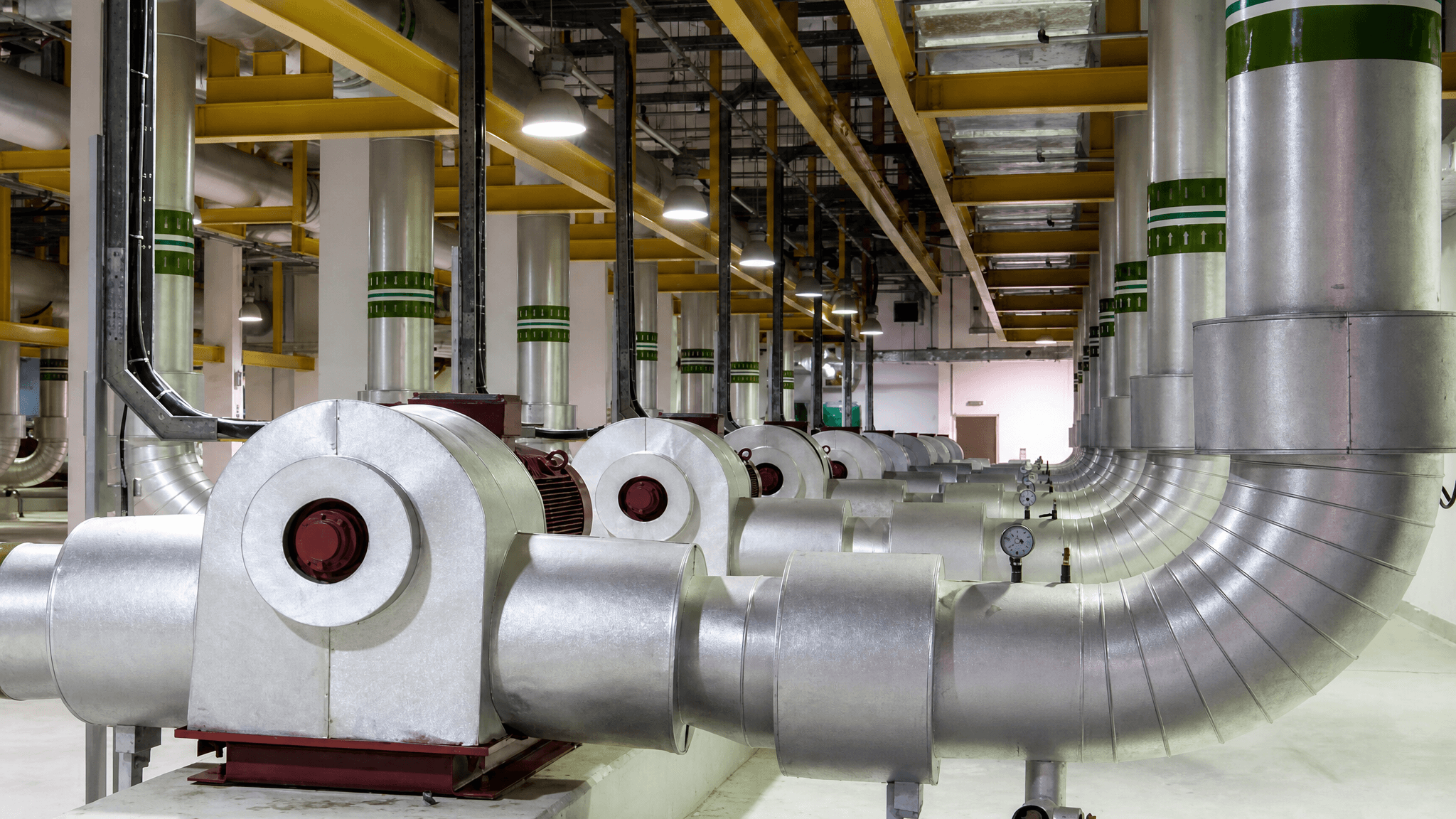
The UAE has signalled a major shift with a $2bn (about AED 7.35bn) platform and programme that prioritises system-level delivery and innovation. That funding reduces supply risk for the property market while changing how costs and yields should be modelled, making procurement timelines and tariff rules the decisive variables for investors and developers.
Binayah Editorial
Analyste du marché immobilier
Notre équipe éditoriale étudie le marché immobilier de Dubai, en suivant les données du DLD, les lancements de promoteurs et les tendances d'investissement pour tenir les acheteurs et investisseurs informés.
Prêt à investir à Dubaï ?
Discutez avec nos analystes des meilleures opportunités sur le marché actuel, consultation gratuite.