UAE supply chains: Al Mazrouei on market stability
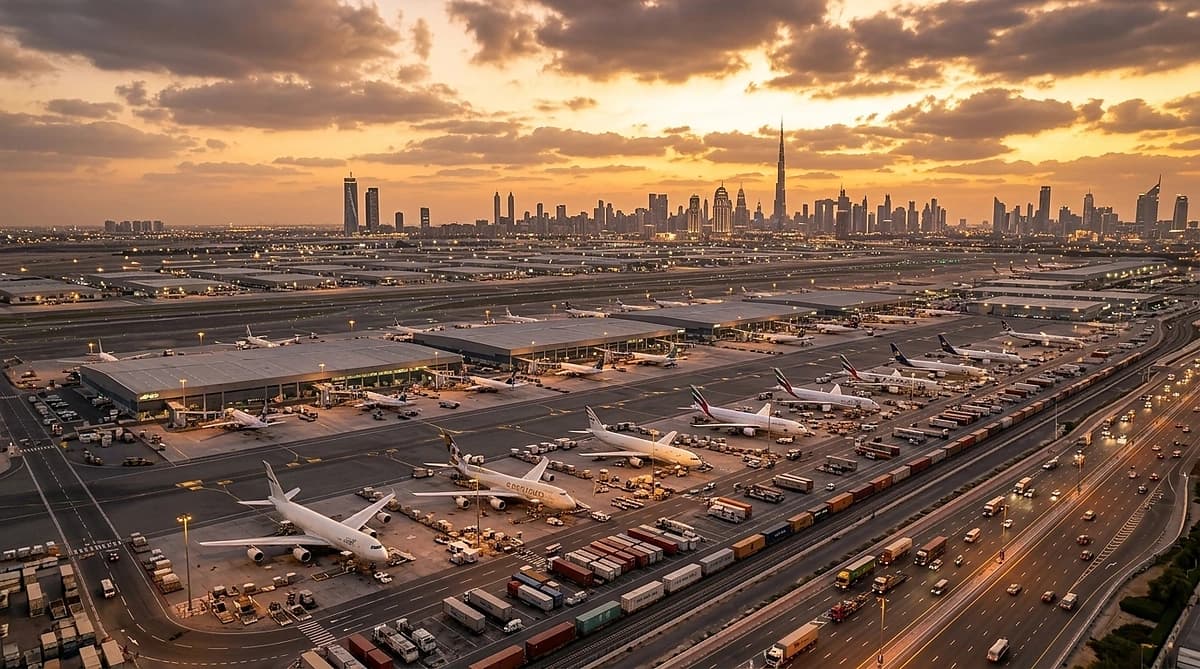
UAE supply chains are operating efficiently under a national framework, Al Mazrouei said, keeping freight moving across Dubai ports and national hubs.
The UAE government describes an integrated national framework designed to ensure continuity, regulate freight movement and enhance logistics efficiency in line with strategic needs. Al Mazrouei framed that system as the backbone of market stability, saying coordinated ports, customs and transport reduce the chance of sudden supply interruptions for construction and retail sectors.
This report examines what Al Mazrouei's statement means for Dubai real estate, how logistics efficiency cushions market risk, what investors and developers should expect, and which practical risks remain despite the framework.
What does the UAE supply chains framework mean for Dubai real estate?
What does the UAE supply chains framework mean for Dubai real estate? Key Data
Framework
Integrated national
Primary aim
Continuity of freight
Market effect
Reduced supply shocks
Developer impact
Fewer unexpected delays
The UAE supply chains framework provides continuity in freight and materials movement, which reduces abrupt supply shocks for Dubai real estate, Al Mazrouei said.
By coordinating ports, customs processes and national transport corridors, the framework aims to keep building materials and consumer goods flowing to construction sites and retail hubs. For developers this lowers the likelihood of unexpected procurement delays; for property owners and occupiers it means fewer project postponements and steadier input costs that otherwise ripple into construction timelines and delivery schedules.
That stability does not remove all uncertainty: localised bottlenecks, labour availability and global shipping disruptions can still create spikes in lead times. Investors should treat the framework as a stabilising force rather than a guarantee, and monitor developer delivery updates and logistics reports to assess execution risk on specific projects.

How do UAE supply chains and logistics efficiency cushion market risk?
Efficient logistics cushion market risk by shortening lead times and easing pressure on project schedules, according to Al Mazrouei's description of the national framework.
The framework combines regulated freight movement, prioritised clearance procedures and coordinated transport corridors to lessen the chance that a single disruption cascades through the property sector. For Dubai real estate this means fewer abrupt halts in materials flow, which helps developers meet handover dates and helps landlords avoid gaps caused by delayed completions. The net effect is greater predictability in supply-side inputs, which supports steadier construction pacing and reduces short-term shocks to rents and sales velocity.
It is important to note that logistics efficiency mitigates market risk without eliminating it. External shocks on global shipping routes, sudden spikes in international demand, or regional tensions can still test the system, so market participants should track operational indicators such as port throughput and clearance times.
| Framework element | Primary purpose | Expected effect on real estate |
|---|---|---|
| Integrated freight framework | Coordinate ports, customs and land transport | Continuity of material supply and fewer project delays |
| Prioritised clearance | Faster customs processing for strategic goods | Reduced lead times for construction inputs |
| Transport corridor coordination | Smoother inter-emirate movement | Improved reliability for regional projects |
"An integrated logistics approach reduces systemic exposure from isolated disruptions and increases predictability for property delivery timelines."
, Binayah Research Team
What are the implications for investors and developers from Al Mazrouei's framework?
What are the implications for investors and developers from Al Mazrouei's framework? Key Data
Investor outcome
Greater predictability
Developer outcome
Lower delivery risk
Underwriting
Improved reliability
Limitations
Demand-side exposure remains
Investors and developers gain improved predictability on supply-side execution and delivery timing as a direct implication of the national framework described by Al Mazrouei.
For developers the framework reduces the probability of material shortages that force schedule extensions, which in turn lowers the risk of cost escalation tied to prolonged projects. For investors the main benefit is reduced volatility in project completion timing and fewer unplanned delays that can depress short-term yields. Predictable deliveries make underwriting more reliable, because acquisition or rental assumptions face fewer sudden supply interruptions.
That improved predictability favors longer-term investment strategies and underwriting based on fundamentals rather than short-term arbitrage. However, returns continue to depend on demand-side factors, such as tenant take-up and tourism volumes, so investors should pair logistics analysis with market-demand indicators before changing portfolio allocations.
- Improved schedule certainty supports more accurate cashflow models
- Reduced supply shocks lower the chance of sudden cost overruns
- Off-plan delivery risk is mitigated but not eliminated
- Investors should combine logistics metrics with demand indicators
What practical risks to Dubai real estate remain despite the UAE supply chains framework?
What practical risks to Dubai real estate remain despite the UAE supply chains framework? Key Data
External risk
Global shipping shocks
Local risk
Labour and last-mile constraints
Operational risk
Supplier shortages
Recommendation
Monitor logistics indicators
Practical risks remain, including global shipping shocks, regional disruptions and local labour constraints that can still affect Dubai real estate despite the framework.
Even with an integrated national system, the UAE is exposed to international logistics volatility such as port congestion on major trade lanes, sudden freight-cost shifts and supplier-side shortages. Those external pressures can produce intermittent price spikes for construction inputs and temporary hold-ups in delivery schedules. Additionally, labour availability and last-mile distribution bottlenecks inside emirates can create localized delays that affect individual projects even when national systems operate smoothly.
Investors and developers should treat the framework as a resilience mechanism rather than a complete fix. Close monitoring of shipping conditions, supplier contracts and developer supply-chain contingency plans remains essential to managing execution risk on individual assets.
Key Insight
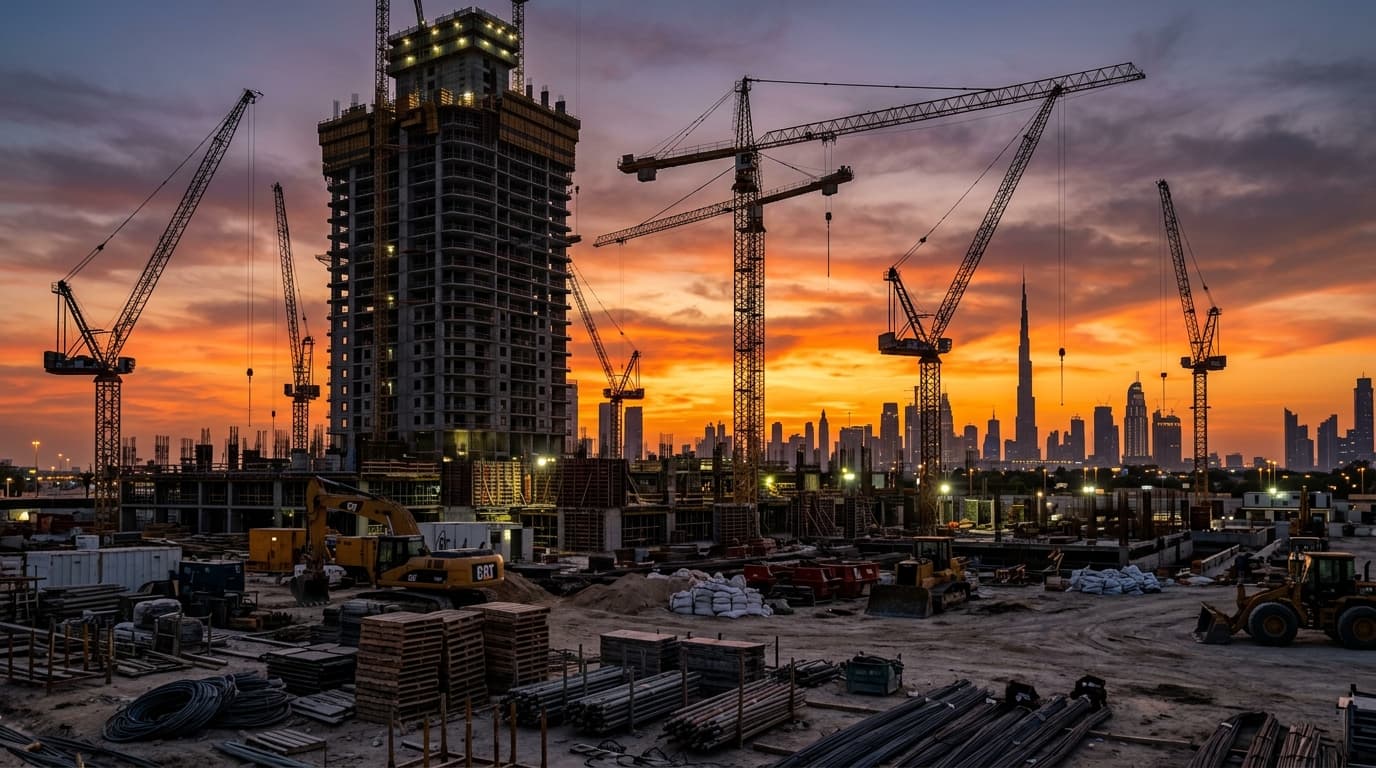
Investors should monitor port throughput, supplier lead times and developer contingency plans. Use logistics indicators as part of underwriting to spot project-level execution risk before it affects returns.
Al Mazrouei's account of an integrated national framework indicates that UAE supply chains currently function to preserve freight continuity and support market stability for Dubai real estate. That system reduces the frequency of supply shocks and improves predictability for developers and investors, but external shipping disruptions and local operational constraints still pose practical risks that require ongoing monitoring.
Binayah Editorial
Analyste du marché immobilier
Notre équipe éditoriale étudie le marché immobilier de Dubai, en suivant les données du DLD, les lancements de promoteurs et les tendances d'investissement pour tenir les acheteurs et investisseurs informés.
Prêt à investir à Dubaï ?
Discutez avec nos analystes des meilleures opportunités sur le marché actuel, consultation gratuite.