UAE delivery sector resilience: How kitchens stay operational
UAE delivery sector adapts to regional conflict with supply diversification and menu flexibility to keep kitchens operational and customers served.
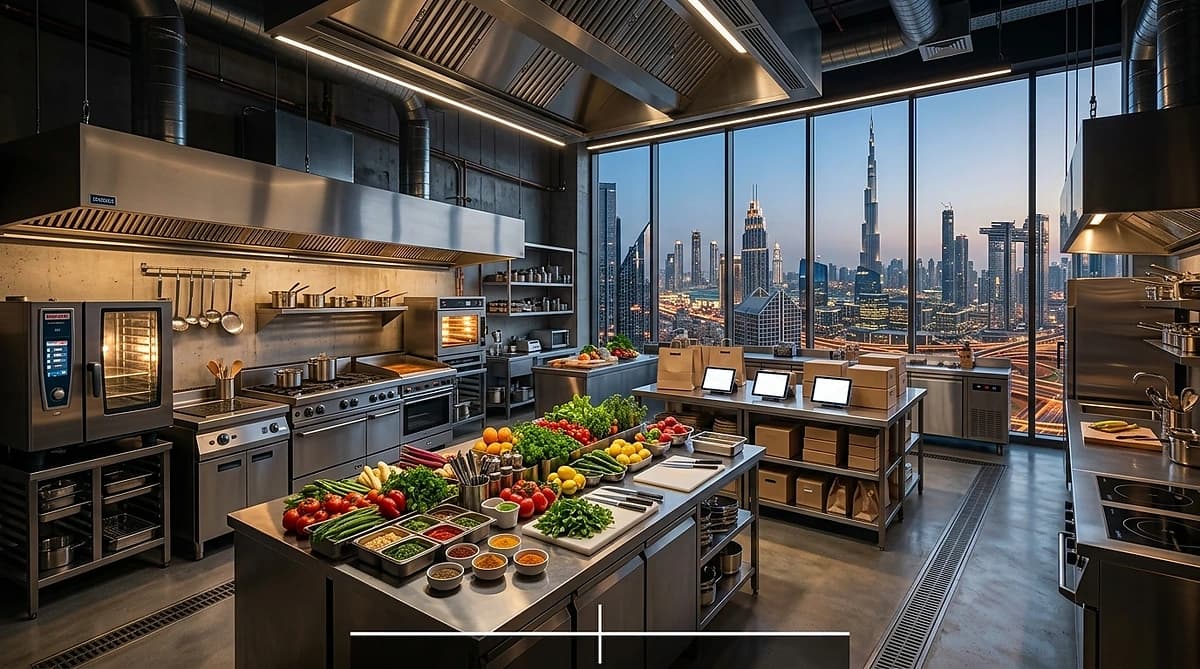
Geopolitical uncertainty across the region is placing clear pressure on the UAE delivery sector, but operators and cloud kitchens are responding with practical measures rather than pauses. Restaurant groups are diversifying suppliers, increasing safety stock on key SKUs, and simplifying menus to reduce preparation time and ingredient dependency. These steps aim to protect service levels while delivery demand grows and consumers favour at-home dining.
The net effect for managers and investors is a shift toward operational resilience. Teams are investing in inventory systems, cross-training staff, and flexible menus that can be produced with multiple ingredient combinations. This strategy preserves revenue and keeps delivery platforms active even when specific supply lines are disrupted, confirming the UAE delivery sector is prioritising stability over short-term expansion.
Why is the UAE delivery sector under pressure?
Why is the UAE delivery sector under pressure? Key Data
Main pressure
Geopolitical uncertainty
Demand trend
Rising home delivery
Common response
Supplier diversification
Operational focus
Inventory resilience
The UAE delivery sector is under pressure because regional geopolitical uncertainty disrupts cross-border supply chains and increases sourcing risk for perishable ingredients.
Operators in the UAE face volatile shipping windows, sudden vendor restrictions, and higher freight scrutiny, which together lengthen lead times and reduce supplier reliability. As a result, restaurant groups and cloud kitchens are moving from single-source purchasing to multiple suppliers for staples such as proteins, packaging and condiments. That shift reduces the chance of a complete stockout but requires stronger procurement coordination and slightly higher working capital to hold safety stock.
The key risk is cost creep: diversified sourcing and larger inventories protect operations but raise short-term expenditure and complicate forecasting. Managers must balance resilience against margin pressure while monitoring demand. The UAE delivery sector’s response so far shows a preference for measured inventory increases and supplier redundancy to sustain service rather than risk downtime.
How is consumer behaviour changing in the UAE?
Consumers in the UAE are ordering delivery more frequently and choosing convenience-oriented formats such as bundled meals and ready-to-heat options.
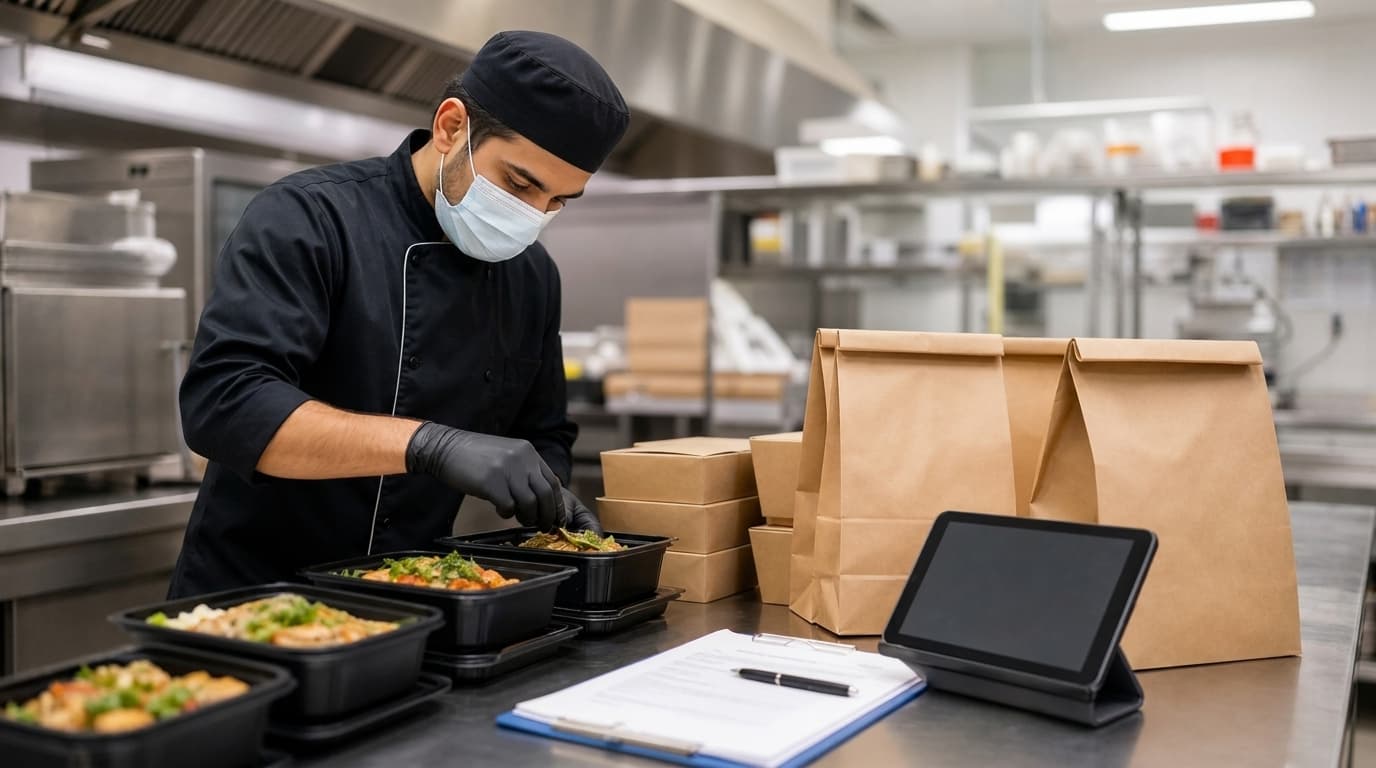
Shifts include shorter ordering windows, higher expectations for delivery reliability, and a stronger preference for value and convenience. Many customers are also ordering larger family meals and grocery-style bundles rather than single-plate items, a pattern that benefits cloud kitchens with modular menus. Operators report that menu items which can be prepared ahead and finished quickly for delivery reduce both waste and delivery times, helping preserve margins while meeting demand for at-home dining.
For businesses the implication is clear: adapt menus and packaging for delivery-first consumption. Companies that invest in streamlined packaging, temperature control and batch preparation reduce per-order cost and increase throughput. These changes also lengthen the viable delivery radius for kitchens and improve customer satisfaction across the UAE delivery sector.
| Consumer behaviour | Operational impact | Operator action |
|---|---|---|
| Larger family orders | Higher average ticket, bulk prep | Offer bundled meal deals |
| Demand for reliability | Pressure on delivery times | Improve batching and packaging |
| Preference for convenience | Favour ready-to-heat items | Adjust menu for reheatable options |
"Operators that prioritise menu items which can be produced in batches and held safely for short periods see fewer cancellations and steadier delivery times."
, Binayah Research Team
What operational strategies are keeping kitchens running?
What operational strategies are keeping kitchens running? Key Data
Strategy
Supplier diversification
Tactic
Increased safety stock
Menu change
Modular recipes
Benefit
Reduced cancellations
Cloud kitchens and restaurants are keeping operations running by diversifying suppliers, tightening inventory controls and simplifying menus to reduce ingredient dependency.
Practical measures visible across the UAE delivery sector include identifying secondary suppliers for key SKUs, increasing buffer stock for critical items, and standardising recipes so ingredients are interchangeable when needed. Many operators are also shifting to modular menus that allow cooks to combine a smaller set of versatile ingredients into different dishes. These strategies reduce the operational impact of a single supplier disruption and shorten recovery time when channels reopen.
The trade-off is higher short-term operating cost and logistical complexity. Holding more inventory ties up cash and requires better storage and forecasting, while menu simplification can temporarily limit upsell opportunities. Successful operators balance these costs with improved delivery reliability and reduced cancellation rates, protecting revenue streams in volatile periods.
Key Insight
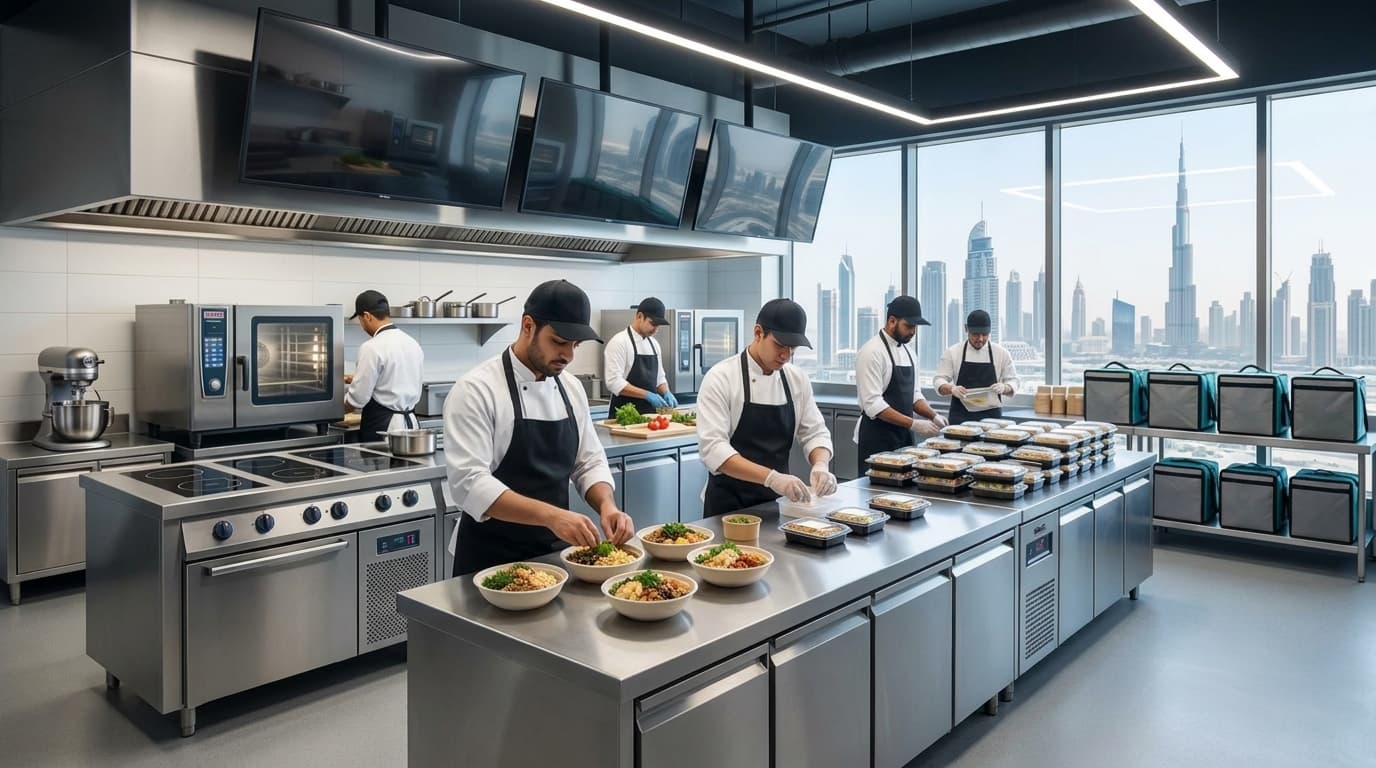
Invest in simple, repeatable recipes and cross-trained staff to shorten recovery time. This reduces reliance on any single ingredient and keeps delivery throughput stable when supply lines are stressed.
- Establish at least two suppliers per critical SKU
- Increase safety stock for non-perishables and packaging
- Design menus for ingredient interchangeability
What does this mean for investors and operators in the UAE delivery sector?
What does this mean for investors and operators in the UAE delivery sector? Key Data
Investor focus
Operational resilience
Operator priority
Delivery uptime
For investors and operators the immediate implication is that resilience now drives value more than rapid expansion in the UAE delivery sector.
Investors should prioritise businesses that demonstrate operational redundancy, clear procurement strategies, and the ability to pivot menus quickly. Operators that can manage higher working capital for inventory and have flexible kitchen footprints are better positioned to sustain revenue during disruptions. While expansion remains an option, the current environment favours margin protection through dependable delivery performance and controlled cost increases rather than aggressive scaling.
Risk remains around prolonged supply disruptions and rising input costs, which can compress margins for businesses that fail to adapt. The strongest performers will be those that translate supplier diversification and inventory discipline into consistent delivery uptime, preserving customer trust and long-term revenue potential in the UAE delivery sector.

The core finding is that the UAE delivery sector is prioritising operational resilience through supplier diversification, inventory controls and menu flexibility to sustain rising at-home demand. These measures increase short-term cost and complexity but protect delivery uptime and customer trust, which are critical for preserving revenue in a volatile regional environment.
Binayah Editorial
Analyste du marché immobilier
Notre équipe éditoriale étudie le marché immobilier de Dubai, en suivant les données du DLD, les lancements de promoteurs et les tendances d'investissement pour tenir les acheteurs et investisseurs informés.
Prêt à investir à Dubaï ?
Discutez avec nos analystes des meilleures opportunités sur le marché actuel, consultation gratuite.