Etihad Rail stations: first passenger station designs revealed
Etihad Rail stations for the UAE’s first passenger network have their first revealed designs, promising modern transit hubs and regional connectivity improvements.
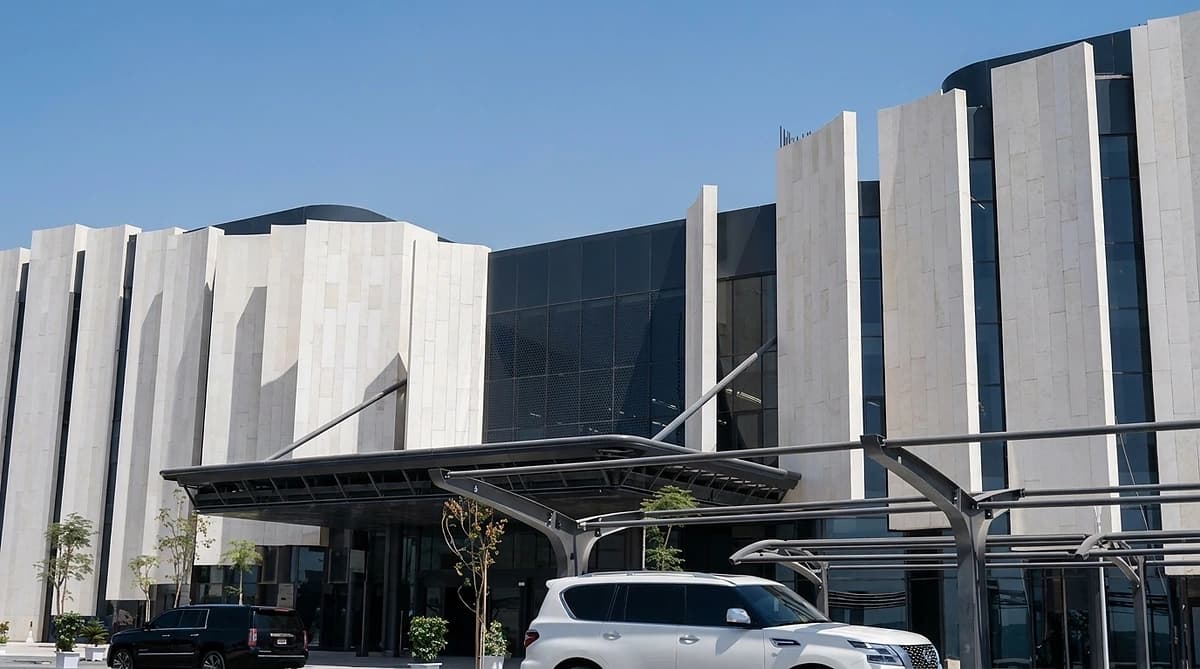
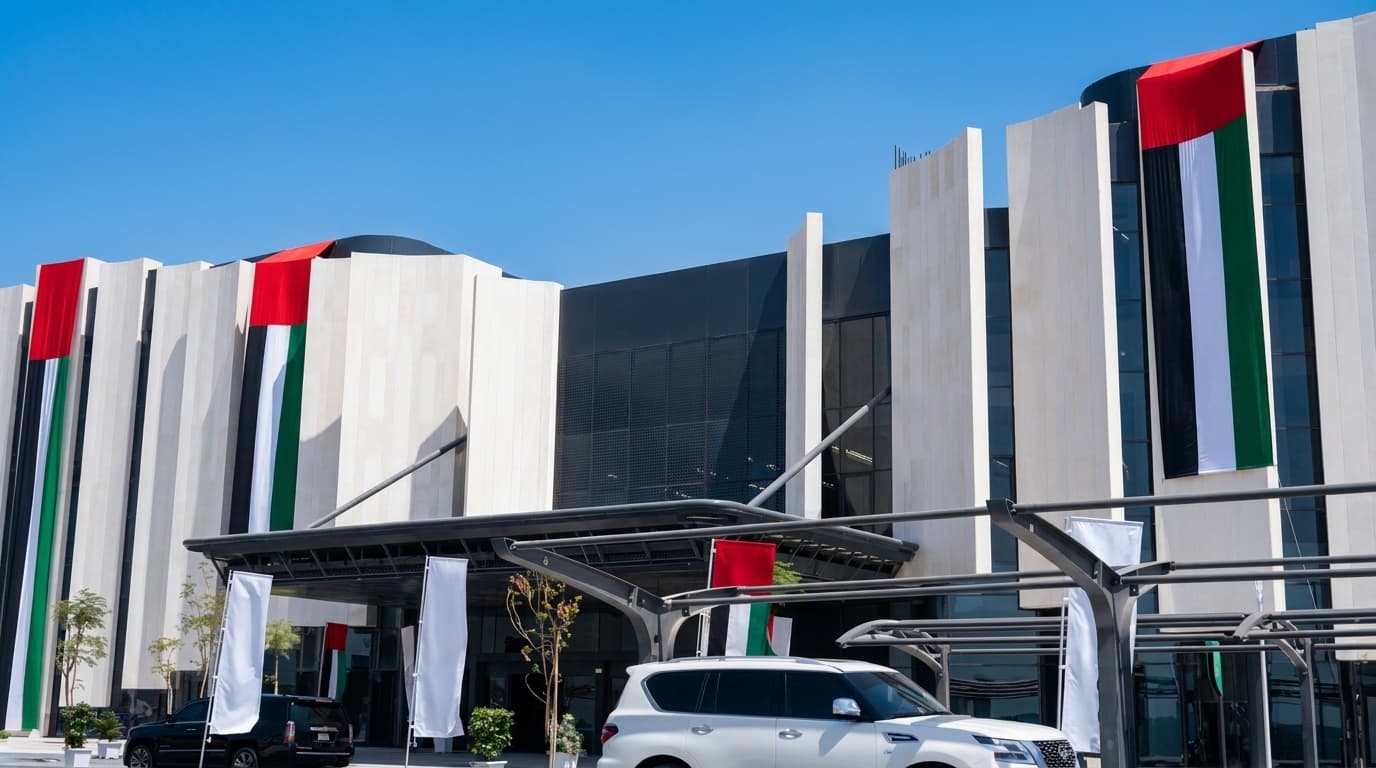
The official preview of Etihad Rail station designs gives a clear visual direction for how the first passenger stops will look and operate across the network. The images highlight generous concourses, glazed façades, covered platforms and vehicular drop-off areas, signalling an emphasis on comfort, climate protection and easy transfers between rail and road.
Those design cues matter to planners, commuters and property owners because they show practical elements such as passenger flow, access points and multimodal interfaces that shape travel patterns and local development around each station.
What will Etihad Rail stations look like?
What will Etihad Rail stations look like? Key Data
Design revealed
First-look passenger station images
Passenger service
Imminent launch indicated
Operator
Etihad Rail
Station style
Modern, climate-responsive hubs
The completed Etihad Rail station will read as a modern, well-zoned transit hub with guarded platforms, large glazed facades, covered pedestrian linkways and clear arrival concourses, judging from the first official design images released for the UAE’s inaugural passenger network.
The images show a consistent architectural language across the revealed stations: low-rise volumes, broad canopies over platforms, abundant glazing to admit daylight and defined forecourts for bus or taxi drops. Interiors appear to prioritise wide circulation space and simple wayfinding rather than ornate finishes, which suggests the operator is balancing passenger comfort with durable, low-maintenance materials. The reveal focuses on the passenger experience rather than decorative detail, pointing to an operational-first design approach.
The practical implication for travellers is straightforward: stations are designed to speed entry, ticketing and boarding in hot climates while protecting passengers from sun and rain. For nearby communities it means clearly demarcated pedestrian routes and forecourts that will become focal points for last-mile pickup and drop-off. The design language also reduces ambiguity for planners deciding where to site feeder services or micro-mobility hubs.
Why do Etihad Rail stations matter for UAE travel and logistics?
Etihad Rail stations matter because they are the physical interface between the national rail spine and everyday travel, improving connections for longer distance trips and organised transfer points for freight and passenger flows.
Well-designed stations change how people and goods move by concentrating transfers in controlled locations with clear access for buses, taxis and private vehicles. The revealed designs show forecourts and platform interfaces that simplify transfers, which reduces roadside congestion and clarifies loading zones for logistics operators. For supply chains, dedicated station access points create predictable delivery and pick-up windows, while for passengers the consolidated hubs reduce uncertainty about where to board and which feeder services to use.
The caveat is that much of the practical benefit depends on integrated timetables, feeder services and station-area traffic management. Without coordinated bus links, parking management and local signage, the stations’ physical advantages will be blunted. Effective integration requires municipal planning and operator coordination so the design gains translate into improved journey times and more reliable logistics handling.
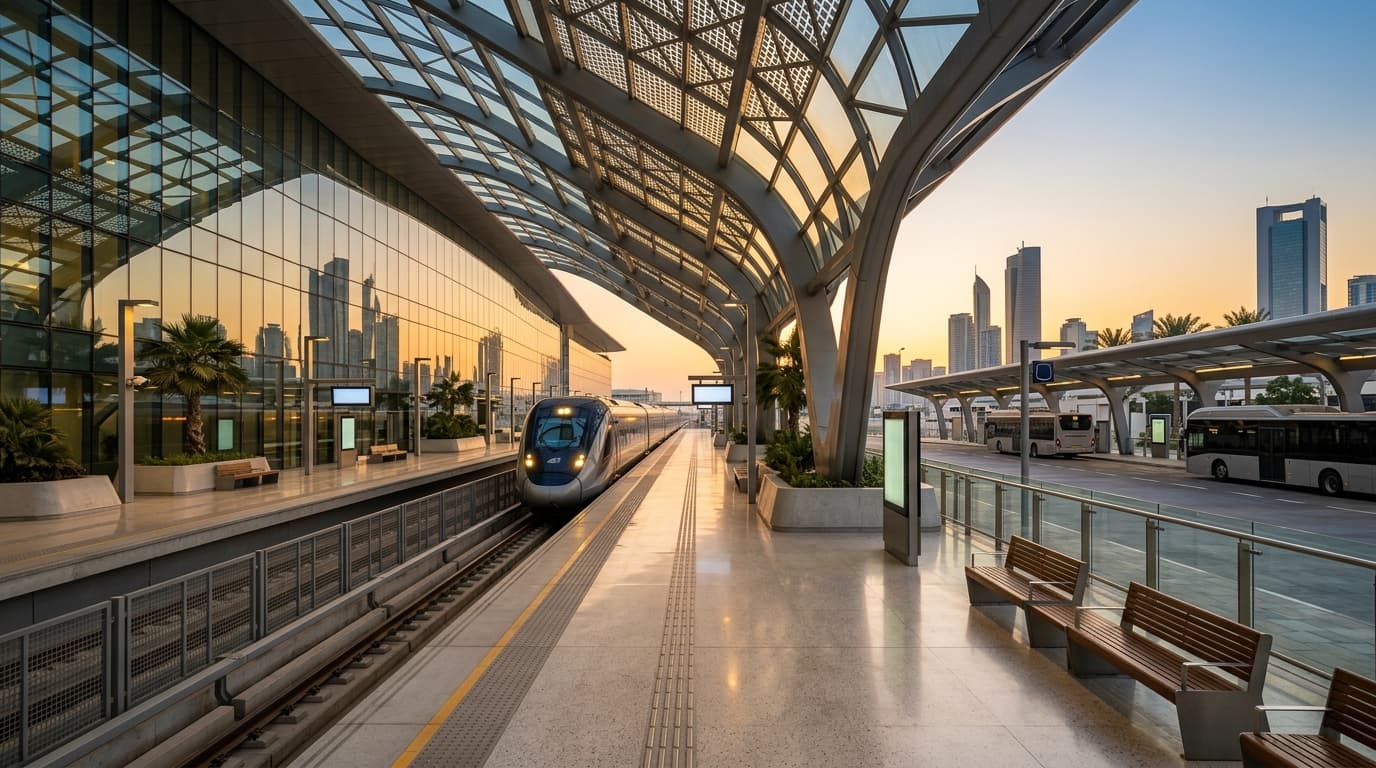
| Feature | Description | Benefit |
|---|---|---|
| Covered platforms | Canopies protecting passengers from sun and rain | Improves comfort and boarding efficiency |
| Forecourt layout | Designated drop-off and pick-up zones | Clarifies traffic flow and reduces roadside stops |
| Integrated concourse | Single circulation space for ticketing and transfers | Speeds passenger movement and wayfinding |
"Etihad Rail’s station designs are a clear signal that passenger rail will prioritise connectivity, comfort and transfer efficiency across the UAE."
, Binayah Research Team
How does this station fit into Etihad Rail’s rollout plan?
This station is presented as part of the initial passenger rollout, acting as a prototype for how stations on the network will be organised and presented to the public.
The visual reveal serves two rollout functions: it communicates a consistent station standard and it sets expectations for operational practices, such as passenger flow, accessible entry points and transfer zones. The images act as an early-stage template that municipal authorities and transport planners can reference when designing linkages like bus routes, parking, and pedestrian access. While the reveal does not substitute for final technical plans, it accelerates stakeholder alignment by showing the intended public-facing outcome of the rollout.
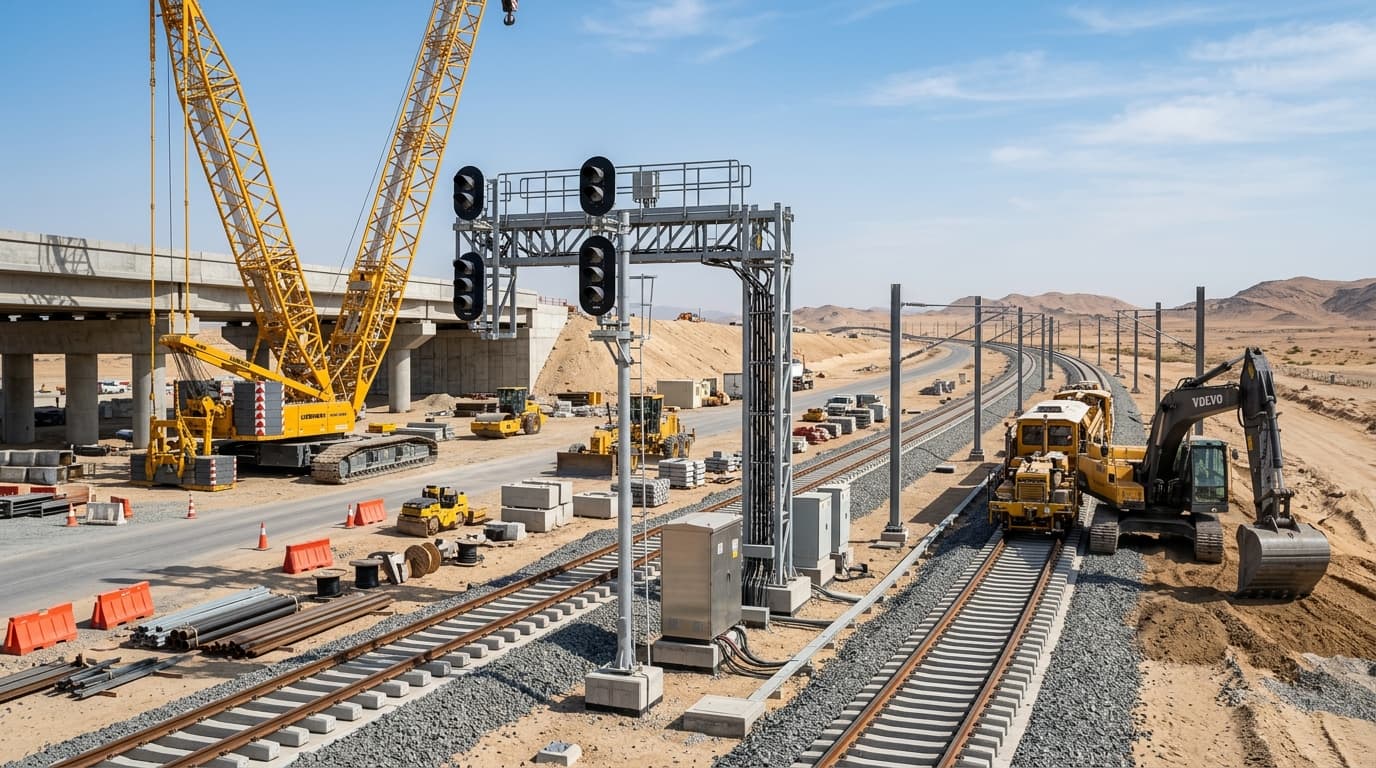
Risks to the rollout timetable include coordination with city authorities for last-mile connections and potential construction sequencing challenges. If stations are built before surrounding access infrastructure is complete, early passenger experience can suffer. Effective rollout therefore depends on matching station completion with feeder services and clear operational plans for opening days.
What should residents and property owners expect from Etihad Rail stations?
What should residents and property owners expect from Etihad Rail stations? Key Data
Commuter benefit
Improved accessibility and transfer options
Construction impact
Temporary local disruption likely
Property impact
Localised increase in activity and demand
Planning note
Requires synced feeder services
Residents and property owners should expect improved accessibility, clearer transport links and a reorientation of local activity toward station forecourts and pedestrian corridors once Etihad Rail passenger services open.
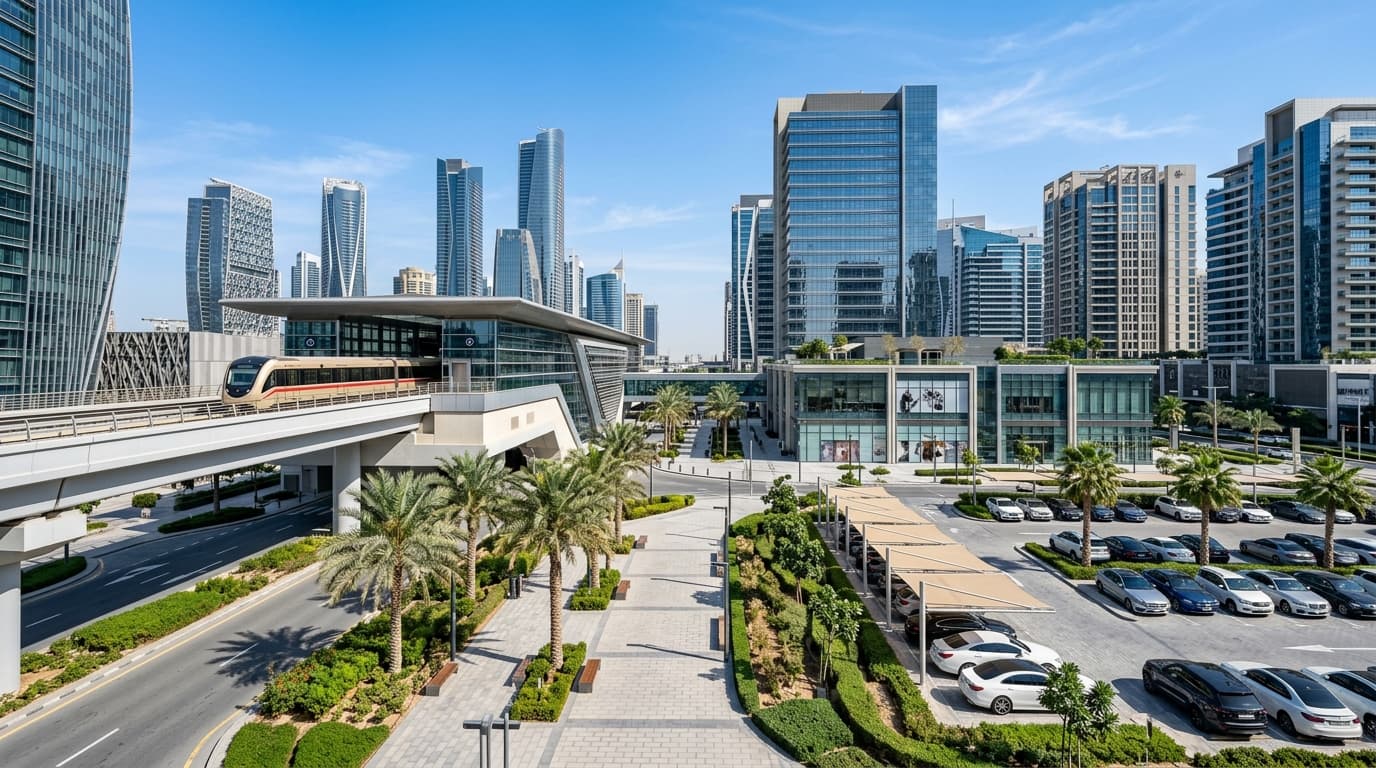
Station designs indicate defined arrival spaces and covered pedestrian routes that will concentrate commuting flows and likely increase demand for short-term services such as taxis, shared rides and micro-mobility. For property owners, this can mean increased footfall and interest in retail or service space close to stations. Local planners will need to manage drop-off zones and parking to avoid spillover traffic into residential streets, and developers should factor in station access when considering mixed-use projects.
There are transitional trade-offs: construction and commissioning phases can bring noise, temporary access restrictions and utility work near stations, which could affect short-term property amenity. Long-term, well-integrated stations tend to raise local desirability, but the exact impact depends on the quality of feeder services, enforcement of traffic plans and complementary public realm improvements.
Key Insight
When evaluating property near a proposed Etihad Rail station, consider accessibility to planned forecourts and official feeder routes rather than proximity alone. Short-term disruption is normal; long-term uplift depends on finished access, active frontage and municipal traffic controls.
- Defined forecourts concentrate passenger pick-up and drop-off
- Covered platforms improve year-round comfort
- Integrated concourses reduce transfer times
The Etihad Rail station reveal gives the first clear visual standard for passenger hubs, showing modern platforms, glazed façades and defined forecourts that prioritise passenger flow and transfers. While the images confirm design intent, the full benefit to travel, logistics and nearby property depends on coordinated feeder services, municipal planning and the operator’s rollout schedule.
Binayah Editorial
Analyste du marché immobilier
Notre équipe éditoriale étudie le marché immobilier de Dubai, en suivant les données du DLD, les lancements de promoteurs et les tendances d'investissement pour tenir les acheteurs et investisseurs informés.
Prêt à investir à Dubaï ?
Discutez avec nos analystes des meilleures opportunités sur le marché actuel, consultation gratuite.