
Eid shopping UAE shifted to local sellers
Eid shopping UAE shifted strongly to local sellers as import disruptions converged with peak demand during Eid, altering Ramadan spending habits across the Emirates.
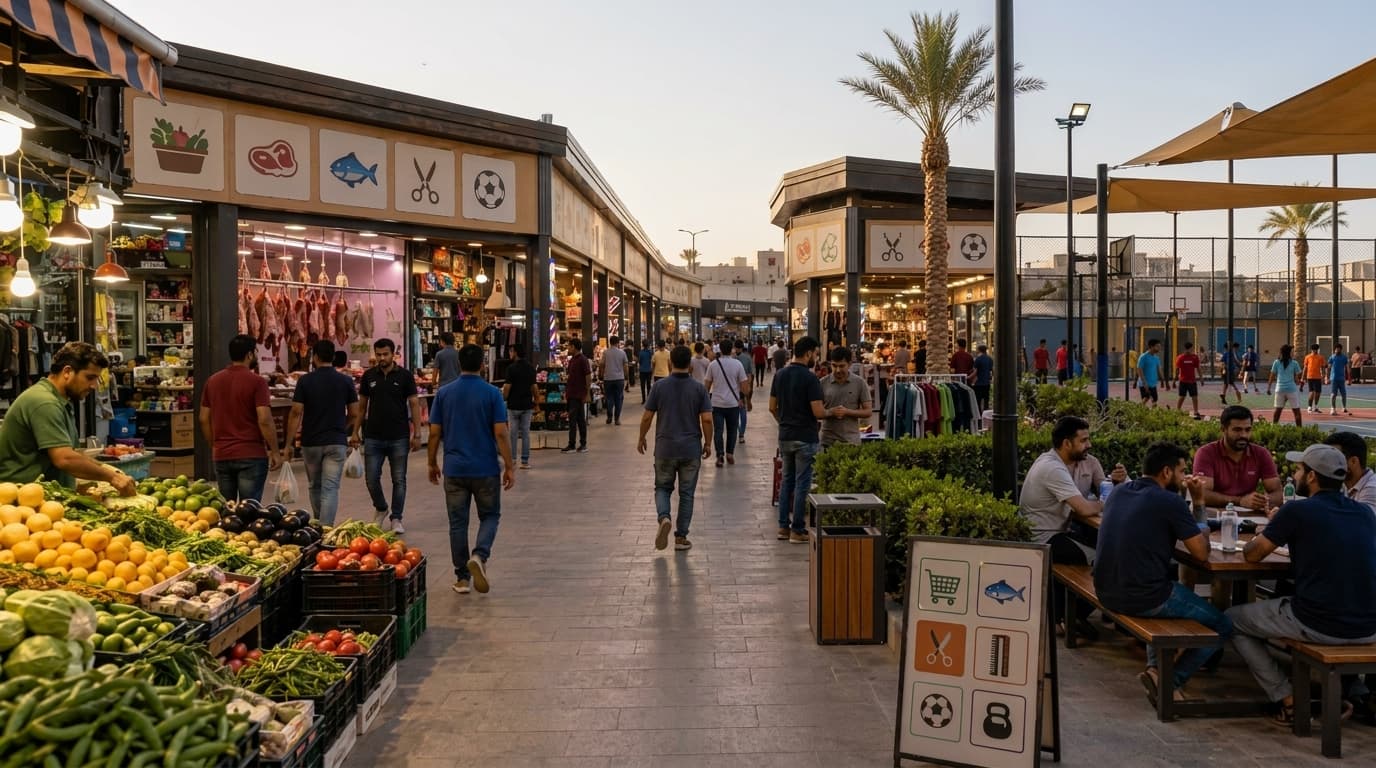
Across the UAE, reported import disruptions timed with peak Eid demand pushed residents toward local sellers and neighbourhood traders. The immediate effect was a surge in small business activity and changes in where and how shoppers spent during Ramadan and Eid, with consumers preferring available local stock over delayed imports.
That shift matters for retail landlords, mixed-use developers and local-market investors because it changes short-term footfall patterns and could accelerate efforts to support local supply chains. The change also signals consumer willingness to prioritise availability and community retailers when imports are uncertain.
Why did shoppers shift to local sellers at Eid in the UAE?
Why did shoppers shift to local sellers at Eid in the UAE? Key Data
Import disruptions
Confirmed
Consumer shift
Local sellers
Small business growth
Surge
Ramadan spending
Reshaped
Shoppers shifted to local sellers at Eid because import disruptions collided with peak demand, leaving many shoppers to choose nearby vendors with available stock. Local sellers filled immediate needs for food, gifts and household items when imported goods were delayed, and residents responded by buying locally to meet Eid timelines.
Local sellers benefited when imports slowed during the critical Eid buying window, accelerating small business activity and reshaping Ramadan spending behaviour. Retailers in neighbourhood souks and community markets reported stronger footfall and quicker turnover for in-stock items, while some shoppers chose convenience over brand or price when timelines mattered. The source reporting highlights a clear behavioural change: consumers prioritised availability amid supply strain.
The shift has practical implications for property owners and retailers: higher short-term demand for local retail space, more attention on inventory turnover and potential seasonal rent negotiation dynamics. Risk remains if imports normalise quickly and consumer patterns revert, but the recent change showed how supply shocks can rewire shopping habits for the duration of Eid.
How did supply strain change buying patterns during Eid?
Supply strain changed buying patterns by shortening shoppers' acceptable wait time for goods, prompting immediate purchases from local sellers instead of waiting for imports. At peak Eid demand, consumers prioritised availability and convenience, switching to local inventory when imported options were delayed.
The practical effects included increased footfall at local markets, quicker turnover on staple items and a temporary reshaping of Ramadan spending from planned purchases to opportunistic buys. Retailers with in-stock Eid essentials saw a faster sales cycle and community traders captured spontaneous demand. These behavioural shifts underline how logistics disruptions, even short-lived ones, can alter where and how people spend during religious and cultural peak periods.
For landlords and retail planners, the pattern signals the importance of flexible leasing terms and local tenant mixes that can respond to sudden demand. While the supply strain is described as episodic in the source, repeated or prolonged disruptions would deepen the change in buying patterns beyond a single Eid period.
| Factor | Effect | Consumer response |
|---|---|---|
| Import delays | Limited availability of imported goods | Switch to local sellers |
| Peak Eid demand | Time-sensitive purchases | Buy locally to meet timelines |
| Local stock | Faster turnover at neighbourhood markets | Increased spontaneous spending |
"When imports slowed at peak Eid demand, consumers switched to local sellers, which accelerated small business activity across the UAE."
, Binayah Research Team
What does the Eid shift to local sellers mean for property owners and investors?
The Eid shift to local sellers signals that short-term supply shocks can redirect consumer footfall and raise demand for community retail spaces. Property owners near neighbourhood centres likely saw higher shopper activity when imports delayed, which can influence leasing discussions and tenant mix choices.
For investors, the change highlights the value of diversified retail portfolios with flexible tenancy and local-market orientation. Owners of mixed-use and neighbourhood retail can benefit from stronger short-term occupancy and higher turnover for essential goods, while those dependent on mall anchor tenants might see different patterns. The underlying lesson is that localised supply resilience matters to consumer behaviour and therefore to property performance during peak cultural periods.
Risks include reversion if imports normalise once delays resolve and the potential for inflated short-term expectations about sustained local demand. Owners should weigh the episodic nature of supply strain versus the structural benefits of supporting local traders and adaptable leasing models.
What risks and resilience should investors watch in the next quarters?
The primary risks are that import channels recover quickly and consumer behaviour reverts, or that repeated disruptions compound supply-chain costs for retailers. Investors should watch the frequency of logistics delays and whether local sellers maintain higher sales after Eid, which would indicate a durable shift rather than a short-term response.
Resilience factors include stronger local supply chains, community retailer networks and landlord flexibility on short-term leases to support fast-moving traders. Markets where local sellers already had robust supply lines were better placed to capture sudden demand, and those structural advantages help absorb future shocks. Observing tenancy turnover, vacancy trends and local retail revenues will show whether resilience is building.
Strategically, investors should balance the upside of temporary demand spikes against the prospect of reversion. Supporting local traders and building logistical resilience can convert episodic gains into more reliable income streams, but only if backed by deliberate asset management and market monitoring.
Key Insight
Investors should monitor logistics frequency and local retailer sales data for three consecutive quarters before assuming a permanent consumer shift; one Eid period alone is insufficient evidence.
Import disruptions during peak Eid demand caused UAE shoppers to favour local sellers, reshaping Ramadan spending and accelerating small business activity. The core takeaway is clear: short-term supply shocks can redirect consumer behaviour and create measurable, if potentially temporary, benefits for community retail and nearby property owners.
Binayah Editorial
Analyste du marché immobilier
Notre équipe éditoriale étudie le marché immobilier de Dubai, en suivant les données du DLD, les lancements de promoteurs et les tendances d'investissement pour tenir les acheteurs et investisseurs informés.
Prêt à investir à Dubaï ?
Discutez avec nos analystes des meilleures opportunités sur le marché actuel, consultation gratuite.