Dubai building permits Q1 2026: 10,776 permits, built-up +48%
Dubai issued 10,776 building permits in Q1 2026, with built-up area jumping 48% to 3.9 million square metres, official data shows.
The Q1 2026 permit total and the 3.9m sqm built-up area point to accelerating construction momentum across Dubai, according to the Arabian Business report summarising government permit data. These two headline figures capture activity at the approval stage rather than completions, so they signal future construction starts rather than immediate additions to available stock.
For investors, developers and policy watchers the permit surge is a leading indicator: 10,776 new permits suggest a heavier pipeline of projects entering delivery phases, while a 48% rise in built-up area highlights larger-scale developments being cleared for construction in the quarter.
What does Dubai's Q1 2026 permits figure mean?
What does Dubai's Q1 2026 permits figure mean? Key Data
Permits
10,776
Built-up area
3.9m sqm
Built-up rise
48%
Quarter
Q1 2026
It signals a clear acceleration in Dubai's development pipeline, with 10,776 building permits and a 48% increase in built-up area to 3.9 million sqm recorded in Q1 2026. These numbers show approvals rose sharply at the start of the year.
The permit count of 10,776 captures approvals across residential, commercial and infrastructure schematics at the planning and permitting stage; the built-up area figure of 3.9m sqm, up 48%, indicates those approvals include larger or denser schemes than in the previous comparable period. Because permits measure planned construction rather than completed supply, the immediate effect on listings and rentals will lag actual commencements and handovers.
The key nuance is timing and absorption. A surge in permits does not automatically translate into oversupply tomorrow because delivery cycles, labour availability and material costs determine when projects reach market. Stakeholders should track permit-to-start intervals and whether permit approvals convert into active site works to judge real supply pressure.
Where is this growth in Dubai likely concentrated?
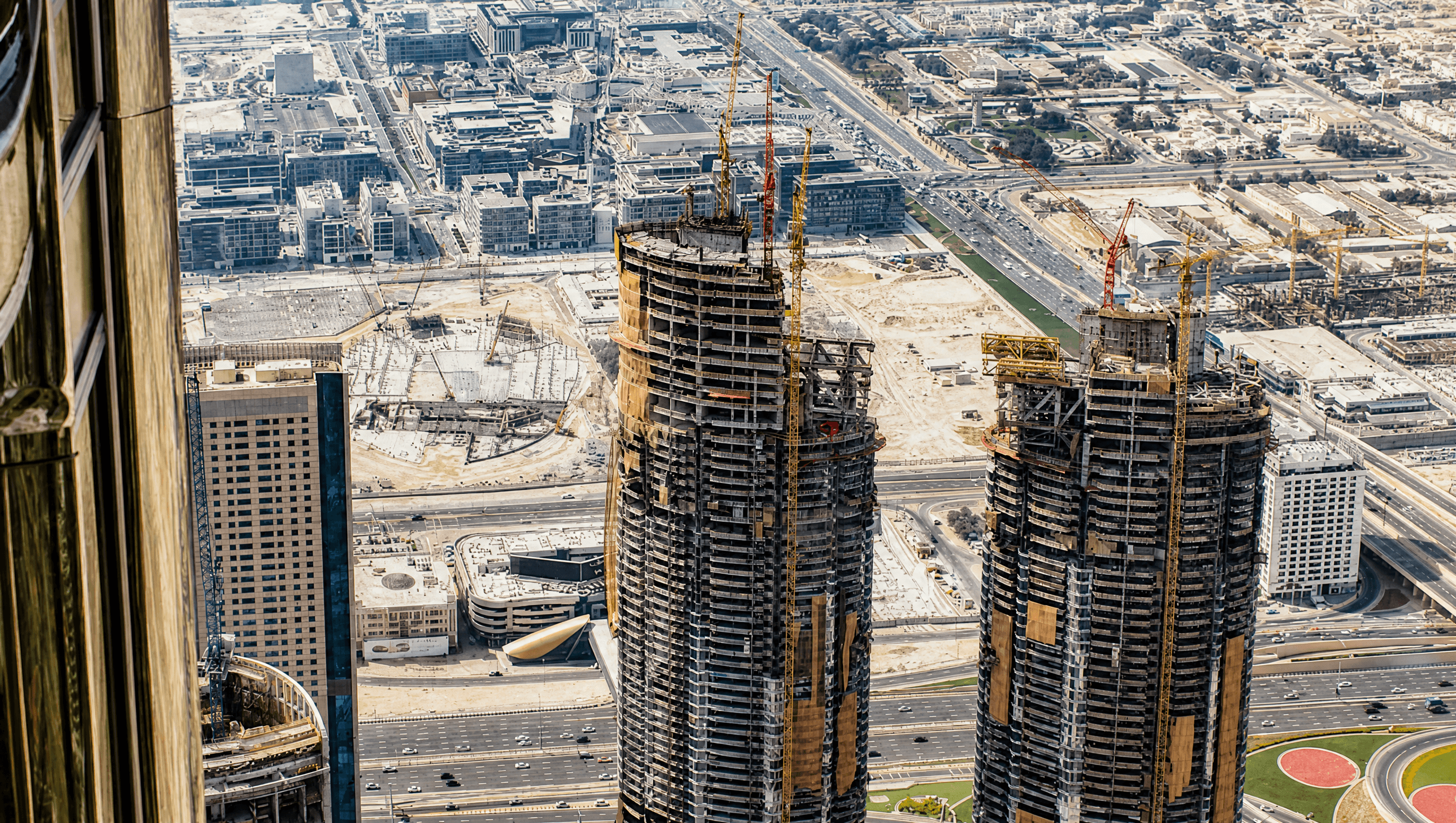
The headline data points to concentration in projects that create large built-up areas rather than only numerous small approvals, as shown by 3.9m sqm of built-up area alongside 10,776 permits in Q1 2026. The scale suggests bigger masterplans and mixed-use schemes are a significant part of the surge.
Because the source reports aggregate permit counts and total built-up area without community-level breakdowns, the exact neighbourhood mix is not published in the summary figures. What the numbers do tell us is relative scale: a 48% rise in built-up area implies an increase in average permitted project size or density in the quarter. For planning purposes this means supply growth may be weighted toward larger developments rather than many small standalone buildings.
The risk for local markets is uneven delivery: if larger projects face slower site mobilisation or funding issues, expected new stock may be delayed, concentrating supply pressure into later quarters. Watch permit conversion rates and approvals for stages that commit to procurement and construction to understand where that 3.9m sqm will actually translate into finished stock.
| Metric | Q1 2026 | Note |
|---|---|---|
| Building permits | 10,776 | Aggregate approvals reported for Q1 2026 |
| Built-up area (sqm) | 3,900,000 | Reported increase of 48% versus prior comparable period |
"A jump to 3.9 million square metres of permitted built-up area signals larger projects moving into the pipeline; the conversion to active construction will determine real market impact."
, Binayah Research Team
What are the implications for Dubai prices, rents and investors?
The permit surge suggests a longer-term increase in supply pressure that could moderate price and rent growth if conversions to completed stock are timely; Q1 recorded 10,776 permits and a 48% rise in built-up area to 3.9m sqm. Investors should expect timing lag between approvals and market listings.
More permitted built-up area usually means more long-term housing and commercial capacity entering future quarters, which can reduce upward price pressure if demand does not accelerate at the same pace. Because permits capture approvals and not handovers, the short-term effect on transaction volumes and rental yields is limited; the main impact occurs when those 10,776 approvals move to active construction and then to completion. Investors should track completion schedules and absorption rates rather than approvals alone.
Strategically, defensive investors will price in longer lead times and test exit assumptions; opportunistic buyers can use permit data to anticipate where future supply will support development-led discounts during construction. The principal risk is mis-timing: buying on permit momentum without verified build progress can expose capital to delayed deliverability and compressed yields when the pipeline arrives.
What does the construction pipeline look like and what should we watch next in Dubai?
The construction pipeline is expanding at the approval stage, evidenced by 10,776 permits and a 48% jump in built-up area to 3.9m sqm in Q1 2026, signalling heavier activity ahead. Next steps will determine how much of that pipeline becomes completed stock and when.
Key items to watch are permit-to-start conversion rates, procurement and labour availability, and any policy or regulatory actions that affect timelines. Because the reported figures measure permitted built-up area rather than active construction, observers should track site mobilisation notices, contractor appointments and supply-chain indicators to see when the pipeline converts into real deliveries.
If conversion is steady the market will see new supply over a series of quarters; if mobilisation stalls, the approvals will remain a forward-looking statistic without immediate market impact. Investors and planners should monitor these leading signals closely to avoid mistimed exposures and to anticipate when the 3.9m sqm enters the market.
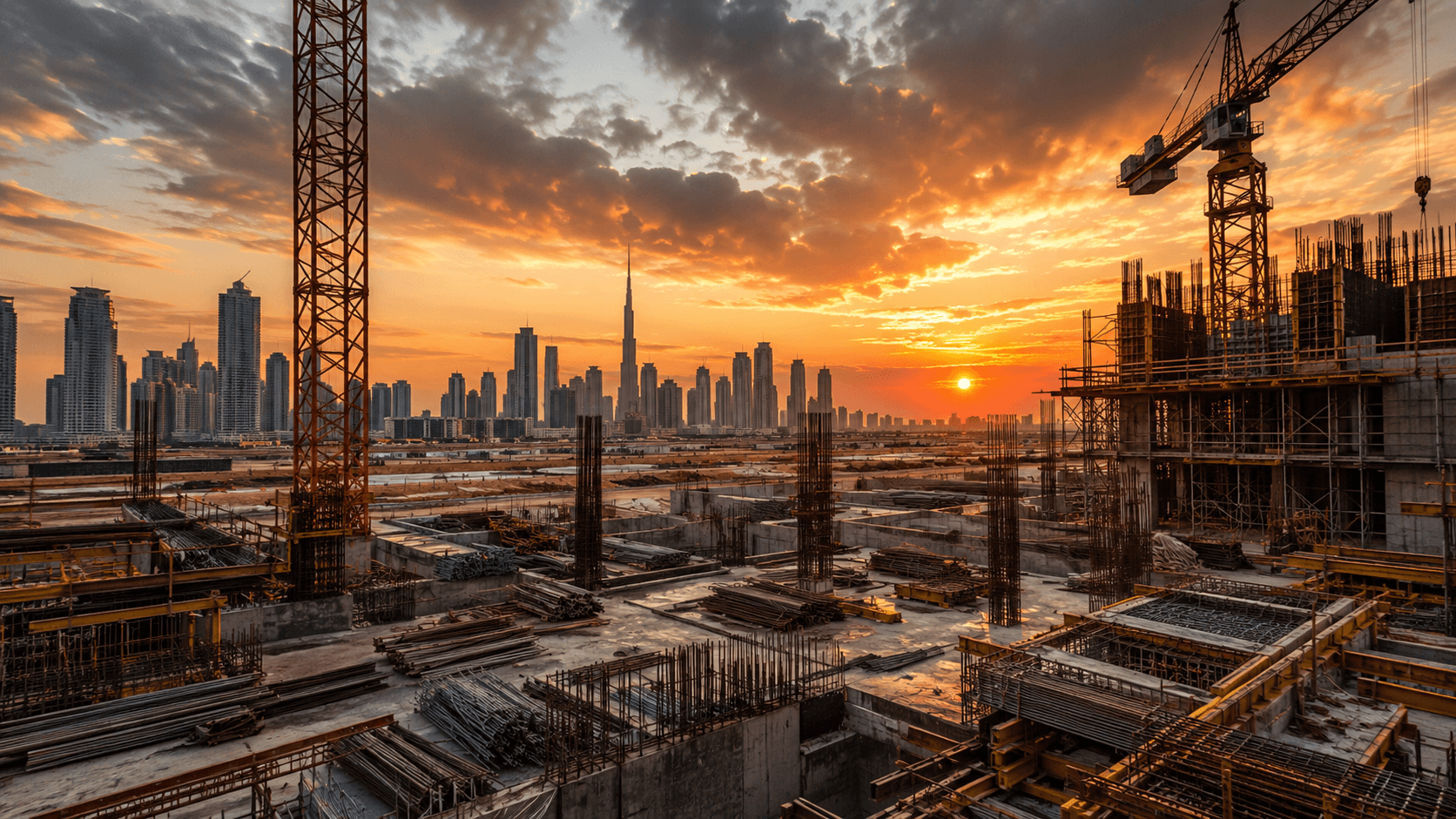
Key Insight
Monitor three factors closely: permit-to-start conversion, procurement and labour availability, and any regulatory changes. These determine whether the 10,776 permits and 3.9m sqm of permitted space in Q1 2026 turn into actual completed supply or remain delayed approvals.
- Permit approvals: 10,776 in Q1 2026
- Built-up area: 3.9m sqm (+48%)
- Watch: conversion to construction, procurement, regulatory changes
Dubai's Q1 2026 permit figures 10,776 approvals and 3.9m sqm of permitted built-up area, up 48% indicate a heavier development pipeline rather than immediate new supply. The critical question now is conversion: whether those approvals translate into site starts and timely completions, which will determine the real effect on prices, rents and investor returns.
Étiquettes
Binayah Editorial
Analyste du marché immobilier
Notre équipe éditoriale étudie le marché immobilier de Dubai, en suivant les données du DLD, les lancements de promoteurs et les tendances d'investissement pour tenir les acheteurs et investisseurs informés.
Prêt à investir à Dubaï ?
Discutez avec nos analystes des meilleures opportunités sur le marché actuel, consultation gratuite.