Badr Jafar UAE community resilience and market impact
Badr Jafar UAE said residents who stayed and returned during recent tensions show a deeper sense of belonging that matters for property confidence.
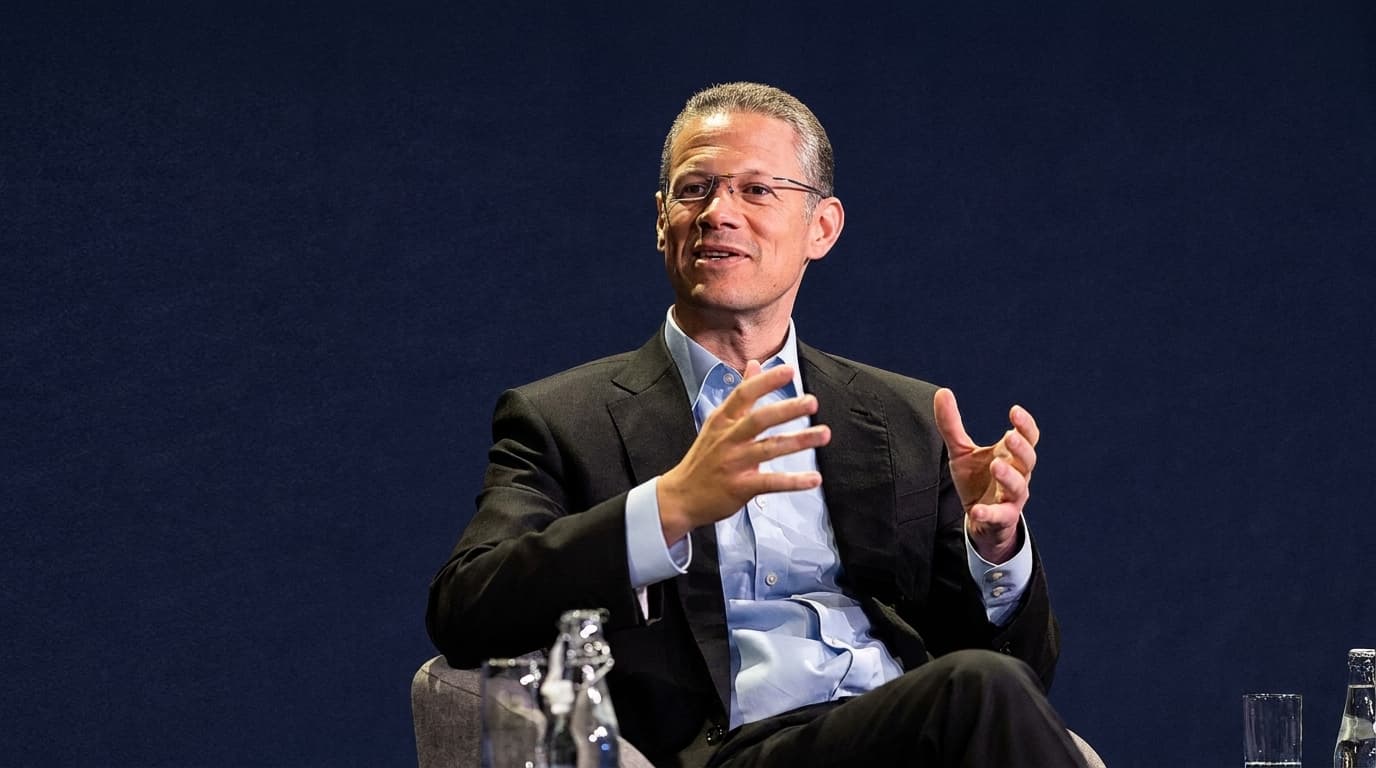
H.E. Badr Jafar, Special Envoy to the UAE Minister of Foreign Affairs for Business and Philanthropy, told reporters that many residents chose to remain or to come back after tensions, describing those choices as evidence of strong community bonds.
What did Badr Jafar observe and why does it matter to the market?
What did Badr Jafar observe and why does it matter to the market? Key Data
Observation
Residents stayed and returned
Sentiment
Deeper sense of belonging
Market implication
Support for steady leasing activity
Risk note
Not a substitute for economic fundamentals
Badr Jafar observed that many residents stayed in the UAE, returned after disruptions and carried on with daily life, which signals deeper social belonging. This behaviour is a social fact that underpins property demand psychology in the short term.
The envoy framed the choice to remain or return as evidence of cohesion rather than a transient reaction. That cohesion tends to stabilise market expectations because tenants and owners who feel rooted are less likely to trigger sudden vacancy or forced sales. For property markets, sentiment translates into steadier leasing activity and fewer panic-driven transactions.
The nuance is that social belonging is not a substitute for economic fundamentals. Developers, landlords and investors should treat Jafar's observation as a stabilising factor but still monitor employment, tourism flows and project delivery which ultimately govern long-run price and occupancy outcomes.
How does social resilience translate to price and rent stability?
Social resilience translates to price and rent stability by reducing the likelihood of abrupt sell-offs and by keeping turnover manageable, which calms short-term market volatility. When residents choose to remain or return, occupancy rates hold up and leasing demand becomes less cyclical.
In practice, steadier occupancy supports predictable cash flow for landlords and fewer forced discounts on resale. That effect matters for financing and for developer phasing decisions because predictable demand lowers the risk premium banks and investors assign to projects. The stabilising influence is strongest in mixed-use communities and established neighbourhoods where social networks and services are already embedded.
The caveat is that social resilience mitigates some types of downside but does not eliminate exposure to macro shocks such as changes in employment, regional travel restrictions or construction delays. Policymakers and developers should pair community-strength measures with clear economic and delivery transparency to lock in the stabilising benefits noted by Badr Jafar.
| Social factor | Market outcome | Why it matters |
|---|---|---|
| Residents staying or returning | Steadier occupancy and leasing | Reduces sudden vacancy and demand shocks |
| Strong local networks and services | Lower churn and better retention | Keeps rental cash flow predictable |
"They stayed, returned and carried on"
, H.E. Badr Jafar, Special Envoy to the UAE Minister of Foreign Affairs for Business and Philanthropy
What practical strategies should investors and owners follow?
Hold perspective and favour stability-driven choices: investors and owners should prioritise long-run cash flow and community quality over short-term timing bets. That means optimising leases, maintaining properties to retain tenants and avoiding panic sales when sentiment dips.
Practically, owners can focus on lease flexibility and tenant retention programmes, while investors should review portfolio exposure to neighbourhoods with proven resident cohesion. These steps preserve income streams and reduce forced discounting that harms realised returns. For buy-to-let owners, consistent maintenance and clear communication with tenants support occupancy and rental momentum.
Risks remain if macro conditions worsen, so keep exit plans and liquidity buffers in place. Community strength helps, but it should sit alongside financial risk controls such as diversified holdings, conservative leverage and staged disposal plans where needed.
- Prioritise tenant retention and property upkeep
- Use flexible lease terms to reduce vacancy risk
- Focus on established communities with services
- Maintain liquidity and staged exit plans
What should policymakers and developers watch in response to community resilience?
Policymakers and developers should watch indicators of community cohesion and delivery transparency because those elements amplify the stabilising effect Badr Jafar described. Clear, timely information about projects and services helps residents remain confident and reduces knee-jerk reactions during crises.
Developers can reinforce resilience by prioritising on-time delivery, community amenities and mixed-use planning that embeds daily needs locally. Policymakers can support that through fast, transparent approvals and by communicating consistently during tense periods. Those measures turn social belonging into tangible market strength by making neighbourhoods functionally attractive for residents and investors.
The important risk to monitor is overreliance on sentiment alone. If delivery fails or employment conditions deteriorate, social resilience will slow but not stop price adjustments. Coordinated action from developers and government, focused on both social and economic fundamentals, is the practical way to preserve the market benefits noted by Badr Jafar.
Key Insight
Policymaker and developer note: Prioritise clear delivery timelines and community amenities. Transparent communication during disruptions preserves resident confidence and reduces the chance of forced sales or abrupt vacancy spikes. Treat social belonging as a strategic asset, not a substitute for economic stability.
- Monitor project delivery timelines and transparency
- Support mixed-use communities with local services
- Maintain clear public communications during events
- Pair social measures with economic policy support
H.E. Badr Jafar’s observation that residents stayed, returned and carried on points to social belonging as a stabiliser for the UAE market. That behavioural anchor supports steadier occupancy and smoother leasing dynamics, but it must be paired with reliable project delivery and economic fundamentals to sustain price and rent stability over the medium term.
Binayah Editorial
Analyste du marché immobilier
Notre équipe éditoriale étudie le marché immobilier de Dubai, en suivant les données du DLD, les lancements de promoteurs et les tendances d'investissement pour tenir les acheteurs et investisseurs informés.
Prêt à investir à Dubaï ?
Discutez avec nos analystes des meilleures opportunités sur le marché actuel, consultation gratuite.