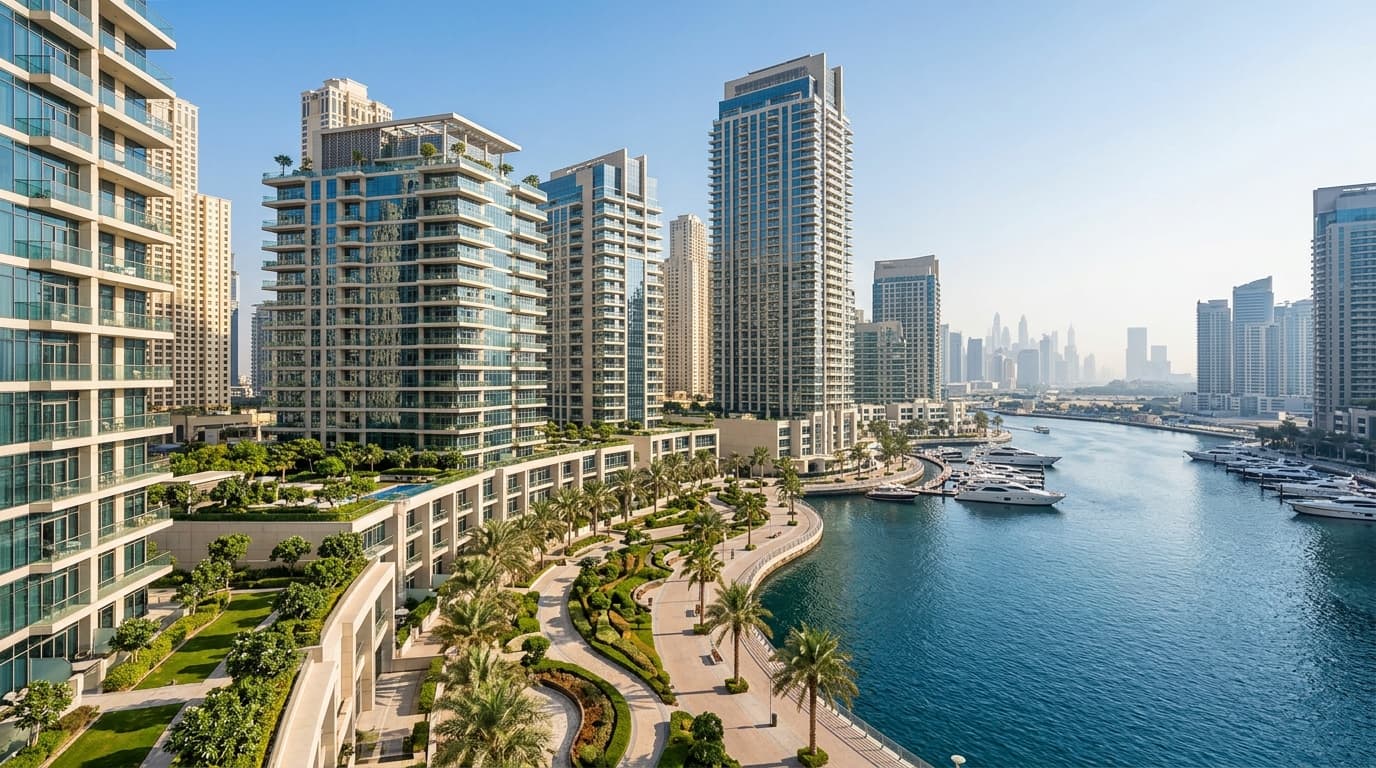
In Dubai's dynamic real estate market, understanding rental rules is crucial for both tenants and landlords. Recent developments have emphasized the importance of transparency in rental agreements, as deceptive practices can now lead to contract cancellations. This guide provides a step-by-step walkthrough of Dubai’s rental process, ensuring you are well-prepared to navigate this landscape efficiently.
Understanding Recent Changes
A significant update in Dubai's rental market is the ability to cancel contracts due to deception. This change underscores the importance of honesty in rental dealings. It means landlords and tenants must be meticulous in their documentation and communication. For tenants, this means ensuring that the property and terms match what was agreed upon, while landlords must be transparent about the property’s condition and terms.
Step-by-Step Rental Process
- Research and Property Selection: Begin by identifying the type of property you wish to rent. Consider factors such as location, amenities, and proximity to work or schools. Popular communities like Arabian Ranches 2, Barsha Heights, and Pearl Jumeirah Island offer diverse options.
- Budgeting and Costs: Calculate your budget, keeping in mind that the municipality housing fee is 5% of the annual rental value, billed monthly via DEWA. This is often overlooked but is a crucial part of your monthly expenses.
- Viewing and Shortlisting: Visit multiple properties to compare options. Pay attention to the condition of the property and verify all amenities are as advertised. This is especially important given the recent emphasis on contract honesty.
- Negotiating Terms: Once you’ve shortlisted properties, negotiate rental terms. This includes the rent amount, payment schedule, and maintenance responsibilities. Ensure all terms are clear and documented.
- Drafting the Lease Agreement: The lease agreement is a binding document, so it must reflect all agreed-upon terms. Both parties should review it thoroughly. Ensure it includes the rent amount, duration, payment terms, and any additional clauses such as maintenance responsibilities.
- Documentation and Registration: Gather necessary documents. For tenants, this typically includes identification (passport and visa copy), proof of income, and possibly references. The landlord will need to provide the title deed and their identification.
- Security Deposit and Payment: Pay the security deposit, usually equivalent to one month’s rent, and the first rental payment. Ensure you receive a receipt for the deposit, and it is documented in the lease.
- Ejari Registration: Register the lease through Ejari, the official rental contract registration system in Dubai. This step is crucial as it legalizes the rental agreement under Dubai’s regulatory framework.
Common Pitfalls to Avoid
- Lack of Clarity in Agreements: Ensure every detail is clearly documented in the lease. Verbal agreements are not enforceable.
- Ignoring Hidden Costs: Don’t overlook additional costs such as the municipality housing fee or potential service charges.
- Inadequate Property Inspection: Conduct a thorough inspection of the property before signing the lease. Document any existing damages to avoid future disputes.
Legal and Financial Considerations
Understanding the legal and financial implications of renting in Dubai can save you from costly mistakes. For instance, the municipality housing fee is a common running cost that tenants often forget. Additionally, ensure that all financial transactions are documented and receipts are obtained.
Tenant and Landlord Rights
It’s essential to understand both tenant and landlord rights in Dubai. Tenants have the right to a habitable living environment and the right to privacy. Landlords, on the other hand, have the right to receive rent on time and to be informed of any property damages.
Finalizing and Moving In
Once all paperwork is complete, arrange for utility connections and move into your new home. Ensure you have a copy of the signed lease, a receipt for the security deposit, and any other relevant documentation. Moving in marks the beginning of your tenancy, so make sure all initial issues are addressed immediately.
Conclusion
Renting a property in Dubai can be a straightforward process if you are well-informed and prepared. By following this guide, you can navigate the rental process efficiently, avoiding common pitfalls and ensuring a smooth transition into your new home.