UAE space initiative AED 1 billion: impact on tech and property
The UAE one billion dirham initiative targets space and advanced technology to strengthen the country’s role in the global space economy.
The announcement of the one billion dirham initiative signals a clear national shift toward funding high-tech research, commercial partnerships and industrial adoption in space-related fields. AED 1 billion in dedicated capital can underwrite R&D centres, university partnerships, startup grants and anchor tenants for new tech parks, all of which shape where companies and skilled workers want to live and work.
For real estate and infrastructure planners the immediate effect is selective: demand rises nearest to newly funded labs, manufacturing nodes and logistics hubs. Over time the one billion dirham initiative can reshape land use patterns, lift demand for specialised industrial space and create premium residential micromarkets adjacent to tech clusters.
What is the UAE one billion dirham initiative in space and technology?
What is the UAE one billion dirham initiative in space and technology? Key Data
Funding
AED 1 billion
Sector
Space & advanced technology
Purpose
Research, partnerships, commercial scaling
Announced by
UAE leadership
The UAE one billion dirham initiative is a targeted national funding package allocating AED 1 billion to expand space and advanced technology capacity across research, partnerships and commercial scaling.
The package concentrates AED 1 billion on three broad goals: accelerate research and development, seed commercial partnerships between government and private firms, and underwrite early-stage companies that translate research into products. The source frames the initiative as a strategic bid to strengthen the UAE’s role in the global space economy, with funding intended for labs, collaborative programmes and commercial demonstration projects.
The strategic risk is timing and absorptive capacity: AED 1 billion is substantial but must be matched with skilled labour, regulation and long-term procurement to generate sustainable clusters. If infrastructure, visas and specialised training are not aligned, the one billion dirham initiative could boost headlines more than lasting commercial ecosystems.
How will AED 1 billion funding alter real estate demand?
The AED 1 billion commitment will concentrate demand near new labs, technology parks and supply-chain facilities, creating local spikes in commercial and residential rents around those clusters.
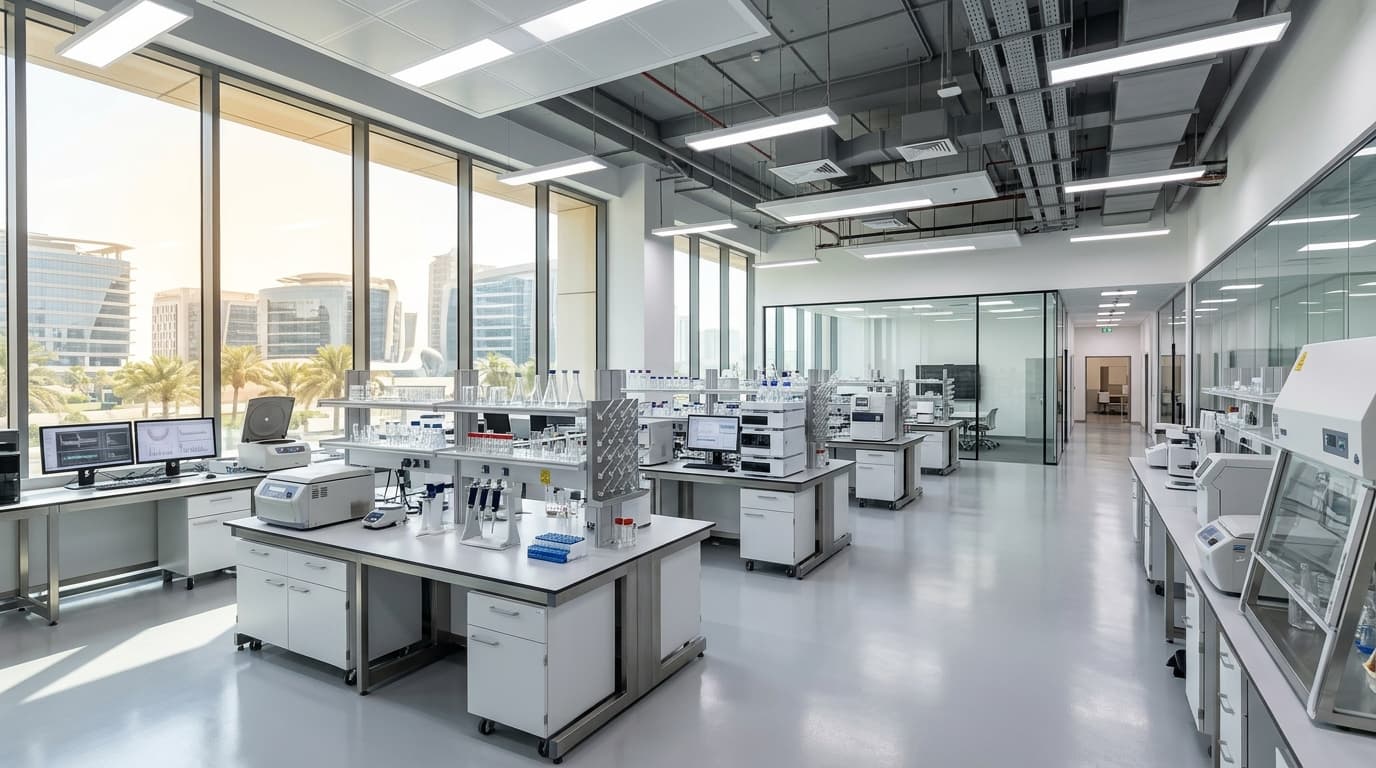
When AED 1 billion underwrites R&D centres and commercial demonstration projects, developers and occupiers respond by locating offices, co-working spaces, specialised industrial units and serviced apartments nearby. The most immediate real estate effects are higher demand for light-industrial floorspace and lab-ready offices, plus short-term uplift in nearby rental markets as visiting researchers and contractors need housing. Over time, if partnerships mature into manufacturing or satellite assembly, demand can expand into logistics and specialised warehousing.
The main uncertainty is scale: AED 1 billion sets a clear signal but does not by itself guarantee mass employment or citywide price shifts. Local planning, infrastructure upgrades and incentives that follow the funding will determine whether price pressure is localised around hubs or spreads across broader communities.
| Focus area | Likely real estate impact | Notes |
|---|---|---|
| Tech hubs and campuses | Increased demand for lab-ready offices and serviced apartments | AED 1 billion can seed anchor tenants and university partnerships |
| Industrial and logistics | More specialised light-industrial and assembly space | Demand grows if commercialisation leads to manufacturing |
| Residential micromarkets | Price and rental uplift near cluster perimeters | Short-term spike as contractors and researchers relocate |
"The AED 1 billion initiative signals a strategic shift from prestige projects to knowledge infrastructure, which typically lifts demand near tech clusters."
, Binayah Research Team
What should investors watch after the AED 1 billion space announcement?
Investors should watch where the AED 1 billion is deployed and which hubs receive anchor tenants, because location drives short- and medium-term property returns.
Track three indicators tied to AED 1 billion deployment: announced site addresses for funded centres, names of partner universities or companies taking space, and procurement schedules that suggest construction or fit-out timelines. These indicators show where rental demand will rise first. Investors should also monitor permit approvals and connectivity upgrades that make a site viable for specialised industrial use, because such upgrades convert announced funding into real leasing demand.
Risk management means avoiding broad market bets and instead targeting micromarkets within a five- to ten-kilometre radius of confirmed project sites. If AED 1 billion funds only research without clear commercial anchors, demand may be limited to short-term accommodation and flexible office space rather than long-term industrial expansion.
Key Insight
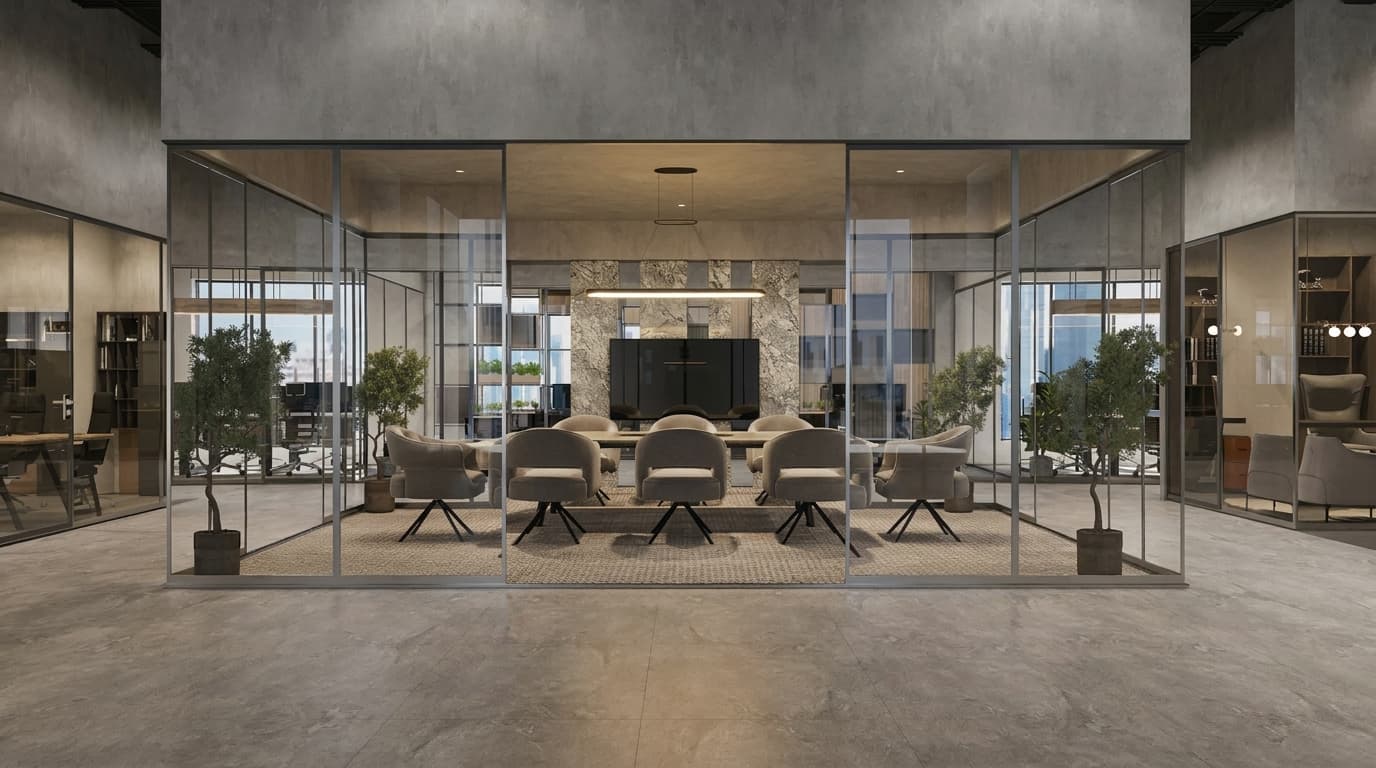
For property investors: prioritise sites with confirmed anchor tenants or university partners before committing large capital; proximity matters more than headline city exposure when AED 1 billion is deployed into clusters.
- Monitor announced locations and partner names
- Prioritise micromarkets within 5 10 km of funded sites
- Focus on lab-ready offices and specialised industrial assets
How will infrastructure and long term opportunities respond to the AED 1 billion investment?
How will infrastructure and long term opportunities respond to the AED 1 billion investment? Key Data
Infrastructure trigger
Targeted transport and utility upgrades
Long-term aim
Build tech clusters and supplier networks
Property winners
Lab-ready offices and specialised industrial
Funding scale
AED 1 billion
The AED 1 billion investment will trigger targeted infrastructure upgrades, especially transport links, utilities and specialised utilities for labs, if authorities follow through with implementation funding.
Infrastructure responses tied to AED 1 billion typically include faster approvals for cluster sites, focused road and utility upgrades to support lab and light-industrial tenants, and incentives to attract international partners. Where those follow-on investments arrive, long-term opportunities open for developers of specialised facilities, science parks and workforce housing. Over years, these clusters can attract supplier networks and create secondary demand for logistics and commercial services adjacent to initial sites.
Long-horizon risks include misalignment between the pace of funding deployment and urban planning cycles; AED 1 billion may unlock early-stage activity but sustained growth requires continuous public and private follow-through, skills development and stable procurement pipelines that create predictable occupancy for real estate assets.
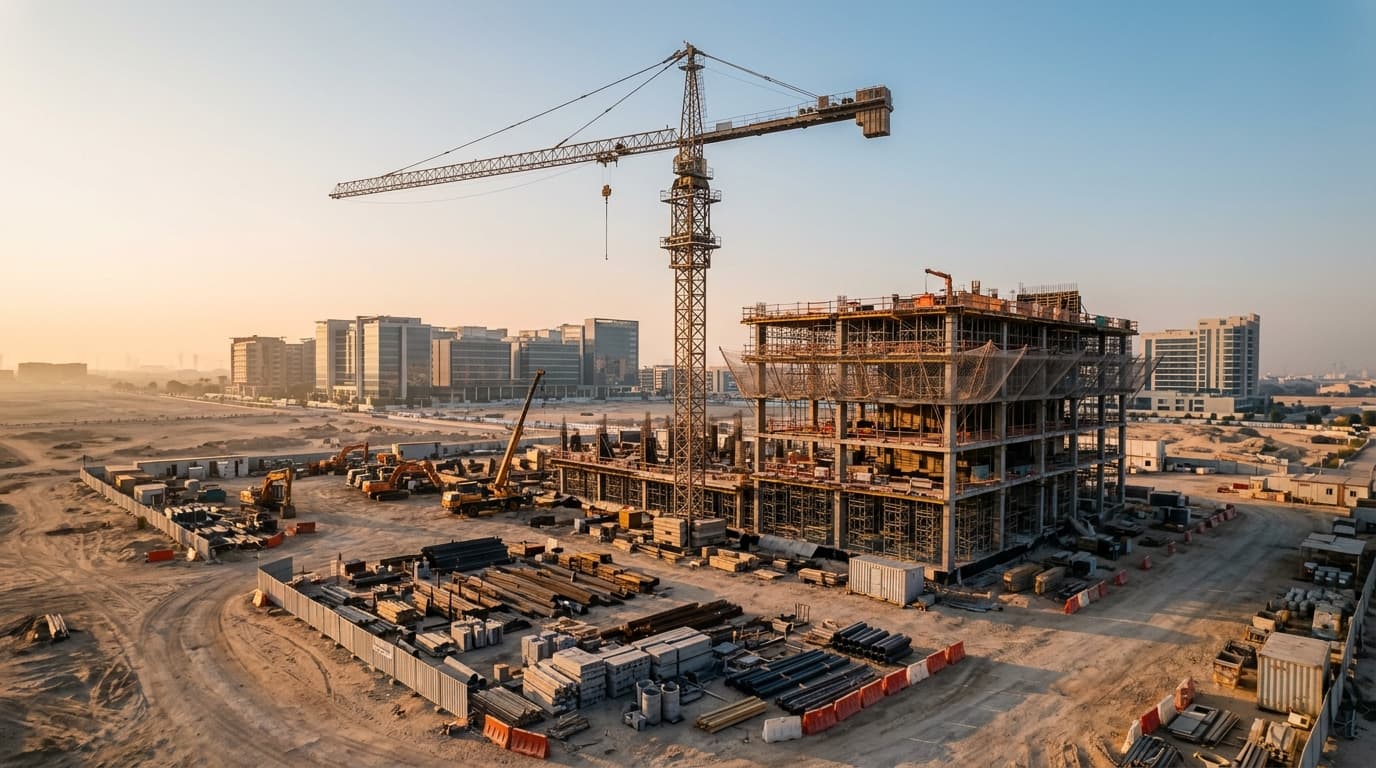
The one billion dirham initiative commits AED 1 billion to space and advanced technology, creating concentrated demand for lab-ready offices, specialised industrial space and residential micromarkets near funded hubs. Short-term property effects will be localised; long-term opportunities depend on follow-on infrastructure, skills development and confirmed anchor tenants that convert the AED 1 billion signal into sustained economic clusters.
Binayah Editorial
Property Market Analyst
Our editorial team researches Dubai's real estate market, tracking DLD data, developer launches, and investment trends to keep buyers and investors informed.
Ready to Invest in Dubai?
Speak with our analysts about the best opportunities in today's market, free consultation.