
Dubai Land Department jobs: 2,100+ Emirati roles 2023 2026
Dubai Land Department jobs helped create more than 2,100 Emirati employment opportunities between 2023 and 2026, reshaping staffing in Dubai real estate.
The Dubai Land Department reported that these roles were delivered as part of coordinated initiatives with several ministries and government entities aimed at increasing Emirati participation in the property sector. The announcement covers the period from 2023 to 2026 and frames the number as a measure of progress on local employment targets rather than a single recruitment drive.
For investors, buyers, and policy watchers the key question is how a step-change in Emiratisation inside a major regulator and market actor translates into operational change, service levels, and longer-term labour market dynamics in Dubai real estate.
What did the Dubai Land Department report about Emirati job creation?
What did the Dubai Land Department report about Emirati job creation? Key Data
Jobs created
2,100+
Timeframe
2023 2026
Scope
Emirati employment
Partners
Ministries & government entities
The Dubai Land Department reported that between 2023 and 2026 its initiatives helped create more than 2,100 employment opportunities for Emiratis with the support of ministries and other government entities.
The announcement frames the 2,100+ figure as the total number of Emirati roles linked to DLD-led programmes across operations and partner schemes during the three-year window. The report highlights collaboration with ministries and government entities but does not break down the count by department, salary band, or contract type, so the 2,100+ figure should be read as an aggregate outcome rather than a precise headcount by role.
That aggregation creates useful headline impact but also carries limits for analysis: without a role-level breakdown it is hard to map the jobs to service areas such as registration, dispute resolution, inspection, or policy teams. Analysts should treat the 2,100+ number as a validated aggregate while seeking follow-up disclosure for role mix and budgetary impact.
How will hiring more Emirati staff change Dubai real estate market?
Hiring more Emirati staff at and around the Dubai Land Department is likely to increase local institutional knowledge and regulatory continuity, and the reported 2,100+ Emirati roles are the immediate scale indicator of that shift.
Greater Emirati representation in DLD and partner government teams tends to stabilise regulatory processes because local hires often remain longer in public roles and bring sustained relationships with ministries and stakeholders. The report ties the 2,100+ jobs to collaborative initiatives but does not specify salary or grade distribution, so the effect on service capacity will depend on how many roles are front-line (registration, inspections) versus back-office or policy positions.
One practical outcome for the market is an improved capacity for long-term program delivery and enforcement, but a caution is that a headline job count alone does not tell us about training investment or productivity gains. Monitoring role-level disclosure will be important for assessing real operational change.
| Metric | Detail | Source |
|---|---|---|
| Jobs created | More than 2,100 Emirati positions | Dubai Land Department report |
| Period covered | 2023 to 2026 | Dubai Land Department report |
| Collaborators | Ministries and government entities | Dubai Land Department report |
"The 2,100-plus figure signals meaningful progress on Emiratisation inside the property sector, but role-level details are required to judge the impact on service delivery."
, Binayah Research Team
How does Dubai Land Department Emirati hiring affect investors and buyers?
How does Dubai Land Department Emirati hiring affect investors and buyers? Key Data
Investor impact
Improved predictability
Operational indicator
2,100+ jobs
Unspecified
Role mix not disclosed
Risk
No immediate fee change data
The Dubai Land Department’s reported creation of more than 2,100 Emirati jobs can affect investors and buyers by strengthening regulatory consistency and local market intelligence, which supports more predictable transactions.
Predictability matters to buyers and investors because consistent processing times and clearer enforcement lower costs and transaction risk. The 2,100+ jobs indicate additional capacity inside DLD-linked teams, but the announcement did not specify how many of those roles will work on registration, title management, dispute resolution, or compliance checks. Without that breakdown it is reasonable for investors to expect improved baseline service but to withhold assumptions about speed or fee changes until role deployments are clarified.
For investors, the practical next step is to monitor operational KPIs such as registration times and dispute backlog figures; the 2,100+ jobs are a leading indicator of capacity uplift but not a guarantee of immediate improvements in processing or lower transaction costs.
Key Insight
Investors should treat the 2,100+ jobs as a capacity signal and request operational KPIs from counterparties before assuming faster processing or lower transactional risk.
What are the next steps for policymakers and the real estate sector?
What are the next steps for policymakers and the real estate sector? Key Data
Recommended action
Role-level reporting
Priority
Training and transparency
Policymakers and sector leaders should convert the Dubai Land Department’s headline of more than 2,100 Emirati roles into transparent role-level reporting and training plans so the market can measure impact.
The next steps should include publishing the distribution of the 2,100+ positions by function, anticipated budgetary commitments for salaries and training, and timelines for when new staff enter service. Coordination with ministries and government entities named in the report will be essential to track how jobs translate into measurable outcomes such as reduced registration times or improved dispute resolution. Clear disclosure will also help private sector employers align recruitment and training efforts with the public sector pipeline.
If policymakers focus on transparency and skills development, the 2,100+ jobs become an engine for long-term capability rather than only a short-term headcount achievement. Absent that transparency, stakeholders will have to infer impact from later operational KPIs.
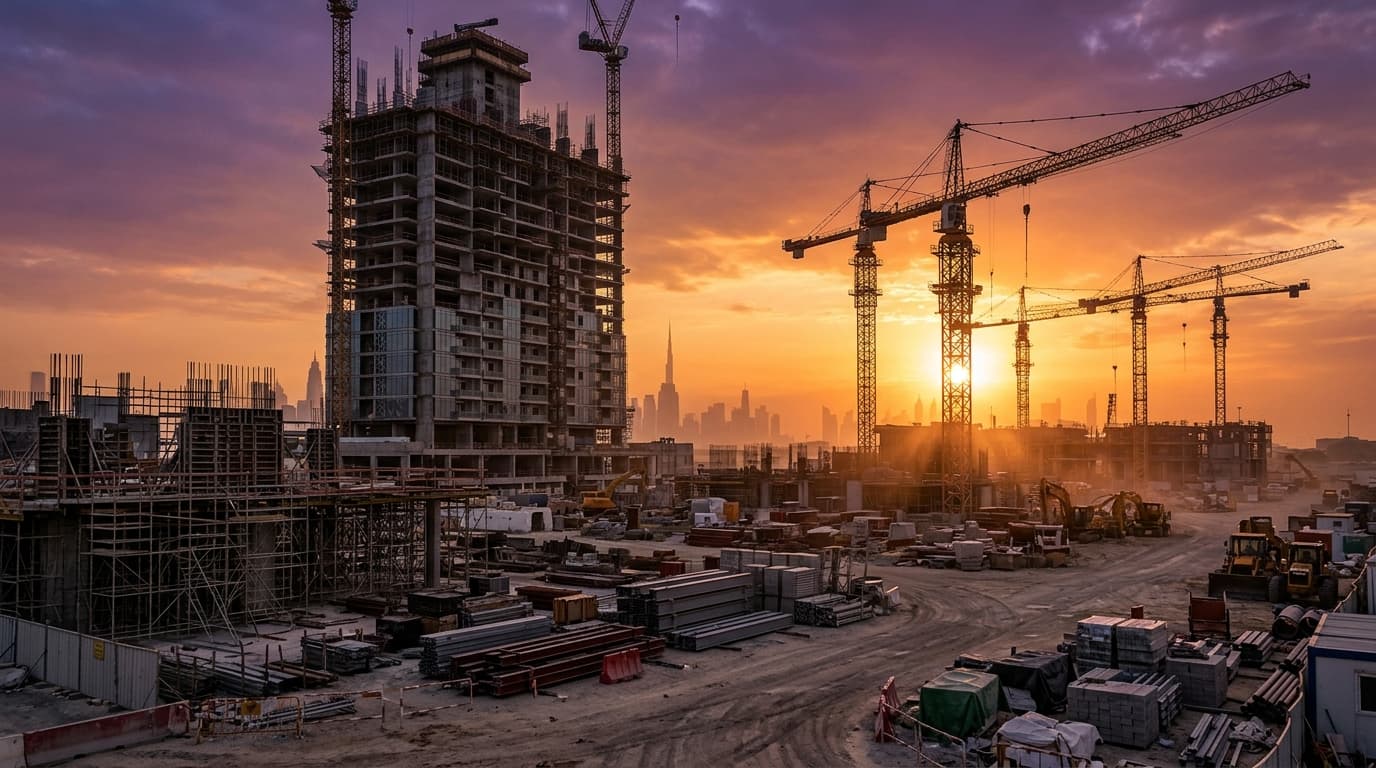
The Dubai Land Department reported more than 2,100 Emirati employment opportunities created between 2023 and 2026 in collaboration with ministries and government entities. That headline signals a material capacity increase, but assessing its market impact requires role-level disclosure and follow-up operational KPIs to convert the 2,100+ jobs into measurable benefits for the sector.
Binayah Editorial
Property Market Analyst
Our editorial team researches Dubai's real estate market, tracking DLD data, developer launches, and investment trends to keep buyers and investors informed.
Ready to Invest in Dubai?
Speak with our analysts about the best opportunities in today's market, free consultation.
Related Articles
 Market Report 8 min read
Oct 30, 2026
Sharjah Muwaileh branch opens: what it means for buyers
 Market Report 8 min read
Oct 30, 2026
National Industrial Register: Ras Al Khaimah Economic Zone (RAKEZ) workshop
 Market Report 8 min read
Oct 30, 2026