Tallest towers in Dubai: heights, values and investor impact
Tallest towers in Dubai define the skyline and shape property prices across Downtown, Dubai Marina and Business Bay for investors and residents alike.
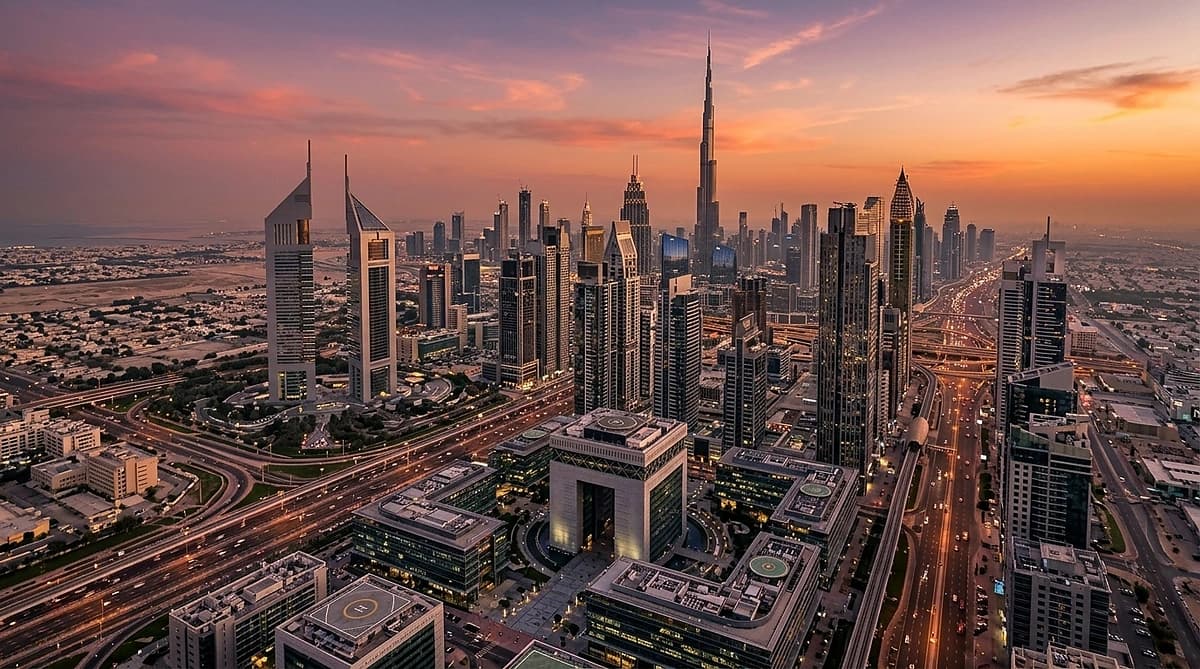
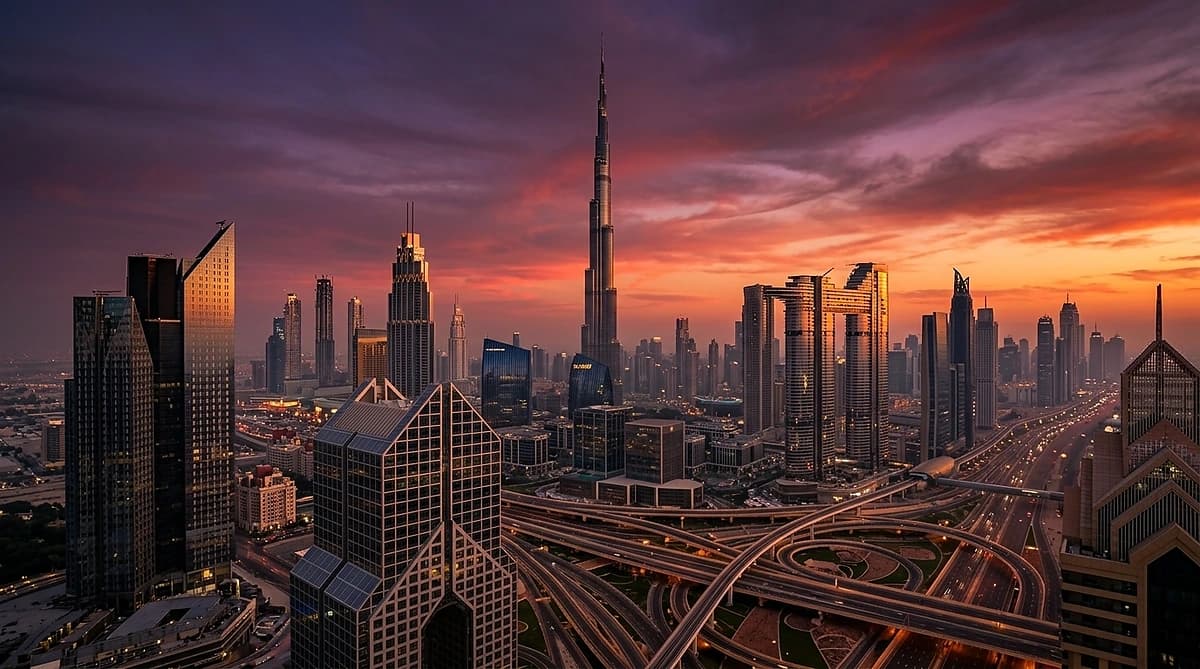
Dubai’s skyline is dominated by a handful of skyscrapers whose heights and uses influence nearby land values, rents and demand patterns. The Burj Khalifa at 828 metres is the obvious focal point; behind it sit residential giants such as Princess Tower and 23 Marina. For buyers and landlords, height is not just a landmark detail it affects views, views-based premiums, service charges and the way buyers perceive prestige.
This market report explains why height matters, how tall towers change investor returns, where new supertalls are adding supply, and what practical steps buyers and landlords should take. Figures and observations reflect Binayah Research Team analysis and known building specifications such as Burj Khalifa (828 m), Princess Tower (413.4 m) and 23 Marina (392.8 m).
Why does height matter for Dubai property values?
Why does height matter for Dubai property values? Key Data
Tallest building
Burj Khalifa
828 mTop residential
Princess Tower
413.4 mView premium range
10-30%
Binayah Research TeamPrime penthouse pricing
AED 30m+
market examplesHeight matters because taller towers create premium views and branding that lift prices and rents for certain units. Buyers pay a premium for skyline views, and developers position supertalls as flagship assets that command higher asking prices.
In Dubai, that premium is visible in buildings such as Burj Khalifa (828 m), Princess Tower (413.4 m) and 23 Marina (392.8 m), where upper-floor apartments typically trade at a multiple above low-floor equivalents. Binayah Research Team data show view premiums often add a 10-30% uplift to similar-floorplate units in prime high-rises, and premium penthouses can list at multiples well above standard apartments.
The nuance is that height-driven premiums vary by building, floor, orientation and amenities. Tall towers create concentration risk: if many supertall units come to market simultaneously, price sensitivity rises and yields compress. For owners, that means a view premium today may not fully protect value if neighbouring tall developments change sightlines or increase supply.
Key Insight
Buyers should value view premiums but stress-test returns for nearby pipeline supply. A 10% view premium can vanish if a new tower blocks sightlines within 3-5 years.
- Height can materially increase capital value for upper floors
- View premium varies 10-30% by building and orientation
- Supertalls carry concentrated supply and resale risk
- Amenity and address still shape the strongest premiums
What do tall towers mean for property investors in Dubai?
Tall towers mean both premium pricing and specific investment risks that change holding-period returns. Investors benefit from branding and rental demand but face higher purchase prices, elevated service charges and potentially slower liquidity for large units.
From an income perspective, Binayah Research Team analysis finds that gross rental yields in prime high-rise apartments typically sit between 5% and 7% depending on tower and location, while exceptional penthouses can trade below 3% yield on asking price because of high capital cost. Tall towers also attract a certain tenant profile tourists, executives and high-net-worth residents which can support higher nightly or monthly rates but also create seasonally variable occupancy.
Risk management matters: higher service charges in supertalls can erode net yields; stamp duty and transaction costs are fixed percentages that weigh more heavily on expensive towers; and resale can take longer for atypical layouts. Investors should compare net yield after service charges and expected occupancy rather than headline asking yields alone.
| Building | Height (m) | Type | Year completed |
|---|---|---|---|
| Burj Khalifa | 828 | Mixed-use | 2010 |
| Marina 101 | 425 | Mixed-use | 2017 |
| Princess Tower | 413.4 | Residential | 2012 |
| 23 Marina | 392.8 | Residential | 2012 |
| Elite Residence | 380.5 | Residential | 2012 |
| Almas Tower | 360 | Commercial | 2008 |
"Investors must weigh view premiums against service charges and liquidity when evaluating tall-tower assets."
, Binayah Research Team
How does supply and demand affect new tall developments in Dubai?
How does supply and demand affect new tall developments in Dubai? Key Data
Key submarkets
Downtown, Dubai Marina, Business Bay
Typical gross yield range
5-7%
Binayah Research TeamNew supply effect
short-term price softening possible
Floor premium impact
10-30% view uplift
Supply of new tall developments concentrates choice and can compress premiums if several supertalls open near each other. When multiple tall towers deliver in the same submarket, buyer demand fragments and price competition increases.
Demand for tall towers in Dubai is driven by location, views, and developer reputation. Areas such as Downtown Dubai, Dubai Marina and Business Bay continue to attract supertall proposals because they offer waterfront or landmark views that support premium pricing. However, when supply expands quickly multiple towers completed within a short window the Binayah Research Team observes short-term softening in resale prices and longer time-on-market for large-format apartments.
That dynamic creates levers for buyers and landlords: time purchases to avoid cluster deliveries, prefer floors with protected sightlines, and compare service-charge projections. New supply also affects rental markets: a cluster of new units can temporarily depress rents by increasing available furnished inventory, reducing gross yields by several percentage points in micro-markets.
Key Insight
When several towers complete at once in a micro-market, expect rents to dip and listings to increase; plan acquisitions to avoid immediate cluster competition.
- Cluster completions can compress premiums
- Location and developer brand sustain long-term demand
- New tall supply can reduce short-term rents
- Protected sightlines preserve the strongest value
What practical advice should buyers and landlords consider for tall-tower apartments?
Buyers and landlords should prioritise floor, orientation and service-charge transparency when evaluating tall-tower apartments. These three factors most directly determine net returns and resale prospects.
Specifically, check developer and master-developer plans for nearby pipeline towers that could change views; request historic service-charge and reserve-fund statements because supertalls typically carry higher per-unit maintenance costs; and compare net yield after realistic vacancy and service-charge assumptions. Binayah Research Team recommends running scenarios where service charges rise by 10-20% over five years and testing liquidity by reviewing similar units' time-on-market in the building.
For landlords, use furnished, short-term rental strategies only after modelling occupancy volatility, since tall-tower tenants can be seasonal. For buyers, consider long-term value drivers such as address, direct waterfront or landmark views, and developer reputation rather than paying solely for current view premiums.
Key Insight
Always obtain past service-charge statements and confirm projected reserve funding. A small difference in annual service charges can reduce net yield by 0.5-1 percentage point.
- Verify nearby pipeline and future sightline risk
- Request historic service-charge and reserve fund data
- Model net yield including vacancy and maintenance
- Prefer floors with protected, long-term views
Tall towers in Dubai deliver identifiable view premiums and branding benefits, but they also carry specific costs and liquidity considerations. Figures such as Burj Khalifa’s 828-metre height and typical gross yield ranges of 5-7% (Binayah Research Team) summarise the market trade-offs buyers and landlords must weigh. Evaluating net yield, service charges and pipeline supply is essential before committing to a supertall apartment.
Binayah Editorial
Property Market Analyst
Our editorial team researches Dubai's real estate market, tracking DLD data, developer launches, and investment trends to keep buyers and investors informed.
Ready to Invest in Dubai?
Speak with our analysts about the best opportunities in today's market, free consultation.