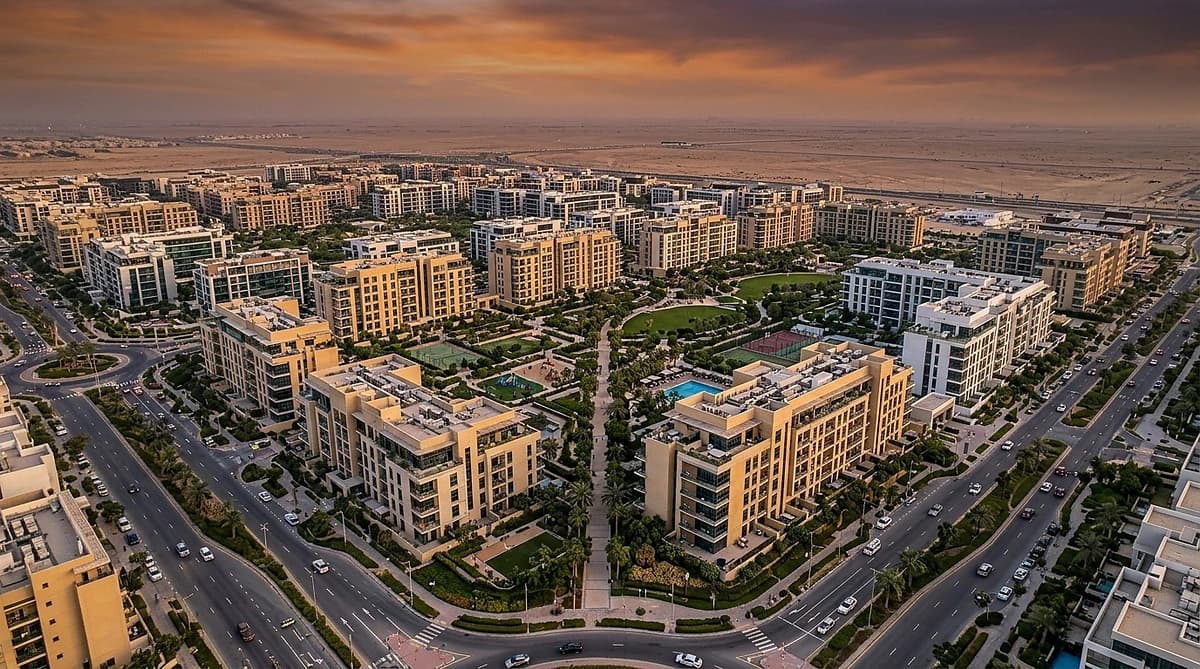
Dubai residential market AED 15.9bn sales and 38,000+ pipeline
Dubai residential market recorded AED 15.9 billion in sales as buyers increasingly prefer smaller apartments amid a large upcoming delivery window.
The AED 15.9 billion sales total captures a recent market pulse where transaction volume has tilted toward one- and two-bedroom apartments. That shift reflects affordability pressures, short-stay rental demand and investor strategies that favour smaller, easier-to-let units rather than larger family homes. Developers are reacting by accelerating projects that match this buyer profile while also planning a big wave of completions.
Developers and planners have more than 38,000 homes scheduled for delivery between 2027 and 2029, creating an unusual convergence of strong near-term supply and concentrated demand for compact units. That combination will determine which submarkets tighten and which will face pricing pressure over the next three years.
What was the Dubai residential sales volume and value?
What was the Dubai residential sales volume and value? Key Data
Sales value
AED 15.9bn
Pipeline homes
38,000+
Delivery window
2027-2029
Demand shift
smaller apartments
Residential sales totalled AED 15.9 billion, and the transaction mix has shifted noticeably toward smaller apartments while developers ready more than 38,000 homes for delivery in 2027 to 2029.
The AED 15.9 billion figure represents the latest aggregated residential sales value reported in the source and signals a market where activity is meaningful but concentrated. The prominence of smaller apartments in that sales mix matters because compact units trade more frequently and are easier to finance for buyers and investors. With more than 38,000 homes planned for delivery between 2027 and 2029, supply-side timing becomes the central variable for price movement and absorption.
The immediate implication is a more granular market where location and unit mix will decide winners and losers. Submarkets with strong rental demand and limited new supply will outperform, while areas facing a high share of the 38,000 incoming units will need stronger occupier demand to avoid downward price adjustments.
Why are smaller apartments leading demand in Dubai?
Why are smaller apartments leading demand in Dubai? Key Data
Primary demand
smaller apartments
Sales value referenced
AED 15.9bn
Smaller apartments are leading demand because buyers and tenants prioritise affordability, frequent turnover and easier financing, contributing to a significant share of the AED 15.9 billion in residential sales.
Affordability is the clearest driver: smaller units cost less to buy and to service on a mortgage, making them accessible to first-time buyers and expatriate renters. Investors also prefer compact apartments for shorter vacancy cycles and simpler management. The market snapshot shows the AED 15.9 billion sales total alongside developers planning deliveries, which implies demand for compact units is influencing new supply decisions rather than the other way around.
There is a risk if the incoming pipeline of more than 38,000 homes is concentrated in small-unit schemes; oversupply in that segment could compress rents and prices faster than for larger family units. Buyers and investors should therefore assess location-specific absorption and developer reputation before assuming continued demand will protect values.
"Smaller units are dominating transaction volume because they match what rent-paying households can afford today while giving investors faster turnover opportunities."
, Binayah Research Team
When will the 38,000 homes in the Dubai residential market be delivered?
When will the 38,000 homes in the Dubai residential market be delivered? Key Data
Pipeline homes
38,000+
Delivery period
2027-2029
Referenced sales value
AED 15.9bn
Market test
absorption versus supply
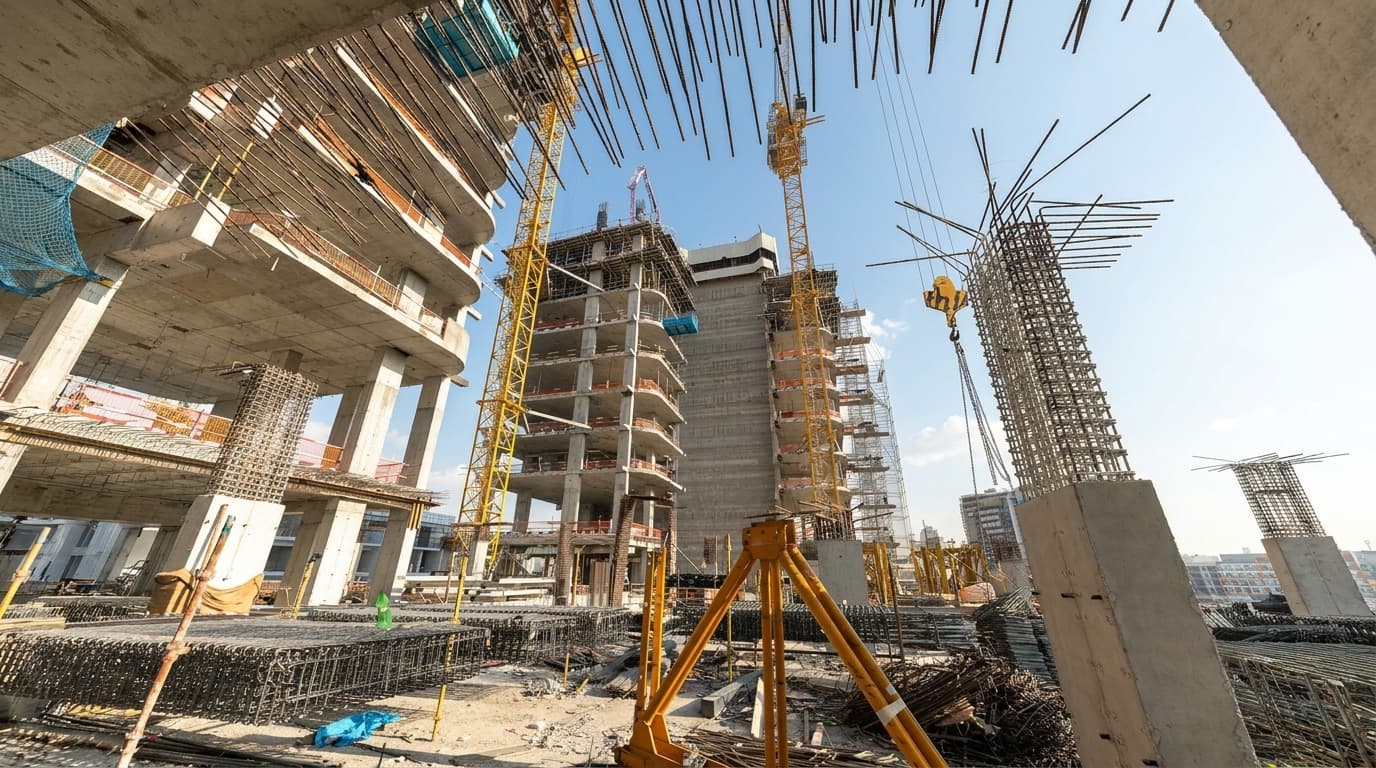
Over 38,000 homes are slated for handover between 2027 and 2029, producing a concentrated supply wave that will put absorption across multiple submarkets to the test.
That delivery window is the single largest near-term variable for prices and rents. If arrivals are evenly absorbed by rising occupier demand, the market can incorporate the new stock without severe price corrections. If absorption lags, especially where those incoming units are predominantly smaller apartments, downward pressure on rents and secondary market prices could follow. The AED 15.9 billion in recent sales highlights current demand, but delivery timing will decide whether that demand is sufficient to soak up supply.
Investors and developers must watch project completion schedules and locality-specific presales to judge realistic absorption. Areas with established rental demand and limited competing projects will be far less exposed than districts where the 38,000 homes cluster.
| Metric | Value | Note |
|---|---|---|
| Total residential sales | Dh15.9bn | Latest reported aggregated value |
| Scheduled home deliveries | 38,000+ homes | Planned between 2027 and 2029 |
What are the investment implications for buyers and investors?
What are the investment implications for buyers and investors? Key Data
Investor focus
location and unit mix
Market context
AED 15.9bn sales
Pipeline risk
38,000+ homes
Delivery years
2027-2029
The core investment implication is that the AED 15.9 billion sales backdrop and a 38,000+ home pipeline mean location and unit mix will determine returns more than headline market momentum.
For investors, that translates into careful selection: favour submarkets with strong rental demand, low competing new supply, and accessibility to transport or employment hubs. Given the scheduled deliveries between 2027 and 2029, investors should stress-test cashflow assumptions against slower rent growth and potential short-term price softening. The AED 15.9 billion sales value shows there is active demand today, but the timing and concentration of new supply are the dominant risks for near-term yield and capital appreciation.
Buyers seeking owner-occupation benefit from targeting units with long-term usability rather than the smallest floorplates that suffer most in an oversupplied market. Investors should prioritise liquidity and professional property management to reduce vacancy risk as the pipeline arrives.
Key Insight
Given the 38,000+ homes scheduled for 2027 to 2029, prioritise locations with proven rental demand and avoid speculative small-unit projects unless you can tolerate longer vacancy risk. Assess cashflow under conservative rent assumptions.
- Prioritise established rental hotspots over new micro-markets
- Stress-test yields assuming modest rent growth
- Choose unit sizes with broader occupier appeal
The latest snapshot shows AED 15.9 billion in residential sales while developers prepare more than 38,000 homes for delivery between 2027 and 2029. That combination means the market will be decided by where new supply lands and whether occupier demand can absorb mainly smaller apartments, making location and unit mix the decisive investment factors.
Binayah Editorial
Property Market Analyst
Our editorial team researches Dubai's real estate market, tracking DLD data, developer launches, and investment trends to keep buyers and investors informed.
Ready to Invest in Dubai?
Speak with our analysts about the best opportunities in today's market, free consultation.