Ras Al Khaimah developer net profit AED 111.37m explained
Ras Al Khaimah developer net profit rose to AED 111.37 million in the first nine months despite falling unit sales and regional volatility.
The listed developer in Ras Al Khaimah posted a net profit of AED 111.37 million for the nine-month period while reporting a slowdown in unit sales as regional economic volatility weighed on buyer demand. Management says handovers are progressing and that several projects remain on track for year-end completions, a detail investors and homeowners should watch closely.
Slower sales reduce near-term cash inflows and raise questions about pricing power and inventory absorption, although the profit figure shows the business remains profitable over the nine-month stretch. The balance between reported earnings and weaker sales will shape the developer's funding, handover ability and investor returns into the next reporting season.
What was the financial snapshot for Ras Al Khaimah’s listed developer?
What was the financial snapshot for Ras Al Khaimah’s listed developer? Key Data
Net profit
AED 111.37 million
Period
First nine months
Sales trend
Unit sales fell
Handovers
Targeting year-end completions
Ras Al Khaimah’s listed developer reported a net profit of AED 111.37 million for the first nine months, despite weaker unit sales that reduced revenue momentum. The company framed the nine-month result as profit resilience amid softer demand, with AED 111.37 million the headline figure investors will use to judge near-term earnings power.
The reported AED 111.37 million covers the first nine months and contrasts with commentary that unit sales fell during the same period; the source did not publish a unit-sales number. That combination typically means margin management or non-recurring items helped preserve the net figure, while top-line volumes and forward sales pipelines weakened because of regional volatility.
For analysts and investors this snapshot signals a cautious picture: profitability remains but the sales slowdown warns of pressure on future cash flow and the timing of project receipts. The next market-moving items will be quarter-by-quarter sales disclosures and confirmation that year-end handovers convert into buyer collections rather than delayed receipts.
Are handovers still on track and what does 'targeting year-end completions' mean?
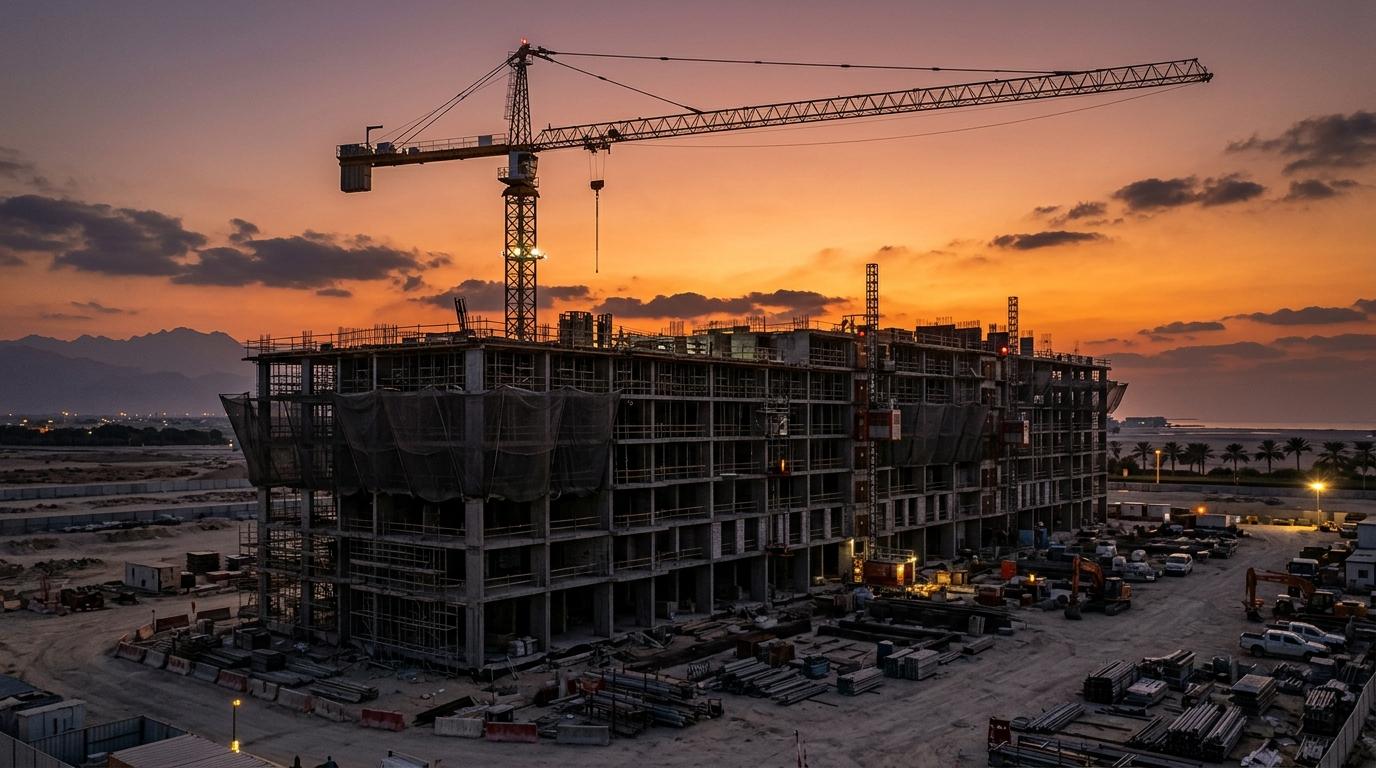
Yes, the company has said handovers remain on track and is targeting year-end completions, with the same report that recorded AED 111.37 million profit for the first nine months. The phrase implies scheduled transfers of units to buyers are planned before the calendar year closes, which matters because handovers trigger final payments and revenue recognition.
On-the-ground delivery of those handovers will be the immediate test of the developer's cash conversion after a period of weaker unit sales. If the handovers proceed as announced, they will generate buyer receipts and reduce outstanding inventory. If they slip, the business could face delayed collections that would stress working capital despite the AED 111.37 million profit already reported.
Investors should watch official handover confirmations, buyer collection rates and whether any projects shift completion dates beyond the "year-end" target. Any meaningful slippage would increase refinancing or operational risks and could change near-term earnings visibility even though the nine-month profit figure remains positive.
| Metric | Target | status |
|---|---|---|
| Handovers | Year-end | On track |
| Net profit | Dh111.37 million | Reported for nine months |
"Planned handovers will be a critical cashflow test after nine months of profit and weaker sales."
, Binayah Research Team
What does slowing unit sales mean for investors in Ras Al Khaimah’s listed developer?
What does slowing unit sales mean for investors in Ras Al Khaimah’s listed developer? Key Data
Profit buffer
AED 111.37 million
Sales trend
Falling unit sales
Handover timing
Year-end targeted
Investor risk
Cashflow sensitivity
Slower unit sales increase near-term risk for investors because fewer presales and delayed buyer payments can squeeze cash flow even when the company reports a AED 111.37 million profit over nine months. That reported profit cushions the immediate picture, but sales volume is the primary engine for future revenue and cash conversion in property development.
For investors the critical questions are whether price revisions will be required to shift inventory, how quickly handovers convert to cash, and whether margins hold if sales pace slows further. A profit of AED 111.37 million shows the company can report earnings in the short term, but persistent weak sales may force discounts, longer marketing periods or reliance on external funding for project completion.
Risk-aware investors should separate accounting profit from cash performance: track buyer receipts at handover, any reported changes to sales velocity, and commentary on deposit security or escrow balances. Those operational details will determine whether the AED 111.37 million profit translates into sustainable returns or is a temporary buffer against softer demand.
What are the risks and outlook for Ras Al Khaimah’s listed developer?
The near-term outlook is mixed: the developer reported AED 111.37 million profit for the first nine months, but slower unit sales and regional volatility increase execution and cashflow risks. The company’s ability to meet year-end handover targets will be a decisive factor for the outlook and for whether profits convert into stable liquidity.
Key risks include delays to project completions that push cash collections beyond the year-end target, potential need for pricing adjustments to clear inventory, and the broader regional market volatility that has already curtailed buyer activity. Each of these risks could erode future margins and force reliance on external financing even though the nine-month net profit is positive.
The most realistic path for a neutral-to-positive outlook is orderly handovers and steady buyer collections that turn reported profit into cash. If handovers slip or collections weaken, the company could face heightened refinancing or operational strain, meaning investors should monitor handover confirmations and cash collection disclosures closely.
Key Insight
Investors should prioritise cash conversion metrics over accounting profit. Confirm that year-end handovers have been completed and that buyer receipts match expectations before treating the AED 111.37 million profit as evidence of sustainable financial strength.
The core finding is that Ras Al Khaimah’s listed developer reported a net profit of AED 111.37 million for the first nine months, even as unit sales fell and management targets year-end handovers. The immediate outlook hinges on whether those handovers convert into buyer receipts; successful conversion will validate the reported profit, while slippage would heighten cashflow and refinancing risks.
Binayah Editorial
Property Market Analyst
Our editorial team researches Dubai's real estate market, tracking DLD data, developer launches, and investment trends to keep buyers and investors informed.
Ready to Invest in Dubai?
Speak with our analysts about the best opportunities in today's market, free consultation.