Palm Jumeirah market report: top-end deals concentrate
Palm Jumeirah market saw nearly a third of Dubai’s top-end deals in the quarter this year, Knight Frank reports, signalling a shift.
Knight Frank’s short note highlights two clear facts: Palm Jumeirah captured almost one-third of top-end transactions in the latest quarter, and prices across the city’s prime neighbourhoods recorded a fall for the first time since 2020. The combination of heavy transactional concentration and a price decline is unusual for Dubai’s luxury segment and merits close attention from investors and owners.
Those moves matter because concentration raises liquidity and comparability in a small set of trophy assets, while the price dip suggests a broader correction or demand rebalancing in prime areas. Readers will find concise numbers and practical implications for buying, selling and repositioning luxury stock across Dubai’s most expensive communities.
Where were top-end deals concentrated this quarter in Dubai?
Where were top-end deals concentrated this quarter in Dubai? Key Data
Palm Jumeirah share
~33%
Prime prices trend
Dip
first since 2020Report source
Knight Frank
Period
latest quarter
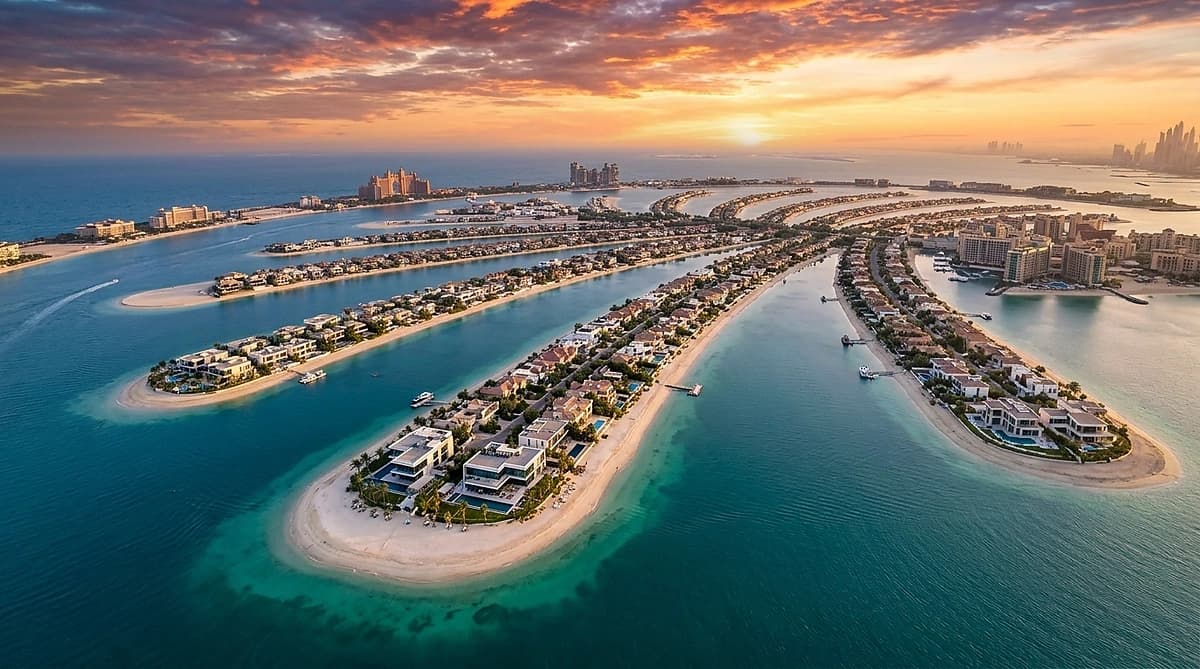
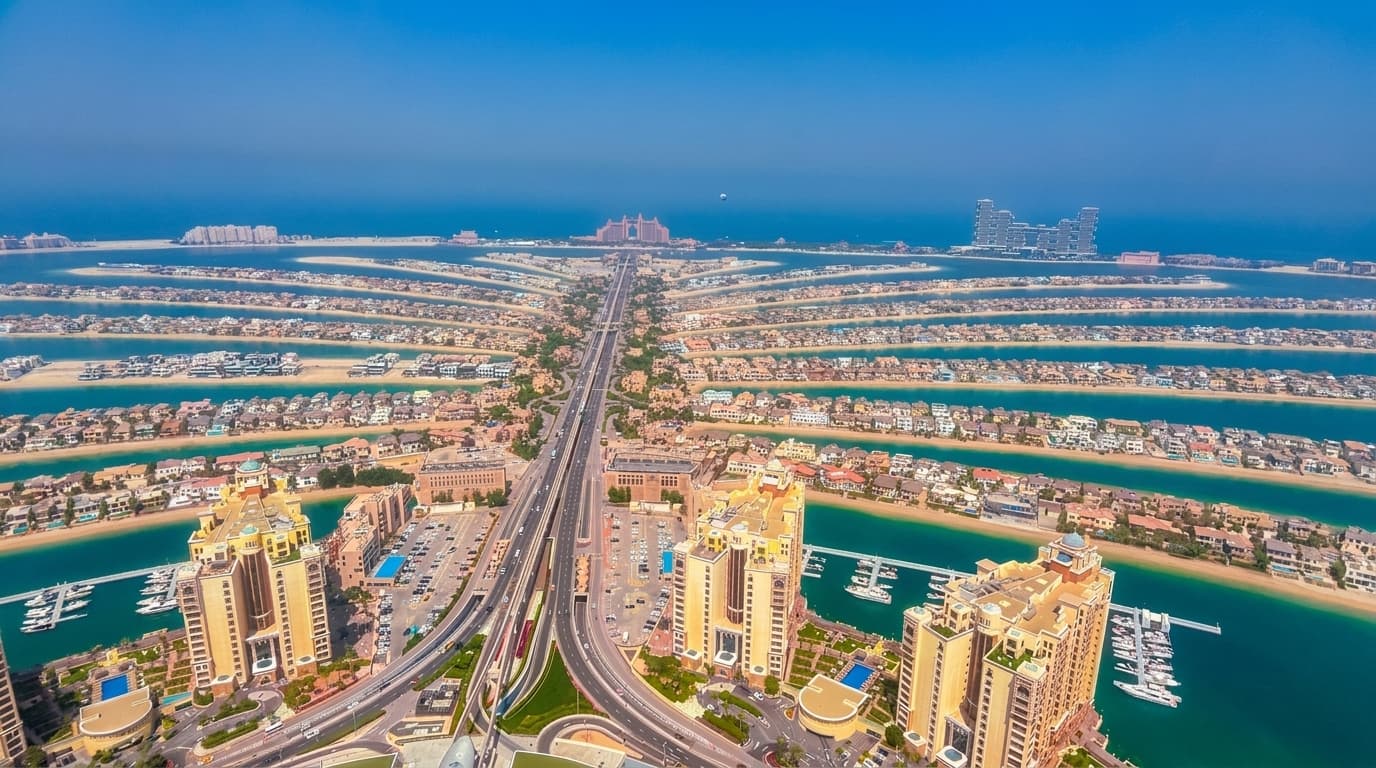
Palm Jumeirah accounted for nearly a third of Dubai’s top-end deals in the quarter, about 33%, according to Knight Frank.
That concentration means a large share of high-value transactions clustered on the island rather than being evenly spread across other prime communities. Knight Frank’s phrasing, that Palm Jumeirah accounted for nearly a third of top-end deals, implies roughly one in three high-value sales took place there in the latest quarter, intensifying demand signals for waterfront trophy stock.
A clustering of this size can lift short-term market visibility for Palm Jumeirah but also raises sensitivity to single-community shocks. If pricing or supply shifts on Palm Jumeirah, the citywide luxury market statistics can swing quickly because nearly 33% of top-end activity now comes from that one location.
- High concentration: nearly a third of top-end deals were on Palm Jumeirah
- Impact: one community now strongly influences luxury market stats
- Investor effect: increased liquidity and comparability for island assets
Why have prices slipped in Dubai’s prime neighbourhoods for the first time since 2020?
Prices in Dubai’s prime neighbourhoods slipped in the latest quarter, marking the first decline since 2020, Knight Frank reports.
Knight Frank does not supply a precise percentage drop in the sourced sentence, but the report emphasises that this is the first recorded fall in prime prices since 2020. The combination of a significant deal concentration on Palm Jumeirah and a citywide price dip suggests a rebalancing: buyers may be choosing trophy waterfront assets while shedding or negotiating on other prime stock, or market momentum is pausing after a multi-year run.
The immediate implication is that sellers in non-Palm Jumeirah prime pockets may face tougher pricing dynamics, while Palm Jumeirah’s heavy share of transactions could either cushion or amplify price moves depending on buyer appetite. Watch for whether future Knight Frank updates quantify the decline; until then, the key facts remain the ~33% transaction share and the first price fall since 2020.
| Location | Top-end deal share | Price direction (reported) |
|---|---|---|
| Palm Jumeirah | ~33% | Not specified in source |
| City prime neighbourhoods (aggregate) | Remainder of top-end deals | Dip (first since 2020) |
"prices in the city’s prime neighbourhoods have dipped for the first time since 2020"
, Knight Frank
What do the Palm Jumeirah figures mean for investors?
Investors should read Palm Jumeirah’s nearly 33% share of top-end deals as both a liquidity advantage and a concentration risk.
A community that accounts for about one-third of high-value transactions delivers clearer comparables and faster market signalling for trophy assets, which can help buyers and sellers set prices more confidently when trading waterfront villas and penthouses. At the same time, concentrated activity makes performance metrics, such as average sale prices and days on market, more sensitive to local factors on Palm Jumeirah compared with less concentrated prime pockets.
Given Knight Frank’s note that prices in prime neighbourhoods have fallen for the first time since 2020, investors should test assumptions around exit timing and diversification. If Palm Jumeirah continues to attract roughly 33% of top-end deals, exposure to the island may outperform in the short term, but it also increases portfolio volatility if demand shifts away.
Key Insight
Concentration warning: Relying heavily on one community raises short-term liquidity but can amplify losses if local demand weakens. Diversify across prime pockets.
- Liquidity benefit: faster comparables on Palm Jumeirah
- Concentration risk: ~33% share increases sensitivity
- Strategy tip: stress-test exit scenarios given price dip since 2020
What should buyers and sellers watch next after Knight Frank’s findings?
Market participants should watch whether Palm Jumeirah keeps its near 33% share of top-end deals and whether Knight Frank publishes a quantified price change for prime areas.
The two numbers to monitor are the transaction share on Palm Jumeirah and any percentage decline Knight Frank or other authoritative sources report for prime prices. If Palm Jumeirah’s share increases further, the island will exert more influence on headline luxury metrics. Conversely, if the share falls and prime prices continue to dip, that would signal a broader cooling beyond a single-community effect.
Practical next steps: track quarterly Knight Frank releases for a precise price-change figure, monitor auction and off-market volumes on Palm Jumeirah for concentration trends, and compare those datapoints before making high-value buy or sell decisions. Right now, the confirmed facts are a roughly 33% Palm Jumeirah transaction share and the first prime price decline since 2020.

- Key metrics to watch: Palm Jumeirah transaction share (~33%)
- Seek a quantified prime price change from Knight Frank
- Compare island activity with other prime pockets for balance
Knight Frank’s snapshot shows Palm Jumeirah captured nearly a third of Dubai’s top-end deals in the quarter (about 33%) while prices across prime neighbourhoods registered a fall for the first time since 2020. The immediate takeaway is higher concentration of luxury transactions on the island alongside a newfound price correction in prime areas.
Binayah Editorial
Property Market Analyst
Our editorial team researches Dubai's real estate market, tracking DLD data, developer launches, and investment trends to keep buyers and investors informed.
Ready to Invest in Dubai?
Speak with our analysts about the best opportunities in today's market, free consultation.