Mussafah Road upgrade Abu Dhabi: route, impact, guidance
Mussafah Road upgrade will rebuild 13 km along the E30 and 8th Street to reduce congestion and travel time for Abu Dhabi commuters.
The department announced a targeted upgrade to Mussafah Road covering 13 km along the E30 and 8th Street, with stated goals to ease congestion, improve road safety and shorten journey times for commuters and freight. That stretch links key industrial areas in Mussafah to the wider Abu Dhabi road network, so benefits will affect both daily drivers and logistics operators that rely on predictable transit times.
For property owners and investors the upgrade is important because transport improvements change access and operating costs. Reduced delays can make nearby industrial units and workforce housing more attractive, while construction itself will require phased traffic management and coordination with businesses across the corridor.
Which roads does the Mussafah Road upgrade cover?
Which roads does the Mussafah Road upgrade cover? Key Data
Upgrade length
13 km
Main corridors
E30; 8th Street
Primary aims
reduce congestion and travel time
Secondary aim
improve road safety
The Mussafah Road upgrade covers 13 km along the E30 and 8th Street in the Mussafah corridor and is designed to ease congestion, improve safety and cut travel time for commuters and businesses.
The announced works explicitly reference a 13 km package linking the E30 and 8th Street through Mussafah, focusing on the main arterial route that serves industrial zones and commuter flows. The department framed the upgrade around traffic flow and road safety gains, which means the programme targets the busiest sections used daily by freight and private vehicles connecting to the wider Abu Dhabi network.
While 13 km is the headline figure, the practical footprint will include adjacent access points and junctions that feed Mussafah's industrial areas. That creates short-term disruption risk during works but also a clearer long-term transport corridor once traffic improvements and safety measures are completed.
How will the Mussafah Road upgrade affect Abu Dhabi logistics and property?
The Mussafah Road upgrade will improve traffic reliability along a 13 km corridor, which matters directly to freight operators and occupiers in Mussafah's industrial district.
More reliable links on the E30 and 8th Street reduce route variability for trucks and vans, which lowers operating uncertainty for logistics companies. Even without published travel-time figures, authorities framed the upgrade around cutting delays and improving safety, outcomes that typically reduce fuel and driver-cost volatility for businesses. For nearby property markets, better road access often increases demand for industrial warehouses and can widen the commuter catchment for worker housing.
There is a timing nuance: immediate benefits depend on how works are staged and managed. Short-term congestion during construction can temporarily offset early gains, so logistics operators and property managers should plan around staged diversions and official traffic updates to protect service levels.
| Impact area | Near-term effect | Medium-term outcome |
|---|---|---|
| Logistics | Reduced bottlenecks along E30 and 8th Street | More reliable freight movement for Mussafah businesses |
| Commuters | Temporary diversions and phased traffic management | Shorter peak journeys and improved road safety |
| Property markets | Construction-period disruption may affect access | Stronger demand for industrial and nearby residential locations |
"With 13 km of works focused on the E30 and 8th Street, the upgrade should materially ease freight movements in Mussafah and shift operational reliability for businesses once complete."
, Binayah Research Team
What should investors and property owners expect from the Mussafah Road upgrade?
Investors and property owners should expect improved corridor-level connectivity once the 13 km upgrade along E30 and 8th Street is complete, with potential demand benefits for industrial and nearby residential assets.
Transport upgrades often translate into lower operating costs for logistics tenants and stronger occupier interest in units with reliable road links. For owners of industrial buildings in Mussafah, improved access can reduce empty running and increase the attractiveness to regional distributors. For residential or worker accommodation close to the corridor, better commutes can broaden the labour catchment for employers. The announcement emphasises congestion reduction and safety, which are the principal drivers of these property effects.
Owners must also factor short-term impacts: construction phases and traffic management can disrupt access, deliveries and daily commutes. Transparent tenant communication and contingency planning for deliveries and staff shifts will help preserve occupancies and revenue during the works.
Key Insight
Investors should treat the Mussafah Road upgrade as a medium-term value event: plan for temporary construction impacts now, and position assets to capture improved connectivity benefits once the 13 km project completes. Maintain tenant communication and schedule maintenance to avoid peak construction phases.
- Review lease clauses for access and delivery obligations
- Communicate expected diversions to tenants early
- Allow extra lead time for inbound logistics during works
- Monitor official updates from the department closely
What practical steps should residents and businesses take during Mussafah Road construction?
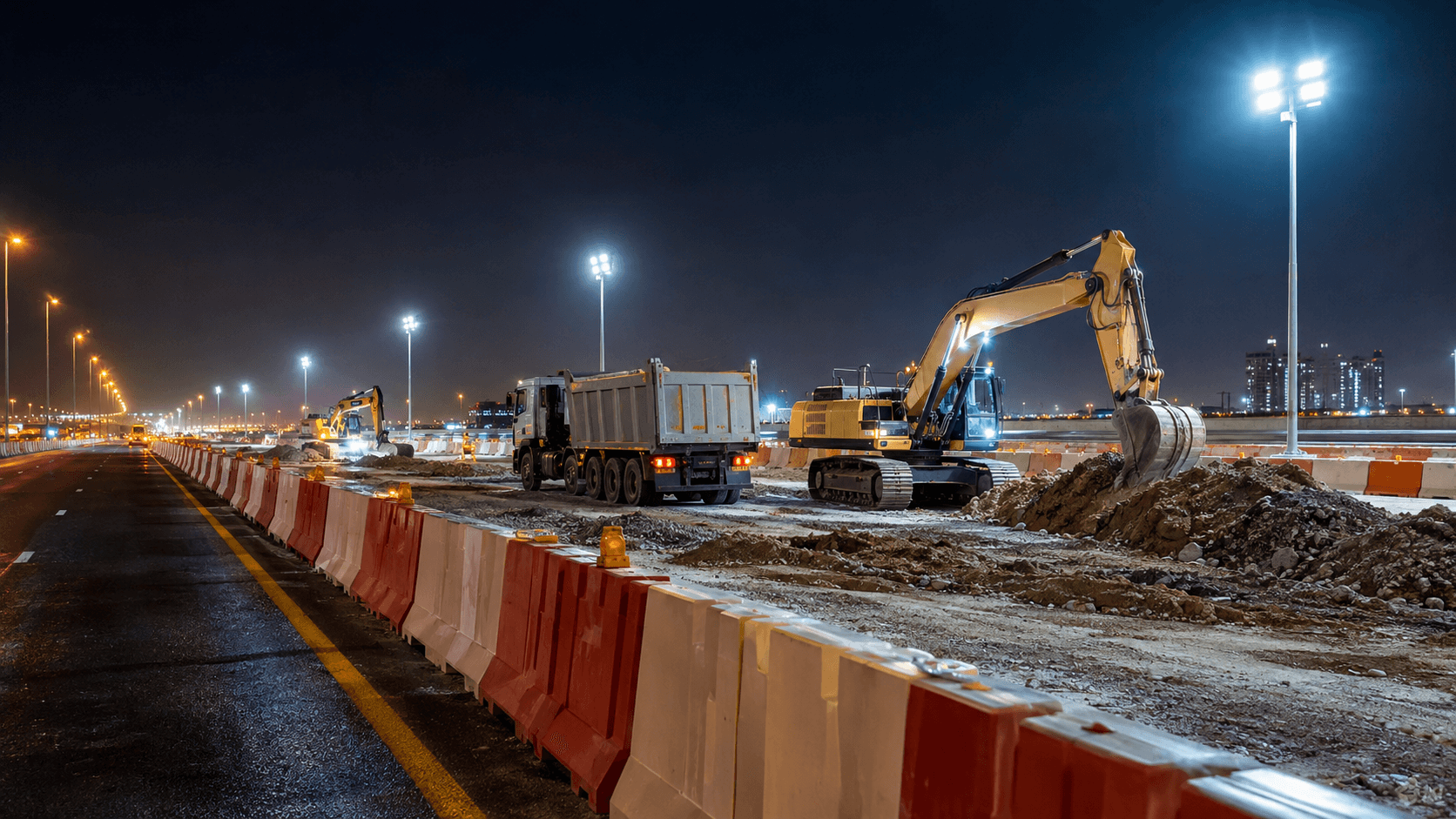
Residents and businesses should expect phased works and directed traffic management through the 13 km Mussafah Road programme and plan alternatives in advance.
Practical steps include mapping alternative routes for employees and suppliers, adjusting delivery schedules to off-peak windows and subscribing to official traffic alerts. The department's announcement highlights congestion and safety as objectives, so authorities will implement temporary diversions and signage preparing in advance reduces service disruption and keeps operations on schedule. Businesses that rely on time-sensitive freight should liaise with carriers about route changes.
Community coordination is also important: confirm emergency access plans with local providers, update staff travel guidance and consider short-term flexible working patterns where commutes will be affected. Planning reduces revenue risk during construction and positions organisations to benefit quickly when the corridor improvements come online.
- Plan alternative routes and test timings before works begin
- Reschedule non-urgent deliveries to off-peak hours
- Sign up for official traffic and construction alerts
- Coordinate with suppliers and tenants about access changes
The Mussafah Road upgrade centres on a 13 km stretch along the E30 and 8th Street and aims to reduce congestion, improve road safety and shorten travel times for commuters and freight. Short-term disruption is likely during construction, while medium-term outcomes should strengthen logistics reliability and the attractiveness of nearby industrial and residential assets.
Binayah Editorial
Property Market Analyst
Our editorial team researches Dubai's real estate market, tracking DLD data, developer launches, and investment trends to keep buyers and investors informed.
Ready to Invest in Dubai?
Speak with our analysts about the best opportunities in today's market, free consultation.