Dubai SME exports market report: logistics and property
On Nov 9 Dubai launched expanded export support for SMEs to reach global markets through logistics partnerships and export assistance programmes.
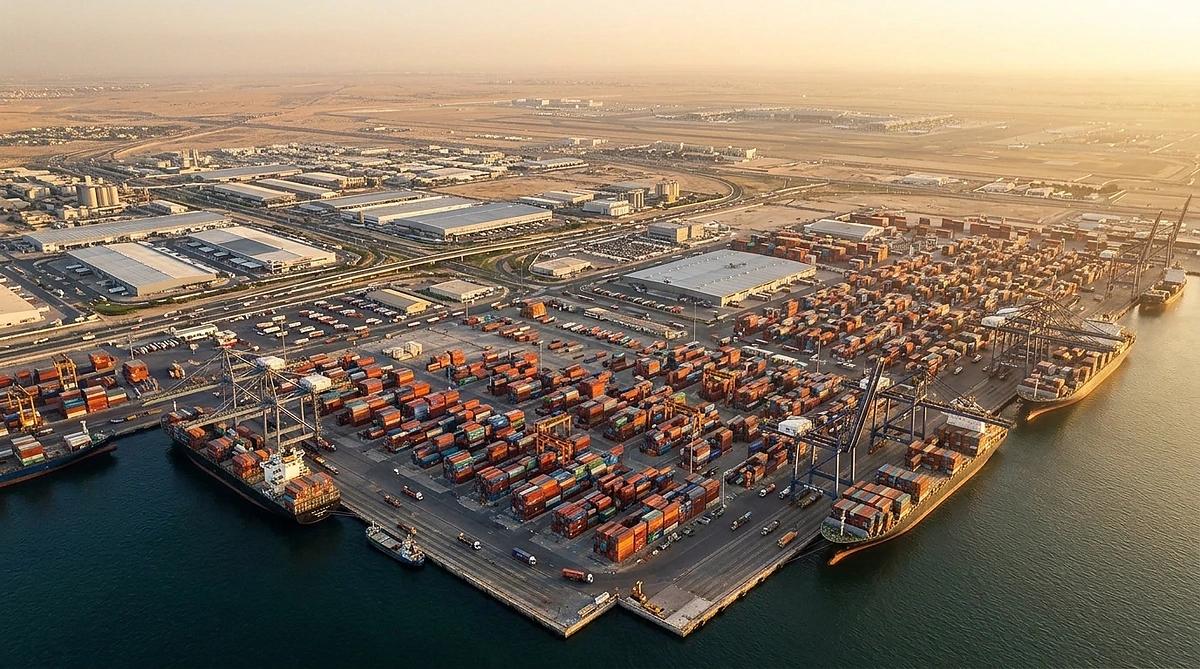
Dubai’s new measures signal a focused push to connect small and medium-sized enterprises with overseas buyers, using partnerships with global logistics companies and targeted export help. The policy aims to reduce friction in cross-border trade for SMEs, improve cargo routing options and offer operational support that can lower time-to-market for smaller exporters. For property markets, the shift points to stronger demand in logistics-related real estate and light industrial facilities near freight corridors and service hubs.
The emphasis on SME exports matters to investors and businesses because it changes occupier demand profiles. Developers and landlords may see more enquiries for smaller, flexible warehouses and last-mile hubs rather than large single-tenant sheds. Companies planning to export should review their supply chains, storage needs and access to export assistance programmes announced by Dubai authorities on Nov 9.
What is Dubai doing to help SME exports?
What is Dubai doing to help SME exports? Key Data
Date
Nov 9
Focus
SME exports
Strategy
logistics partnerships
Programmes
export assistance
Dubai is expanding support for SME exports through partnerships with global logistics companies and new export assistance programmes announced on Nov 9. These actions are meant to help smaller firms reach international buyers more quickly and affordably.
The measures announced on Nov 9 focus on three practical areas: strengthening logistics partnerships, offering export assistance services and promoting trade facilitation for small exporters. Dubai’s approach uses private-sector logistics networks to improve shipping options and pairs those networks with government-backed export help to simplify documentation and market entry. The combined effort is intended to lower barriers that usually stop SMEs from exporting, such as complex customs procedures and high per-shipment costs.
For businesses and investors the immediate implication is clearer: expect a shift from large, single-use industrial projects to more flexible logistics formats that suit smaller exporters. That shift creates opportunities but also risks if supply of the right property types lags behind demand, or if programme uptake by SMEs is slower than planners expect. Monitoring take-up rates and the types of logistics partnerships being signed will show how quickly the market will change.
How will SME export growth affect warehousing and light industrial demand in Dubai?
Rising SME exports will increase demand for smaller, flexible warehouses and light industrial units tailored to packing, sorting and frequent small-lot shipments. Landlords and developers should expect more enquiries for units that support high turnover and value-added services.
As SMEs scale exports, the market impact in Dubai is likely to be concentrated in urban-edge logistics and light industrial clusters that provide quick access to freight links. Rather than large, single-tenant logistics parks, occupiers will seek bays and units that allow flexible lease terms, co-packing services and shared facilities. Real estate demand will come from businesses that need affordable short-term storage, consolidation services and on-demand distribution rather than long-term bulk storage. This structural change will affect leasing strategies, design of new schemes and how landlords price flexibility and service add-ons.
Investors should anticipate a rebalancing of asset utilisation: some larger warehouses may be repurposed or sub-divided, while developers who can deliver modular, serviced spaces may command higher interest. The timing and scale of this shift will depend on how quickly SMEs use export assistance programmes and logistics partnerships to scale international sales.
| Support channel | Primary effect on SMEs | Real estate implication |
|---|---|---|
| Logistics partnerships | Improved shipping links and routes | Demand for smaller last-mile and consolidation spaces |
| Export assistance programmes | Simplified documentation and market access | Need for packing, value-add and storage services |
| Trade facilitation | Faster customs clearance | Higher turnover, lower average inventory days |
"We expect demand to shift toward modular, serviced units that let SMEs export in small batches while keeping operating costs low."
, Binayah Research Team
How can businesses prepare for exporting growth from Dubai?
Businesses can prepare by using export assistance programmes and building partnerships with logistics providers to pilot shipments and test routes. Early engagement reduces operational unknowns and helps firms scale exports deliberately.
Practical steps include mapping current supply chains, running small pilot shipments with partner logistics firms, and using government export assistance to understand documentation and compliance. Firms should assess warehousing needs for consolidation and value-added services such as labeling, kitting and returns handling. Preparing staff for export operations and securing flexible storage options will shorten time-to-market for new products. These measures also help companies control costs and reduce the risks of failed first shipments that often discourage small exporters.
For property planning, businesses should prioritise flexible lease terms and access to serviced facilities rather than committing to large long-term spaces. Testing demand with short-term rental or shared-space solutions reduces capital expenditure and aligns capacity to real export volumes as SMEs grow.
Key Insight
Tip: Start with a single export route and one logistics partner, use export assistance for compliance checks, and secure short-term or modular warehouse space to avoid overcommitment. This approach reduces upfront cost and speeds scale-up.
What policy and market risks should exporters and investors monitor in Dubai?
Key risks include programme uptake rates, regulatory changes, and bottlenecks in logistics capacity that can slow exports even after support is announced. Monitoring how these factors evolve will indicate whether supply and demand are aligning.
Policy announcements such as those made on Nov 9 create momentum, but the real test is execution: which logistics firms sign agreements, how export assistance is delivered and whether customs and trade facilitation are streamlined at scale. If uptake by SMEs is slow or if logistics partners do not deliver promised capacity, the anticipated surge in demand for warehousing and light industrial space may be delayed. Investors should watch programme rollouts, usage statistics and any follow-up guidance from Dubai authorities to judge timing and scale.
Market risks also include concentration of demand in a few submarkets, which can push rents up locally while other areas remain underutilised. For exporters, currency shifts, international trade barriers and changes in freight rates are external risks that can offset local policy support, so companies should hedge operational plans against those variables.
Dubai’s Nov 9 push to help SME exports combines logistics partnerships and export assistance programmes, and it points to stronger demand for smaller, flexible warehousing and light industrial space. The immediate prospect is a shift toward modular, serviced units as SMEs test export markets, but the pace of change will depend on programme uptake and logistics execution.
Binayah Editorial
Property Market Analyst
Our editorial team researches Dubai's real estate market, tracking DLD data, developer launches, and investment trends to keep buyers and investors informed.
Ready to Invest in Dubai?
Speak with our analysts about the best opportunities in today's market, free consultation.