Dubai luxury tourism market: superyachts, marinas and hotels
Dubai’s luxury tourism market is accelerating around Dubai Marina, driven by superyachts, marinas and expanding premium hospitality experiences for global affluent travellers.
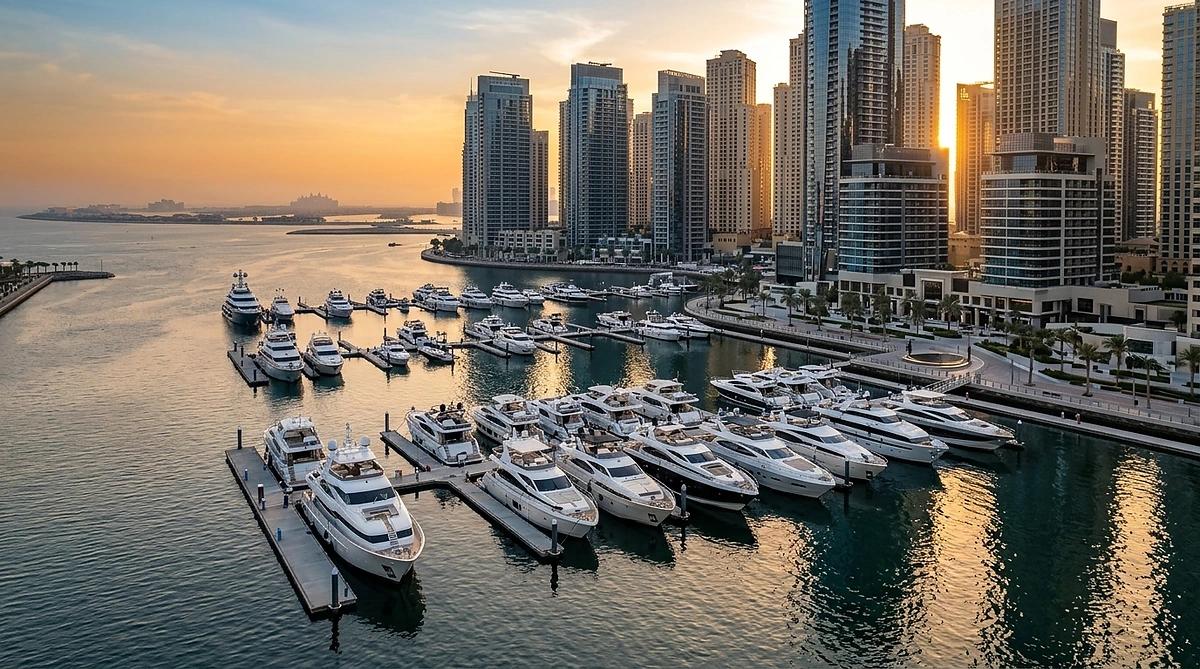
Dubai’s luxury tourism market is moving into a growth phase focused on high-end experiences rather than mass visitation. Superyacht activity, new marina capacity and elevated hotel offerings are concentrating spending in waterfront precincts and branded hospitality. That is redirecting visitor flows toward Dubai Marina, Port Rashid and certain island marinas, and altering short-stay guest profiles from leisure families to affluent travellers seeking bespoke services.
For property owners and developers this means a sharper premium on location, marina access and hotel partnerships. Operators such as marinas and charter companies are becoming key demand drivers that influence where developers build. This report examines the market snapshot, real estate impacts, operator revenue models and the key risks to watch.
What is the market snapshot of Dubai luxury tourism now?
What is the market snapshot of Dubai luxury tourism now? Key Data
Status
Growing
Key assets
Superyachts and marinas
Primary scene
Dubai Marina
Visitor profile
Affluent travellers
Dubai’s luxury tourism market is concentrating around superyacht berths, world-class marinas and premium hotel inventory, shifting high-value visitor spend to waterfront precincts.
Activity now highlights an emphasis on experiences: superyachts, bespoke marina services and ultra-premium hotel amenities are the primary attractors for affluent travellers. That concentration is increasing demand for short-stay suites, serviced residences and marina-front hospitality. Operators report larger average spend per visitor on dining, private events and charter services compared with standard leisure visitors, and municipalities are prioritising marina infrastructure in masterplans.
The strategic nuance is that the market is not evenly distributed across Dubai. Waterfront nodes such as Dubai Marina and island marinas capture the majority of the luxury visitor experience, while inland districts see only secondary uplift. That spatial concentration creates premium pockets for investors but also raises exposure to shifts in yacht seasonality and marina capacity constraints.
How are buyers and developers reacting to Dubai luxury tourism demand?
Buyers and developers are prioritising marina access, branded hotel partnerships and serviced-residence formats to capture luxury tourism spending.
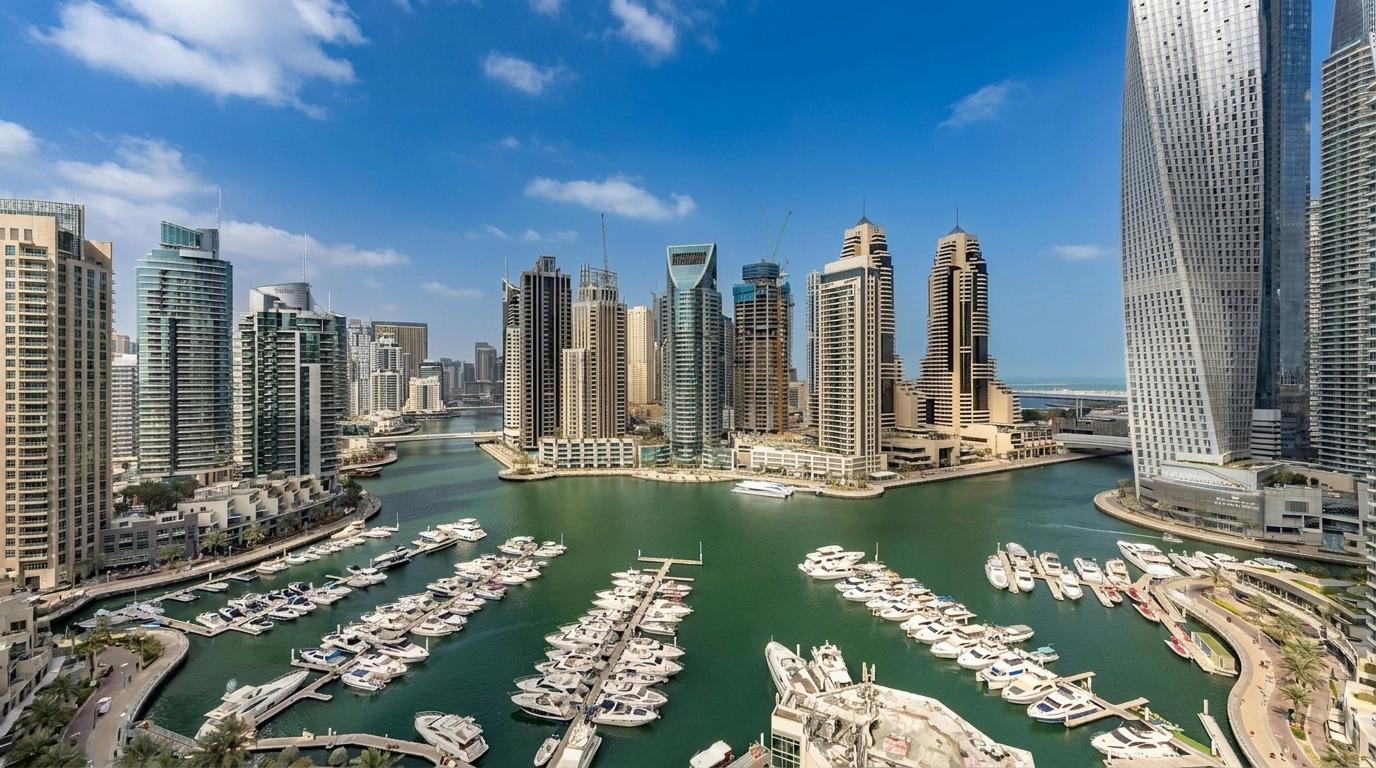
Developers increasingly design mixed-use waterfront schemes that combine hotel rooms, branded residences and private berths to create an integrated high-value product. Buyers seeking short-stay income or lifestyle use prefer properties with easy marina access or attached hotel services. That preference is shifting product mixes toward smaller apartment counts per floor, private amenities and transferable berthing rights where regulations allow. Developers are also exploring third-party hotel management deals to guarantee operational standards that appeal to luxury guests.
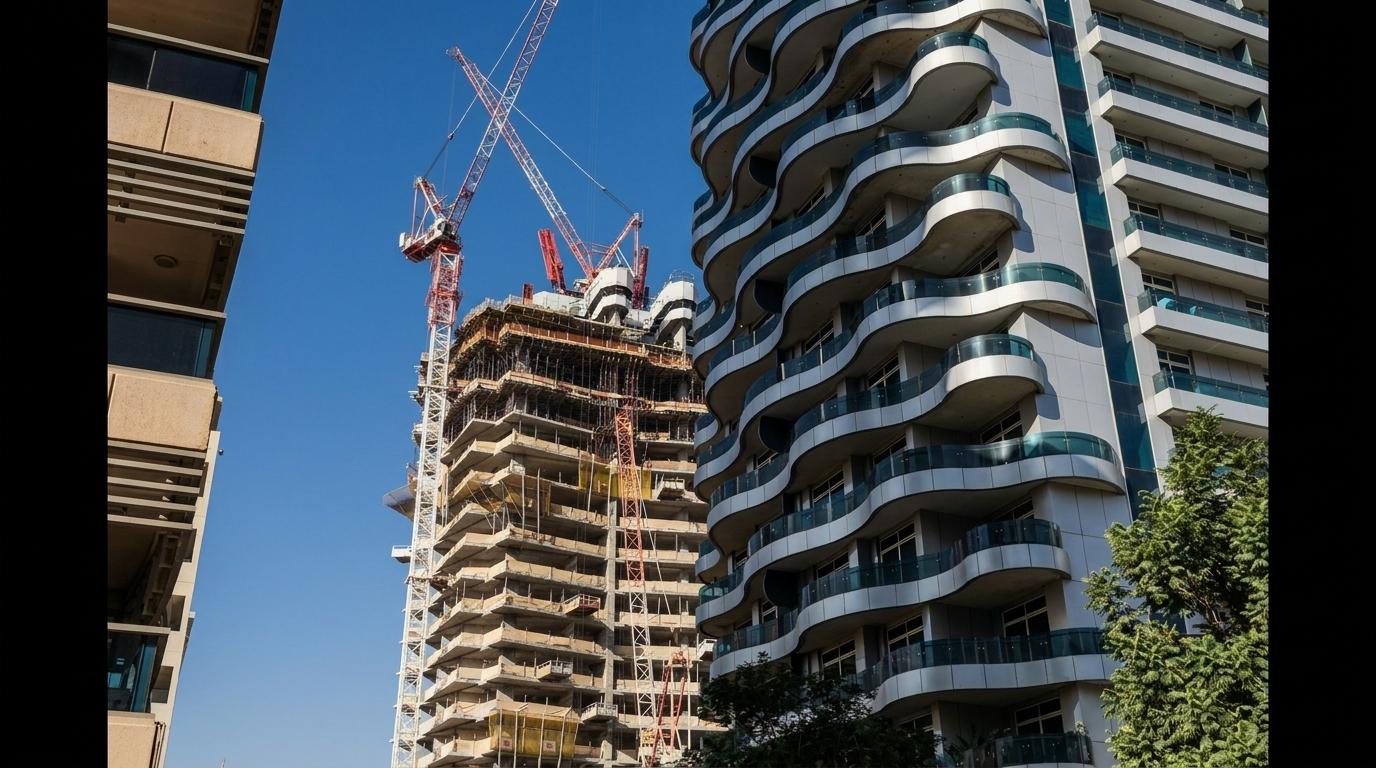
The risk for developers is timing and oversupply in specific micro-markets. If several marina-front projects launch simultaneously, absorption for premium units may slow and service standards can dilute. Developers and buyers should assess proximity to active yacht moorings and existing marina services, not just waterfront views, because operational marina quality largely determines luxury visitor demand.
| Buyer type | Developer response | Typical product |
|---|---|---|
| High-net-worth individuals | Focus on private berths and branded residences | Luxury apartments with marina access |
| Institutional buyers | Scale with mixed-use hospitality assets | Hotel-managed residences and suites |
| Lifestyle investors | Seek short-stay yield and concierge services | Serviced apartments and hotel-linked units |
"Designing around marina operations and hotel partnerships is now a primary way developers secure consistent demand from luxury visitors."
, Binayah Research Team
How do hotels, marinas and charter services generate revenue in Dubai?
Hotels, marinas and charter operators monetise luxury tourism through a combination of room revenue, berth fees, service contracts and bespoke guest experiences.
Revenue streams for hotels include premium room rates, branded events and F&B upsells tailored to affluent guests. Marinas generate income from berth rentals, maintenance services, winter storage solutions and on-site concessions. Charter operators book private charters, bespoke tours and event-based chartering that command premium pricing. Together, the three operator types create bundled opportunities: hotels refer guests to charters, marinas offer concierge services, and charters drive high-margin ancillary spend in hotels and onboard hospitality.
The strategic advantage for real estate owners is to align leases and operating models so that hotels and marinas cooperate rather than compete. Where possible, developers can structure revenue-sharing or preferred supplier agreements to channel luxury guest spend into both the built asset and the operator ecosystem. The caveat is regulatory compliance for berthing, mooring and commercial chartering, which must be confirmed before underwriting long-term income projections.
- Hotel revenue: premium room rates and F&B
- Marina revenue: berth fees and on-site services
- Charter revenue: private bookings and events
What risks and seasonality should investors watch in Dubai luxury tourism?
Key risks include concentrated supply in marina precincts, regulatory rules around berthing and seasonal demand swings that affect yields.
Supply risk is tangible where multiple waterfront projects compete for the same high-net-worth audience. Regulatory factors include berth licensing, commercial charter approvals and marina operating terms that can change revenue forecasts. Seasonality matters because yacht movements and peak luxury travel periods concentrate spending into certain months, increasing vacancy or discounting pressure outside peak windows. Operators and owners must model both peak and off-peak performance when pricing assets.
Investors should stress-test assumptions for marina capacity, regulatory shifts and the length of the high season. Small differences in operating agreements or berth availability can materially change short-stay occupancy and ancillary spend. Careful legal review of berth rights and clear alignment between hotel and marina operators reduces execution risk and protects projected returns.
Key Insight
Assess marina-operational risk and off-peak occupancy before pricing a premium asset. Verify berth licensing and hotel management terms during due diligence to avoid unexpected revenue shortfalls.
Dubai’s luxury tourism market is concentrating spending around superyachts, marinas and premium hotels, creating location-specific pockets of elevated demand. Investors and operators should prioritise marina access, hotel partnerships and regulatory clarity because these factors will determine whether waterfront assets capture the premium luxury visitor spend.
Binayah Editorial
Property Market Analyst
Our editorial team researches Dubai's real estate market, tracking DLD data, developer launches, and investment trends to keep buyers and investors informed.
Ready to Invest in Dubai?
Speak with our analysts about the best opportunities in today's market, free consultation.