Dubai luxury hotels market report: demand, supply and risks
Dubai luxury hotels market is fiercely competitive, drawing international operators and investors to the emirate's rapidly expanding visitor economy today.
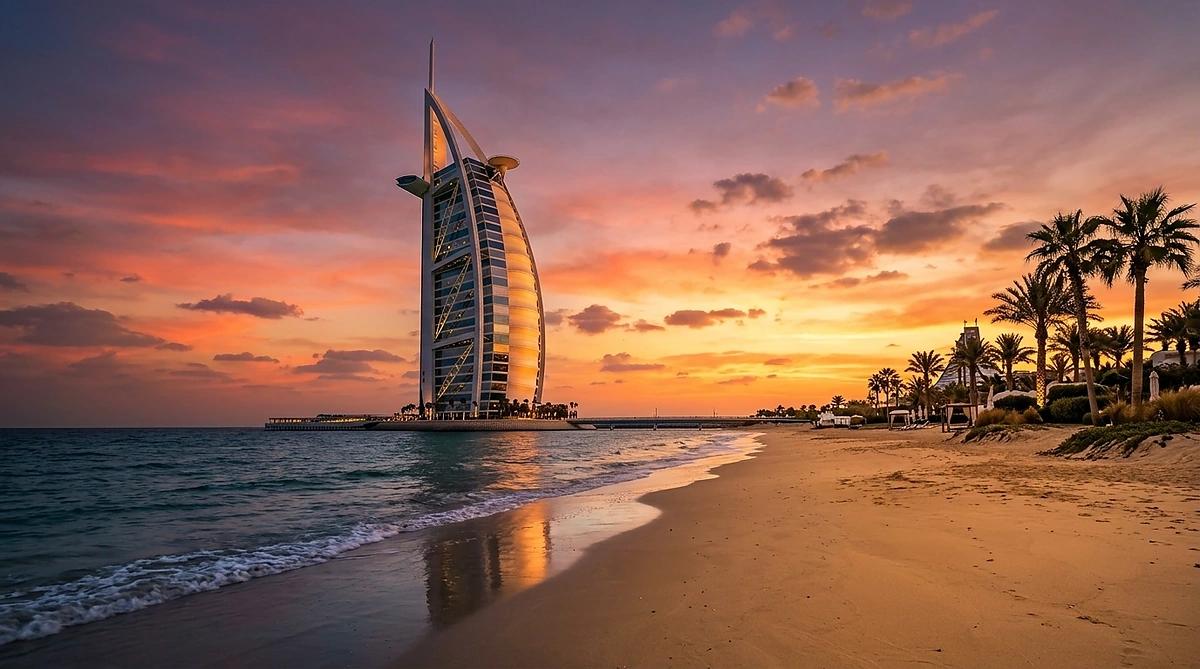
The emirate's appeal rests on year-round tourism, major events and a luxury retail and dining offer that boosts demand for branded hotel products and premium room rates. International hotel operators target Dubai for portfolio growth because of predictable visitation from leisure and affluent travellers and a regulatory framework that supports international management. This combination drives investor interest across waterfronts, downtown precincts and leisure islands.
For investors, understanding who runs a hotel and where it sits in Dubai's visitor ecosystem matters as much as the physical asset itself. Operator strength, event calendars, and targeted supply not blanket expansion shape returns and downside risk for hospitality assets in the emirate.
What are the demand drivers for Dubai luxury hotels?
What are the demand drivers for Dubai luxury hotels? Key Data
Primary demand
International tourism
Event support
Major global events and conventions
Visitor profile
High-net-worth and premium leisure travellers
Market pull
Luxury retail and dining ecosystems
Tourism, major events and high-net-worth travellers are the core demand drivers for Dubai luxury hotels. These elements combine to deliver steady leisure demand and episodic peaks during conventions and global events, supporting branded accommodation across the city.
Dubai's draw includes a built environment of luxury retail, fine dining and attractions that keep stays longer and room rates higher for branded hotels. International travellers and wealthy visitors seek serviced experiences and signature brands, which motivates operators to invest in flagship properties. For investors this means properties tied to strong operators or prime precincts tend to capture the more resilient, higher-spending segment of demand.
The concentration of demand around events and premium retail creates both strength and vulnerability for Dubai hotels. While brands and events support healthy average room rates, reliance on event calendars and international travel corridors can produce variable occupancy patterns. Investors should assess which precincts and operator contracts smooth seasonality and which remain tied to episodic visitation.
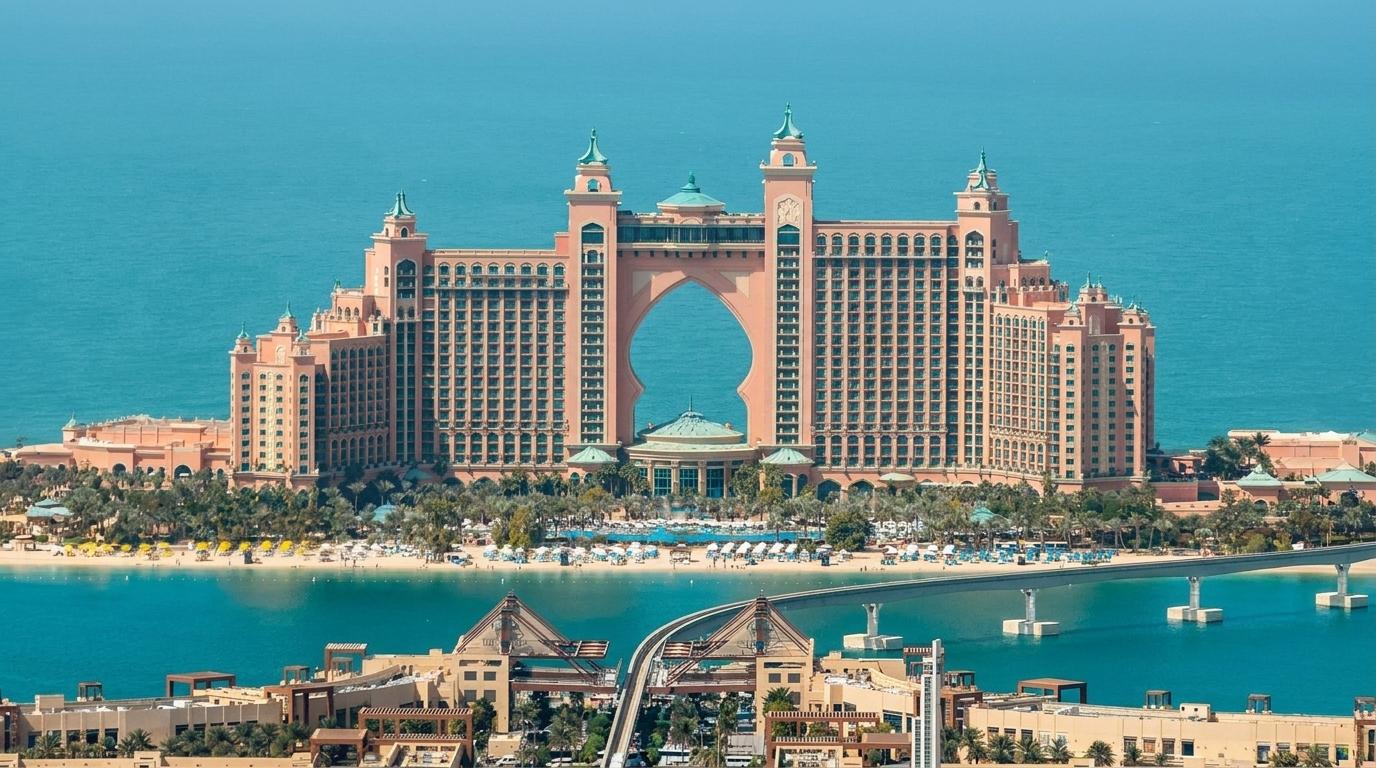
- Branded hotels capture premium guest segments
- Events create episodic demand spikes
- Retail and dining extend length of stay
How do hotel operators affect investor returns in Dubai?
Operator selection directly affects revenue, operating performance and long-term asset value for Dubai hotels. A strong, well-resourced operator typically delivers higher occupancy, better average room rates and more efficient operations than a weaker operator working the same asset.
Operators bring distribution reach, loyalty programmes and sales channels that matter in Dubai's competitive hospitality landscape. They also determine the capital intensity of refurbishments, the cadence of rebranding and how aggressively a hotel is marketed to international source markets. For investors, an operator agreement can therefore be as important as location because it governs revenue share, management fees and the quality of guest experience that underpins pricing power.
Negotiating operator terms, understanding fee structures and assessing brand fit are essential steps for investors. Operator strength mitigates downside during softer demand periods but may require higher fees that compress net operating income. Investors should weigh the trade-off between top-line lift from a premium operator and the margin impact of management and marketing costs.
| Operator role | Investor impact | Typical outcome |
|---|---|---|
| Brand management | Drives room rates and guest mix | Attracts premium travellers and loyalty members |
| Sales and distribution | Determines occupancy and booking channels | Improves yield from key source markets |
| Operational efficiency | Controls costs and margins | Protects income in softer periods |
"Operator selection often determines a hotel's revenue trajectory and long-term valuation more than the physical asset alone."
, Binayah Research Team
- Strong operators expand distribution and pricing power
- Fee structures impact net investor returns
- Operator fit should match target guest segments
Is Dubai's hotel supply expanding or selectively growing?
Dubai's supply growth is selective rather than a blanket expansion across all categories. New projects tend to cluster around branded, experience-led developments in prime precincts rather than uniform citywide build-outs.
Developers and authorities are prioritising projects that add destination value, such as integrated resorts, beachfront hotels and mixed-use precincts that combine retail, dining and attractions with hospitality. This selective approach means that prime locations and branded products receive the majority of investor and operator attention, while secondary locations see more modest or delayed hospitality development.
Selective supply supports pricing for high-end hotels but raises the bar for new entrants who must demonstrate distinct positioning or strong operator partnerships. Investors should examine pipeline quality and approvals to ensure new supply aligns with demand profiles for luxury and branded segments rather than undifferentiated room stock.
- New supply focused on branded, experience-led hotels
- Prime precincts attract the majority of projects
- Secondary locations see slower hospitality growth
What risks should investors watch in Dubai luxury hotels?
Key risks for Dubai luxury hotel investors include demand concentration, operator risk and shifting guest preferences. These factors can affect revenue stability and the timing of returns for branded hospitality assets.
Demand concentration around events and high-net-worth segments can produce sharp swings if global travel patterns shift or specific source markets weaken. Operator risk arises when contracts carry heavy fee burdens or when a rebranding becomes necessary, both of which can compress net income. Other considerations include regulatory or planning changes in the emirate that affect approvals, land use or tourism policy, which can alter the supply-demand balance.
Investors should conduct scenario analysis focused on downside occupancy and rate outcomes, stress-test operator agreements and examine proximate demand generators such as retail, attractions and event calendars. Diversifying across precincts and favouring asset-level flexibility in operator terms can reduce exposure to concentrated shocks.
Key Insight
Assess operator agreements for termination and fee structures before acquisition. Confirm demand drivers beyond marquee events to avoid concentration risk. Stress-test revenue under softer international travel scenarios and ensure the asset can compete if repositioning becomes necessary.
- Concentration risk from event-driven demand
- Operator fee and contract risks
- Regulatory or planning changes affecting supply
Dubai's luxury hotel market is shaped by tourism, events and a concentration of high-spending visitors, and operator choice strongly influences asset performance. Selective supply in branded precincts supports premium performance but also raises the importance of operator agreements and demand diversification. Investors who prioritise operator fit, pipeline quality and demand resilience will be better positioned to manage downside exposure in Dubai.
Binayah Editorial
Property Market Analyst
Our editorial team researches Dubai's real estate market, tracking DLD data, developer launches, and investment trends to keep buyers and investors informed.
Ready to Invest in Dubai?
Speak with our analysts about the best opportunities in today's market, free consultation.