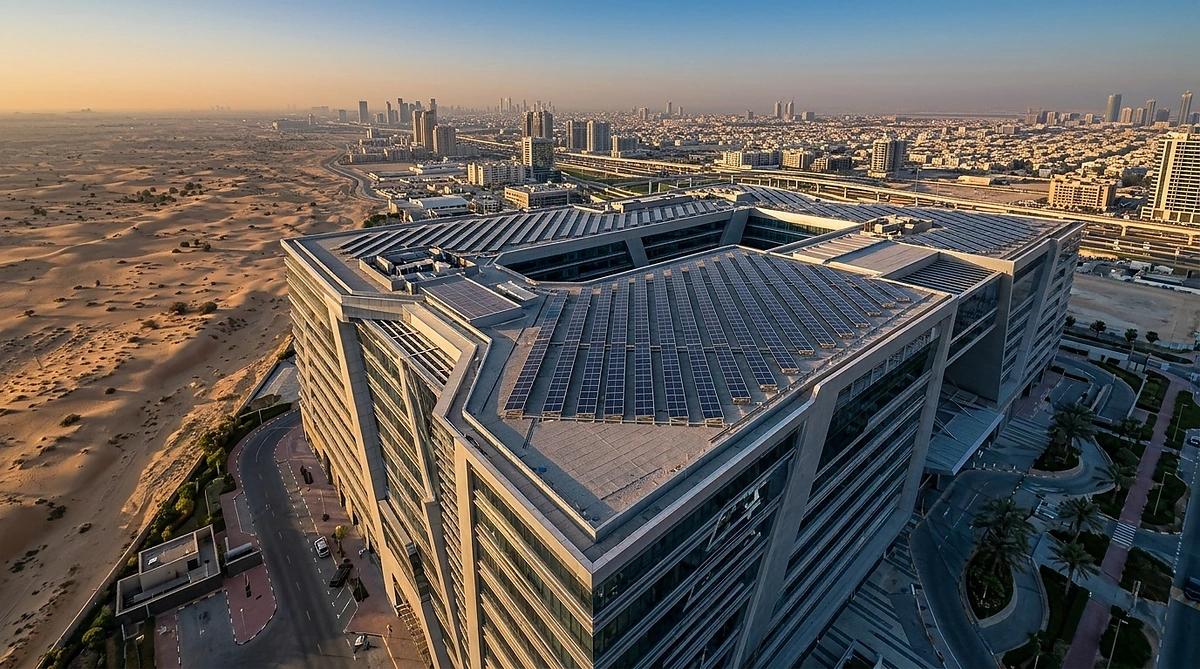
Dubai housing market stabilises: shift to completed homes
Dubai housing market shows early stabilisation as demand shifts decisively toward completed homes and prime locations across the emirate recently.
Dubai's real estate market is moving away from the boom-bust rhythms of heavy off-plan activity and toward steadier, more sustainable growth driven by buyers who prioritise ready-to-move-in properties in well-serviced areas. This change reflects clearer buyer intent, more cautious lending, and a reallocation of search activity to established neighbourhoods where amenities, transport and schools are already in place.
Binayah Research Team monitoring finds that this demand shift helps moderate price swings, shortens time-to-rent for investors and makes purchases more suitable for end users who need immediate occupation. The net effect is a market with fewer speculative transactions and better alignment between what is available and what buyers want.
Why is the Dubai market shifting toward steadier growth?
Why is the Dubai market shifting toward steadier growth? Key Data
Trend
Stabilising
Buyer focus
Completed homes
Location focus
Prime locations
Supply mix
Reduced off-plan demand
Prices are stabilising and transaction activity is settling into steadier growth as buyers favour completed homes and well-located properties rather than speculative off-plan purchases.
Market dynamics are shifting because buyer priorities now emphasise certainty of delivery, proximity to transport and amenities, and immediate rental potential. These preferences concentrate demand in prime locations and for ready stock, which reduces the mismatch between advertised supply and actual handover timelines. Brokers and market watchers report less speculative volume and more measured buying decisions as a result.
The strategic implication is clearer: sellers of completed, well-maintained units are in a stronger negotiating position, while developers and sellers of off-plan stock may face longer sales cycles. Buyers should factor in supply concentration in central areas and the benefit of lower short-term price volatility when timing purchases.
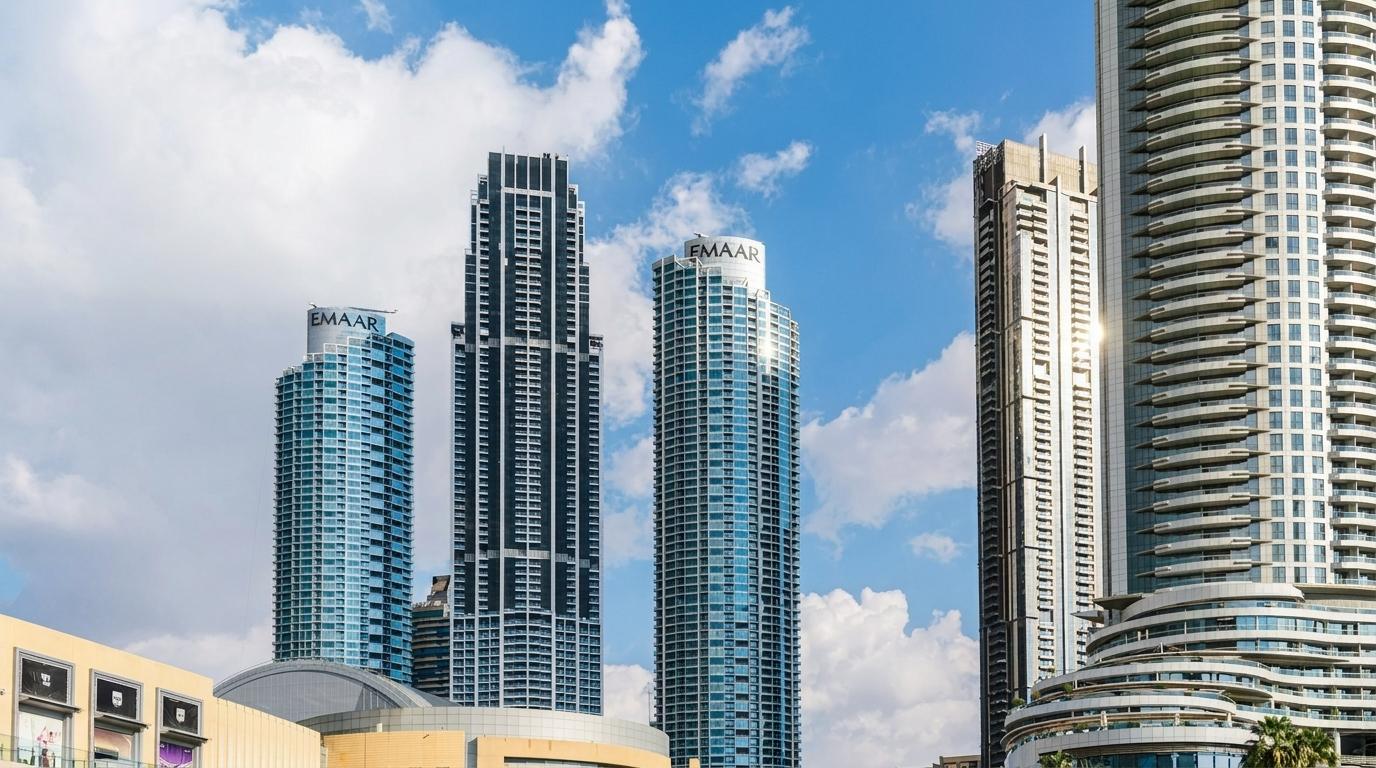
Where are buyers concentrating their searches in Dubai?
Buyers are concentrating searches on completed properties in prime, well-serviced areas rather than remote off-plan schemes, prioritising immediate occupation and local amenities.
Search intent data and agent feedback show higher activity for ready units close to transport, schools and healthcare, with many buyers preferring projects that already demonstrate operational infrastructure. This concentration means listings in these corridors receive more enquiries and faster viewings, while peripheral and speculative developments see comparatively lower search volumes and longer marketing periods.
For brokers and sellers, this requires targeted listing strategies that highlight occupancy readiness, amenity access and service reliability. For buyers, concentrating searches in established pockets reduces moving risk and shortens the path from purchase to occupancy or rental.
| Buyer focus | Property type | Primary reason |
|---|---|---|
| Completed homes | Ready-to-move units | Immediate occupancy and proven amenities |
| Prime locations | Central, well-serviced neighbourhoods | Shorter commute and rental demand |
| Off-plan projects | Future-delivery units | Lower current search intensity |
"Search patterns now favour proven delivery and amenity-rich areas; buyers value certainty over speculative upside."
, Binayah Research Team
What does the shift mean for investors and end users?
The shift toward completed homes and prime locations reduces short-term volatility and shortens time to rent for investors while offering immediate value to end users who need occupancy.
Investors benefit because ready stock typically commands quicker tenant placement and clearer income forecasts, which enhances predictability for rental revenue. End users gain from lower delivery risk and faster access to schools, transport and services, reducing relocation friction. The market’s narrowed focus also means premium is being placed on maintenance, management and visible community quality when comparing units.
However, yield strategies need recalibration: asset selection should weight proven rental demand and operational costs rather than speculative capital gains. Buyers and investors must evaluate service charges, building management and local demand drivers to secure expected returns over time.
Key Insight
Investors should prioritise properties with strong immediate rental demand and transparent service arrangements, since ready homes reduce vacancy risk but may carry higher operating costs.
What risks should buyers and investors watch in the stabilising market?
Key risks include concentration risk in top locations, higher competition for ready stock and the potential for localized price corrections as demand clusters in the same neighbourhoods.
When buyers concentrate on a narrower set of locations, price pressure can rise locally and service charges or maintenance issues can become decisive differentiators. Off-plan sellers may discount over time or extend payment incentives, which can blur market comparables. Additionally, macro factors such as changes in financing terms or regional demand shifts can quickly alter local dynamics despite apparent stabilisation.
To manage risk, buyers and investors should stress-test cash-flow assumptions, review building governance and compare operational costs across options. Diversifying within well-serviced pockets rather than chasing a single hot micro-location reduces exposure to sharp local movements.
The core finding is a clear market realignment: prices and transaction activity are stabilising as buyer searches concentrate on completed homes in prime locations. That shift reduces short-term volatility and helps investors and end users plan for immediate occupancy or rental demand, though it raises competition and concentration risk in top neighbourhoods.
Binayah Editorial
Property Market Analyst
Our editorial team researches Dubai's real estate market, tracking DLD data, developer launches, and investment trends to keep buyers and investors informed.
Ready to Invest in Dubai?
Speak with our analysts about the best opportunities in today's market, free consultation.