Airlines returning DXB: impact on Dubai property market
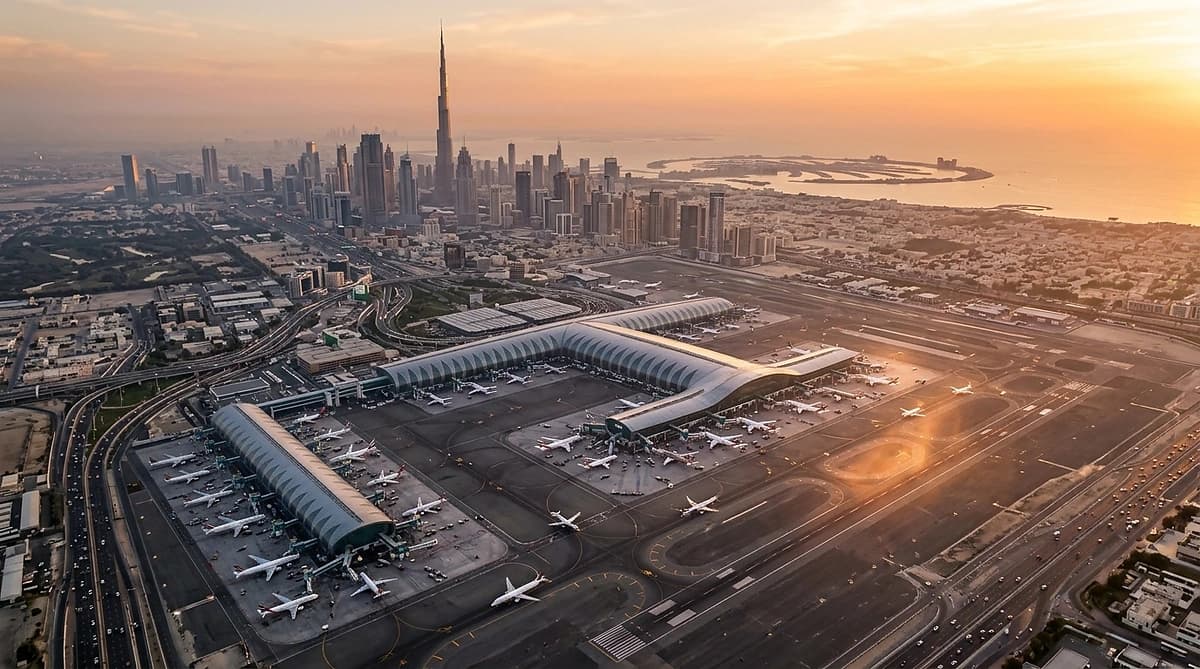
Ahead of the busy winter travel period, airlines returning DXB are scheduled to resume routes to Dubai International Airport (DXB) this season.
Dubai International Airport (DXB) is moving back toward fuller international schedules as the winter season begins, driven by several major carriers restoring flights after seasonal adjustments. That shift matters for property owners because inbound passenger volumes anchor hotel bookings, short-term rental demand and airport-transfer services across communities such as Downtown Dubai, Dubai Marina and Deira.
The return of carriers typically shortens lead times for tourists and raises weekend demand for short-term lets. For investors and operators, the practical effects are earlier bookings, firmer cancellation rates and clearer visibility for pricing during the peak travel months around winter holidays and events at Dubai International Airport (DXB).
What is the immediate travel impact for Dubai as winter season arrives?
What is the immediate travel impact for Dubai as winter season arrives? Key Data
Airport
Dubai International Airport
DXBCarriers
Several major international airlines
Season
Winter travel period
Immediate effect
Increased inbound seat capacity
The immediate impact is higher inbound seat capacity as several major international airlines return to Dubai International Airport (DXB), increasing potential visitor flows for the winter season.
As airlines resume routes, Dubai International Airport (DXB) will see a denser schedule of international arrivals that typically boosts hotel occupancy and short-term rental demand in core areas like Downtown Dubai, Dubai Marina and Al Barsha. The direct effect is more airport transfers, fuller check-in desks and stronger ground-transport usage across the city. Hotel revenue managers and short-term rental hosts often respond by tightening availability and adjusting nightly rates to match higher demand.
The risk window is short and timing-sensitive because airlines can change frequencies quickly if forward demand softens. Operators should watch load-factor announcements and route restorations closely, since a sharp uptick in inbound seats can lift weekend ADRs and occupancy but also compress lead times for maintenance and housekeeping at short-term rental properties.
What do returning carriers mean for inbound tourism and hotel performance?
Returning carriers mean clearer demand signals for hotels and inbound tourism, with reservation curves steepening as international schedules stabilise around Dubai International Airport (DXB).
Hotels near DXB and major event hubs usually see earlier bookings when international airlines restore services, because tourists can secure direct flights and plan shorter itineraries. That effect often drives higher weekend occupancy and a compressed booking window for city-centre hotels and airport hotels alike. For the hospitality sector this translates to firmer rate plans and less reliance on last-minute discounting. Ground-level services such as airport shuttles, concierge transfers and F&B staff scheduling also adjust to meet the restored passenger volumes.
A cautionary point is that hotel performance will still track broader demand drivers such as major events, visa rules and business travel recovery. Operators should coordinate with channel partners and review cancellation policies to protect revenue while remaining competitive as flights and passenger mixes continue to evolve around Dubai International Airport (DXB).
| Stakeholder | Short-term effect | Operational focus |
|---|---|---|
| Hotels | Earlier bookings and higher weekend occupancy | Rate management and staffing |
| Short-term rentals | Increased demand for weekend stays | Cleaning cadence and minimum nights |
| Transport operators | More airport transfers and peak-hour loads | Fleet scheduling and surge plans |
| Tour operators | More day-tour bookings from arrivals | Capacity planning and itineraries |
"The return of international carriers is a clear near-term demand signal for hospitality and rentals around DXB, improving booking confidence for the winter months."
, Binayah Research Team
What practical steps should short-term rental owners and investors take now?
What practical steps should short-term rental owners and investors take now? Key Data
Action
Update availability and pricing
Operations
Confirm cleaning windows
Guest service
Improve DXB arrival instructions
Investment focus
Low-cost yield improvements
Short-term rental owners should update availability, review minimum-night rules and adjust pricing now that several major international airlines are returning to Dubai International Airport (DXB).
Practical steps include auditing calendar gaps for peak weekends, increasing minimum nights where appropriate and communicating clear check-in procedures for guests arriving at DXB. Hosts should confirm cleaning and maintenance windows to absorb earlier bookings and avoid turnover bottlenecks. In addition, owners can refine arrival instructions and partner with trusted transfer providers to offer smooth pick-ups from Dubai International Airport (DXB), which reduces guest friction and increases positive reviews.
On the investment side, consider short operational improvements that boost occupancy without large capital expenditure: streamlined key exchange, professional photography that highlights convenience to DXB and targeted weekday promotions when commercial travel remains weaker. Owners should also track airline route announcements closely; a pattern of restored services can justify modest rate increases and reduced reliance on heavy discounting.
Key Insight
Short-term rental tip: align minimum nights with confirmed weekend demand from DXB arrivals and confirm cleaning capacity before raising rates to avoid last-minute cancellations.
- Audit calendar and block for cleaning
- Adjust minimum-night stays for weekends
- Enhance arrival instructions for DXB guests
- Offer trusted transfer options
Is the return of carriers a wider market confidence signal for late 2026?
Is the return of carriers a wider market confidence signal for late 2026? Key Data
Market signal
Positive confidence indicator
Timing
Late 2026 winter season
Dependency
Booking conversion and events
Action
Combine carrier data with booking KPIs
Yes, the restoration of international airline schedules to Dubai International Airport (DXB) functions as a positive confidence signal for the broader market heading into late 2026.
When several major carriers reintroduce routes, it reduces uncertainty about inbound tourism and business travel, which supports hotels, short-term rentals and services that rely on airport connectivity. This pattern tends to encourage operators and investors to plan promotions, set inventory strategies and allocate staff for the winter peak. While it is not the only indicator, carrier returns are a visible proxy for airlines' own demand forecasts and can accelerate market-wide operational decisions.
However, the signal is conditional. Continued confidence depends on how passenger bookings convert into actual travel, and on external factors such as major events, macroeconomic shifts and travel policy changes. Stakeholders should treat the carrier return as a timely early warning, combine it with direct booking data and maintain flexibility as schedules and passenger mixes evolve around Dubai International Airport (DXB).
The return of several major international airlines to Dubai International Airport (DXB) is a timely signal that inbound demand will firm during the winter travel period. For hotels, short-term rentals and related services this creates clearer booking windows and operational priorities around staffing, cleaning and transfers. Stakeholders should combine carrier announcements with booking data to convert the signal into reliable revenue plans.
Binayah Editorial
Property Market Analyst
Our editorial team researches Dubai's real estate market, tracking DLD data, developer launches, and investment trends to keep buyers and investors informed.
Ready to Invest in Dubai?
Speak with our analysts about the best opportunities in today's market, free consultation.