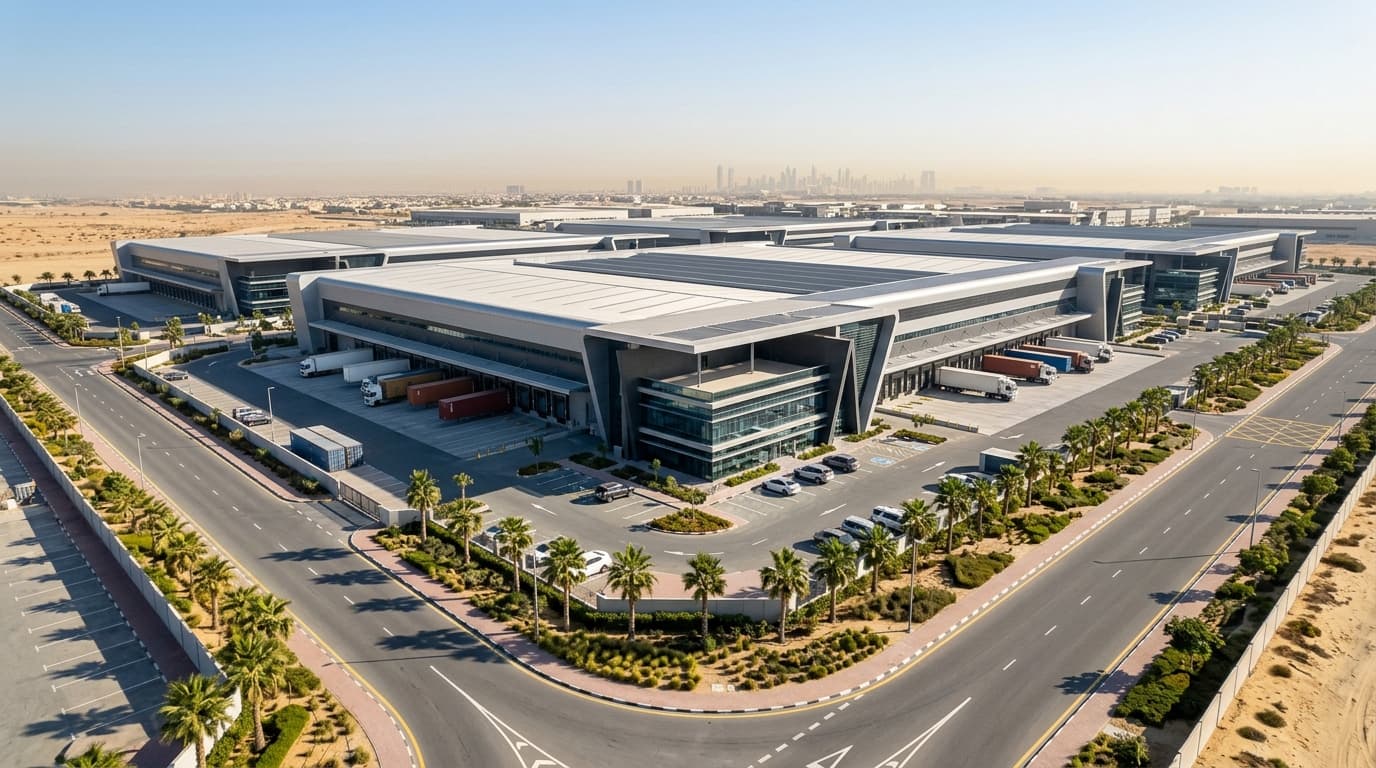
In recent developments, Emirates247 reported that Gargash Prime and JINGDONG Property have signed a joint venture to create a new logistics hub in Dubai. This venture is expected to significantly impact the warehouse market by increasing the supply of logistics space. For potential buyers and investors, this represents both an opportunity and a challenge: increased supply may stabilize prices, but the competition for prime locations will likely intensify.
Understanding Warehouse Types and Layouts
When considering the purchase of a warehouse in Dubai, it's crucial to understand the various types and layouts available. Warehouses in Dubai often range from small units suitable for storage to large-scale facilities designed for logistics and distribution. Small warehouses typically offer basic amenities and open floor plans, ideal for small businesses or storage needs. Medium-sized warehouses often include office spaces, loading docks, and are suitable for companies with moderate inventory requirements. Large warehouses are designed for major logistics operations, featuring advanced facilities like temperature control, high ceilings, and extensive loading areas.
The layout of a warehouse can significantly impact its utility. Open floor plans allow for flexible storage solutions, while segmented spaces can be beneficial for businesses needing distinct areas for different operations. It's important to evaluate the specific needs of your business or investment strategy when choosing a layout.
Key Areas for Warehouse Investments
Dubai offers a variety of strategic locations for warehouse investments. Areas such as Jebel Ali Free Zone, Dubai Industrial Park, and Al Quoz are renowned for their industrial and logistical advantages. Jebel Ali Free Zone is a popular choice due to its proximity to the port, making it ideal for import/export businesses. Dubai Industrial Park offers a more central location with excellent transport links, appealing to businesses requiring easy access to various parts of the city. Al Quoz, although more urban, provides a balance of industrial and commercial space, suitable for businesses that require a closer connection to the city's commercial hubs.
Each area comes with its trade-offs. Jebel Ali provides excellent logistical advantages but can be more expensive due to demand. Dubai Industrial Park offers competitive pricing, but its distance from the city center might be a consideration. Al Quoz's urban setting may appeal to businesses needing proximity to city amenities but may come at a premium.
Price and Rent Considerations
The cost of purchasing a warehouse in Dubai can vary widely based on location, size, and facilities. Generally, warehouses in prime industrial areas like Jebel Ali tend to command higher prices due to their strategic advantages. Conversely, areas such as Dubai Industrial Park might offer more competitive pricing, making them attractive to cost-conscious investors.
Rental rates also fluctuate based on these factors. Warehouses with advanced facilities, such as temperature control and high-tech security systems, often fetch higher rental returns. Investors should consider the potential for rental income when evaluating a purchase, as well as the local demand for rental spaces in the chosen area.
| Location | Typical Use | Price Range | Rental Potential |
|---|---|---|---|
| Jebel Ali Free Zone | Logistics | High | High |
| Dubai Industrial Park | Manufacturing | Moderate | Moderate |
| Al Quoz | Mixed Use | High | High |
Trade-offs Against Alternatives
When investing in warehouses, it's essential to weigh the benefits against other real estate investment options. Warehouses generally offer stable rental income and are less affected by market volatility compared to residential properties. However, they require significant initial investments and may have higher maintenance costs due to their size and facilities.
Compared to office spaces, warehouses may offer lower yields but provide a more stable and predictable income stream. The choice between investing in warehouses or other property types should align with your investment goals, risk tolerance, and market outlook.
Legal and Regulatory Considerations
Purchasing a warehouse in Dubai involves navigating various legal and regulatory frameworks. It's important to understand zoning laws, which dictate the type of activities that can be conducted in specific areas. Additionally, foreign investors need to be aware of ownership regulations that may affect their purchasing power.
Consulting with legal experts and real estate professionals can provide valuable insights into the complexities of Dubai's real estate regulations. Ensuring compliance with all legal requirements is crucial to avoid potential pitfalls in the investment process.
The Impact of New Developments
The recent joint venture between Gargash Prime and JINGDONG Property, as reported by Emirates247, highlights the dynamic nature of Dubai's warehouse market. This development is likely to increase the supply of warehouse space, potentially leading to more competitive pricing and greater availability of modern facilities.
For investors, this means that the coming years could present new opportunities to acquire state-of-the-art warehouses at attractive prices. However, the increased supply may also necessitate a more strategic approach to selecting locations and facilities that will remain desirable in the long term.
Conclusion
Investing in warehouses in Dubai offers a unique blend of opportunities and challenges. Understanding the various types of warehouses, their strategic locations, and the market dynamics is crucial for making informed investment decisions. As Dubai continues to evolve as a global logistics hub, the warehouse market is poised for significant growth, making it an attractive option for savvy investors.
By carefully considering location, price, and regulatory factors, investors can position themselves to capitalize on the burgeoning opportunities within Dubai's warehouse sector.