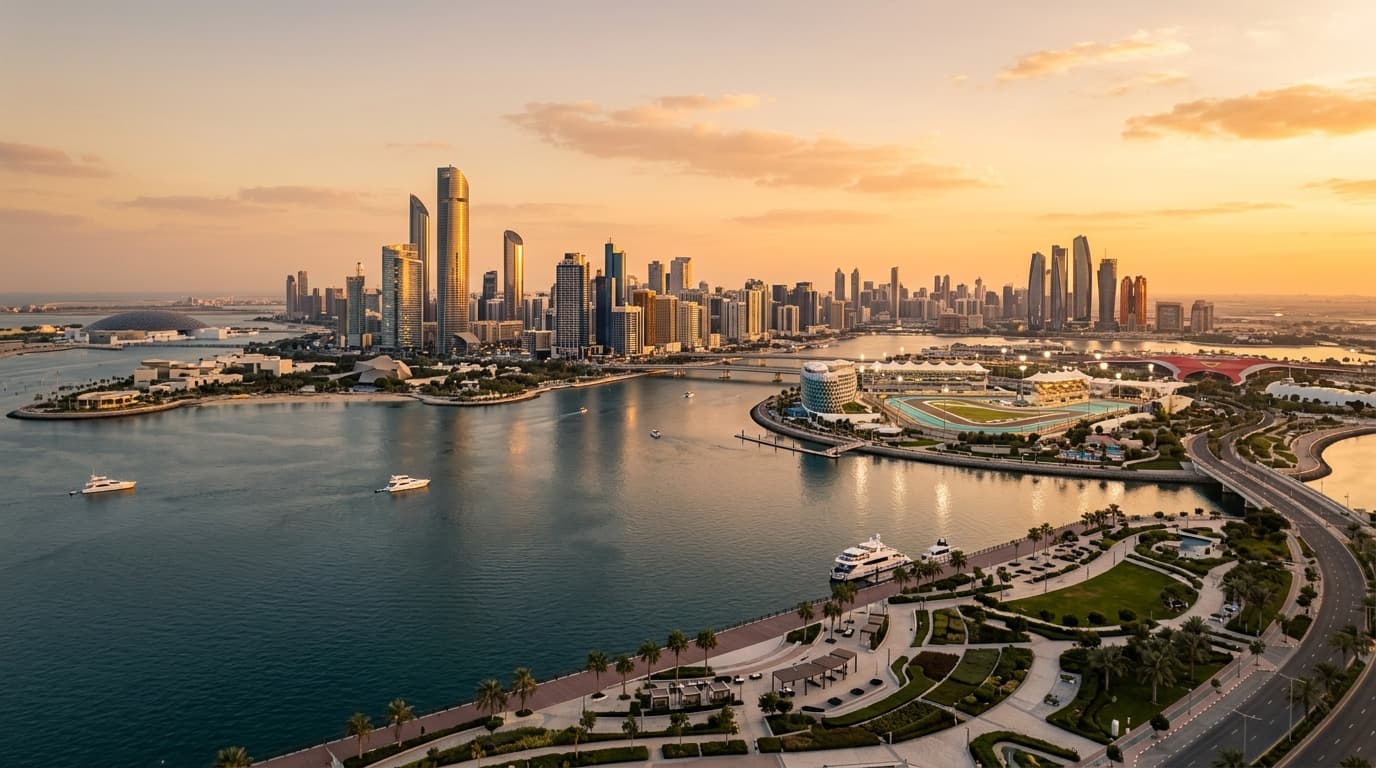
Abu Dhabi’s real estate market has matured into a stable, quality-led landscape anchored by blue‑chip master developers and a growing bench of niche builders. For investors and end‑users, the developer you choose is as critical as the location—impacting build quality, handover reliability, service charges, liquidity, and long‑term value.
This guide profiles the top property developers in Abu Dhabi, outlines their flagship communities, typical positioning, and what to expect from pricing and payment plans. We also include a practical framework to evaluate any developer before you commit.
Abu Dhabi at a Glance: What Sets the Capital Apart
Abu Dhabi prioritises master-planned communities, strong infrastructure, and quality control across off-plan and ready stock. Compared with high-velocity launches elsewhere, the capital’s cycle tends to be steadier, with supply phased around demand.
- Ownership: Foreign nationals can own freehold properties within designated Investment Zones (e.g., Saadiyat, Yas, Al Reem, Al Raha Beach, Al Maryah, Masdar City, Al Ghadeer, parts of Al Shamkha/Jubail Islands).
- Fees: The Abu Dhabi Department of Municipalities and Transport (DMT) typically levies a 2% property registration fee on transfers. Brokerage fees are commonly around 2% (plus VAT) but can be negotiated.
- Finance & Visas: UAE Golden Visa is available via property investment at AED 2 million+ (subject to criteria and documentation). Abu Dhabi banks offer mortgages for both off-plan (select projects) and ready units, subject to LTV and buyer profile.
- Yields & Demand: Apartment yields commonly range around the mid‑single digits (illustratively 5–7%), while villas/townhouses often track slightly lower (illustratively 3–5%), varying by micro‑location, product, and developer. These are indicative, not guarantees.
The Major Developers You Should Know
Below are the established names shaping Abu Dhabi’s core residential and mixed-use districts. We focus on track record, typical price positioning, and signature communities.
- Aldar Properties: The capital’s flagship developer and asset manager behind Yas Island, Saadiyat Grove, Al Raha Beach, Alghadeer, and Al Reem projects. Known for robust community amenities, strong facilities management, and liquidity at resale. Product ladder spans mid-market to premium and ultra‑luxury (e.g., Saadiyat’s high-end beachfront addresses).
- IMKAN: Lifestyle‑centric concepts with design‑driven communities such as Makers District (Reem) and Sheikha Fatima Park area projects. Often appeals to design‑aware end‑users and investors seeking differentiated urban living.
- Bloom Holding: Family‑friendly communities and education‑anchored precincts (e.g., Bloom Gardens, Bloom Living). Generally emphasises greenery, schools, and community retail; popular with end‑users seeking stability.
- Reportage Properties: Value‑focused developer with broad off‑plan apartment supply across Abu Dhabi (and wider UAE). Competitive ticket sizes and buyer‑friendly payment plans, appealing to first‑time investors. Due diligence on specifications and service charges is advised given varied product tiers.
- Q Properties (Q Holding): Master developer of Reem Hills and other mixed‑use plots. Focus on large‑scale, amenity‑rich master plans with phased delivery.
- Miral: Destination developer of Yas Island’s entertainment and hospitality assets; in residential, often delivers lifestyle‑adjacent projects in partnership with or complementary to master plans on Yas.
- Eagle Hills: Select premium and mixed‑use developments in the UAE and region; in Abu Dhabi, typically pursues placemaking and waterfront‑adjacent opportunities when active.
- Jubail Island Investment Company (JIIC): Developer of Jubail Island—low‑density, nature‑forward villa communities between Saadiyat and Yas. Targets discerning end‑users and long‑horizon investors.
- Siadah: Focus on sustainable, attainable communities—particularly around Masdar City—with energy‑efficient designs and practical layouts.
Note: Each developer maintains multiple sub‑brands/collections. Always review the specific project’s specifications, service provider, and handover history—not only the parent name.
Flagship Communities and Typical Buyer Profiles
Here’s how key districts align with different buyer goals.
| Community / Island | Lead Developer(s) | Typical Product | Buyer Profile | Notes |
|---|---|---|---|---|
| Yas Island | Aldar, Miral (destinations) | Mid to premium apartments, townhouses, select villas | Investors seeking rental demand from entertainment/education hubs; end‑users wanting amenities | Strong leasing due to attractions, schools, and connectivity |
| Saadiyat Island | Aldar, JIIC (nearby), others | Premium to ultra‑luxury villas and apartments | Long‑term end‑users, UHNW buyers | Cultural district, beaches, low‑density luxury |
| Al Reem Island | Aldar, Q Properties, IMKAN, others | Apartments (studio to 3BR+), some townhouses | Yield‑focused investors, young professionals | High-rise skyline, urban living, schools/healthcare |
| Al Raha Beach | Aldar and others | Waterfront apartments and townhouses | End‑users valuing schools and beach access | Mature community with stable resale activity |
| Masdar City | Multiple incl. Siadah, Reportage | Value to mid-market sustainable apartments | First-time buyers, yield investors | Sustainable credentials and affordability |
| Jubail Island | JIIC | Low-density villas | End‑users seeking nature and privacy | Mangrove setting; premium positioning |
How to Evaluate a Developer in Abu Dhabi
Apply a consistent checklist before you commit to any off‑plan or ready unit:
- Delivery Track Record: Handover timelines on previous phases; check if earlier communities met stated specs and quality.
- Escrow & Construction Milestones: Off‑plan projects should have regulated escrow accounts and milestone‑linked payment schedules per Abu Dhabi regulations.
- Facilities Management (FM): Who manages the community post‑handover? FM quality directly affects service charges and resale liquidity.
- Service Charges: Request the latest service charge budget. Apartments in Abu Dhabi can range widely (illustratively AED 10–25 per sq ft per year) depending on amenities and tower type.
- Resale Performance: Review historical resale velocity and achieved prices for comparable stock by the same developer/community.
- Warranties & Defect Liability: Understand snagging timelines, 1‑year defect liability for MEP/finishes, and long‑term structural liability (commonly up to 10 years under UAE law for structural defects via contractor/developer responsibilities).
Pricing, Payment Plans, and Where Value Is Found
- Ticket Sizes: Entry points vary by island and spec. As an indicative feel, Yas/Masdar apartments often offer comparatively accessible entry prices versus prime Saadiyat beachfront. Villas on Saadiyat and Jubail price at a premium due to land scarcity and lifestyle positioning.
- Payment Plans: Expect construction‑linked plans such as 40/60 or 60/40; selective post‑handover options exist but are generally more conservative than some offers seen in other emirates. Always confirm exact schedules and any fees for payment plan amendments.
- Rental Demand & Yields: Proximity to schools, healthcare, and employment nodes (Yas, Reem, Al Maryah, Khalifa City access) underpins steady leasing. Furnishing quality and community amenities materially affect yields.
- Exit Strategy: For investors, prioritise units with distinctive views, efficient layouts, and parking allocations. These typically resell and lease faster.
Process & Fees: Buying in Abu Dhabi, Step by Step
- Reservation & SPA: For off‑plan, reserve with the developer and sign a Sale and Purchase Agreement (SPA). Ensure the project is registered and escrowed under DMT rules.
- Registration: Transfers are processed via Abu Dhabi’s DARI/TAMM systems. A 2% DMT registration fee applies on transfers (market practice on who pays can vary; clarify in writing). For mortgages, bank-related fees and valuation charges apply.
- Handover: Upon completion, clear any final instalments, snag the unit, and receive keys and access cards. Utilities (e.g., ADDC) and community onboarding follow.
- Ongoing Costs: Service charges, district cooling (where applicable), insurance, and sinking fund contributions. Request all budgets in advance.
Who’s Best for What: Quick Matchmaking
- Seeking Blue‑Chip Stability: Aldar in Yas, Saadiyat, Al Raha—broad buyer base and strong FM underpin liquidity.
- Design‑Led Urban Living: IMKAN’s Makers District on Reem for creative, walkable neighbourhoods.
- Family‑Forward Communities: Bloom Living/Gardens for schools, parks, and community retail.
- Value and Accessible Entry: Reportage and select Masdar City developers for lower ticket sizes and practical layouts.
- Nature and Privacy: JIIC’s Jubail Island for low‑density villa living with mangrove surrounds.
Common Mistakes to Avoid
- Judging by Brand Name Alone. Always vet the specific project’s specs, service charges, and FM—not just the parent developer.
- Ignoring Service Charges. Attractive prices can be offset by high annual service fees; request the latest budget.
- Overlooking Resale Liquidity. Niche layouts or obstructed views may be slower to sell or lease despite headline pricing.
- Skipping Snagging and Warranty Timelines. Document defects at handover and within the defect liability period to protect your interests.
- Assuming Dubai Rules Apply. Abu Dhabi has its own processes and a 2% DMT registration fee; confirm procedures and costs specific to the capital.
Conclusion
Abu Dhabi’s leading developers combine quality, community planning, and measured supply—an attractive mix for long‑term residents and investors. Whether you prefer the blue‑chip stability of Yas and Saadiyat, the urban energy of Reem, or the sustainability focus of Masdar, the right choice starts with the right developer. Binayah’s advisory team can benchmark projects, model yields, and negotiate terms—so your capital goes into assets built for performance and livability.