UAE retail sales growth: Al-Futtaim malls up 8%
Al-Futtaim Real Estate reports UAE retail sales growth of 8 percent during Ramadan and Eid, led by Dubai Festival City Mall's 12 percent rise.
Al-Futtaim Real Estate's disclosure, reported by Arabian Business, shows an aggregate sales increase of 8% across its mall portfolio over the Ramadan and Eid trading period. The figure is a headline metric that measures in-mall retail transactions compared with the previous comparable seasonal period, and it reflects both footfall and average spend trends across food and beverage, fashion and experiential categories.
Seasonal spikes during Ramadan and Eid are often the strongest sales windows for UAE retail. An 8% uptick indicates not only higher customer traffic but also an ability among malls to convert visits into purchases despite wider cost pressures and global economic uncertainty. Festival City Mall's 12% lead signals that targeted promotions, tenant mix, and event programming still drive material revenue gains for centre owners and retailers.
What does the 8% growth mean for UAE retail?
What does the 8% growth mean for UAE retail? Key Data
Sales growth
8%
Leading mall growth
12%
Period
Ramadan and Eid
Source
Arabian Business
The 8% sales increase reported by Al-Futtaim Real Estate indicates stronger consumer spending in malls during Ramadan and Eid compared with the prior comparable period. This percentage is a simple measure of sales value growth across the group's shopping centres for the seasonal window and shows positive momentum in shopper activity.
That 8% figure, cited by Arabian Business, is a useful gauge for landlords and retailers because it captures both footfall and average transaction size. A higher sales figure typically supports higher rental collections and can reduce vacancy pressure for in-demand units. While the source does not provide AED sales totals, the 8% aggregate gain and Dubai Festival City Mall’s 12% rise are the primary metrics available to benchmark performance across the UAE retail market.
Interpreting the number requires nuance: Ramadan and Eid are unusually strong trading windows, so some of the growth is seasonal rather than structural. Landlords who depend on festival trading should plan for uneven monthly cashflows, while retailers should use the period to boost loyalty and average basket size. Cost headwinds, such as utilities and service charges, remain a risk to margins even as headline sales climb.
Why did Festival City Mall record 12% sales growth?
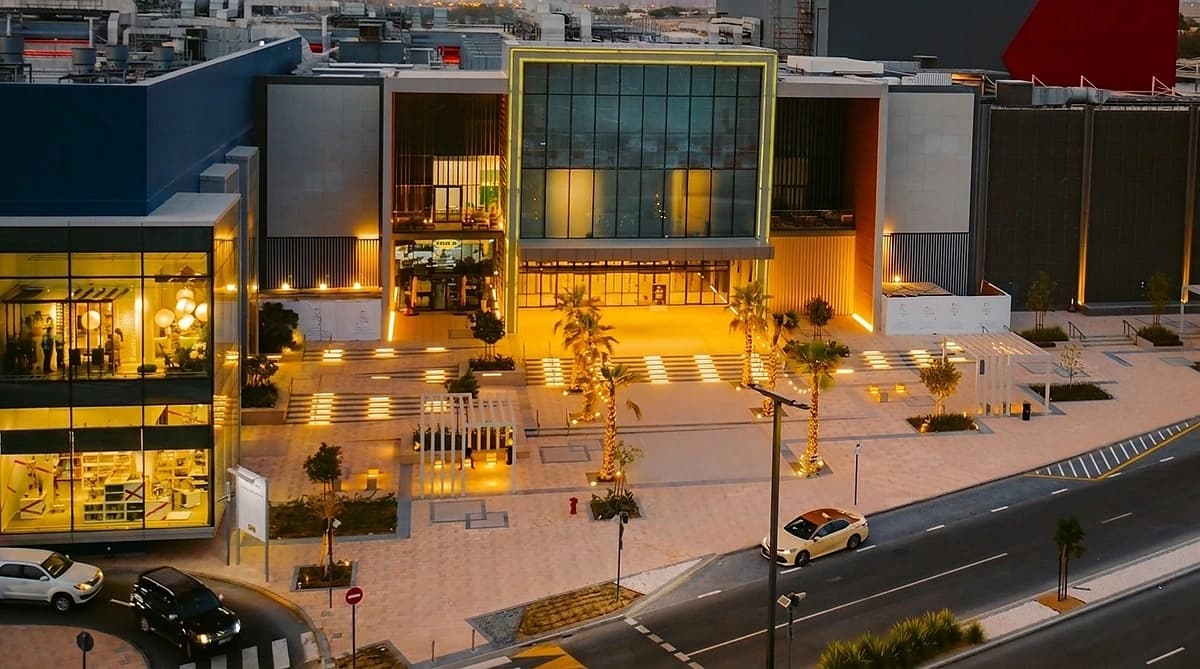
Dubai Festival City Mall led Al-Futtaim Real Estate's portfolio with a 12% sales rise over Ramadan and Eid, according to the reported figures. That outperformance made Festival City Mall the top mover inside the group for the season.
Festival City Mall's 12% gain suggests strong local appeal and effective seasonal programming, which convert visits into purchases more efficiently than the portfolio average. Promotional calendars, events tied to Ramadan and Eid, and a tenant mix that balances dining, family entertainment and mid- to premium-fashion can all raise average transaction values. While the source does not disclose AED sales totals or footfall counts, the 12% figure versus the portfolio 8% average is the clearest evidence that Festival City Mall captured a disproportionate share of the uplift.
The risk to sustaining that edge is partly operational and partly competitive. If nearby centres match programming or if macro pressures reduce discretionary spend after the festivals, Festival City Mall’s premium growth could moderate. For stakeholders, the 12% figure highlights the value of targeted marketing and experiential investment, but it also encourages ongoing analysis of conversion rates and tenant performance to ensure the uplift translates to durable rent and income growth.
| Metric | Mall or portfolio | Growth |
|---|---|---|
| Aggregate | Al-Futtaim malls (portfolio) | 8% |
| Top performer | Dubai Festival City Mall | 12% |
"Festival City Mall’s 12% Ramadan and Eid uplift underlines how targeted events and tenant mix can outperform wider portfolio averages."
, Binayah Research Team
What are the implications for landlords, retailers and investors?
The immediate implication is improved revenue visibility for landlords and retailers during a key trading window, with Al-Futtaim Real Estate reporting an 8% portfolio uplift and Festival City Mall 12% outperformance. These percentage gains typically boost short-term rent collections and tenant turnover metrics.
For landlords, the numbers can support stronger quarterly landlord income and provide evidence for negotiating renewals on in-demand units. For retailers, the uplift helps offset slower months by concentrating profitable trading into a few weeks. For investors, the 8% and 12% figures signal healthier trading performance but must be seen alongside occupancy, service charge levels and lease terms before extrapolating to net yields. The source does not provide AED sales totals or yield figures, so stakeholders should treat the percentages as directional indicators rather than full valuation inputs.
Risk management matters: higher seasonal sales do not automatically equal stronger full-year returns because of seasonality, promotional discounting and potential post-festival spend tapering. Landlords should monitor rental collection and arrears trends after the season. Retailers should measure the cost of promotions and discounts used to drive the 12% and 8% gains to judge whether margin expansion is sustainable.
Key Insight
Seasonality warning: An 8% portfolio increase and a 12% lead from Festival City Mall point to strong festival trading, but investors and landlords should adjust cashflow models for off-peak months and confirm that promotional activity during Ramadan and Eid did not materially erode margins.
- Landlords: seasonal revenue boost, monitor post-season collections
- Retailers: higher sales, assess promotion costs versus margin
- Investors: use % growth as directional data, not a valuation alone
What is the outlook for UAE retail sales growth after Ramadan and Eid?
The outlook is cautiously positive: Al-Futtaim Real Estate’s 8% reported growth shows resilience but does not guarantee continuous monthly gains beyond the festival window. Seasonal strength usually compresses into Ramadan and Eid, so post-season performance depends on broader consumer confidence and tourism flows.
Investors and landlords should expect some normalisation after the festivals. The 8% aggregate and 12% Festival City Mall gains highlight that effective programming and tenant mix can lift sales, but sustaining momentum will require repeatable strategies such as loyalty programmes, year-round events and tenant curation. Without AED sales totals or yield figures from the source, forecasting precise returns is not possible; stakeholders must combine these percentage signals with occupancy, rental growth and operating-cost data to model future performance.
In short, the reported growth is a useful short-term indicator of demand, but it should be integrated into a longer-term assessment that considers seasonality, marketing spend, and macroeconomic dynamics. Centres that convert festival footfall into repeat customers and manage costs effectively will be best placed to translate Ramadan and Eid gains into steadier annual performance.
Al-Futtaim Real Estate’s reported 8% sales growth across its malls and Dubai Festival City Mall’s 12% lead show clear seasonal strength during Ramadan and Eid. These percentage gains are useful directional signals for landlords, retailers and investors, but they should be combined with occupancy, cost and AED-revenue data before drawing firm conclusions about longer-term yields.
Binayah Editorial
Property Market Analyst
Our editorial team researches Dubai's real estate market, tracking DLD data, developer launches, and investment trends to keep buyers and investors informed.
Ready to Invest in Dubai?
Speak with our analysts about the best opportunities in today's market, free consultation.