UAE real estate market Q1 2026 growth report
UAE real estate market posted robust growth in Q1 2026, driven by stronger transactions in Abu Dhabi, Dubai, Sharjah and Ajman.
The first quarter of 2026 saw the UAE real estate sector post notable gains across major emirates, according to official figures cited for Abu Dhabi, Dubai, Sharjah and Ajman. The national picture points to renewed investor confidence, with capital markets and domestic buyers active in primary and secondary segments during the first three months of the year.
Policy clarity, resilient demand from expatriates and selective institutional buying underpinned the momentum, while Abu Dhabi recorded a headline 160 percent leap that shifted investor focus toward the capital for the near term.
What were UAE real estate market results in Q1 2026?
What were UAE real estate market results in Q1 2026? Key Data
Q1 2026
Reported growth
Emirates
Abu Dhabi, Dubai, Sharjah, Ajman
Abu Dhabi leap
160%
Period
First three months of 2026
The UAE real estate market recorded strong growth in Q1 2026, with official data showing gains across Abu Dhabi, Dubai, Sharjah and Ajman in the first three months of the year. The national trend reflected broader investor confidence and rising transaction activity across both primary and resale markets.
Official figures cited activity in four emirates and singled out Abu Dhabi's 160 percent leap as the most dramatic single-city change, while Dubai, Sharjah and Ajman registered supportive momentum. Authorities described this as a sign of market stability and deepening liquidity rather than a short-term spike, with both local and international buyers contributing to demand.
The upside carries nuance: concentrated gains in specific segments can mask softer pockets elsewhere, and the pace of approvals, new supply timing and global rate dynamics will determine whether Q1's momentum broadens into H2 2026 or moderates.
How big were Dubai property transactions in Q1 2026 and what does that mean for prices?
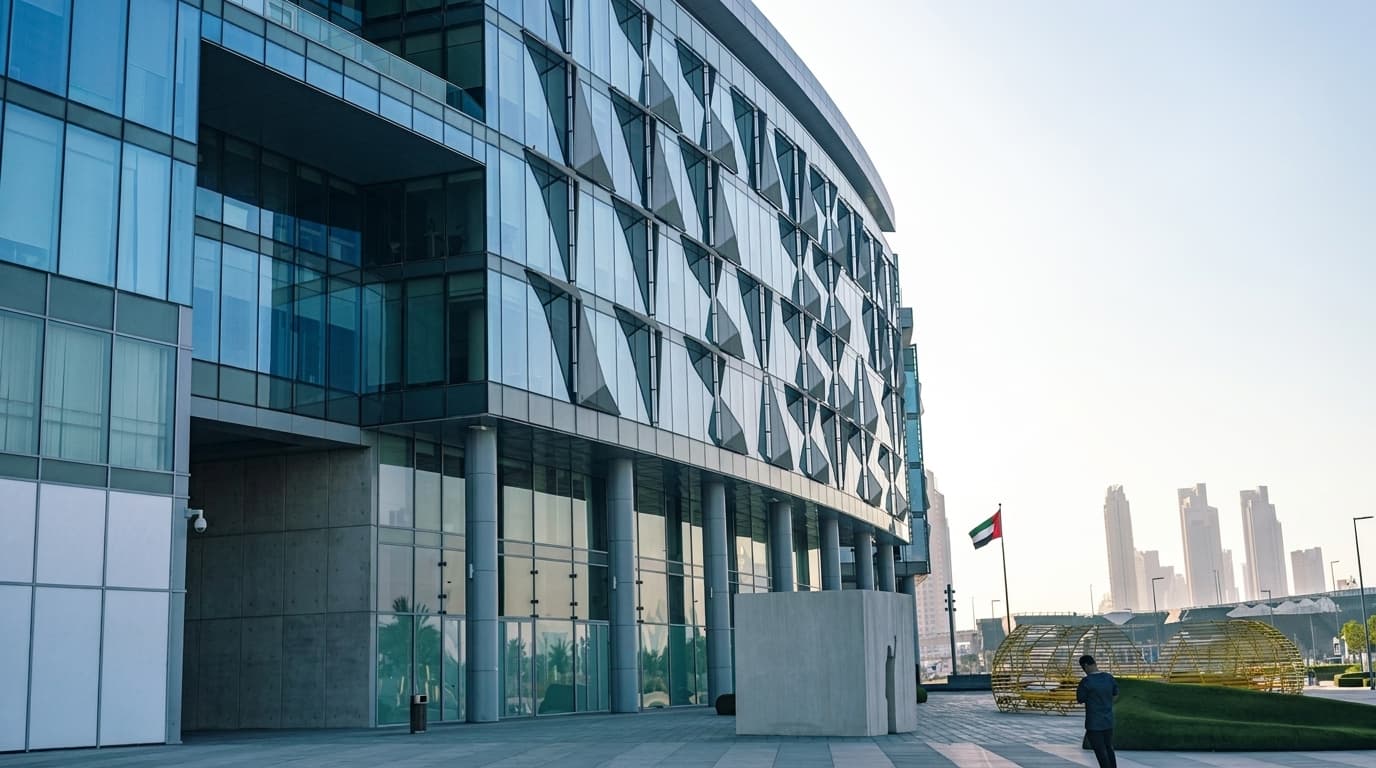
Dubai recorded a substantial transaction scale in Q1 2026 that reinforced short-term price resilience, according to official market statements. Strong activity in Dubai helped sustain national momentum and signalled continued buyer interest across multiple submarkets.
Transaction volumes in Dubai were described as supportive of upward price pressure in popular locations, though the source emphasised that city-level outcomes vary by segment and project. Developers and secondary-market sellers saw demand where product matched affordability and location criteria, while peripheral segments showed mixed absorption. This city-level activity contributed materially to the UAE-wide growth picture for the quarter.
For buyers and investors, Dubai's Q1 transaction scale implies that selective buying near transport, employment nodes and established communities remains prudent, while monitoring supply pipelines and segment-specific indicators will be essential to avoid overpaying as the market rebalances into H2 2026.
| Market | Transaction signal | Price implication |
|---|---|---|
| Dubai | High transaction scale reported | Sustains short-term price resilience |
| Dubai segments | Demand concentrated in core and accessible locations | Selective price gains likely by submarket |
"Dubai's Q1 volume reinforced short-term price resilience, though outcomes differ sharply by neighbourhood and project segment."
, Binayah Research Team
Why did Abu Dhabi property surge by 160 percent in Q1 2026?
Why did Abu Dhabi property surge by 160 percent in Q1 2026? Key Data
Abu Dhabi surge
160%
Driver
Buyer demand and targeted purchases
Impact
Shift in investor focus
Period
Q1 2026
Abu Dhabi posted a headline 160 percent leap in the reported metric for Q1 2026, making it the standout story in the national figures. The capital's sharp increase drew investor attention and shifted some capital allocation toward Abu Dhabi during the quarter.
The 160 percent figure reflected a sizeable year-on-year or quarter-on-quarter change highlighted in official commentary and was attributed to a mix of stronger end-buyer demand, selected institutional purchases and concentrated activity in particular communities. Local policy support and targeted incentives for certain buyer categories also helped accelerate transactions in the capital during the first three months of the year.
That surge presents both opportunity and risk: a concentrated jump can be a catch-up move after prior softness, but it can also introduce volatility if driven by short-term speculative flows. Investors should assess deal-level fundamentals, rental yields and holding cost scenarios before reallocating exposure based solely on the 160 percent headline.
Key Insight
Abu Dhabi's 160 percent surge may reflect concentrated buying rather than broad-based price increases. Verify yields and lease comparables at the neighbourhood level before making allocation decisions.
What should investors do for H2 2026 given Q1 2026 results?
What should investors do for H2 2026 given Q1 2026 results? Key Data
Strategy
Focus on rental resilience
Risk
Watch financing costs and supply
Cities
Abu Dhabi 160%, Dubai active
Horizon
Prepare for H2 2026 adjustments
Investors should recalibrate strategies for H2 2026 using Q1 2026 evidence of stronger activity in Abu Dhabi, Dubai, Sharjah and Ajman. The quarter showed that focused demand and selective buying opportunities exist, but outcomes will depend on segment, location and holding horizon.
Practical approaches include prioritising assets with resilient rental demand and clear cashflow profiles, monitoring Abu Dhabi's 160 percent surge for sustainment or reversion, and keeping an eye on Dubai's transaction scale as a signal for short-term price resilience. Risk management matters: rising borrowing costs, new supply schedules and policy changes can alter yields and total returns quickly, so scenario planning is essential.
Conservative investors should favour income-producing assets in established communities and stress-test returns for higher financing costs. Opportunistic buyers can target shorter-term flips in high-liquidity pockets but must price in transaction and holding-cost risk into projected returns for H2 2026.
- Prioritise assets with proven rental demand
- Stress-test returns for higher interest costs
- Monitor Abu Dhabi's 160 percent move for sustainability
- Use Dubai transaction signals to gauge short-term price risk
Q1 2026 delivered clear momentum for the UAE real estate market, driven by activity across Abu Dhabi, Dubai, Sharjah and Ajman and highlighted by Abu Dhabi's 160 percent leap. The quarter's evidence points to selective opportunities and heightened short-term price resilience, while H2 2026 outcomes will hinge on financing costs, new supply and whether the quarter's concentrated gains broaden into sustained demand.
Binayah Editorial
Property Market Analyst
Our editorial team researches Dubai's real estate market, tracking DLD data, developer launches, and investment trends to keep buyers and investors informed.
Ready to Invest in Dubai?
Speak with our analysts about the best opportunities in today's market, free consultation.