UAE energy stability: Al Mazrouei on Dubai property resilience
UAE energy stability has improved investor confidence, Al Mazrouei said, as nuclear and solar capacity strengthens supply security for Dubai property markets in 2026.
The UAE's official position, voiced by Al Mazrouei, is that the country now has a more diversified and resilient generation mix that reduces exposure to regional shipping-route tensions. For Dubai buyers and developers this matters because reliable power affects construction schedules, operating costs and the attractiveness of rental and commercial assets. Clear government backing for nuclear and large-scale solar shifts risk from short-term supply shocks toward longer-term planning.
Developers and investors will read the minister's remarks as a policy signal rather than a price guarantee. Energy diversification reduces one category of operational risk, but it does not eliminate others such as global commodity prices, local demand cycles or regulatory changes affecting service charges and utility pass-throughs for buildings in Dubai.
Why does energy stability matter for Dubai property investors?
Why does energy stability matter for Dubai property investors? Key Data
Energy mix
nuclear and solar
Policy signal
government-backed diversification
Investor impact
lower operational disruption risk
Market year
2026
Energy stability matters because uninterrupted electricity underpins construction timelines, resident comfort and operating costs across Dubai property assets. Al Mazrouei's statement frames energy resilience as part of the investment case for local real estate.
When power supply is reliable, developers can meet handover schedules and owners face fewer emergency bills and disruptions. That improves day-to-day cash flow for rental buildings and keeps commercial tenants operational, which supports income predictability for landlords and stabilises long-term valuations in Dubai.
The nuance is that energy stability reduces one layer of risk but does not remove market or policy risks. Buyers should treat Al Mazrouei's remarks as a structural positive while still planning for demand shocks, maintenance expenses and changing service-charge regimes that can affect net returns.
How do nuclear and solar complement each other in the UAE energy mix?
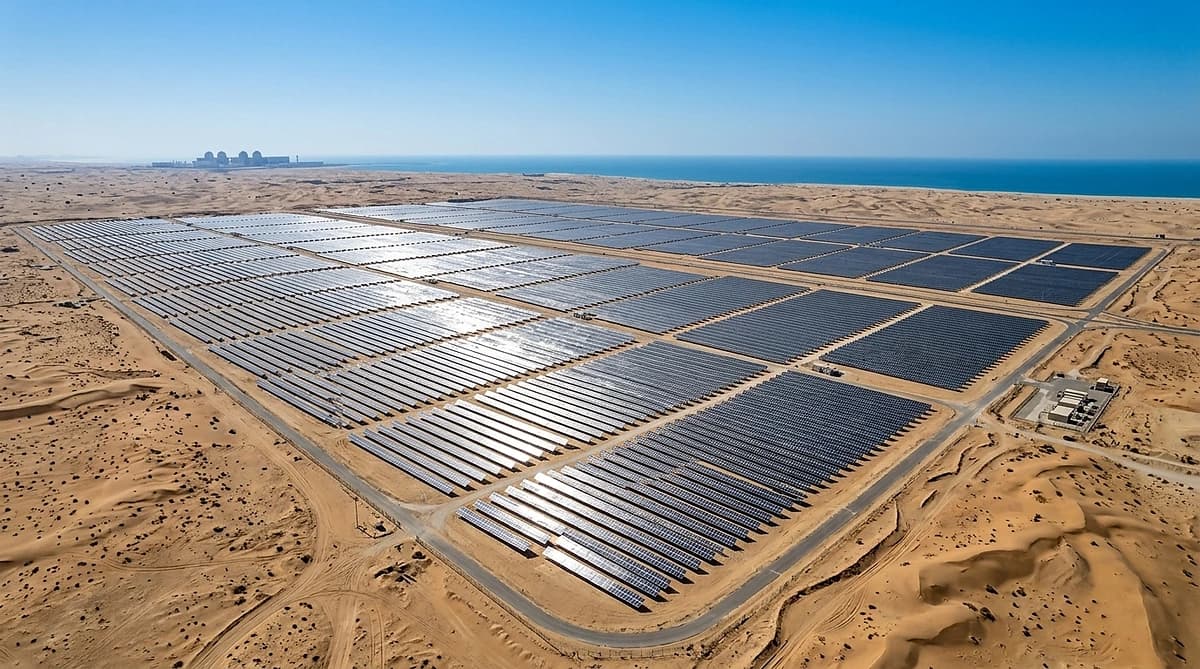
Nuclear and solar complement each other by providing baseload reliability and daytime renewable capacity, which together strengthen supply resilience for Dubai properties. Al Mazrouei highlighted both technologies as central to meeting domestic needs despite regional tensions.
Nuclear offers steady, long-duration generation that supports 24/7 loads, while utility-scale solar adds daytime capacity and reduces reliance on imported fuels. For developers this combination can lower the likelihood of forced outages, easing pressure on project timelines and building operational budgets.
The strategic nuance is grid integration and storage. Solar increases daytime supply but requires investment in grid upgrades and storage to maximise benefit. Policymakers and utilities must manage these technical investments so residential and commercial buildings in Dubai actually receive the reliability gains signalled by officials.
| Generation type | Primary role | Benefits for property sector |
|---|---|---|
| Nuclear | Baseload, steady 24/7 generation | Supports continuous building operations and construction schedules |
| Solar | Daytime renewable capacity | Reduces daytime peak demand and fuel-cost exposure |
| Gas and others | Flexible dispatch and backup | Provides ramping and short-term reliability when needed |
"Treat energy diversification as a long-term value stabiliser for Dubai assets rather than a short-term yield booster."
, Binayah Research Team
What should investors and developers watch after Al Mazrouei's energy remarks?
Investors and developers should watch policy implementation, grid investments and delivery timelines because those determine whether Al Mazrouei's resilience claims translate into property-level benefits. The minister's comments are a signal; execution is the critical next step.
Focus on how utilities and regulators plan to integrate new capacity into Dubai's grid, and whether there are clear timetables for transmission upgrades, storage deployment and off-taker arrangements. For developers, those operational details affect construction sequencing, on-site backup planning and commercial building specifications that influence long-term operating costs.
Risks include delays to grid upgrades and the need for additional storage to smooth solar output. Investors should monitor official updates and planning approvals closely, and factor potential timing variances into due diligence and cash-flow stress tests.
Key Insight
Investor tip: Verify grid upgrade timelines and on-site backup provisions in due diligence. Ask developers for contingency plans that show how power reliability will be handled during construction and operation.
What practical steps should buyers take in 2026 given UAE energy stability?
Buyers should incorporate energy resilience into property due diligence by asking targeted questions on utility connections, backup power and expected service-charge treatment. Practical checks convert Al Mazrouei's high-level statement into actionable protection for purchase decisions.
Specifically, request documentary evidence of grid connection status, planned local infrastructure upgrades and any developer commitments on temporary and permanent power supplies. Review service-charge clauses for how electricity and backup costs are allocated, and confirm whether green or efficiency measures are in the building plan that can lower operating expenses.
Finally, model scenarios for short-term disruptions versus the stated resilience improvements. Comparing worst-case operational costs against the baseline will reveal how much value energy stability actually adds to a specific Dubai asset in 2026.
- Request grid upgrade timelines from developers
- Confirm backup power arrangements during construction
- Check service-charge allocations for utilities
- Prioritise buildings with energy-efficiency measures
Al Mazrouei's public reassurance that the UAE has diversified energy sources is a positive structural signal for Dubai property, particularly in 2026. The practical impact for any given asset depends on grid integration, local upgrades and developer commitments, so buyers must verify site-level evidence to translate national resilience into property-level certainty.
Binayah Editorial
Property Market Analyst
Our editorial team researches Dubai's real estate market, tracking DLD data, developer launches, and investment trends to keep buyers and investors informed.
Ready to Invest in Dubai?
Speak with our analysts about the best opportunities in today's market, free consultation.