The Hoxton Dubai arrival: 230-room hotel market impact
The Hoxton Dubai opens in Media City with 230 rooms, bringing its London neighbourhood-style social lobby and dining scene to Dubai's hospitality market.
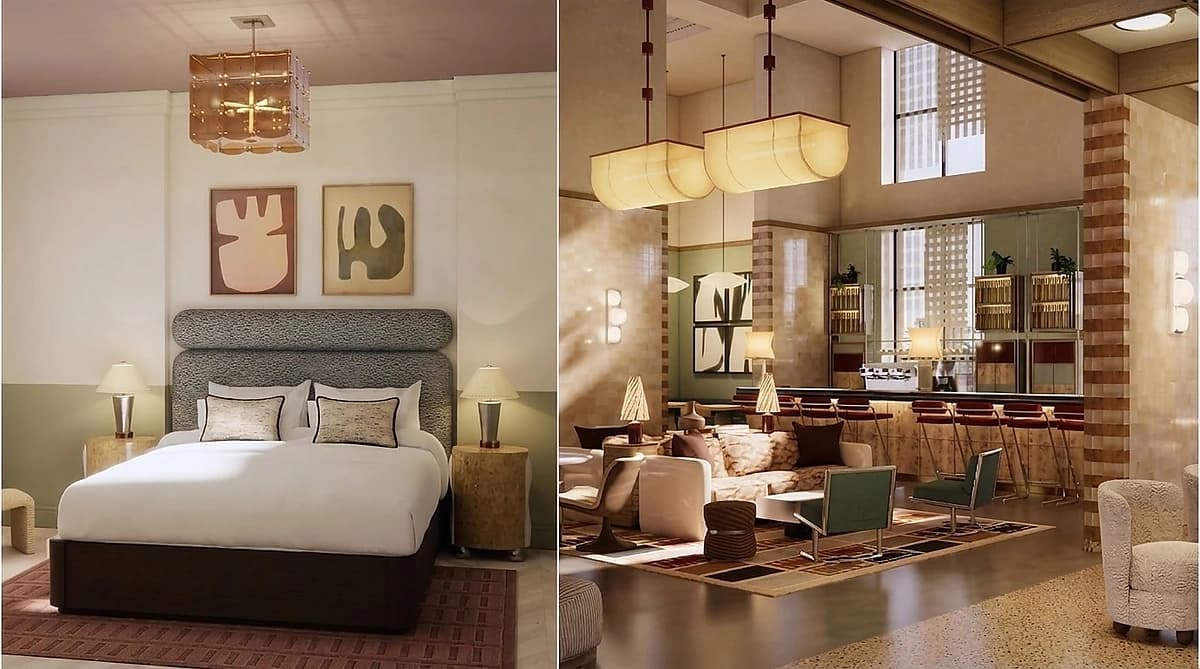
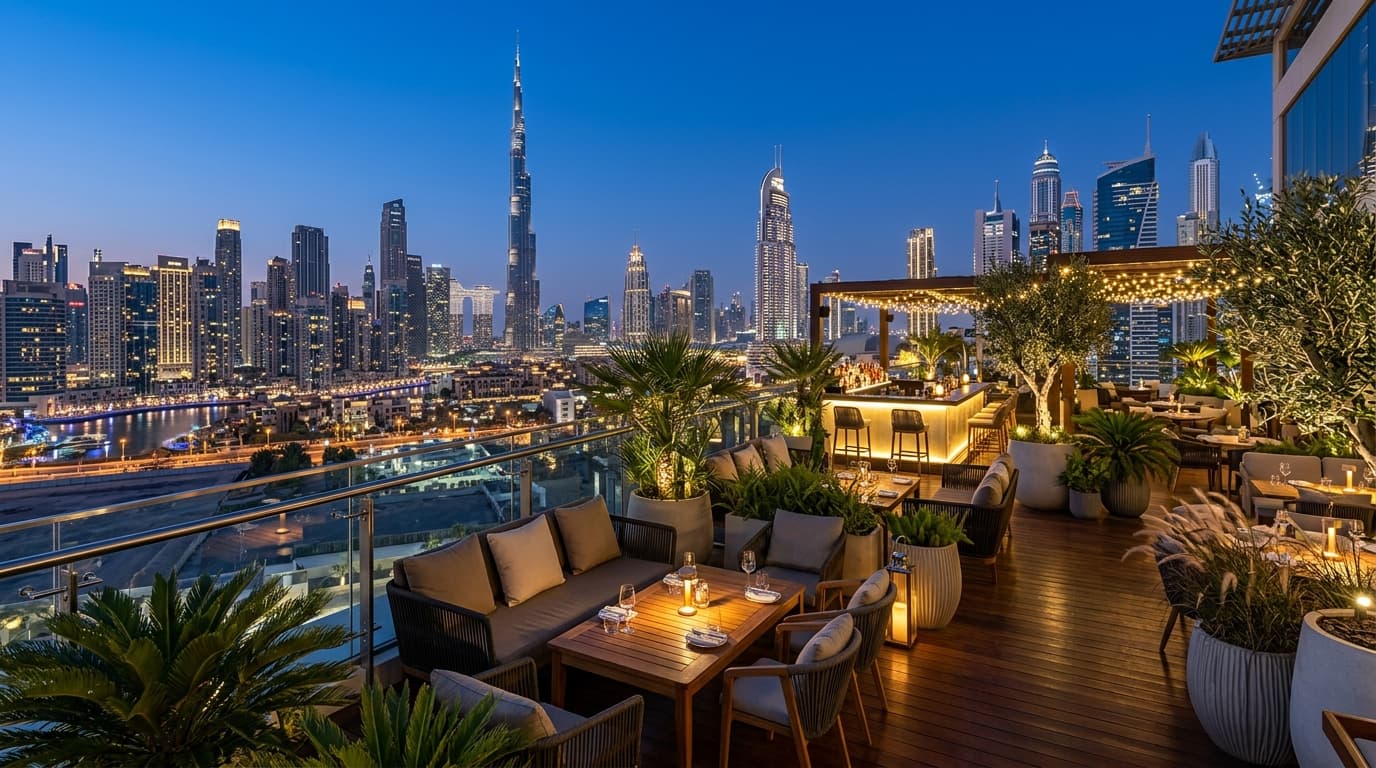
The Hoxton brand began in London and is known for neighbourhood-inspired design, lively public spaces and a restaurant-led model that attracts both locals and travellers. Its Dubai arrival includes a world-class wellness space, a rooftop bar and several top restaurants, a mix that targets leisure visitors and long-stay business travellers rather than only transient airport traffic.
For property owners and short-term letting hosts near Media City, The Hoxton’s presence will shift demand patterns. Expect increased foot traffic to nearby F&B and leisure venues, a stronger weekend occupancy profile for neighbouring hotels and a clearer segmentation between lifestyle boutique offerings and conventional business hotels.
What does The Hoxton arrival tell us about Media City demand?
What does The Hoxton arrival tell us about Media City demand? Key Data
Rooms
230
Location
Media City
Wellness space
world-class
Rooftop bar
included
The Hoxton’s opening signals rising lifestyle and leisure demand in Media City and nearby neighbourhoods, anchored by its 230 rooms and social public spaces.
The Hoxton brings a neighbourhood hotel model that relies on a social lobby, restaurants and a rooftop bar to attract both residents and visitors. With 230 rooms, its scale is large enough to draw consistent footfall into Media City’s dining and leisure circuit, supporting higher F&B turnover for adjacent outlets and helping convert weekday business guests into weekend visitors. The presence of a world-class wellness space further diversifies demand beyond business travel, appealing to health-focused guests and local members.
The main nuance is segmentation: The Hoxton will likely pull discretionary leisure spend and local diners, but it may not materially raise corporate night-stay volumes tied to office activity. Owners near Media City should expect improved F&B demand and stronger weekend occupancy, yet also prepare for selective competition on lifestyle experiences.
Which hotel features at The Hoxton will change the local market?
The Hoxton’s combination of a social lobby, rooftop bar, top restaurants and a wellness space creates a lifestyle offer that changes how guests and locals use Media City.
Neighbourhood hotels work by keeping public spaces active; The Hoxton’s restaurants and rooftop bar will increase daytime and evening visitation from residents and employees in Media City. The wellness space broadens appeal to repeat local customers and long-stay guests who value health and leisure amenities. These public-facing features redistribute spend from standalone restaurants and gyms to hotel-operated outlets, shifting where diners and wellness-goers choose to spend AED across the district.
Operationally, the change means neighbouring hotels and leisure operators must sharpen their F&B and experiential programming to stay competitive. The Hoxton’s offer is not only about rooms; it is a platform that creates new demand for mixed-use hospitality in Media City.
| Feature | Description | Immediate market effect |
|---|---|---|
| Rooms | 230 rooms | Increased district footfall and visitor capacity |
| Rooftop bar | Public destination | Drives evening dining and local visitation |
| Wellness space | High-quality spa and fitness | Attracts repeat local members and long-stay guests |
| Restaurants | Multiple top dining venues | Shifts F&B spend toward hotel venues |
"A neighbourhood hotel like The Hoxton converts hotel spaces into public venues, which raises local spend per visitor and lengthens guest stays."
, Binayah Research Team
What are the investment implications for owners and short-term letting?
The Hoxton’s entry improves leisure-driven demand near Media City and can support higher weekend occupancy and F&B revenue for nearby properties, anchored by its 230-room scale.
Owners offering short-term rentals or hotel apartments may see increased enquiries from leisure travellers and visiting families seeking a neighbourhood vibe. The Hoxton’s restaurants and rooftop bar create ancillary demand that benefits short-term listings with easy access to dining and wellness. For longer-term investors, the shift can justify modest rental premiums for furnished short-term units that market themselves toward guests attracted by the brand’s lifestyle offer. However, without published ADR or yield figures from the operator, owners should model conservative occupancy uplifts tied to the 230-room capacity rather than assume immediate price increases.
Risk management is key: owners should track post-opening occupancy and average nightly rates, and avoid over-indexing rents to an untested lifestyle pull. Short-term letting hosts should adapt listings to highlight proximity to The Hoxton’s restaurants, rooftop bar and wellness facilities to capture the new demand pool.
Key Insight
Hosts and owners should monitor actual occupancy and rate trends for at least six months after opening before changing long-term pricing assumptions; The Hoxton’s 230 rooms can influence demand, but conversion rates take time.
- Short-term demand: uplift from leisure and local diners
- Furnished units: better conversion near lifestyle hotel
- Pricing caution: model conservative occupancy improvements
- Marketing tip: promote proximity to The Hoxton amenities
What risks should owners and investors watch after The Hoxton opens?
The main risks are overestimating demand conversion and ignoring competition from other lifestyle venues, despite The Hoxton’s 230-room presence.
If neighbouring operators respond with aggressive pricing or similar F&B programming, the market could see margin compression for restaurants and weekend room rates. There is also the risk that the hotel attracts primarily local diners without a proportional lift in room nights, which would boost F&B revenue but leave room occupancy flat. Investors should watch occupancy mix, average nightly rates when published, and whether the wellness and rooftop bar drive repeat local visits or simply one-off curiosity traffic.
Practical actions include tracking monthly occupancy and public visitation patterns, assessing competitor promotions, and ensuring short-term listings accurately represent proximity to The Hoxton. Conservative forecasting and staged adjustments to rental strategies will limit downside while capturing the upside from increased local activity.
- Risk: overestimating converted room demand
- Risk: F&B margin compression with more competition
- Watch: occupancy mix and published average rates
The Hoxton’s 230-room arrival in Media City marks a shift toward lifestyle-driven hospitality in the district, raising local F&B and leisure demand. Owners should expect stronger weekend visitation and restaurant footfall but model changes conservatively, monitoring occupancy and rate data after opening before adjusting long-term pricing or rental strategies.
Binayah Editorial
Property Market Analyst
Our editorial team researches Dubai's real estate market, tracking DLD data, developer launches, and investment trends to keep buyers and investors informed.
Ready to Invest in Dubai?
Speak with our analysts about the best opportunities in today's market, free consultation.