
Starlink UAE launch: what it means for Dubai homes
Starlink UAE has launched, giving Dubai residents a new satellite internet option that promises higher speeds and wider coverage than many existing links.
SpaceX's Starlink is now officially available across the UAE according to the company's website, offering a distinct alternative to terrestrial fibre and mobile broadband. The service is backed by Elon Musk and uses a constellation of low-earth-orbit satellites to deliver internet where ground infrastructure is limited or congested. For many Dubai neighbourhoods and peripheral communities, Starlink can mean higher reliability during outages and easier connectivity for rooftop or villa properties.
For property owners and landlords, this launch raises practical and financial questions: will tenants switch for better speed, how easy is installation on buildings, and what permits or checks are required? This article lays out what Starlink availability means for Dubai homes, how it could affect investment choices, practical steps for landlords and owners, and the regulatory outlook that stakeholders should monitor.
What does Starlink availability mean for Dubai homes?
What does Starlink availability mean for Dubai homes? Key Data
Availability
UAE
Backer
SpaceX / Elon Musk
Service
Low-earth-orbit satellite broadband
Use cases
Villas and rooftop properties
Starlink availability in the UAE means Dubai homes can now access a high-speed satellite broadband option where fibre or fixed-line quality is poor or unavailable.
Starlink uses a dense network of low-earth-orbit satellites to deliver internet to rooftop dishes and terminals, providing an alternative route to internet for villas, rooftop apartments and fringe neighbourhoods. Because the service is presented as nationwide on the company's site, owners in developments with frequent maintenance or infrastructure outages gain a technically independent option. The company names Elon Musk and SpaceX as backers on its public pages, which is relevant for long-term network investment confidence.
Homeowners should weigh benefits against practical limits: satellite service can improve uptime and reach, but urban high-rise locations with restricted roof access or strict building façades may face installation hurdles. Lease and community rules can affect whether a rooftop terminal is permitted. For multi-tenant buildings, consider signal routing, shared amenity policies and how tenants might split hardware costs if the condominium or strata rules allow external antennas.
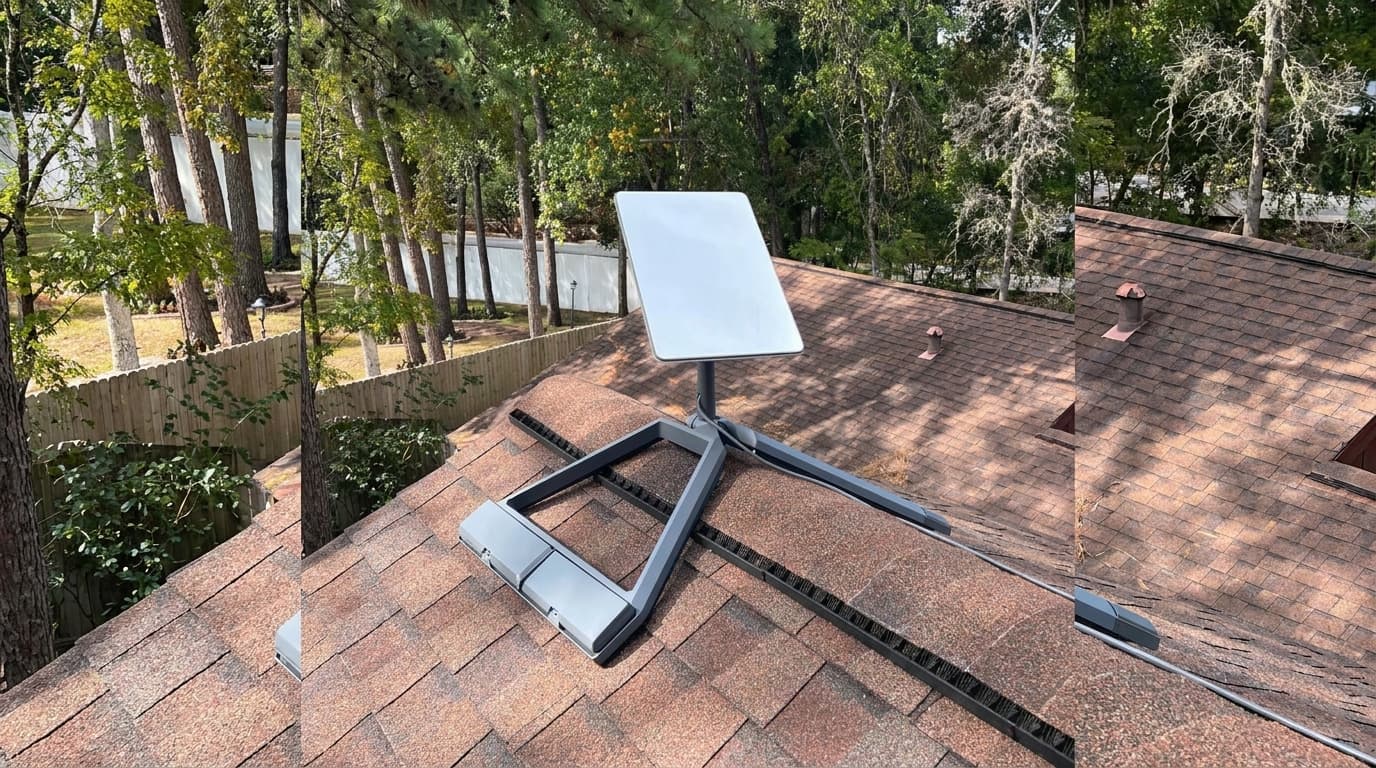
- Alternative to fibre where ground infrastructure is limited
- Useful for villas, rooftop apartments and peripheral communities
- Installation may require building or strata approval
- Brings competition to existing fixed-line and mobile providers
How could Starlink change property investment decisions in Dubai?
Starlink could change investment decisions by shifting tenant priorities toward properties that offer reliable high-speed connectivity even when local fibre is congested or under maintenance.
Investors evaluating rental demand may find that listings marketed with alternative connectivity options attract certain tenant segments: remote workers, small businesses running from home and tenants in outlying communities. For example, older buildings that previously lost appeal because of patchy broadband could regain competitiveness if Starlink installation is permitted. That said, the decision will depend on building access, any costs for hardware and installation, and whether condominium rules allow external dishes.
From an asset-management perspective, owners should model two scenarios: one where Starlink is an optional tenant-paid upgrade and one where the owner provides the service as a building amenity. Each approach has different implications for operating costs, tenant retention and marketing. Legal and strata considerations may influence whether owners can advertise Starlink as an included benefit or must facilitate tenant-led installations.
| Impact area | How Starlink changes it | Investor implication |
|---|---|---|
| Connectivity | Provides alternative route where fibre is weak | Can increase appeal for remote workers |
| Building value | May stabilise desirability in under-served areas | Could reduce vacancy in peripheral communities |
| Operating costs | Owner vs tenant choice affects Opex | Requires modelling of hardware and service provisioning |
"Starlink's arrival forces investors to factor connectivity beyond fibre into asset comparatives and marketing strategies."
, Binayah Research Team
- May increase demand for villas and penthouses with roof access
- Consider owner-provided amenity vs tenant-installed model
- Check community rules before assuming easy rollout
What practical considerations should owners and landlords take for Starlink installation?
What practical considerations should owners and landlords take for Starlink installation? Key Data
Installation
External terminal required
Permission
Check community/strata rules
Access
Roof or balcony with clear sky view
Responsibility
Decide owner or tenant-managed
Owners and landlords should first confirm property rules and rooftop access because Starlink requires an external terminal and clear sky view for optimal performance.
Installation typically involves mounting a dish or terminal on a roof, balcony or other external location where the device can see the sky. Landlords must assess structural permissions, façade rules and any strata or community-covenant restrictions that prohibit external equipment. For multi-unit buildings, coordinated installation and cable routing into individual apartments may be required. The company’s website notes national availability, but local building requirements remain decisive for whether and how installations proceed.
Operationally, landlords should plan who is responsible for hardware maintenance, who pays subscription fees, and how service interruptions are handled in tenancy agreements. If owners decide to offer Starlink as an amenity, include clear terms in lease documents covering access for installation and ongoing maintenance. Documenting permissions and responsibilities prevents disputes and protects property condition.
Key Insight
Before approving any external terminal, confirm rooftop load capacity and façade rules, record approvals in writing, and decide whether hardware becomes part of the property inventory or remains tenant-owned. This prevents later disputes about removal or damage.
- Verify roof access and mounting permissions
- Decide who pays for hardware and subscription
- Include installation rules in tenancy agreements
What is the regulatory outlook for Starlink in the UAE?
What is the regulatory outlook for Starlink in the UAE? Key Data
Official status
Service listed as available in UAE
Regulatory focus
Telecom and building rules
Risk
Non-compliance with community bylaws
Action
Keep approvals and documentation
The regulatory outlook is that operators and users should expect standard telecom and equipment rules to apply, so owners must check national and local approvals before installation.
The company’s website confirms availability in the UAE, but local licensing, frequency use and equipment standards are governed by national authorities and building codes. Property owners should confirm whether any permits are required for satellite terminals, whether antennas must meet specified technical standards, and whether import or customs rules apply to hardware. For landlords, the main regulatory risk is non-compliance with building regulations or community bylaws rather than the availability of the service itself.
Watching official guidance from UAE authorities is important because any national policy updates could change installation or operational requirements. Owners should keep documentation of permissions and technical compliance to reduce the risk of fines or orders to remove equipment, and consult legal counsel if community bylaws and national telecom guidance appear to conflict.

- Service availability does not remove local permit needs
- Keep paperwork to demonstrate compliance
- Monitor regulator guidance for updates
Starlink is now listed as available in the UAE and presents a viable satellite broadband alternative for Dubai homes, particularly villas and rooftop properties. The practical impact on landlords and investors depends on building permissions, installation logistics and whether owners offer Starlink as an amenity or tenants install it themselves.
Binayah Editorial
Property Market Analyst
Our editorial team researches Dubai's real estate market, tracking DLD data, developer launches, and investment trends to keep buyers and investors informed.
Ready to Invest in Dubai?
Speak with our analysts about the best opportunities in today's market, free consultation.