Dubai skyline megaprojects: how the skyline will change
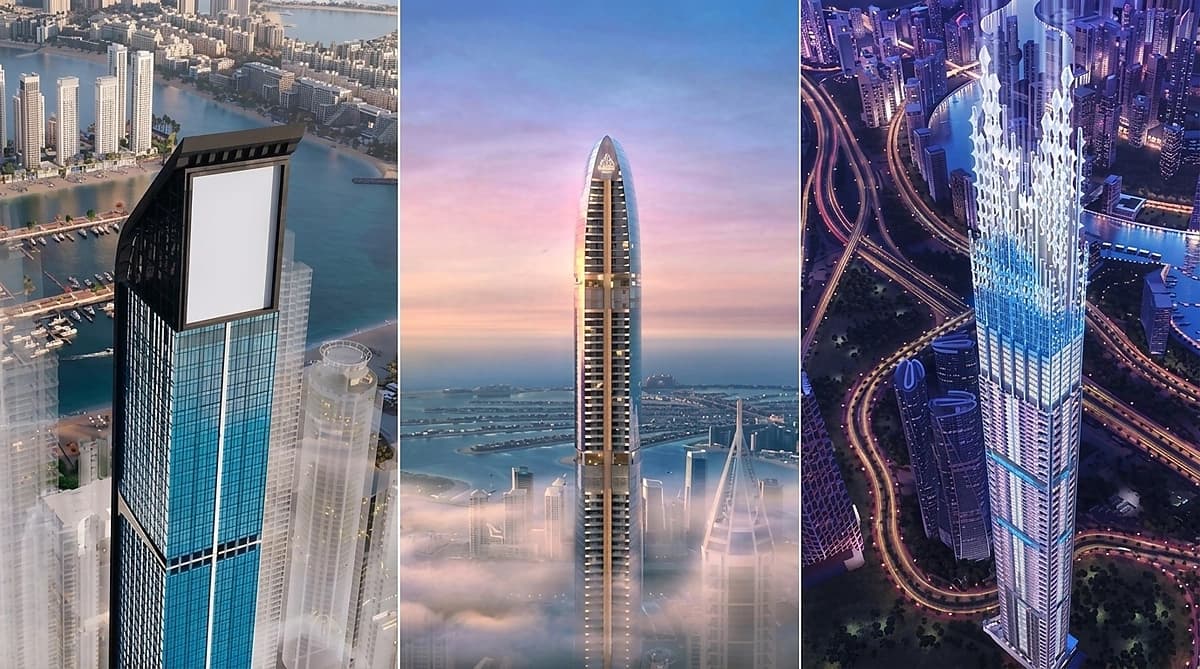
Dubai skyline megaprojects will reshape where towers rise and which neighborhoods see the biggest investment and lifestyle change over the next five years.
Megaproject announcements have become a near-weekly headline and the city is preparing for concentrated vertical growth across multiple precincts. That momentum is driven by a mix of developer ambition, infrastructure investment and steady demand for high-density living and tourism-facing projects.
For buyers and residents the result is a faster-changing map of hotspots, shifting rent dynamics and new infrastructure needs, all unfolding while many projects progress through multi-year delivery schedules.
Why is a new generation of Dubai skyline megaprojects arriving now?
Why is a new generation of Dubai skyline megaprojects arriving now? Key Data
Timeline
5 years
Announcement cadence
Every other week
Impact
Skyline-scale change
Primary risk
Delivery delays
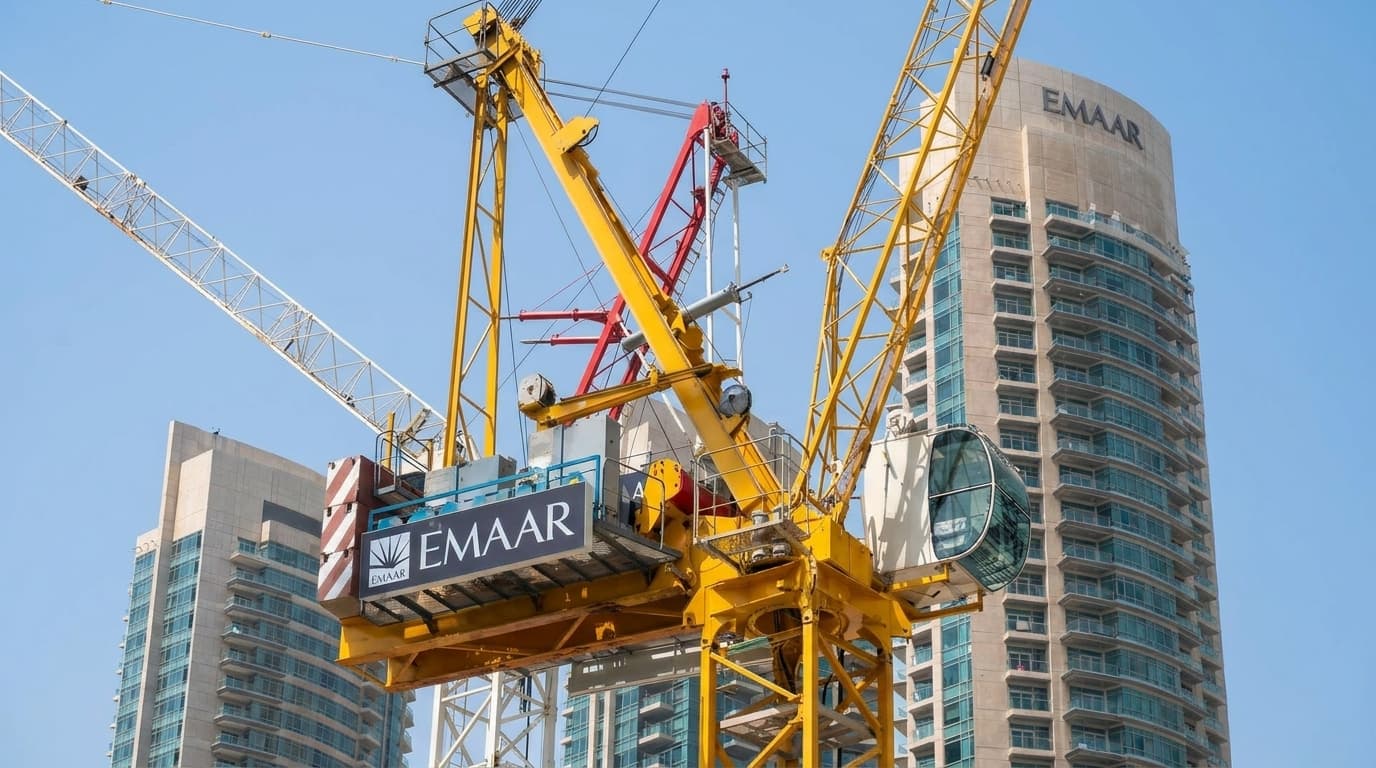
A new generation of Dubai skyline megaprojects is arriving because developers and planners are accelerating large mixed-use towers and masterplans backed by domestic and international capital and infrastructure investment, with much activity planned over the next five years.
Project announcements are frequent, even described as appearing every other week in media coverage, and that cadence reflects developer confidence and public-sector support for dense urban expansion. The combined effect is more land assembled for tall buildings, greater appetite for signature towers and bigger masterplans that bundle residential, hotel and retail components to capture tourism and business demand.
The rapid pace brings opportunity and risk. Opportunity lies in concentrated amenity upgrades and new address premiums. Risk shows up as delivery delays, clustering that strains local roads and utilities, and possible short-term oversupply in parts of the market if absorption does not keep pace.
How will Dubai skyline megaprojects affect buyers and neighbourhoods?
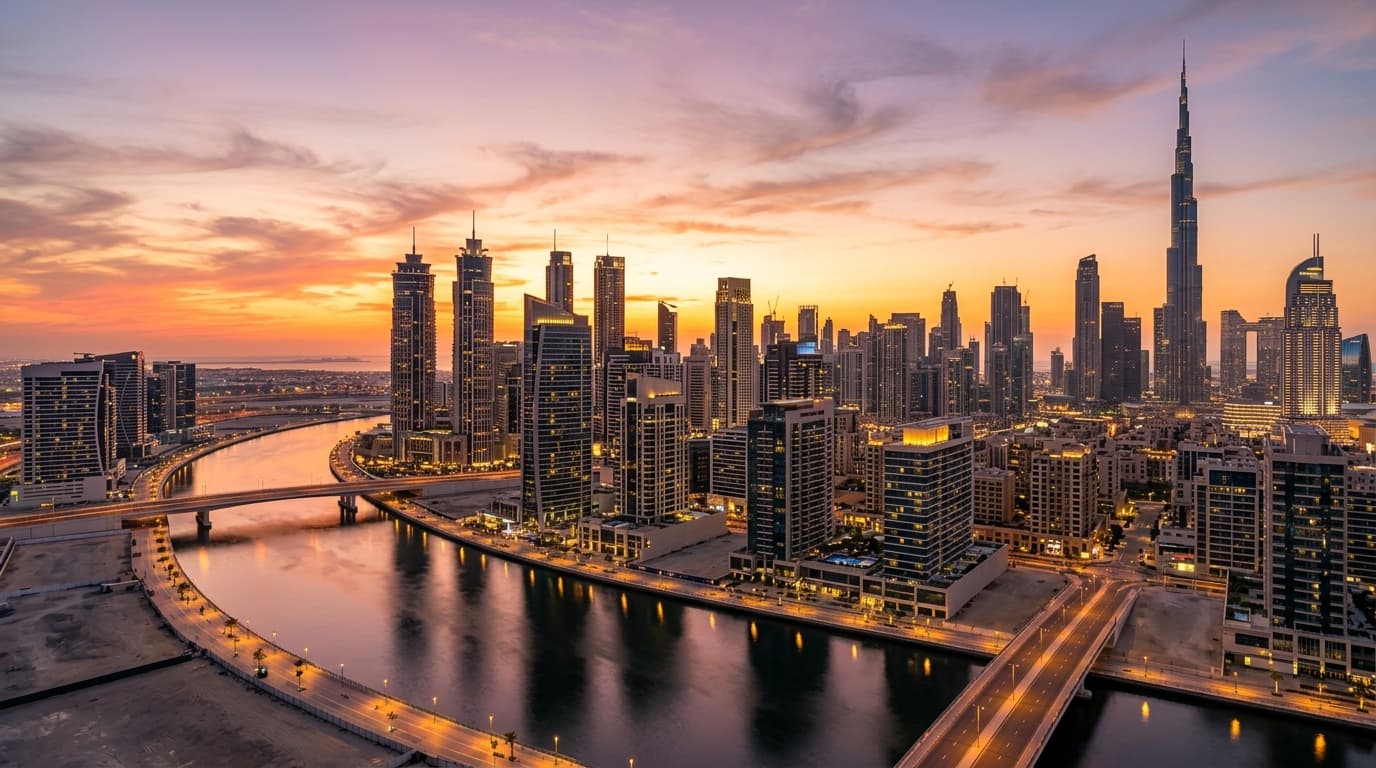
Dubai skyline megaprojects will shift local price and rental dynamics by concentrating new supply, modern amenities and transport investment within specific precincts, producing higher demand for addresses closest to new towers.
Buyers in precincts that gain headline towers typically face stronger competition for modern apartments and branded residences, which lifts asking prices and can push nearby rents higher as amenity density increases. Existing neighbourhoods near delivery zones often see upgraded retail and transport links but may also experience construction disruption and changes to micro-demographics. For long-term owners the upside is clearer amenity-driven capital growth; for short-term buyers there is delivery and absorption risk to assess.
Neighborhood-level outcomes will depend on exact project mix, phasing and infrastructure follow-through. Where projects are phased and paired with transport upgrades the benefits are concentrated and lasting; where projects cluster without supporting roads or transit, congestion and quality-of-life frictions can reduce net gains.
| Neighbourhood type | Typical price effect | Typical rental effect |
|---|---|---|
| Established neighbourhoods | Moderate uplift | Stable or slight rent increase |
| Emerging skyline zones | Stronger uplift | Rent growth potential |
"Buyers near new skyline projects gain amenities but must weigh construction impact and delivery schedules when judging price upside."
, Binayah Research Team
What are realistic construction timelines and delivery risks for Dubai skyline megaprojects?
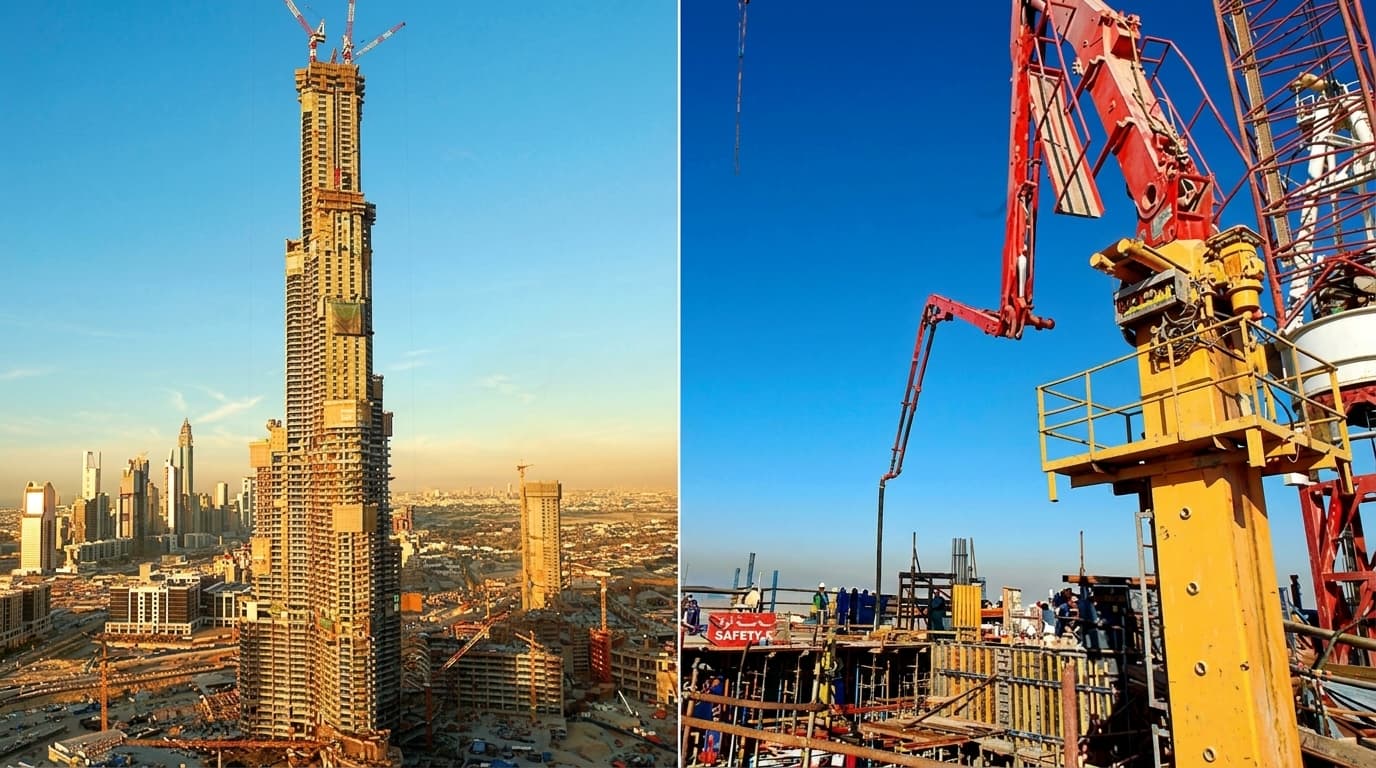
Realistic construction timelines for Dubai skyline megaprojects vary widely, but many large towers and masterplans are expected to progress over multiple years and a concentrated wave is aimed for completion over the next five years.
Delivery risk is material. Projects announced frequently, even every other week, still face challenges such as supply chain pressures, labour availability, cost inflation and complex approvals. Those factors extend schedules and increase the likelihood of phased handovers rather than single-date completions. Buyers should expect staged occupancy and should confirm which infrastructure and services are in the developer’s committed scope versus future phases.
Mitigation starts with checking developer track record, contract terms and escrow protections, and understanding whether delivery is phased. Contracts that tie progress to independent escrow and clear defect liability give buyers better protection when multi-year delivery and market cycles intersect.
Key Insight
When assessing a megaproject, prioritise developer track record and whether unit payments are held in escrow. If delivery is phased, confirm which amenities are guaranteed at initial handover to avoid paying for facilities delivered much later.
- Check developer completion history
- Verify escrow and payment schedules
- Confirm phased handover details
- Assess local infrastructure delivery
How will the next skyline change daily life in Dubai?
How will the next skyline change daily life in Dubai? Key Data
Daily convenience
Increased
Potential downside
Congestion
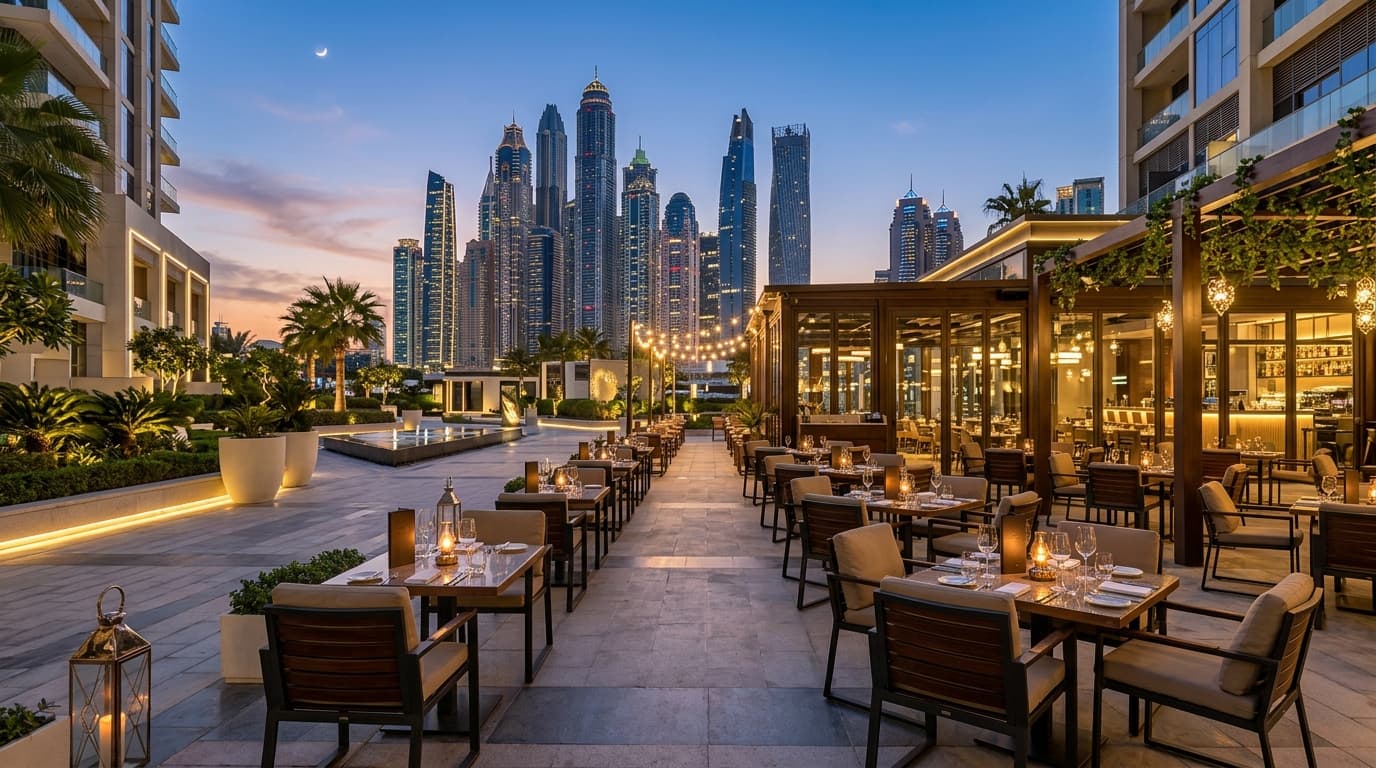
The next skyline will reshape daily life through denser services, new transport links and greater clustering of hospitality, retail and workplaces near major towers, altering commuting and leisure patterns for residents.
Residents near new towers should expect quicker access to branded hotels, new dining options and consolidated retail, which raises convenience and can support higher local real-estate premiums. Conversely, increased density can mean more traffic, longer queues at peak times and greater demand on local utilities unless infrastructure upgrades keep pace. Public realm improvements often accompany megaprojects, delivering new parks or promenades but also changing local microclimates and shadowing patterns around tall structures.
The net effect depends on planning integration: where projects include thoughtful streets, transit and public space the quality-of-life gains are clear; where towers outpace infrastructure, residents face congestion and higher living costs until mitigation measures are implemented.
Dubai skyline megaprojects will produce a noticeably denser city profile over the next five years, driven by frequent new announcements and concentrated development activity. Buyers and residents should weigh amenity-led gains against clear delivery risks such as phased completions and construction disruption, and prioritise transparency on handover terms and escrow protections when evaluating opportunities.
Binayah Editorial
Property Market Analyst
Our editorial team researches Dubai's real estate market, tracking DLD data, developer launches, and investment trends to keep buyers and investors informed.
Ready to Invest in Dubai?
Speak with our analysts about the best opportunities in today's market, free consultation.