Solar thermal Dubai rooftop limits and solutions
Bosch Home Comfort Group Middle East explains solar thermal Dubai rooftop limits and practical fixes for residential and hospitality properties.
Solar thermal systems are often the first sustainability option stakeholders consider for hot-climate buildings, but rooftop area is usually the practical constraint that determines whether a project is viable. Roof geometry, shading, structural loading and access for maintenance shape collector count, storage size and eventual system performance.
For owners and facilities managers in Dubai the question is not only if solar thermal is possible but how to design around roof limits, meet local approvals and balance capital cost with longer term operational savings. This report summarises the practical bottlenecks, regulatory context, design workarounds and owner-level implications drawn from industry experience and field practice.
Why is rooftop area the practical bottleneck for solar thermal in Dubai?
Why is rooftop area the practical bottleneck for solar thermal in Dubai? Key Data
Primary barrier
Rooftop area
Typical impact
Reduced collector field size
Common sectors
Residential and hospitality
Key need
Early roof survey
Rooftop area is the practical bottleneck because limited flat, unshaded space directly restricts how many collectors and storage tanks can be installed, reducing system capacity and seasonal performance, says Bosch Home Comfort Group Middle East.
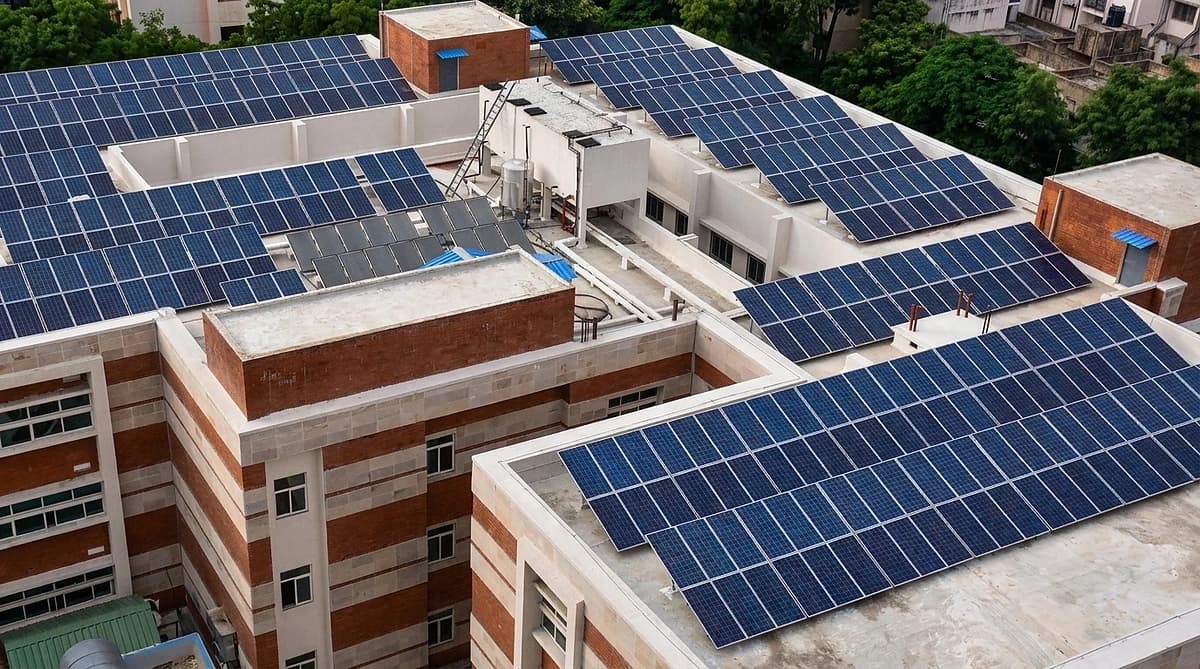
Many Dubai apartment blocks and midrise hotels have segmented roofs, rooftop plant rooms, lifts overruns and service corridors that break usable area into small pockets rather than one large plane. These constraints force designers to reduce collector field size or move key equipment into compromised locations, which lowers peak output and complicates hydraulic layouts. Structural load limits and waterproofing zones further narrow where heavy storage tanks or inclined arrays can sit.
The practical consequence is that rooftop-limited projects need earlier integration between architect, MEP and the solar thermal specialist to find every square metre of usable roof and to consider staged or hybrid deployments. Owners should treat the roof survey as the project’s critical data point rather than a later technicality.

How do cost and regulation shape solar thermal adoption in Dubai?
Costs and regulation are solvable but secondary hurdles; capital cost, integration complexity and permitting all shape whether a scheme proceeds and how large it becomes, according to Bosch Home Comfort Group Middle East.
Cost drivers include collectors, storage tanks, pumps, heat exchangers and the bespoke piping work needed to integrate with existing boilers or plant rooms. Labour skill and specialist installers also push initial spend higher than for simple electric heating retrofits. On the regulatory side projects must meet building codes, waterproofing and roof load requirements and secure approvals that vary by municipality and asset type. These combined factors lengthen project timelines and influence payback expectations.
The practical policy for owners is to treat permitting and technical integration as part of the upfront budget rather than an add-on. Early conversations with engineers and the facilities team reduce surprises at handover and make it easier to size a system that balances capital outlay against operational fuel or electricity savings.
| Item | Cost driver | Regulatory checkpoint |
|---|---|---|
| Collectors and array | Equipment and mounting hardware | Roof waterproofing and structural approval |
| Storage and hydraulics | Tank size and pumps | Plant room access and safety approvals |
| Integration work | Piping, heat exchangers, controls | Mechanical and electrical inspections |
"Deploying solar thermal successfully depends on an early roof assessment and coordinated design between architecture, MEP and the solar specialist."
, Mohammed Melhem, Sales Manager, Bosch Home Comfort Group Middle East
What design workarounds and hybrid approaches enable solar thermal where roofs are limited?
Design workarounds and hybrid approaches such as phased installations, compact storage, and partial solar integration allow projects to deliver benefits even with small roofs, and Bosch Home Comfort Group Middle East recommends treating performance targets flexibly.
Common approaches include installing the largest possible collector field on available roof area while using compact, insulated storage tanks to save volume. Projects often pair solar thermal with existing boilers so that solar covers base hot-water demand and conventional plant covers peak loads. Ground-mounted arrays, where site permits allow, and rooftop-mounted evacuated tube systems with steeper tilt to maximise yield in tight footprints are additional options. Modular installations also let owners expand capacity as funds or roof changes permit.
These workarounds require careful hydraulic design and controls so solar contribution remains predictable and the conventional plant operates safely. Owners should budget for commissioning, seasonal tuning and a clear maintenance plan that addresses scaling, corrosion protection and access constraints.
Key Insight
Consider a staged approach where a small solar field reduces base consumption immediately and leaves capacity to expand later; this reduces initial capital pressure and preserves future upgrade options.
- Phased installation preserves budget flexibility
- Hybrid with existing boilers manages peak demand
- Compact storage reduces roof footprint and weight
What does this mean for Dubai property owners and facility managers?
What does this mean for Dubai property owners and facility managers? Key Data
Critical step
Roof survey before design
Owner action
Plan for staged or hybrid installs
Operational focus
Maintenance and commissioning
Decision point
Balance scope with site limits
For Dubai owners and facility managers the practical takeaway is that rooftop limits define project scope and planning is the single most valuable early activity, notes Bosch Home Comfort Group Middle East.
Owners should commission a roof survey, load assessment and early schematic design so the solar specialist can identify usable area and integration points. That work clarifies whether a full solar thermal system, a partial hybrid installation or a staged rollout is appropriate. Facilities teams must also account for access, service routes and seasonal tuning to keep delivered performance aligned with expectations and warranties.
Treat solar thermal as an operational asset rather than a one-off fit-out. Early technical decisions and realistic performance targets reduce disputes at handover, lower lifecycle maintenance surprises and help owners align capital spend with long-term energy management goals.
Rooftop area is the decisive constraint for solar thermal projects in Dubai, while costs and regulation remain manageable with early technical planning. Workarounds such as hybrid systems, compact storage and phased installs let owners deliver measurable solar contribution even on constrained roofs. Bosch Home Comfort Group Middle East emphasises early surveys, integrated design and realistic performance targets as the core actions for successful deployment.
Binayah Editorial
Property Market Analyst
Our editorial team researches Dubai's real estate market, tracking DLD data, developer launches, and investment trends to keep buyers and investors informed.
Ready to Invest in Dubai?
Speak with our analysts about the best opportunities in today's market, free consultation.