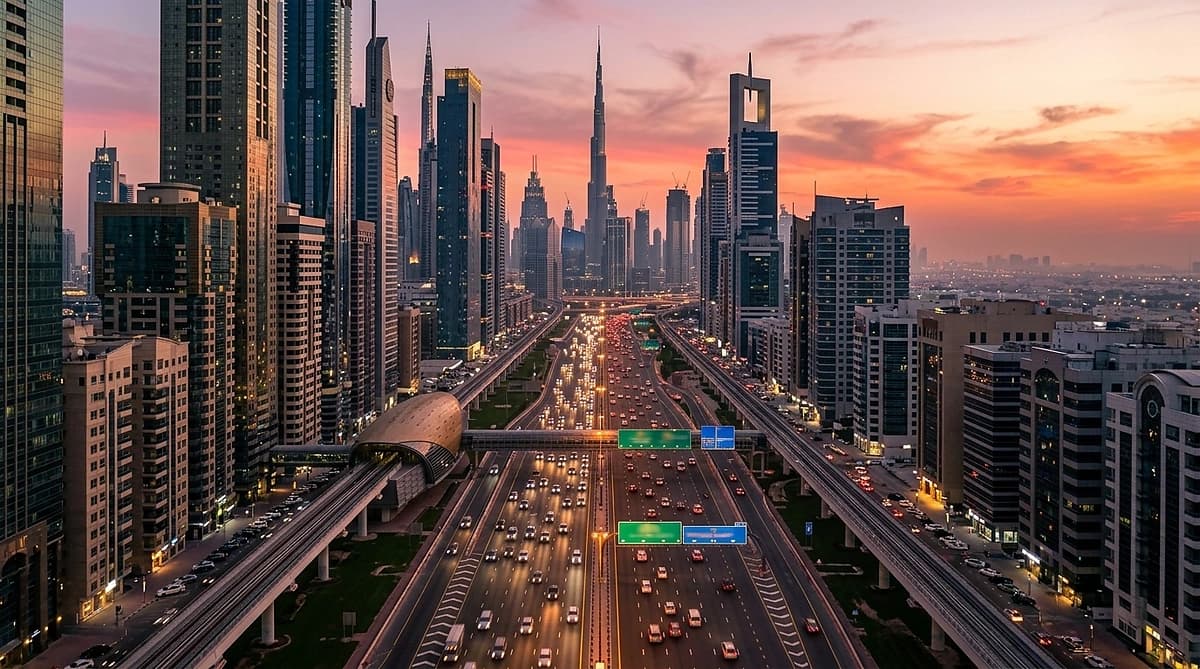
RTA speed limit changes in Dubai from Nov 1
RTA speed limit changes take effect on five Dubai roads from Sunday November 1, altering three increases and two reductions for drivers.
The Roads and Transport Authority, referred to as the RTA in the announcement, said the adjustment covers five major routes with effect from Nov 1. Three streets will see speed limits raised while two streets will have limits reduced. The stated aim is to smooth traffic flow, but the change will shift speeds for many daily commuters and delivery services.
For property owners and landlords the RTA decision matters because travel time, perceived accessibility and local noise levels can change overnight. Even without road names released in the initial notice, the counts are clear: 5 roads in total, 3 increases, 2 reductions. That mix of increases and reductions creates both small upside and downside effects for nearby communities.
How will RTA speed limit changes affect daily traffic in Dubai?
How will RTA speed limit changes affect daily traffic in Dubai? Key Data
Total roads
5
Speed increases
3
Speed reductions
2
Effective date
Nov 1
The RTA announcement will produce modest but immediate shifts in daily traffic patterns across five Dubai roads, with three roads seeing higher limits and two seeing lower limits.
Raising speed limits on 3 roads can increase average vehicle speed and reduce journey times for certain corridors, while reducing speeds on 2 roads aims to calm traffic where safety or congestion concerns exist. The announcement gives a clear count: 5 roads total, 3 increases and 2 reductions. Drivers who use those corridors should expect altered flow during peak windows and changed merging patterns where limits differ from adjacent links.
The net effect is unlikely to redraw long commutes, but it will change micro-level congestion and crossing behaviour near affected junctions. That can shift short-term travel reliability for buses, taxis and delivery fleets and may change parking and drop-off demand for buildings close to adjusted roads. Stay alert to RTA signage and temporary speed advisory periods as authorities roll out the changes.
Why do RTA speed limit changes matter to the Dubai property market?
Speed limit changes matter to the property market because they change how residents and workers experience accessibility and safety near buildings, and the RTA decision affects five roads across the city.
Even a small change in average road speed can shift perceived commute times and influence tenant demand for nearby apartments and offices. With 3 roads increasing limits, some locations will become marginally more accessible to commuters, potentially improving appeal during peak hours. The 2 reductions are intended to calm traffic and may increase attractiveness for families and retail uses near those corridors. While the announcement provides only counts rather than street names, the directional impact is tangible: accessibility gains on 3 roads and calmer streets on 2 roads.
Investors should watch micro-markets near the affected corridors, because minor changes in travel time can alter rental desirability and short-term yields. For example, a route that becomes quicker for commuters could lift weekday occupancy interest, while a road with reduced speeds might see improved walkability but slightly longer drive times for residents who commute by car.
| Change type | Number of roads | Effective date |
|---|---|---|
| Speed increases | 3 | Nov 1 |
| Speed reductions | 2 | Nov 1 |
"Even small adjustments in road speed limits change perceived travel time and accessibility, which can shift short-term tenant demand in affected communities."
, Binayah Research Team
What should owners, landlords and buyers do after RTA speed limit changes?
Owners, landlords and buyers should review how the RTA change to five roads affects access to their property and adjust expectations about commute times and messaging to tenants.
Start by mapping tenant and buyer commute routes against the announced counts: three roads will have higher limits and two will be lower from Nov 1. Speak with building managers and local estate teams to confirm whether entry points, pick-up zones or signage need update. Landlords may need to revise tenant guidance about expected travel times and consider small operational changes such as shifting service windows or delivery schedules to match new flow patterns.
Buyers and investors should factor the mixed impact into valuation assumptions for nearby properties and stress-test rental yields under both improved and slightly slower access scenarios. Where speed reductions increase walkability, highlight that benefit to family and retail markets. Where increases shorten journeys, emphasise commuting time savings when marketing units.
- Check tenant commute routes against the 5 affected roads
- Update building arrival and delivery instructions for Nov 1
- Adjust rental marketing to reflect improved access or calmer streets
How will RTA enforce the new speed limits and what is the longer term outlook?
The RTA will implement the new limits with signage and active management, and drivers should expect enforcement and monitoring once the changes take effect on Nov 1.
Enforcement details were not listed in the initial notice, but the RTA typically follows limit changes with updated signs and public advisories to inform drivers. Given the count of five roads involved, expect phased roll-out and possible temporary advisory speeds on affected links. Over the longer term, the RTA may use data from these adjustments to refine limits across other corridors, balancing throughput and safety goals as traffic patterns settle after the three increases and two reductions.
For the property market the long view matters more than the immediate enforcement actions: if RTA finds increased limits reliably reduce congestion, accessibility benefits can persist and support demand. If reductions are extended or expanded, local streets may become more attractive for pedestrians and families, which influences community character and land use over time.
Key Insight
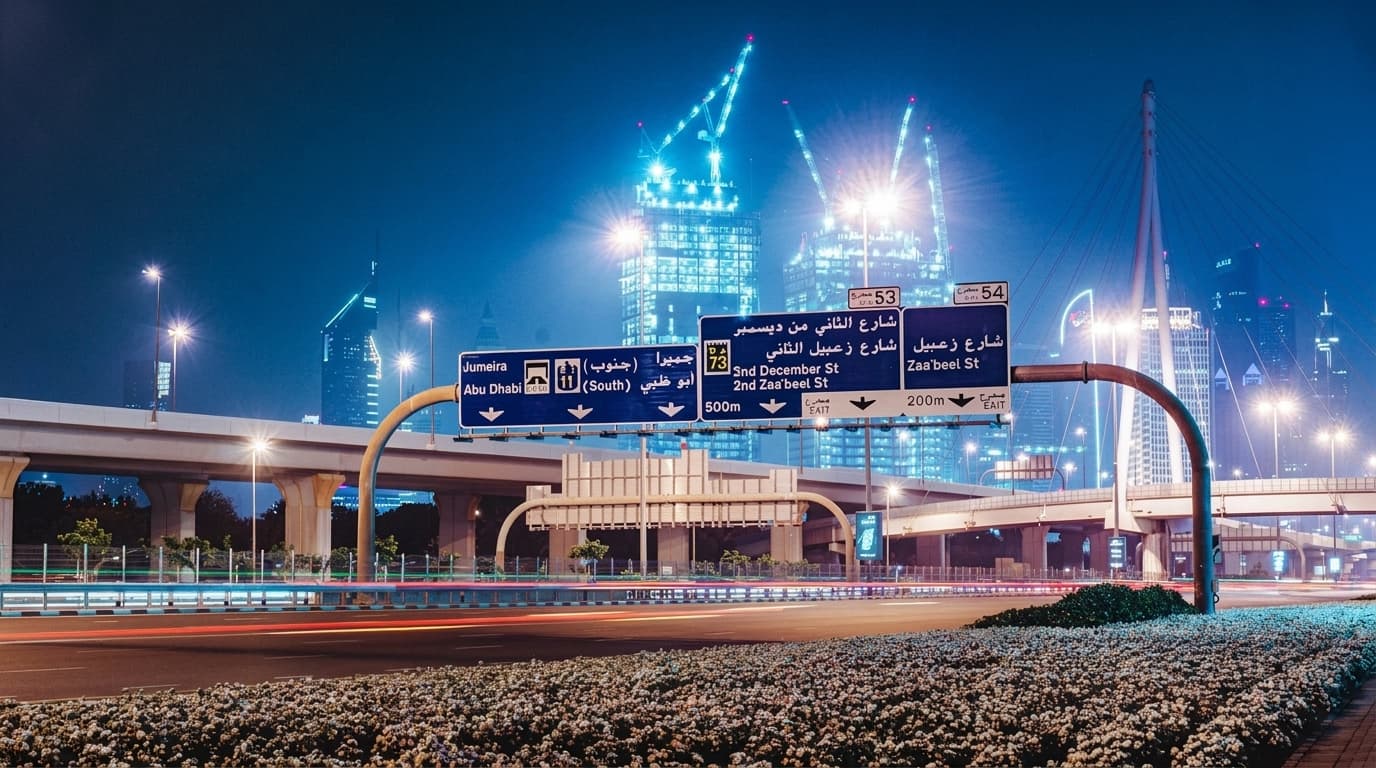
Monitor official RTA channels for precise enforcement measures and updated signage. Adjust tenant guidance and building operations immediately after Nov 1 to reduce disruption and avoid infringement risks.
The RTA has confirmed speed limit changes on five Dubai roads, with three increases and two reductions taking effect on Nov 1. The immediate impact will be shifts in local traffic flow and micro-market accessibility, so owners and landlords should review tenant guidance and operational plans in light of those 5-road adjustments.
Binayah Editorial
Property Market Analyst
Our editorial team researches Dubai's real estate market, tracking DLD data, developer launches, and investment trends to keep buyers and investors informed.
Ready to Invest in Dubai?
Speak with our analysts about the best opportunities in today's market, free consultation.