Returning to Dubai: why people come back and feel at home
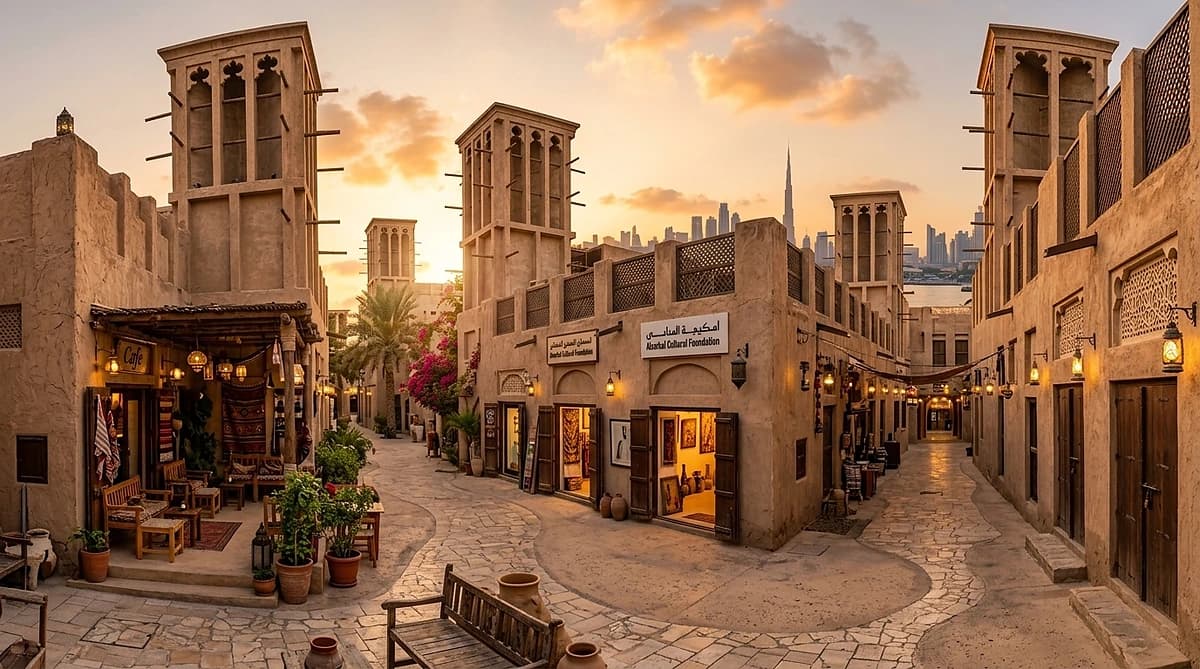
Returning to Dubai often feels like coming back to a familiar skyline and routines that shape daily life for former residents.
Many people who once lived in Dubai describe a lasting emotional attachment to the city, whether because of childhood memories, friendships, or the feel of certain neighbourhoods. For some, like residents who later emigrated, that attachment mixes with practical considerations such as jobs, schooling, and housing costs.
This article looks at the emotional geography of home, practical reasons people return to Dubai, how property factors into the decision, and the role of social life and identity in welcoming people back.
Why do people feel emotionally attached to Dubai?
Why do people feel emotionally attached to Dubai? Key Data
Emotional pull
High
Community ties
Strong
Milestone bonds
Common
Practical trade-offs
Present
People feel emotionally attached to Dubai because the city forms repeatable routines, relationships and memories that stay with residents long after they leave.
For many former residents the pull is not only nostalgia but a web of lived experience: neighbourhoods, habitual cafés, childhood schools and long-standing friendships. The emotional geography of Dubai often links to life milestones such as first jobs, weddings and early parenting, which makes the idea of returning feel like resuming an interrupted life.
That emotional pull can make practical trade-offs easier to bear, but it can also complicate decisions when logistics or family circumstances have changed. Emotional attachment matters to employers, landlords and communities because it predicts commitment to networks and local norms, yet it does not remove practical hurdles such as housing availability or family visa requirements.
What practical reasons make people return to Dubai?
People return to Dubai for practical reasons such as jobs, education choices and family logistics that are easier to manage in the UAE.
Work opportunities, the regional hub role of the city and the structure of schooling and healthcare often feature in return decisions. Practical reasons also include familiarity with local services and systems, quicker re-integration into professional networks, and the convenience of existing social and family ties. For many, returning is a pragmatic choice to stabilise career and family life rather than purely an emotional one.
Practical returns often require planning around visas, schooling and accommodation. Those decisions depend on timing and priorities so families and professionals commonly weigh relocation costs, the timing of school terms and employer support before committing to a move back to Dubai.

| Reason | How it helps | Typical outcome |
|---|---|---|
| Employment | Access to regional jobs and networks | Faster career restart |
| Education | Established schools and curriculum options | Predictable schooling for children |
| Family logistics | Proximity to extended family and support | Easier childcare and social support |
"Returning is often a practical reset as much as an emotional homecoming; people weigh schooling, work and networks before making the move."
, Binayah Research Team
How does property ownership influence returning to Dubai?
Property ownership can make returning to Dubai easier by providing a ready place to live and a financial anchor for families and investors.
Owning a home in Dubai reduces the immediate search for long-term accommodation and can simplify logistics such as school enrolment and community re-entry. For some returning residents, property doubles as a financial safety net and a visible tie to the city. However, buying or holding property also brings obligations such as service charges and maintenance which need to fit a returning household's budget and lifestyle.
Property is rarely the sole reason people return but it changes the calculus. Owners often face decisions about renting their property while away, selling before leaving, or using it as a base when they come back. Each choice affects flexibility, costs and emotional comfort, so former residents weigh liquidity needs alongside the desire to preserve a home base in Dubai.

- Reduces relocation time and stress
- Acts as a financial anchor and safety net
- Brings ongoing costs like maintenance and service charges
- Influences choices about renting versus selling
How do social life and identity influence decisions to return to Dubai?
Social life and identity strongly influence whether people choose to return to Dubai because community networks shape belonging and opportunity.
Returning residents often seek the social rhythms they knew before: familiar friendship groups, community activities and cultural connections. Identity factors such as language, shared cultural reference points and a sense of rootedness in certain districts play a central role. For many, the ability to reintegrate socially join community groups, restart friendships and reconnect with cultural practices matters as much as practical arrangements.
Social reintegration can be straightforward for those who maintain contacts while abroad, but harder for people who left decades ago or whose social circles have dispersed. Rebuilding a social life takes time and intention, and returning residents often use community hubs, schools and workplaces as primary ways to reconnect and re-establish belonging.
Key Insight
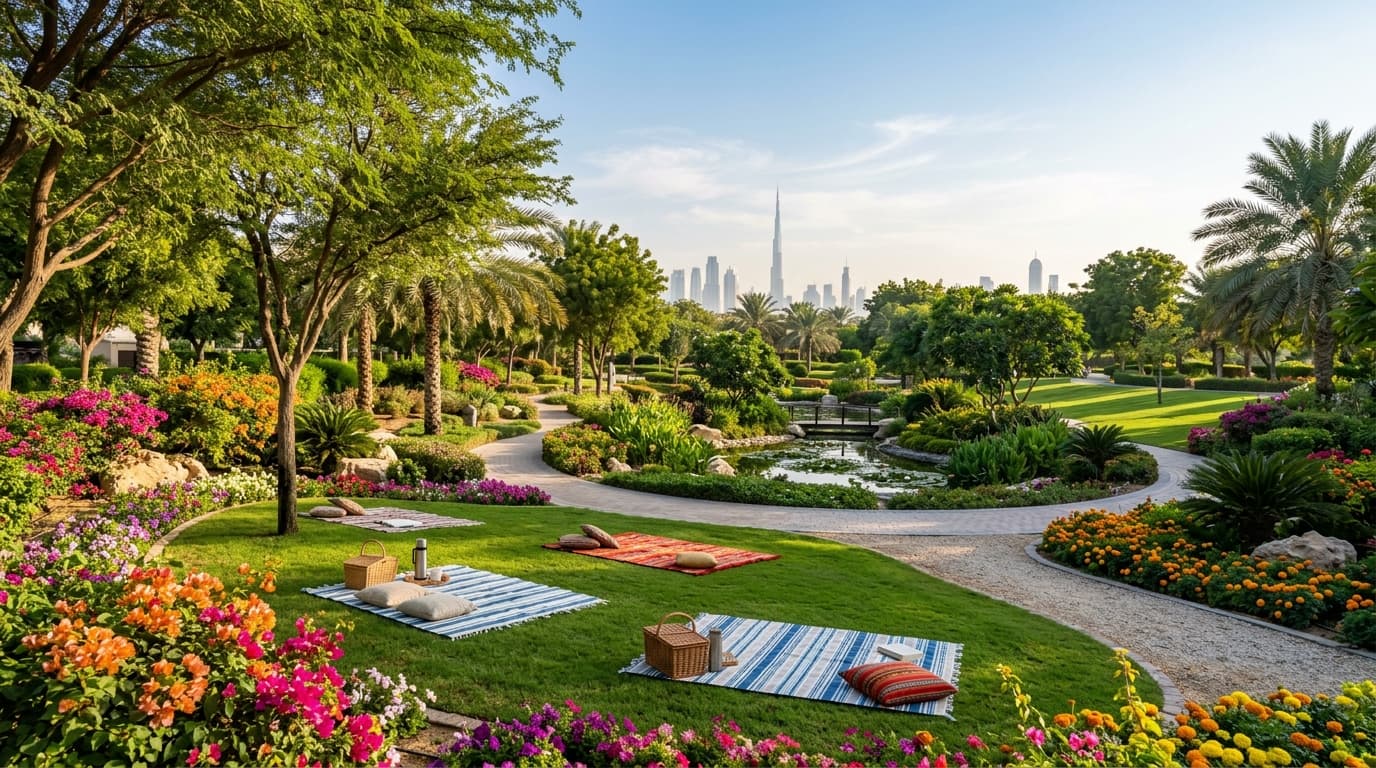
When planning a return, map your social supports early. Reconnect with key contacts, identify community hubs and allow six to twelve months to rebuild a close social network.
Dubai draws people back through a mix of emotional ties and practical advantages, from existing social networks to housing and career logistics. The decision to return typically balances belonging with planning for visas, schooling and accommodation. Understanding both the sentimental and the pragmatic sides helps former residents make a smoother move back to life in the city.
Binayah Editorial
Property Market Analyst
Our editorial team researches Dubai's real estate market, tracking DLD data, developer launches, and investment trends to keep buyers and investors informed.
Ready to Invest in Dubai?
Speak with our analysts about the best opportunities in today's market, free consultation.