Public art Dubai: Alserkal Avenue and Al Fahidi guide
Public art Dubai comes alive at Alserkal Avenue and Al Fahidi, where street galleries, courtyards and installations make the city feel like an open-air museum.
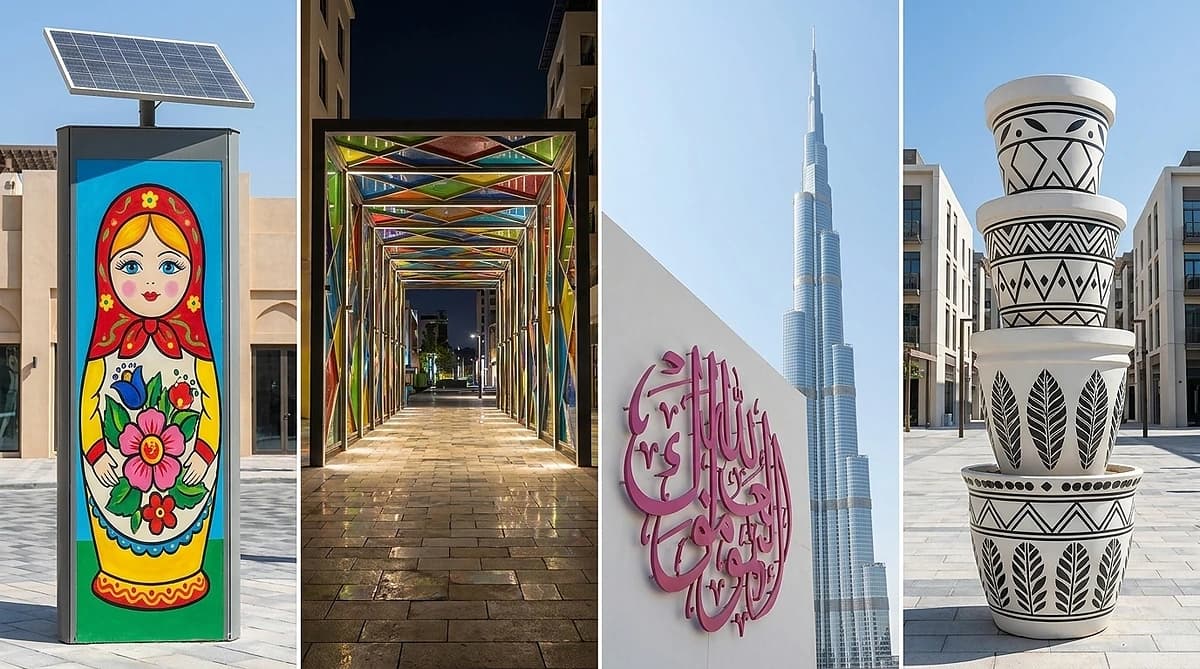
Dubai’s public art scene means you can see major works without a ticket, from gallery courtyards to painted facades. Alserkal Avenue is known for converted warehouses that host contemporary exhibits and temporary installations. Al Fahidi’s lanes focus on heritage-led displays and smaller, site-specific pieces that reward walking and curiosity.
For residents and visitors the payoff is simple: accessible culture across walkable areas. Seeing art this way blends museum-quality work with everyday life, so a short stroll can feel like a curated tour. The next sections map where to start, how sculptures appear in public spaces, how mural tours work, and what public art means for neighbourhood life.
Where to see public art in Dubai: Alserkal Avenue and Al Fahidi
Where to see public art in Dubai: Alserkal Avenue and Al Fahidi Key Data
Start
Alserkal Avenue
Historic
Al Fahidi
Access
Free entry in public spaces
Experience
Courtyards, alleyway installations
Start at Alserkal Avenue and Al Fahidi to experience the most concentrated, accessible public art in Dubai with free entry and visible works in courtyards, alleyways and converted warehouses.
Alserkal Avenue offers large-scale contemporary shows and rotating outdoor installations inside an arts district formed from former industrial sheds; Al Fahidi provides a denser, historic setting where murals and small installations sit beside wind-tower architecture. Both places are designed for walking: expect indoor gallery spaces that spill into courtyards, outdoor sculptures in pedestrian lanes, and temporary projects that change seasonally.
The practical nuance is timing and expectation. Alserkal Avenue often schedules new openings and artist talks, while Al Fahidi concentrates on intimate, site-specific commissions that respond to history. Plan visits around gallery hours and community program calendars to catch temporary works, and allow time to explore nearby cafés and lanes that host informal displays.

Where are public sculptures in Dubai: parks, plazas and promenades
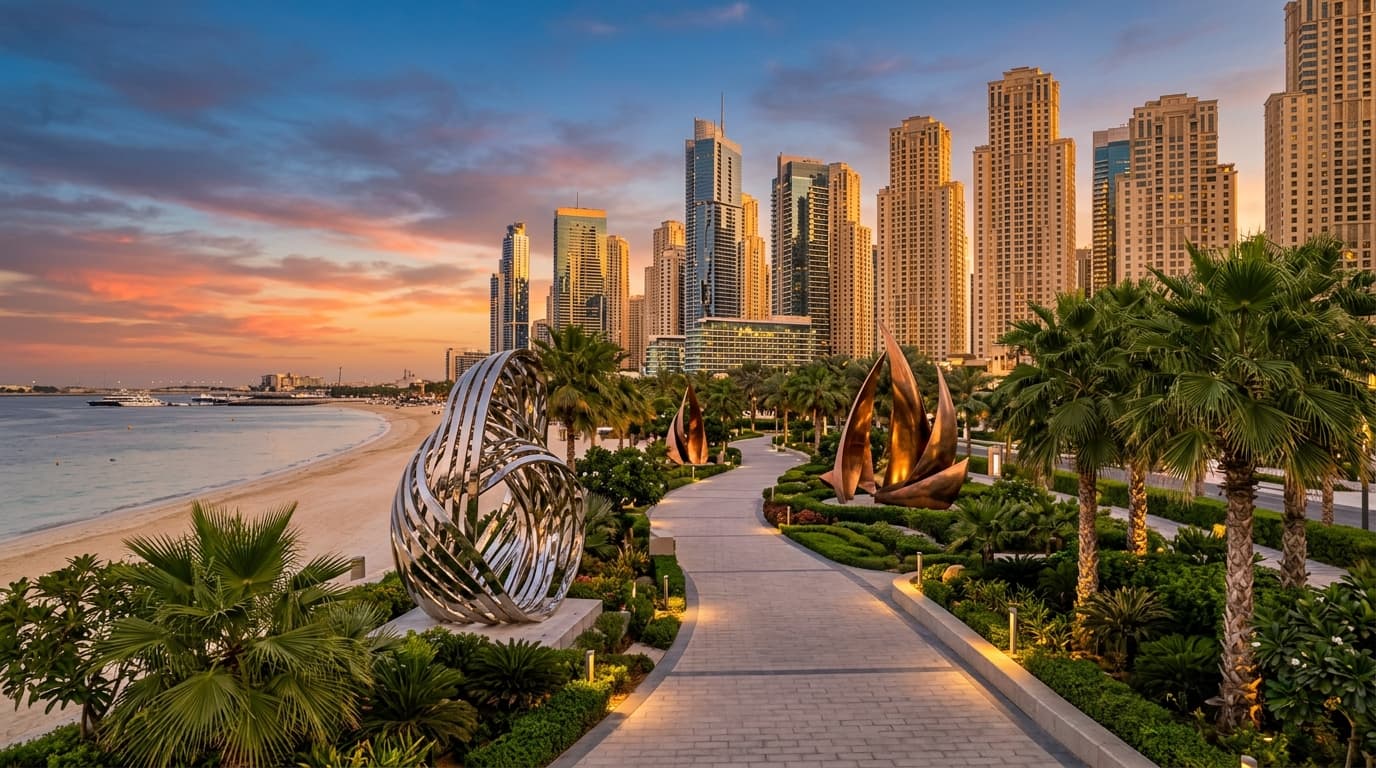
Public sculptures in Dubai appear in parks, plazas and promenades and are designed to be seen without admission fees, often placed to animate pedestrian routes and open spaces.
Sculptures are commissioned to mark civic spaces and enliven promenades, with works ranging from figurative to abstract and from permanent monuments to temporary displays. These pieces are placed to catch passing foot traffic, act as photo backdrops and create gathering points. Sculptural art tends to anchor a plaza or walkway and is curated to complement landscaping and sightlines so that sculpture and setting form a single experience for passersby.
The main trade-off for visitors is scale versus intimacy. Large plaza sculptures read from a distance and shape a skyline moment, while smaller works reward closer inspection and offer quieter encounters. For photography and comfort, visit promenades in the morning or late afternoon when the light softens and pedestrian flow is lower.
| Sculpture type | Typical location | Visitor experience |
|---|---|---|
| Large-scale monuments | Plazas and civic squares | Visual anchors for public gatherings |
| Site-specific installations | Parks and landscaped areas | Integrated with planting and paths |
| Promenade works | Waterfronts and pedestrian routes | Sequential viewing along a walk |
"Public sculpture turns everyday routes into destinations and gives residents shared landmarks to meet and remember."
, Binayah Research Team
How to find murals and commissioned street art on Dubai neighbourhood tours
How to find murals and commissioned street art on Dubai neighbourhood tours Key Data
Best method
Walking neighbourhood tours
Alserkal focus
Contemporary commissioned murals
Al Fahidi focus
Heritage-led street art
Tip
Check local program calendars
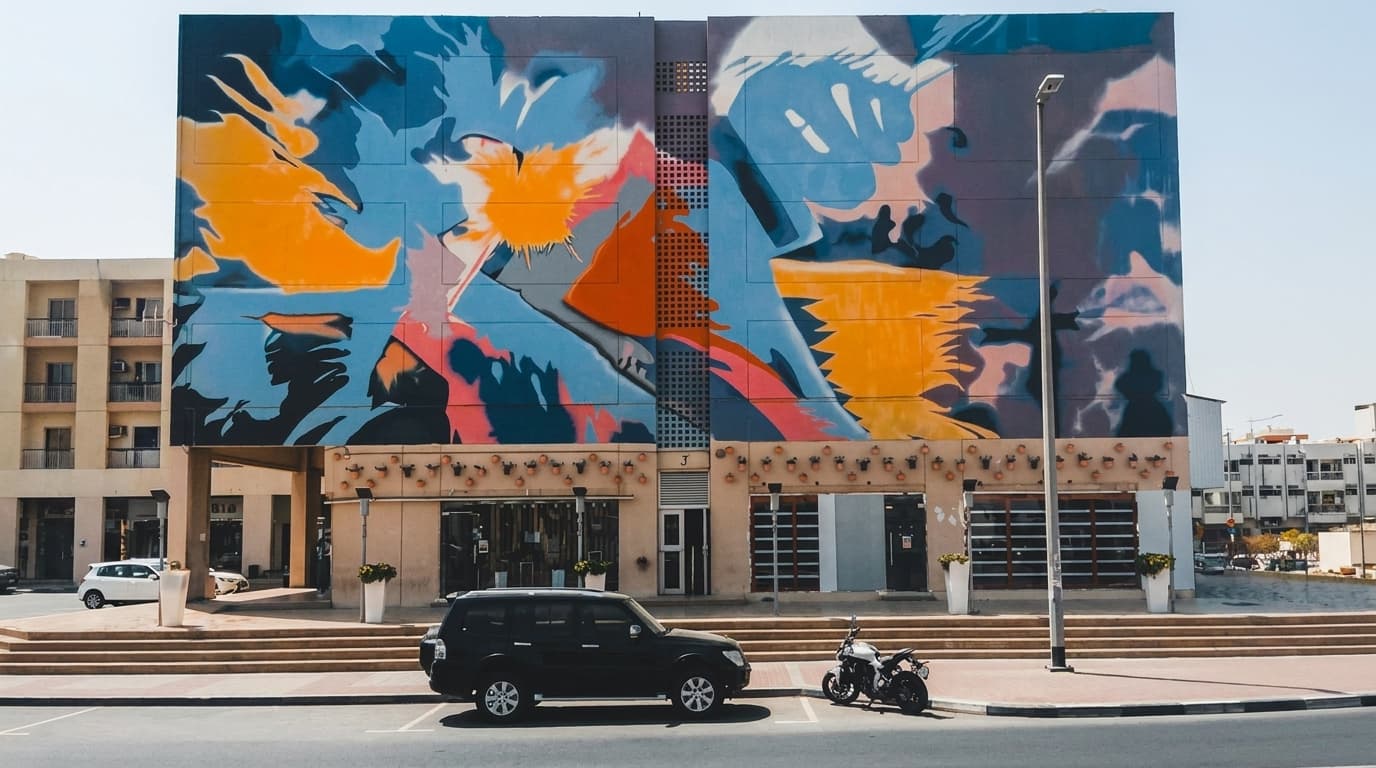
Follow neighbourhood walking routes and commissioned projects to find the best murals and street art in Dubai, often mapped by local arts groups and cultural districts.
Murals range from temporary festival pieces to commissioned façades that respond to a neighbourhood’s identity. In arts districts like Alserkal Avenue, expect professionally curated wall works and rotating projects, while heritage areas such as Al Fahidi host murals that engage with history and traditional architecture. Neighbourhood tours self-guided or led concentrate murals into walkable loops so you can see multiple works in one outing without needing transport.
A practical tip: check gallery or district calendars for mural unveilings and guided walks. Murals evolve and some are temporary, so timing matters if you want a particular artist’s work. Wear comfortable shoes, bring water, and allow time to pause at side streets: many of the most interesting works are tucked away from main thoroughfares and reward slower exploration.
Key Insight
Pack sun protection and water for mural walks, and download district maps or gallery calendars to avoid missing temporary or festival pieces.
How does public art in Dubai affect property and daily life
How does public art in Dubai affect property and daily life Key Data
Daily impact
More walkable streets
Economic effect
Boosts nearby footfall
Social value
Shared cultural landmarks
Planning note
Distribution matters
Public art in Dubai shapes daily life by creating walkable cultural moments that make neighbourhoods more attractive for residents and visitors alike.
Art in public spaces encourages foot traffic, extends time spent in an area and adds visual identity to streets and districts. When courtyards, promenades and lanes feature art, they become places where people meet, linger and spend locally. That change supports small businesses and cafes near art hubs and helps certain neighbourhoods develop a reputation for creativity and cultural programming, which influences how people use public space day to day.
The risk is uneven distribution. Areas with concentrated art programming draw attention, while other neighbourhoods may receive less investment. For urban planners and property stakeholders the challenge is balancing high-profile installations with smaller, community-led projects so the benefits of public art reach residents across different districts rather than concentrating in a few cultural zones.
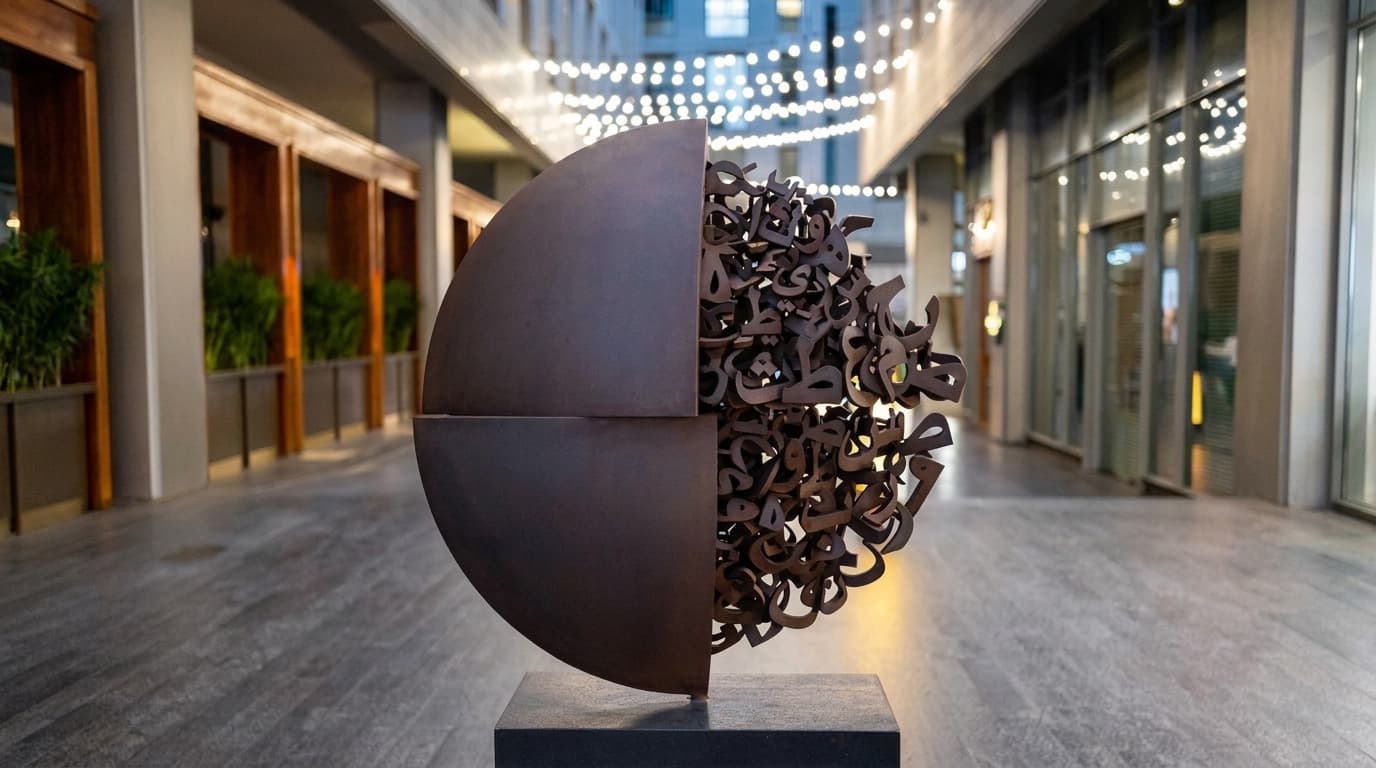
Public art in Dubai is intentionally visible and walkable, with Alserkal Avenue and Al Fahidi as complementary starting points for contemporary and heritage-led displays. Visiting these districts shows how sculptures, murals and installations shape daily life, increase pedestrian activity and create shared cultural landmarks that reward both short visits and deeper neighbourhood exploration.
Binayah Editorial
Property Market Analyst
Our editorial team researches Dubai's real estate market, tracking DLD data, developer launches, and investment trends to keep buyers and investors informed.
Ready to Invest in Dubai?
Speak with our analysts about the best opportunities in today's market, free consultation.