Primark Dubai expansion: 3 stores and retail impact
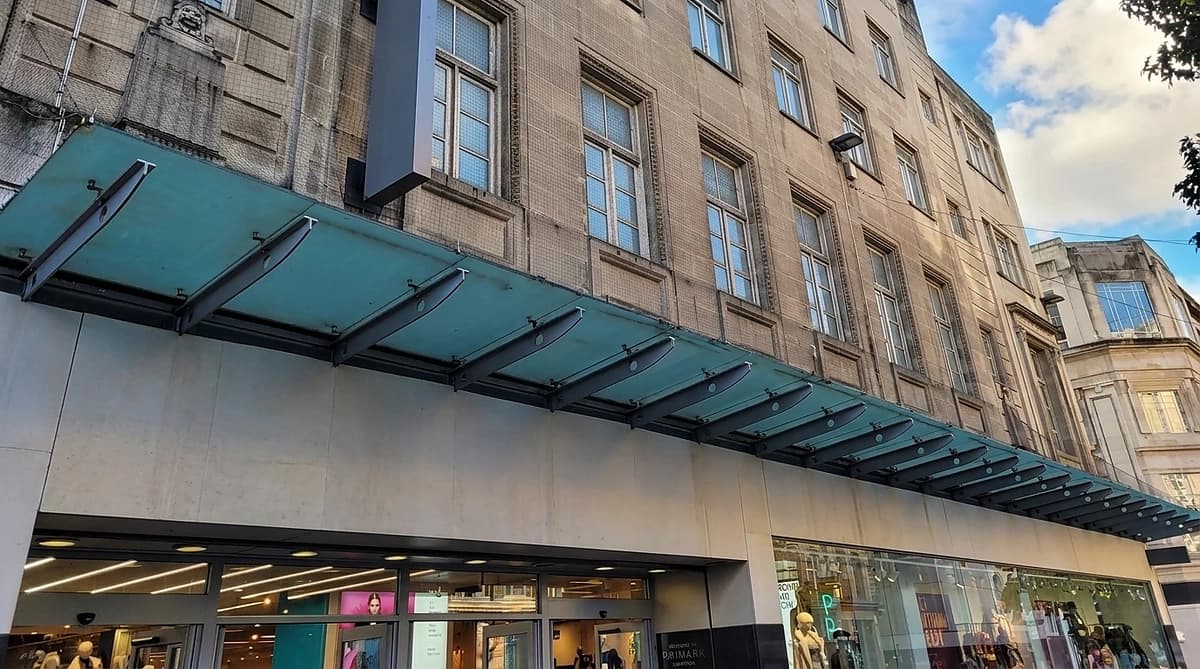
Primark plans three Dubai store openings this year, aiming to embed the brand into UAE consumers' daily routines and shopping patterns.
Alshaya Group confirmed the rollout, saying the goal is to make Primark part of daily life for UAE shoppers, with those three stores scheduled to appear in the coming months. The statement positions Primark as a mass-market anchor that can change footfall patterns and tenant mixes in major malls and high streets across Dubai.
For landlords and tenants this means practical, measurable change: three planned openings will shift seasonal demand, influence short-term leasing strategies and alter how malls programme fashion versus value retail. Investors and brokers should treat these openings as discrete events with localised impacts rather than market-wide seismic shifts.
What does the Primark Dubai expansion mean for Dubai retail?
What does the Primark Dubai expansion mean for Dubai retail? Key Data
Stores
3
Timeline
Coming months
Partner
Alshaya Group
CEO goal
Embed into daily routines
Primark's announced plan to open three Dubai stores in the coming months will put a mass-market value retailer into Dubai's daily shopping rotation quickly and visibly. The direct effect is new anchored footfall for the locations selected, with the transaction count of three store openings signalling a rapid initial presence.
Those three store openings, backed by Alshaya Group, are likely to draw higher weekday and weekend traffic to their host malls or streets, redistributing shoppers from mid-market competitors to Primark's value proposition. While the source does not give AED sales figures, the clear aim stated by the Alshaya Group CEO is to embed Primark into daily routines, which implies sustained visit frequency and basket-size effects rather than one-off spikes from a single launch.
The strategic nuance is location sensitivity: a Primark that becomes part of daily routines benefits adjacent food and service tenants more than luxury boutiques. Landlords should expect demand for longer leases from fashion value operators and the possibility of higher overall centre visitation, but they must manage tenant mix carefully to avoid overcrowding similar price-point retailers within walking distance of each of the three openings.
How will tenants and landlords adjust to Primark in Dubai?
Tenants and landlords will rework leasing and merchandising plans around the three planned Primark openings to capture new footfall while protecting existing rent roll. The immediate practical change is the redistribution of shopper visits to the host locations tied to those three store openings.
Landlords should anticipate that a high-volume value retailer typically demands large contiguous space and stable, long-term rents in exchange for consistent traffic. For tenants, the arrival of Primark can mean higher turnover for adjacent food and service outlets and tougher competition for mid-market fashion brands; the announcement from Alshaya Group confirms three Dubai locations, which lets landlords start targeted re‑programming of tenant mix and promotional calendars now rather than reactively.
Adjustments will vary by micro-market. In malls with many mid-market fashion tenants, landlords may prioritise experiential or service-led offerings to complement Primark's draw. In compact high-street clusters, existing tenants may seek lease renegotiations or shorter rent review cycles to reflect changed footfall patterns around each of the three store sites.
| Factor | Detail | Source |
|---|---|---|
| Planned Dubai stores | 3 | Alshaya Group statement |
| Timeline | Coming months | Alshaya Group statement |
"The goal is to embed Primark into the daily routines of UAE consumers as quickly as possible"
, Alshaya Group CEO
What are the investor and market implications of the Primark Dubai expansion?
Investors should treat the three planned Primark openings as discrete value-creation events that can increase rental resilience and centre valuation where the stores land. The transaction count of three gives investors a measurable rollout to model when stress-testing income scenarios.
Primark's entry through Alshaya Group signals a mainstream confidence in Dubai's retail demand for value fashion, which can stabilise occupancy and reduce short-term void risk in affected assets. Even without AED sales figures disclosed, landlords that host one of the three stores may see stronger footfall-derived revenues for F&B and services, while yield compression is possible in the immediate retail micro-markets as demand for space near Primark rises.
The risk profile for investors is mixed: assets that already rely on mid-market fashion may see improved grosses, but assets positioned at the premium end could experience tenant churn as the retail mix rebalances. Investors should map the specific three locations, model three store-driven catchment changes, and stress test both rental uplifts and potential short-term tenant incentives used to secure Primark-sized footprints.
Key Insight
For investors: model the three store openings as separate cash-flow catalysts. Run sensitivity tests on rental uplifts for adjacent retail of 0% to 10% and model vacancy recovery over 6 to 18 months to see realistic valuation impacts.
- Anchor effect: three high-traffic stores can lift F&B and service revenues nearby
- Yield impact: potential localised compression where demand rises due to Primark
- Tenant churn: premium fashion may reposition away from Primark-hosting centres
What operational risks and what to watch next for Primark in Dubai?
Operational risks for Primark's Dubai entry include supply-chain timing, store-fit delays and the challenge of scaling operations quickly across three openings. The announcement that three stores will open in the coming months creates a tight timeline that increases execution risk.
Retail execution will hinge on logistics, staffing and local regulatory approvals; each of the three openings needs reliable inventory flows to avoid initial stockouts that could harm repeat visits. Alshaya Group's stated objective to embed Primark into daily routines implies a need for operational consistency from day one. Investors and landlords should watch inventory announcements, hiring drives and any local permissions noted in mall or municipal filings tied to each store site.
Key watchpoints are the exact store locations, final opening dates for each of the three stores and early consumer feedback on pricing and assortment. Any delay beyond the 'coming months' window could reduce the immediate benefit to landlords and tenants and extend incentive periods, so monitor official Alshaya updates and host-venue communications closely.

- Execution risk: tight timeline for three openings increases the chance of delays
- Operational focus: staffing and stock reliability critical for repeat visits
- Regulatory watch: local approvals can shift opening windows and incentives
Primark's entry into Dubai via Alshaya Group is concrete: three stores are planned in the coming months and the stated goal is to embed the brand into UAE consumers' daily routines. That focused rollout gives landlords, tenants and investors a clear transaction count to model and monitor, with effects concentrated around the specific host locations rather than spread evenly across the market.
Binayah Editorial
Property Market Analyst
Our editorial team researches Dubai's real estate market, tracking DLD data, developer launches, and investment trends to keep buyers and investors informed.
Ready to Invest in Dubai?
Speak with our analysts about the best opportunities in today's market, free consultation.