Passport-free travel Dubai: Paul Griffiths plan explained
Dubai Airports boss Paul Griffiths says passport-free travel Dubai could remove passport controls at major terminals within five years for international passengers.
Paul Griffiths made the announcement as part of a broader industry discussion about biometric ID, frictionless corridors and a future where passports are no longer the default border document. The claim is specific ditch passports completely within the next five years and it immediately raises questions for airlines, ground handlers, immigration authorities and the property markets that cluster around airport hubs.
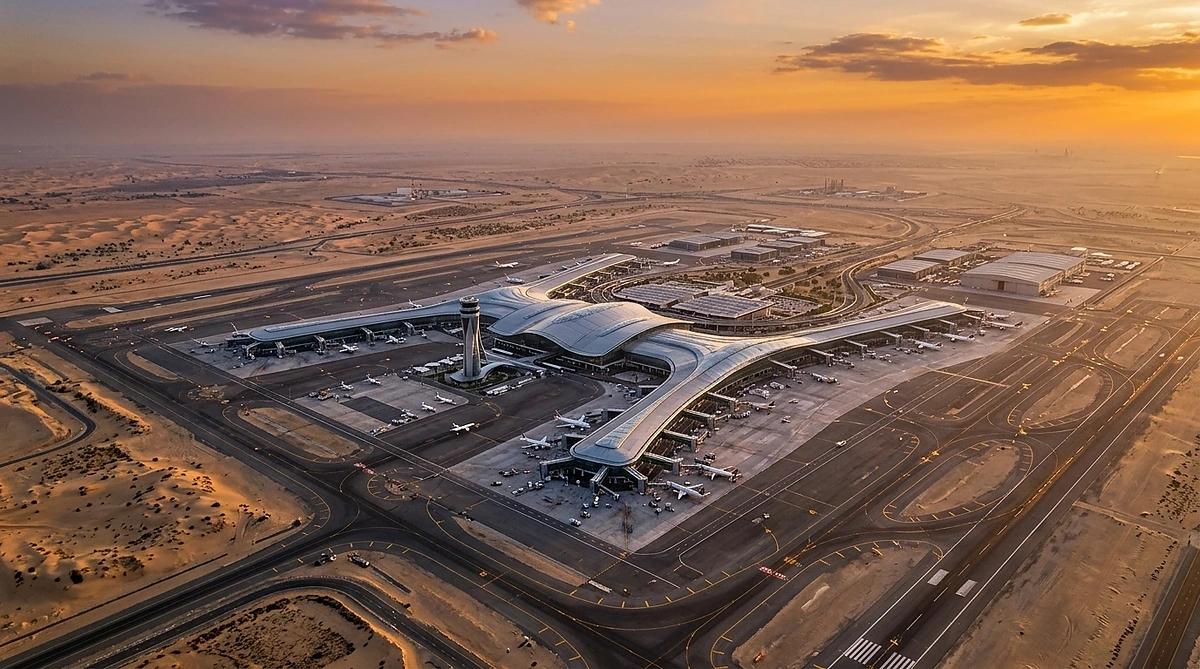
If implemented, the change would shorten processing times at Al Maktoum and Dubai International terminals, alter passenger flows, and shift where tourists and business travellers choose to stay. The remainder of this report explains what Paul Griffiths proposed, how aviation and tourism could react, the tech and regulatory hurdles, and the key milestones to watch over the next five years.
What will passport-free travel at Al Maktoum mean for aviation?
What will passport-free travel at Al Maktoum mean for aviation? Key Data
Timeline
5 years
Authority
Paul Griffiths
Location
Al Maktoum
Objective
remove passport checks
Passport-free travel at Al Maktoum will streamline passenger processing and reduce reliance on passport checks, Paul Griffiths said, with a target timeline of five years.
If Dubai Airports follows this path, airlines can expect faster turnaround and reduced queueing at immigration desks, easing peak-hour congestion at both Al Maktoum and Dubai International. Shorter processing times usually improve on-time performance and aircraft utilisation, which matters to carriers operating high-frequency regional and long-haul services. The announcement by Paul Griffiths signals a strategic shift: airports becoming identity-verification hubs rather than passport-control bottlenecks.
Operationally, that shift carries risks and trade-offs. Airlines and ground handlers will need updated gate processes and close coordination with immigration authorities to avoid security gaps. Any transition will require phased trials to protect safety and compliance, and stakeholders should expect incremental rollout rather than an overnight removal of checks.
How will passport-free travel affect tourism and Dubai property demand?
Passport-free travel will likely make Dubai more convenient for short stays, lifting the appeal of areas near airport hubs and potentially increasing demand for short-term accommodation and airport-area retail.
Greater convenience tends to shorten leisure and business trip planning friction, which supports higher visit frequency and shorter stays. For tourism, reduced border friction could mean better conversion from transit passengers into local visitors. For property, communities serving Al Maktoum and Dubai International could see increased interest from investors targeting short-stay rentals and airport-facing hotels. Paul Griffiths' timeline of five years frames this as a near-term structural change rather than a distant possibility, so investors and planners should factor faster passenger processing into asset strategy.
That said, demand outcomes will vary by neighbourhood and asset type. Transit-oriented hotels and short-stay rental units close to terminals benefit most, while residential segments further from airport connectivity will see more modest impacts. Local planning, zoning and hotel supply will determine how much of any tourism uplift translates into higher occupancy and rates.
| Proximity | Likely demand impact | Reason |
|---|---|---|
| Immediate airport zone | Higher demand for short-stay rooms | Faster processing attracts transient visitors |
| Nearby communities (5-15km) | Increased interest from investors | Better access for business travellers |
| Outer suburbs | Limited direct effect | Less reliant on airport convenience |
"Frictionless travel changes the value equation for assets close to hubs; speed and convenience become a core selling point for short-stay inventory."
, Binayah Research Team
What tech, privacy and regulatory hurdles must be solved for passport-free travel?
Passport-free travel depends on robust biometrics, secure data sharing and legal authorisations, and those tech and privacy issues are among the biggest obstacles.
A system that replaces passports needs interoperable identity platforms, strong encryption, and clear rules on who stores and accesses biometric data. Privacy law and immigration rules will need amendment or explicit approval to permit identity verification without a passport. Paul Griffiths' proposal therefore implies simultaneous progress on technology, legal frameworks and inter-agency agreements before any operational rollout can begin.
Implementation risks include data breaches, cross-border interoperability failures and public acceptance. Regulators will demand trial evidence showing that security is not compromised, and authorities must agree on liability, redress and how travelers opt in or out. These are complex steps that typically take years of piloting and negotiation, even where the technical building blocks exist.
Key Insight
Passport-free systems require both technical reliability and clear legal frameworks. Expect phased pilots, strict privacy controls and regulatory sign-off before full deployment.
When will passport-free travel arrive and what to watch next?
Paul Griffiths says passport-free travel could arrive within five years, but arrival depends on staged trials, regulatory approvals and industry buy-in.
Key milestones to watch are public trial announcements, bilateral or multilateral agreements on identity standards, and pilot integrations with airlines and immigration systems. Each successful trial reduces implementation risk, while any data-protection incident or legal obstacle will slow progress. Paul Griffiths' five-year horizon is a useful planning signal, but operational rollout will likely follow a phased timeline tied to regulatory clearance and technology maturity.
Stakeholders should track official trial timelines from Dubai Airports, announcements about biometric frameworks, and any government guidance on legal changes. These signals will indicate whether the five-year target is on track or if additional years of piloting and policy work are required.

Paul Griffiths' announcement sets a clear five-year target for passport-free travel at Dubai Airports, signalling major operational and market shifts. The change would speed passenger flows and benefit airport-proximate tourism and short-stay property demand, but full implementation hinges on successful pilots, privacy safeguards and regulatory approval.
Binayah Editorial
Property Market Analyst
Our editorial team researches Dubai's real estate market, tracking recorded sales, developer launches, and investment trends to keep buyers and investors informed.
Ready to Invest in Dubai?
Speak with our analysts about the best opportunities in today's market, free consultation.