Oman green corridor: Dubai reroutes cargo via Hatta
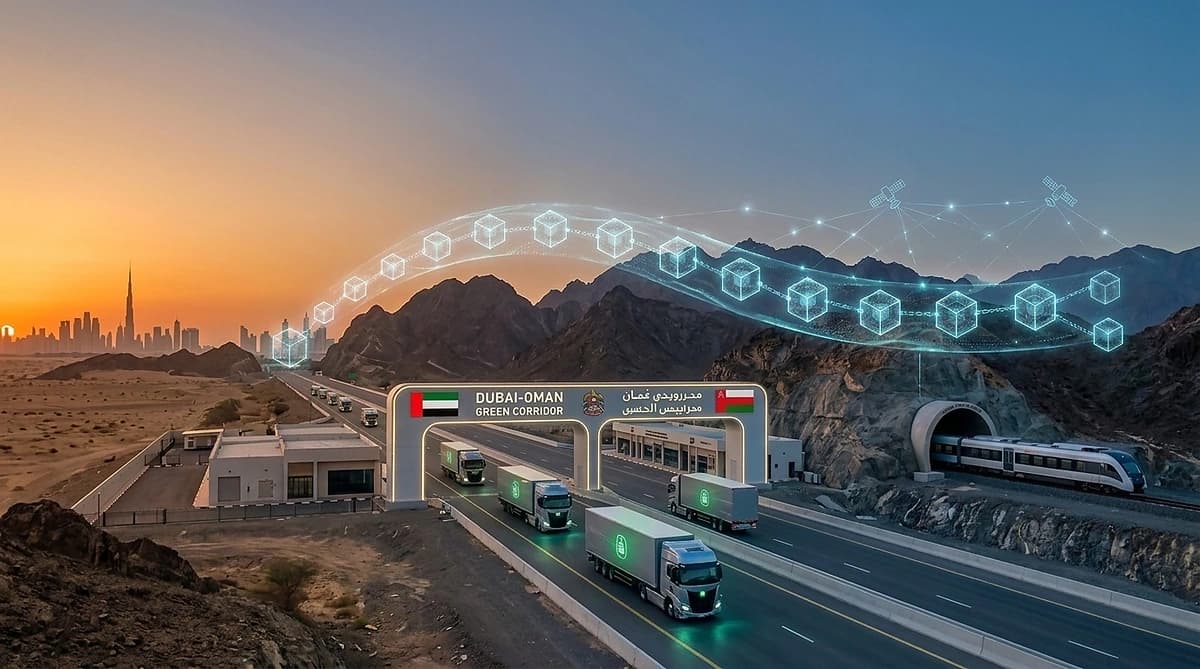
Dubai's Oman green corridor via Hatta temporarily reroutes crucial cargo to keep GCC supply chains moving amid regional shipping disruption.
Dubai opened a temporary land route through Hatta that sends freight across Oman to avoid maritime bottlenecks affecting the Gulf. The corridor is designed to maintain flows of building materials, consumer goods and industrial inputs when seaborne routes are delayed. Dubai and Omani authorities coordinated to use existing border infrastructure and customs channels for quicker cross-border transit.
The corridor aims to reduce stoppages for Dubai construction sites and retailers by offering a controlled overland alternative while shipping lanes recover. For developers and investors the route lowers the chance of long material delays, but it can increase short-term transport costs and paperwork. Monitoring customs clearance times and corridor capacity will show whether the measure remains temporary or becomes a standing contingency.
What is Dubai's Oman green corridor and why does it matter?
What is Dubai's Oman green corridor and why does it matter? Key Data
Route
Hatta Oman
Status
Temporary
Purpose
Maintain GCC supply chains
Scope
Freight rerouting for construction and retail
Dubai's Oman green corridor is a temporary land route routed via Hatta that reroutes cargo through Oman to maintain GCC supply chains during shipping disruption.
The corridor uses Hatta as the UAE land gateway to Oman so trucks can bypass congested sea routes and ports. Dubai and Oman opened coordinated transit lanes and customs cooperation to keep construction materials and consumer goods moving. The measure is explicitly temporary and designed to limit stoppages for projects and retailers across the emirate while maritime services stabilise.
The corridor matters because even short interruptions to imports can pause construction sites and inflate costs through delays and storage. For Dubai developments, predictable deliveries reduce scheduling risk, whereas longer or repeated use of land detours could raise freight bills and require reworking budgets and timelines.
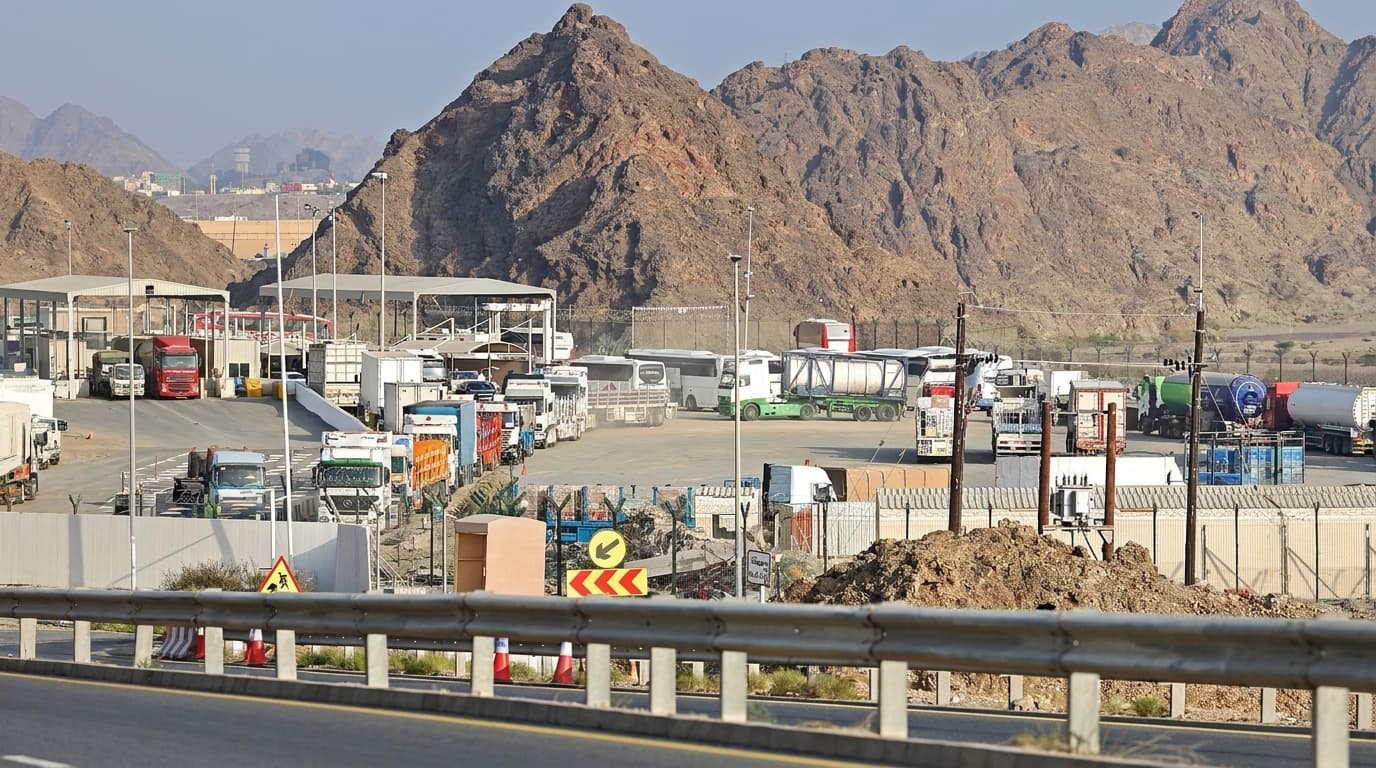
- Uses Hatta border crossing for overland transit
- Aims to reduce stoppages to construction deliveries
- Requires customs coordination between Dubai and Oman
How will the Oman green corridor affect construction deliveries in Dubai?
The Oman green corridor will reduce seaborne dependency and provide an alternative route for construction materials, shortening the risk window for stalled deliveries.
By routing freight overland through Hatta and Oman, suppliers can avoid maritime delays that interrupt the inbound chain to Dubai. The corridor is intended to keep building sites supplied with cement, steel, fixtures and finishing materials while ships and ports recover. That change lowers the likelihood of multiweek work stoppages, although overland transit can increase haulage costs and administrative steps compared with direct port delivery.
Developers should expect faster contingency recovery but also temporary cost pressure from rerouted logistics and customs processing. Projects with tight margins or late-stage fit-outs will feel the effects sooner than shell-stage developments, so teams should recheck lead times and budget contingencies for transport and storage.
| Impact | Likely effect | Operational note |
|---|---|---|
| Freight flow continuity | Reduces risk of long port delays | Uses Hatta border to bypass congested sea lanes |
| Cost | Higher short-term haulage and paperwork costs | Developers may need budget contingency for transport |
"Rerouting via Hatta is a practical contingency to protect project timelines, but it typically raises transport and handling costs while customs processes adapt."
, Binayah Research Team
- Helpful for late-stage deliveries to avoid stoppages
- May require additional site storage to smooth flows
- Customs paperwork and transit insurance need review
How should property investors read the shipping disruption and corridor?
Investors should view the Oman green corridor as a stabilising, temporary measure that lowers the immediate risk of project stoppages but can increase short-term costs.
The corridor reduces the chance that a single maritime disruption will pause multiple construction schedules in Dubai, so it preserves project continuity and reduces schedule-driven price shocks. However, investors must account for potential upticks in logistics costs and temporary delays in customs clearance that can squeeze margins. Properties near active construction or fit-out phases will benefit most from reduced stoppages, while those dependent on imported furniture and appliances could see slightly higher delivery costs.
Longer term, repeated use of land detours would signal structural issues in shipping resilience and could influence developer procurement strategies and contingency buffers. Investors should ask developers for updated delivery timelines and cost allocations related to the Hatta corridor to understand exposure.
"Short-term rerouting preserves occupancy and completion timelines, but investors must factor temporary logistics cost increases into return assumptions."
, Binayah Research Team
- Preserves project timelines, reducing schedule risk
- May compress near-term margins due to higher freight costs
- Ask for revised delivery schedules and contingency allocations
What to watch next for Dubai supply chains and property markets?
What to watch next for Dubai supply chains and property markets? Key Data
Watchpoint
Hatta customs clearance
Watchpoint
Corridor capacity
Watchpoint
Official duration announcements
Watchpoint
Developer procurement changes
Watch customs clearance times at Hatta, the corridor's capacity limits, and any official announcements from Dubai and Oman about extending the route beyond a temporary measure.
If clearance times shorten and the corridor handles consistent volumes without major delays, the pressure on construction deliveries will ease and developers can rely on it as an effective contingency. If delays persist or paperwork bottlenecks emerge, costs and delivery uncertainties will remain elevated and could push developers to reorder procurement or increase buffer stock.
Market participants should track official statements from Dubai authorities about the corridor's duration and any adjustments to transit rules. Persistent disruptions that require repeated land routing will be a signal to revisit project budgets and delivery expectations across the emirate.
Key Insight
Monitor Hatta customs processing times and official corridor notices closely. If clearance times exceed normal trucking expectations, request updated delivery schedules and contingency costings from suppliers and developers.
- Track official extensions of the corridor
- Request updated logistics and budget forecasts
- Consider storage and phased deliveries for critical items
Dubai's Oman green corridor via Hatta is a targeted, temporary fix to reroute cargo and reduce supply chain stoppages across the GCC. It preserves construction continuity and retail supply in the short term but comes with higher haulage and administrative costs and requires watching customs clearance and official duration notices.
Binayah Editorial
Property Market Analyst
Our editorial team researches Dubai's real estate market, tracking DLD data, developer launches, and investment trends to keep buyers and investors informed.
Ready to Invest in Dubai?
Speak with our analysts about the best opportunities in today's market, free consultation.