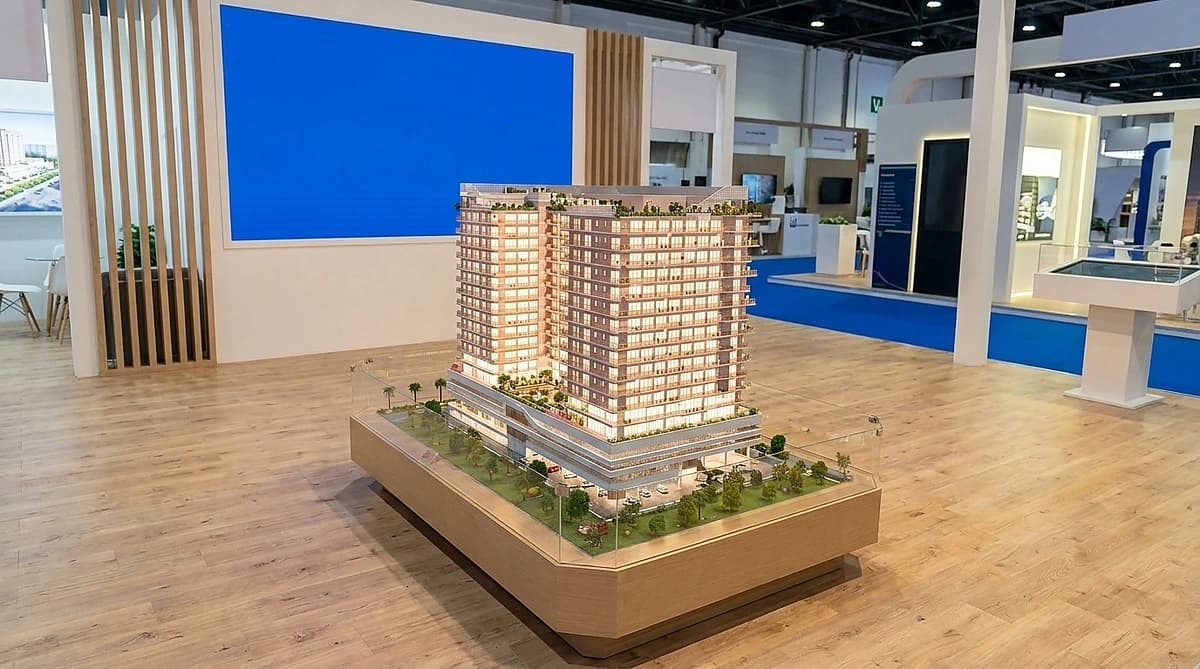
Jubail Island homes: Abu Dhabi project delivers 1,000+ homes
Jubail Island homes reached a major milestone as the Abu Dhabi project delivered more than 1,000 residences while entering its next construction phase.
The Jubail Island masterplan is organised as six distinct villages: Marfaa Al Jubail, Nad Al Dhabi, Seef Al Jubail, Souk Al Jubail, Ain Al Maha and Bada Al Jubail. Each village is designed to be pedestrian-friendly and linked to its neighbours. Developers and planners emphasise connectivity through public paths and shared amenities. The layout aims to create smaller, walkable neighbourhoods within the wider island project.
More than 1,000 homes have been delivered on Jubail Island as the project advances into its next phase. The completed units are distributed across the villages and support the island's emerging services and retail nodes. Pedestrian walkways and a dedicated cycling route connect the communities, reinforcing the development's emphasis on active mobility and local everyday living.
What villages make up the Jubail Island community?
What villages make up the Jubail Island community? Key Data
Villages
6
Homes delivered
1,000+
Connectivity
Pedestrian & cycling
Phase
Next phase
Jubail Island is organised into six villages: Marfaa Al Jubail, Nad Al Dhabi, Seef Al Jubail, Souk Al Jubail, Ain Al Maha and Bada Al Jubail.
These named districts form the project's primary neighbourhood units and are linked by pedestrian walkways and a dedicated cycling route, which the masterplan uses to stitch the island together. The village structure supports phased delivery, so the masterplan can open clusters of homes and basic amenities as each village becomes ready.
Because more than 1,000 homes have already been delivered across the island, the village model now shifts from purely construction to community activation. That transition brings typical risks: if retail, schools or transport follow slowly, residents may face a temporary shortfall in services even as housing supply grows, so the timing of ancillary infrastructure remains a key variable.
What does the 1,000-home milestone on Jubail Island mean?
The 1,000-home milestone means Jubail Island has moved from early construction into a phase where delivered housing can support community services and local retail.
Crossing the 1,000+ homes threshold is significant because it creates critical mass: a resident base large enough to justify initial grocery, leisure and neighbourhood retail offerings within the island's villages. The delivered homes are spread across the six villages, and that distribution helps avoid overcrowding in a single pocket of the masterplan. At this stage the project is described as entering its next phase, which typically focuses on completing infrastructure, public realm and amenities that encourage longer-term occupancy.
The milestone reduces delivery risk for future phases but raises a different challenge: the pace at which amenities and public services open must match resident growth. If services lag, residents may temporarily rely on off-island options, slowing the island's intended shift to a self-sufficient community.
| Village | Role | Homes included |
|---|---|---|
| Marfaa Al Jubail | Residential village | Part of 1,000+ homes |
| Nad Al Dhabi | Residential village | Part of 1,000+ homes |
| Seef Al Jubail | Residential and waterfront | Part of 1,000+ homes |
| Souk Al Jubail | Retail and community hub | Part of 1,000+ homes |
| Ain Al Maha | Residential village | Part of 1,000+ homes |
| Bada Al Jubail | Residential village | Part of 1,000+ homes |
"Delivering 1,000+ homes signals operational momentum but services must keep pace to support residents."
, Binayah Research Team
How do design choices and active mobility improve liveability on Jubail Island?
How do design choices and active mobility improve liveability on Jubail Island? Key Data
Pedestrian network
connected
Cycling route
yes
Villages
6
Homes delivered
1,000+
Jubail Island's design prioritises walkability, with pedestrian walkways and a cycling route connecting its six villages to improve everyday liveability for residents.
Those design choices matter because they reduce dependence on cars for short trips, encourage healthier travel and make small-scale retail and services viable within each village. With more than 1,000 homes already delivered, the pedestrian and cycling network becomes practical: residents can realistically reach shops, parks and neighbours by foot or bike rather than driving. The village-focused layout also supports a human-scale public realm where streets and promenades become social spaces.
The design advantage comes with practical dependencies: the success of walkable neighbourhoods relies on safe, well-lit pathways, frequent crossings and activated ground-floor uses such as shops and cafés. If the rollout of those supporting elements lags behind housing delivery, the theoretical benefits of design will take longer to materialise. Long-term maintenance of pathways and cycle lanes will also determine whether the initial liveability gains endure.
"Linked villages and active mobility routes make everyday life walkable and reduce short car trips."
, Binayah Research Team
Key Insight
Design delivers walkability only if amenities follow. Investors and residents should note that delivered housing (1,000+ homes) creates demand, but safe lighting, retail activation and maintenance must arrive in the same phase to realise full liveability benefits.
What is the path ahead for Jubail Island as it enters the next phase?
The path ahead for Jubail Island focuses on community activation and infrastructure completion now that more than 1,000 homes have been delivered.
Entering the next phase typically shifts developer attention from shell completion to public realm, retail openings and service delivery that support daily life on the island. Planners will need to sequence utilities, roads, schools and shops so they align with occupied homes across the six villages. The next phase is also when earlier design decisions are tested in real life: footfall patterns, public transport links and retail demand reveal whether village centres function as intended.
Key risks for the next phase include timing mismatches between occupancy and service availability and the challenge of phasing amenities across multiple villages. Positive outcomes depend on coordinated delivery: when infrastructure and retail open alongside housing, the island can progress from a collection of new homes to a functioning, walkable community.
Jubail Island has reached a practical turning point with more than 1,000 homes delivered across its six villages, shifting focus from construction to community activation. The success of the next phase will hinge on the timely delivery of retail, services and public-realm works that turn walkable design into everyday liveability.
Binayah Editorial
Property Market Analyst
Our editorial team researches Dubai's real estate market, tracking DLD data, developer launches, and investment trends to keep buyers and investors informed.
Ready to Invest in Dubai?
Speak with our analysts about the best opportunities in today's market, free consultation.