JD Vance meeting with Sultan Al Jaber White House briefing
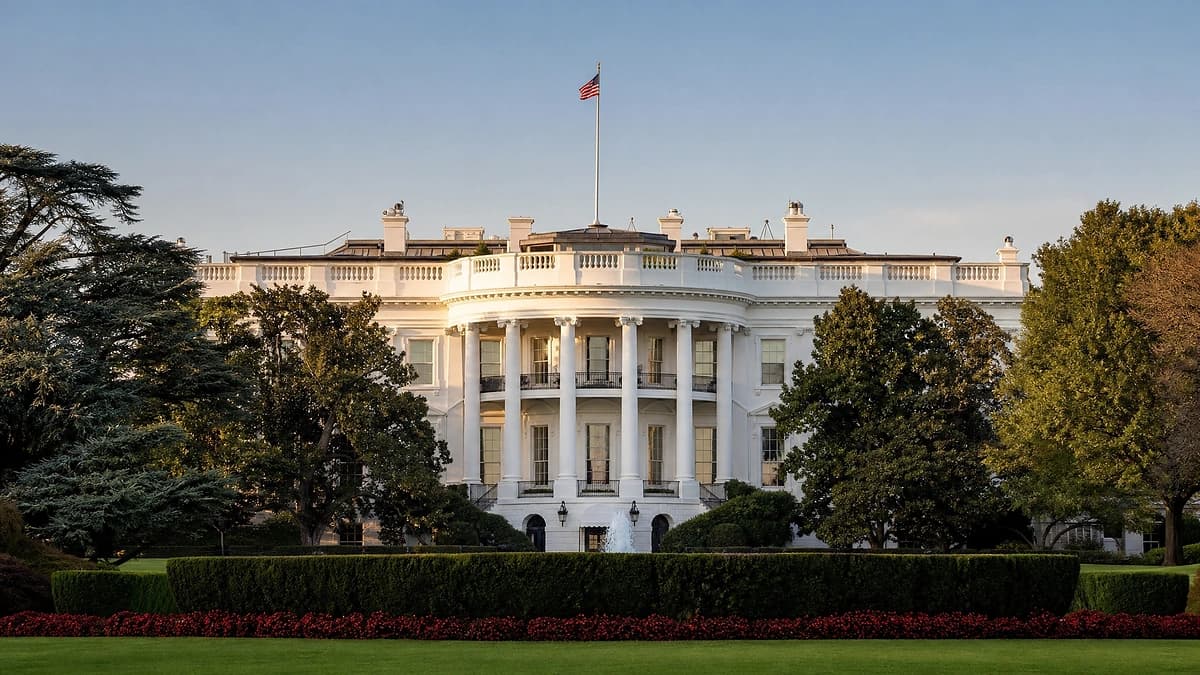
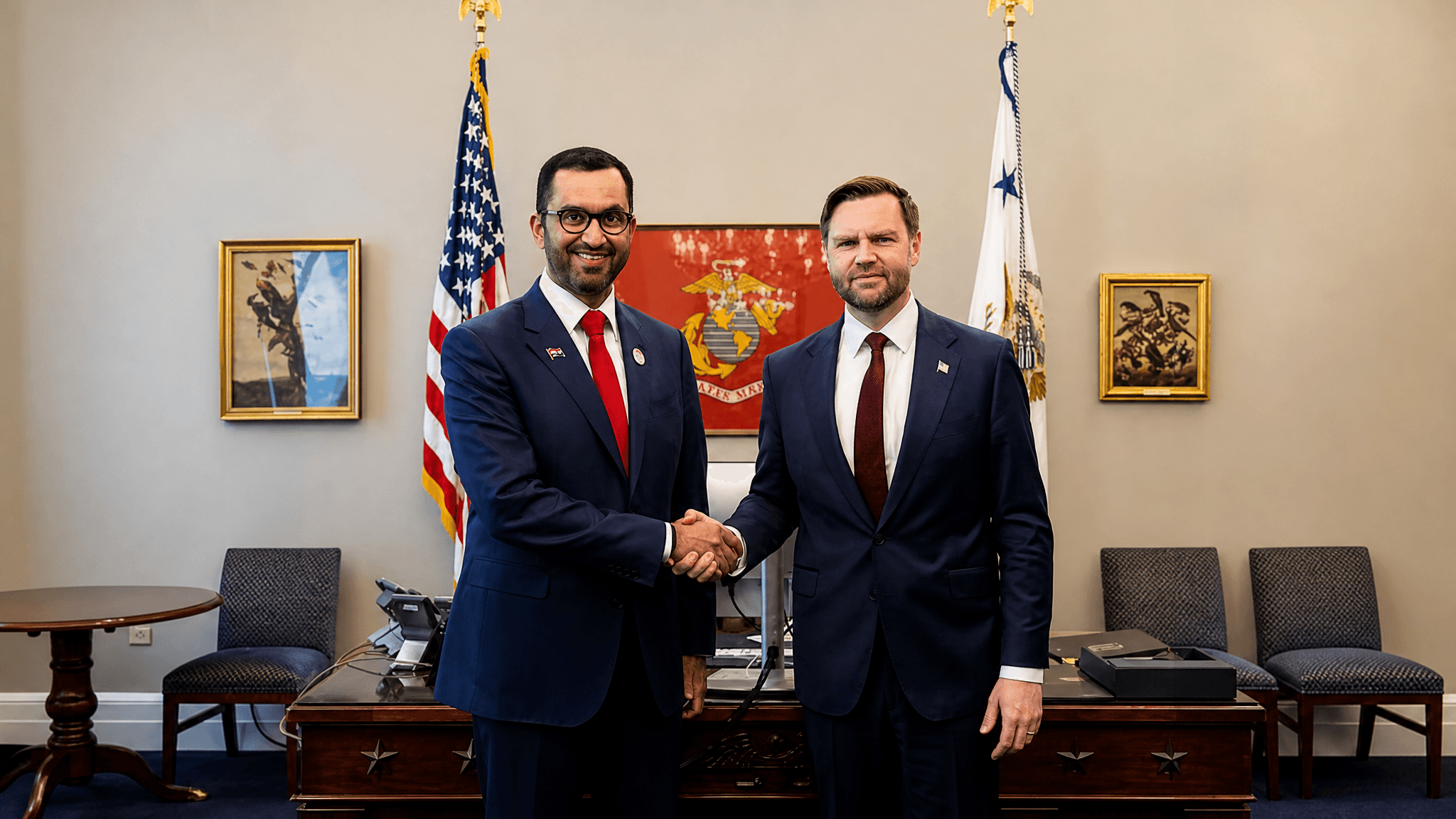
JD Vance meeting with Sultan Al Jaber at the White House focused on energy security and the Strait of Hormuz.
The White House meeting between US Vice President JD Vance and ADNOC CEO Sultan Al Jaber matters because it put energy security back at the centre of UAE-US relations and highlighted maritime risks through the Strait of Hormuz. Policymakers on both sides used the meeting to signal cooperation on crude flows, infrastructure resilience and diplomatic coordination, which can ease short-term market nervousness.
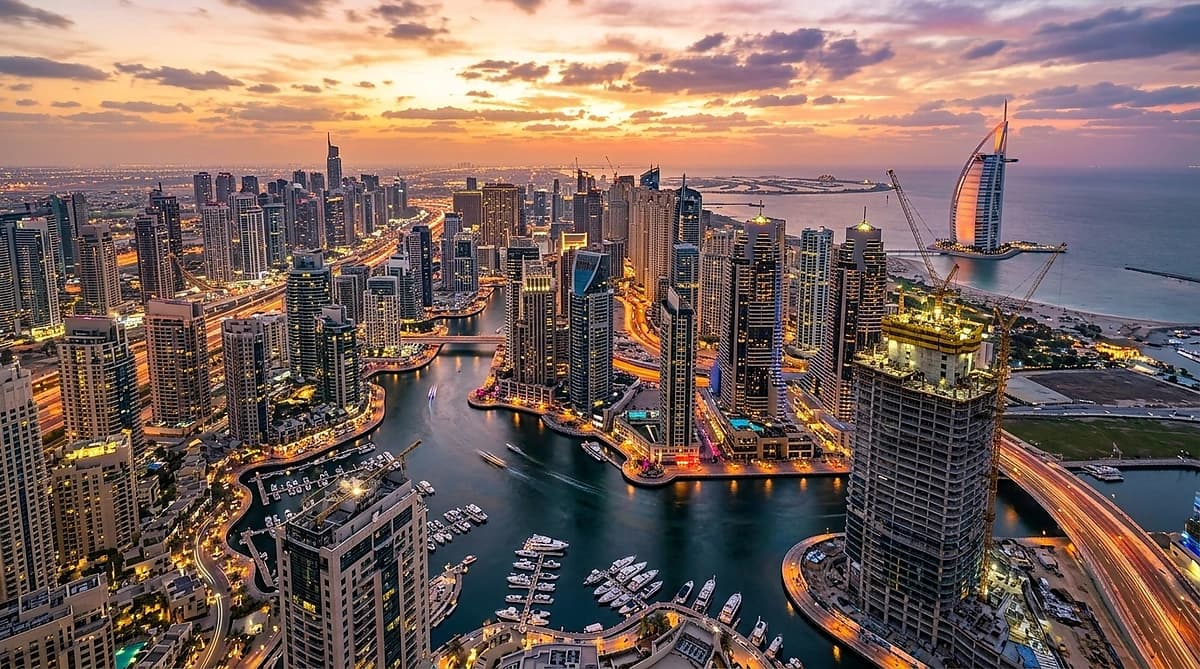
For Dubai real estate, the meeting matters because lower geopolitical premium around Gulf oil shipments can reduce raterisk in investor pricing and improve sentiment for luxury and commercial assets. Developers and institutional buyers watch diplomatic signals from Abu Dhabi and Washington for changes in fuel-price expectations, corporate relocation plans, and the cost of doing business in the Gulf.
Why does the JD Vance meeting with Sultan Al Jaber matter for Gulf energy markets?
Why does the JD Vance meeting with Sultan Al Jaber matter for Gulf energy markets? Key Data
Meeting
White House
Participants
JD Vance; Sultan Al Jaber
Primary topic
Energy security
Focus area
Strait of Hormuz
The White House meeting shows both the United States and Abu Dhabi prioritise energy security and the stability of Strait of Hormuz shipping lanes. JD Vance met Sultan Al Jaber to discuss how to keep crude flows steady and coordinate responses to regional threats, which directly affects global oil market confidence.
The meeting signals that diplomatic engagement remains the primary tool for reducing risk premia in oil markets. While the press note did not publish new sanctions or price targets, the conversation between a US vice president and ADNOC's chief executive reinforces private-sector and government coordination on supply reliability. That matters to traders and planners because a calmer diplomatic tone tends to reduce sudden spikes in oil insurance and shipping costs.
A practical risk for markets is that talk alone cannot eliminate asymmetric shocks from unexpected incidents in the Gulf. Investors should treat the meeting as risk management progress rather than a policy guarantee. Market participants will watch follow-up statements from Abu Dhabi and Washington for concrete steps such as naval escorts, insurance arrangements or coordinated strategic stock releases.
Key Insight
The White House meeting reduces near-term tail risk but does not remove the need to monitor geopolitical flashpoints and supply chain costs.
- High-level diplomatic engagement can lower market risk premia
- ADNOC involvement signals a producer-side focus on supply reliability
- White House participation shows US commitment to Gulf shipping security
How does geopolitical calm after the JD Vance meeting influence Dubai real estate pricing?
Geopolitical calm following the White House meeting can moderate risk premiums that feed into Dubai property pricing and investor sentiment. If shipping lanes and supply signals stabilise, corporate occupiers and international investors typically reassess short-term risk, which can support occupancy and leasing activity in Dubai.
A calmer geopolitical outlook reduces the probability of sudden spikes in oil-related costs that often translate into higher operating and logistics expenses for firms active in the UAE. That shift usually shows up first in demand for office space from regional energy and trading houses, and secondarily in high-end residential units favoured by expatriate executives. While the meeting itself did not announce financial measures, the diplomatic tone matters because developers and investors price risk into expected rental growth and project timelines.
Risks remain: any new escalation after statements of cooperation would reverse sentiment quickly. For buyers and lenders, the prudent approach is to separate short-term sentiment gains from longer-term fundamentals such as supply of new homes, infrastructure delivery, and tourism flows into Dubai.
| Channel | Mechanism | Probable effect on pricing |
|---|---|---|
| Corporate demand | Reduced risk premium for regional firms | Support for office rents and short-term leasing |
| Investor sentiment | Lower perceived tail risk from energy disruptions | Improved appetite for luxury and prime assets |
| Operational costs | Stabilised shipping and insurance costs | Eased pressure on logistics-driven rents |
"The meeting underlines the role of diplomatic signals in shaping market confidence, which in turn affects leasing decisions and investor timelines in Dubai."
, Binayah Research Team
What investor actions follow when energy risk eases?
Investors typically shift from defensive cash positions back into income and yield strategies when energy risk diminishes. After discussions like JD Vance's meeting with Sultan Al Jaber, capital can re-enter higher-duration assets and selective development plays as perceived near-term tail risk falls.
For property investors that means assessing holdings in prime Dubai submarkets and re-evaluating forward commitments to new off-plan projects. A calmer geopolitical backdrop encourages longer lease negotiations, reduces the premium charged for political risk, and can shorten due diligence timelines for institutional buyers. That said, every allocation decision should still weigh local fundamentals such as supply pipeline, service charges and tenant demand to avoid mistaking temporary sentiment for structural improvement.
Active investors will typically rebalance portfolios toward assets with predictable cash flow and revisit underwriting assumptions for cap rates and exit yields. Passive or long-term owners may use the window of reduced geopolitical friction to execute planned capital expenditure or renovation programs while funding costs remain stable.
Key Insight
Rebalancing toward income-producing assets can be sensible after diplomatic progress, but validate leases, service charges, and tenant quality before increasing exposure.
- Reassess lease rollovers and tenant risk
- Revisit off-plan timing and payment schedules
- Prioritise assets with stable cash flow and high occupancy
What should investors watch next after the White House meeting?
Investors should watch follow-up statements and any operational steps from Abu Dhabi or Washington that translate diplomatic talk into action. Key items include confirmation of naval coordination, insurance or shipping guidance, and supply-chain measures related to crude flows through the Strait of Hormuz.
Market-moving signals are rarely a single event; they are a sequence of actions and clarifications. Watch official communiqués from ADNOC, the US administration and partner governments for language on joint measures, timelines or contingency plans. Pay attention to corporate earnings calls from regional energy companies and shipping insurers for updated risk assessments, because those groups can change investment behaviour quickly when the perceived probability of disruptions changes.
Finally, monitor broader economic indicators such as corporate leasing activity in Dubai and demand from energy-sector tenants. Those on-the-ground data points will confirm whether diplomatic calm has translated into measurable shifts in commercial and residential real estate demand.

- Official follow-up statements from Abu Dhabi and Washington
- Actionable maritime or insurance steps affecting shipping costs
- Corporate leasing and tenant behaviour in Dubai
The White House meeting between JD Vance and Sultan Al Jaber renewed focus on energy security and the Strait of Hormuz as a supply safeguard. For Dubai real estate, the main effect is a potentially lower short-term risk premium, improving investor sentiment; however, investors should confirm that diplomatic goodwill leads to concrete operational steps and clearer demand signals before changing allocations.
Binayah Editorial
Property Market Analyst
Our editorial team researches Dubai's real estate market, tracking DLD data, developer launches, and investment trends to keep buyers and investors informed.
Ready to Invest in Dubai?
Speak with our analysts about the best opportunities in today's market, free consultation.