Hessa Street cycling route: Dubai Hills to Internet City guide
Hessa Street cycling route links Dubai Hills to Internet City via dedicated paths and bridges, creating a safer, continuous corridor for commuting and recreational cyclists.
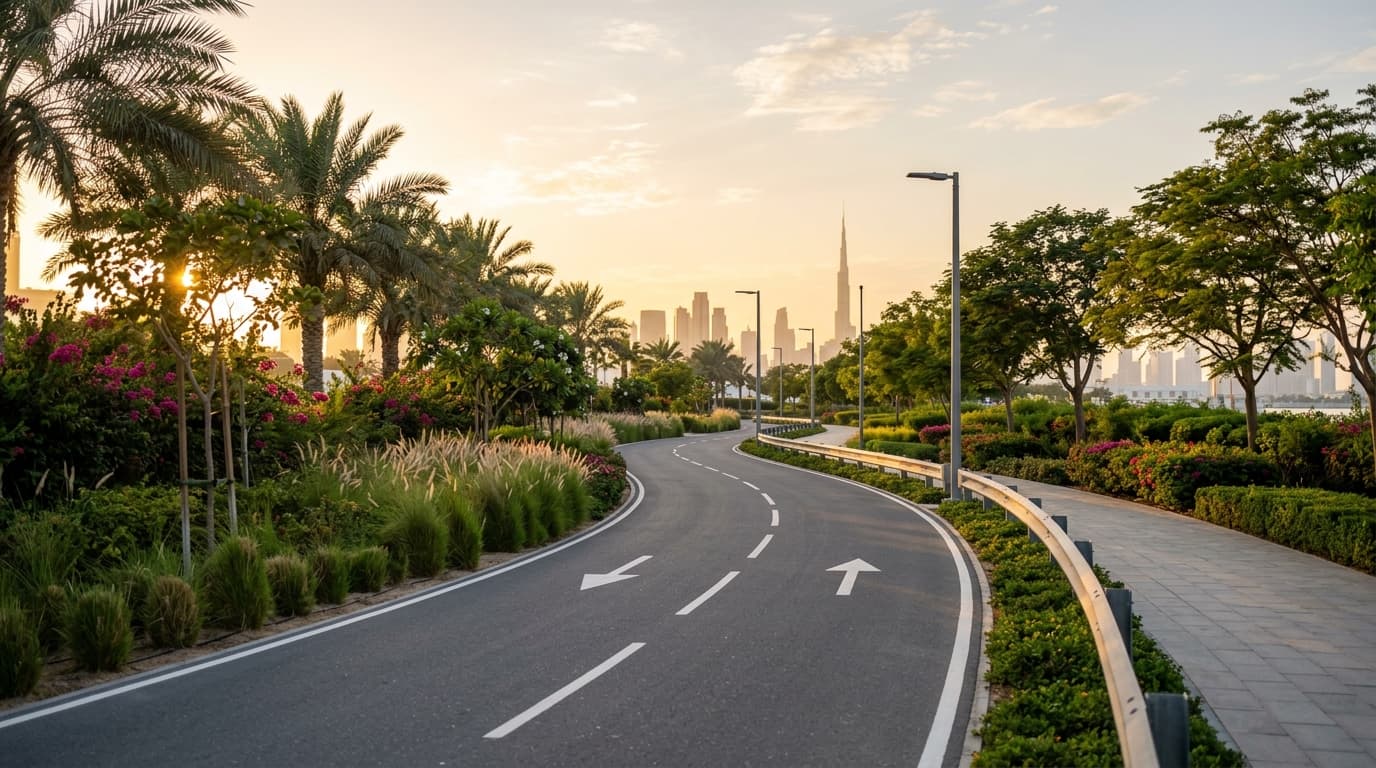
The new Hessa Street route is a linked network of paths and bridges designed to let pelotons and solo riders move between Dubai Hills and Internet City without dropping onto heavy arterial traffic. It ties into existing cycling destinations such as the Dubai Canal cycling corridor and the Kite Beach shoreline path, offering riders longer uninterrupted rides and clearer route choices across the city.
For everyday cyclists this means fewer stops at junctions, clearer connections between established cycling lanes and new elevated sections, and a predictable corridor for training, commuting and weekend fitness rides. The Hessa Street route aims to make cycling viable for more people by reducing rider stress on busy roads and by providing consistent surfaces for a range of bikes.
What is the Hessa Street route and where does it run?
What is the Hessa Street route and where does it run? Key Data
Route
Dubai Hills to Internet City
Connections
Dubai Canal, Kite Beach corridors
Infrastructure
mix of paths and bridge links
Users
commuters, pelotons and fitness riders
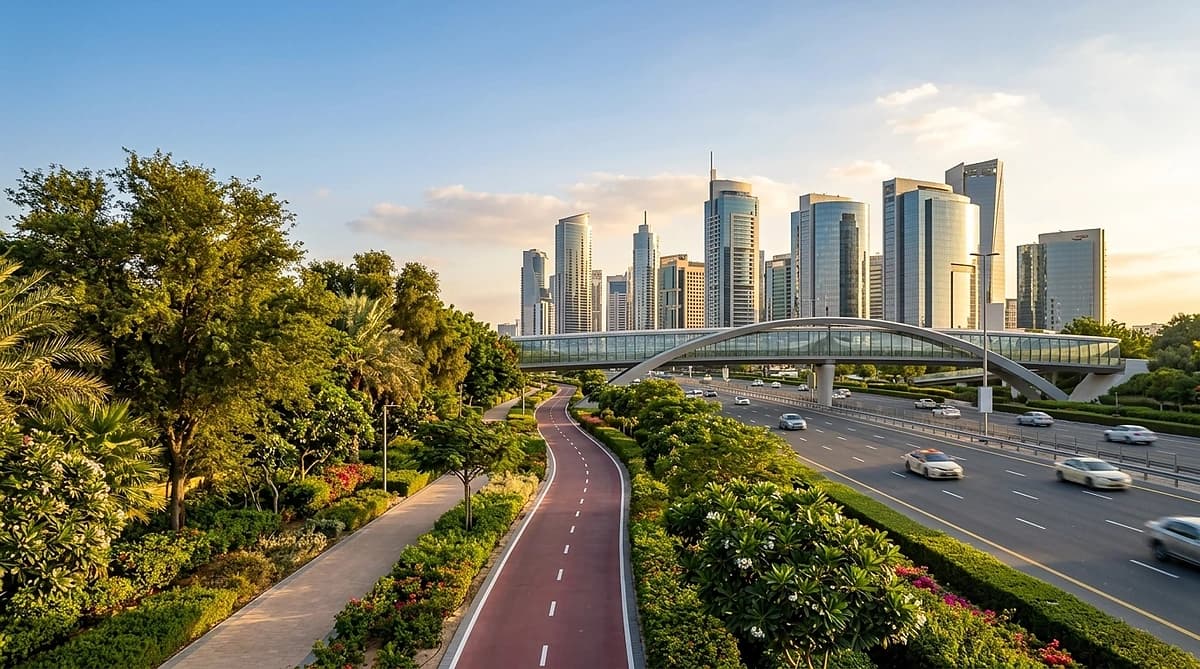
Hessa Street is a connected cycling route that runs between Dubai Hills and Internet City using a mix of dedicated paths and elevated bridges. The route is designed to link existing recreational corridors such as the Dubai Canal and the Kite Beach path, creating a longer continuous option for riders who want to move across west-to-central Dubai without mingling with heavy traffic.
The route uses separated sections where possible and bridge links to cross major junctions and roads, reducing the need for cyclists to stop or navigate complex intersections. Riders can expect connections into Dubai Hills residential areas and onward toward Internet City, giving both commuters and fitness cyclists a predictable spine for east-west travel. Because the design emphasises continuity rather than isolated short stretches, it helps reduce start-stop riding and makes paced group training rides, or “pelotons,” easier to plan.
A nuance to note is that continuity does not mean the entire length is identical: some segments are protected lanes, others are multiuser paths shared with pedestrians, and several bridge crossings will funnel users into narrower sections. Riders should watch for changes in surface and priority, and local councils may adjust lane markings and signage as the route integrates with existing networks.
Why does the Hessa Street route matter for everyday riders?
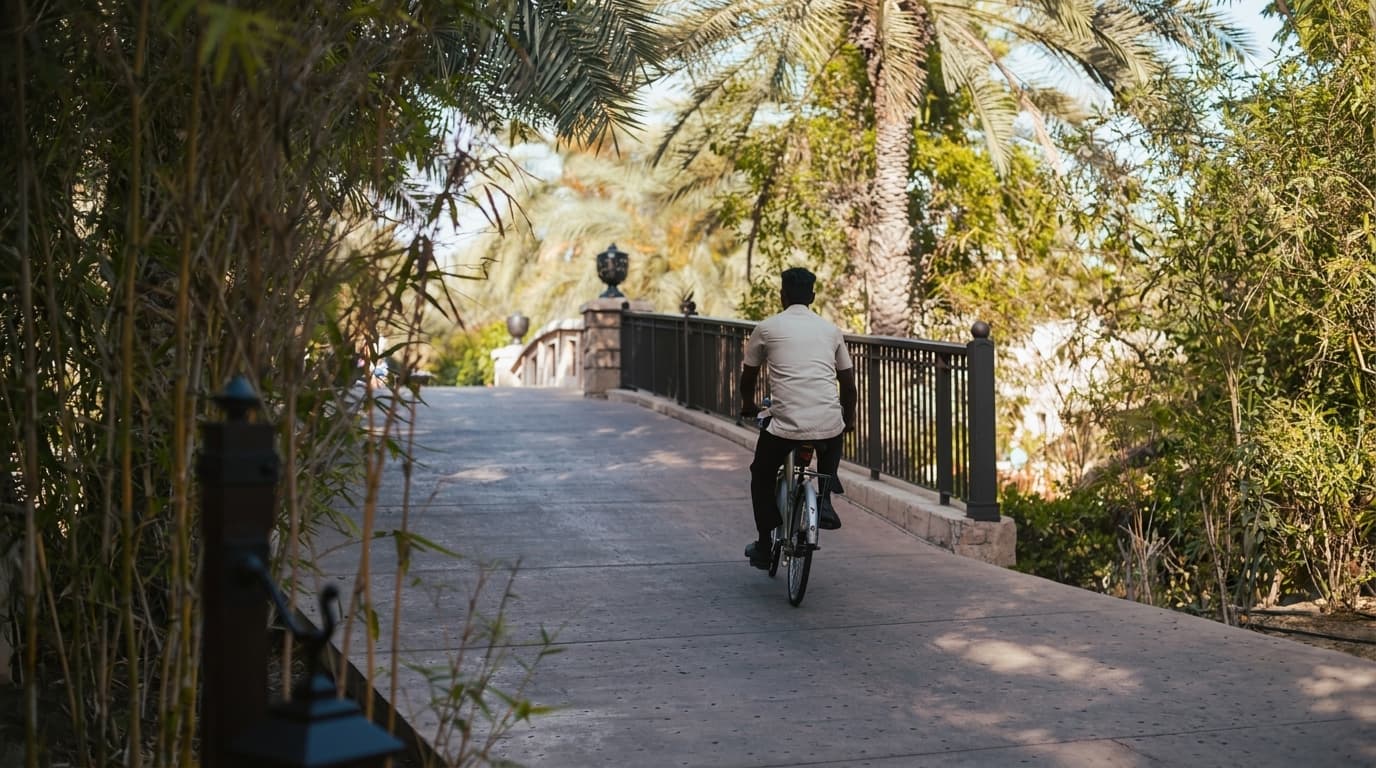
The Hessa Street route matters because it reduces interactions with high-speed traffic and stitches together several existing recreational paths into a usable commuter corridor. That means shorter, safer commutes for people cycling to work and more reliable loop options for fitness sessions without frequent road crossings or detours.
For an everyday rider this route translates into practical benefits: more predictable journey times, clearer route planning between neighborhoods, and fewer sections where cycling is forced onto busy carriageways. Riders who commute can use larger portions of the corridor without dismounting at busy junctions, while fitness riders gain long, continuous stretches better suited for interval training or group rides. Because the route links established paths such as the Dubai Canal and the Kite Beach chase, it acts as an arterial spine rather than an isolated leisure loop, improving both utility and enjoyment.
One risk to be aware of is mixed-use sections where pedestrian density can increase at peak times, lowering average speeds and requiring courtesy. Local authorities may also phase in signage and lane markings over time, so riders should expect gradual operational changes and keep an eye on posted rules and temporary diversions.
| Use case | Primary benefit | Typical experience |
|---|---|---|
| Commuter rides | Predictable corridor for direct travel | Reduced traffic interactions and fewer complex junctions |
| Fitness rides | Longer continuous stretches for training | Better pacing and smoother group rides |
"Connecting existing paths with bridge links changes cycling from a weekend activity to a weekday transport option for many riders."
, Binayah Research Team
How can locals and fitness riders use the Hessa Street route?
How can locals and fitness riders use the Hessa Street route? Key Data
Access
residential links in Dubai Hills
Connection
office clusters near Internet City
Suitable for
commuting and structured training
Integration
ties to Dubai Canal and Kite Beach routes
Locals and fitness riders can use the Hessa Street route for both daily commutes and structured training rides, choosing segments that match their speed and purpose. The corridor connects residential pockets in Dubai Hills to office clusters around Internet City, offering a usable commute option as well as a link between longer leisure routes along the canal and the coast.
A typical routine for a fitness rider may start with a warm-up on local side streets, join the Hessa Street corridor for a sustained tempo or interval block, and then return via the Dubai Canal or Kite Beach paths for a cool-down. Locals using the route for errands or commuting will mainly benefit from the route’s reduced intersections and bridge crossings, which keep stops and starts to a minimum. Planning is straightforward because the corridor focuses on east-west connectivity, helping riders predict where they can join or exit the route based on neighbourhood access points.
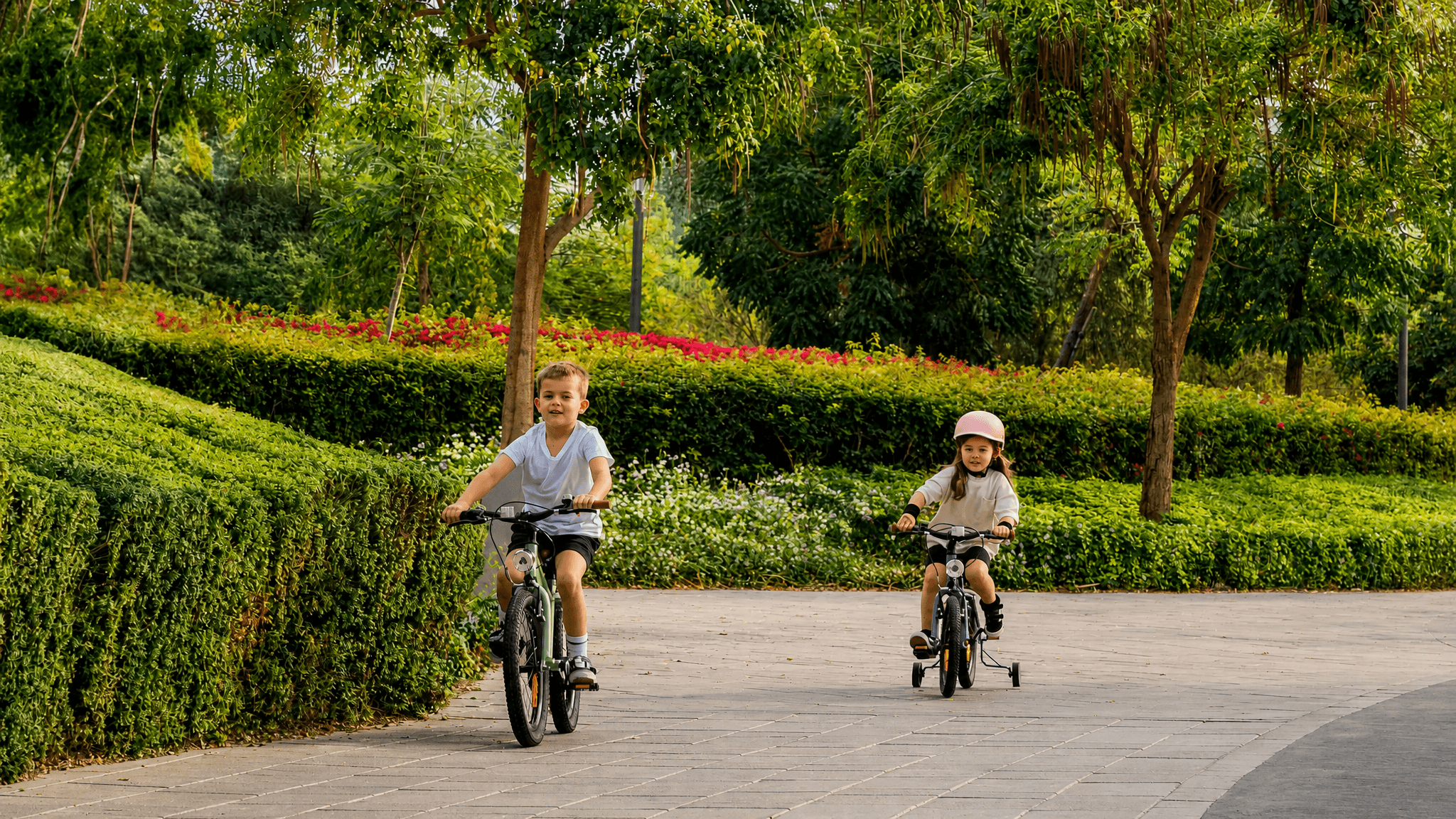
Rider etiquette and matching pace to the section matter: slower users should keep to the left in shared sections, and group leaders should manage gaps on narrow bridge links. Because the corridor is useful to both commuters and fitness riders, mixing of speeds at peak times is possible, so predictable behaviour and signalling are important to minimise conflicts.
- Plan exits at known access points to avoid detours
- Match pace to section type: slow on shared paths, fast on protected lanes
- Use clear hand signals and callouts when passing
- Check signage for rules on bridge narrows and shared zones
Practical tips: safety, gear and etiquette for riding Hessa Street
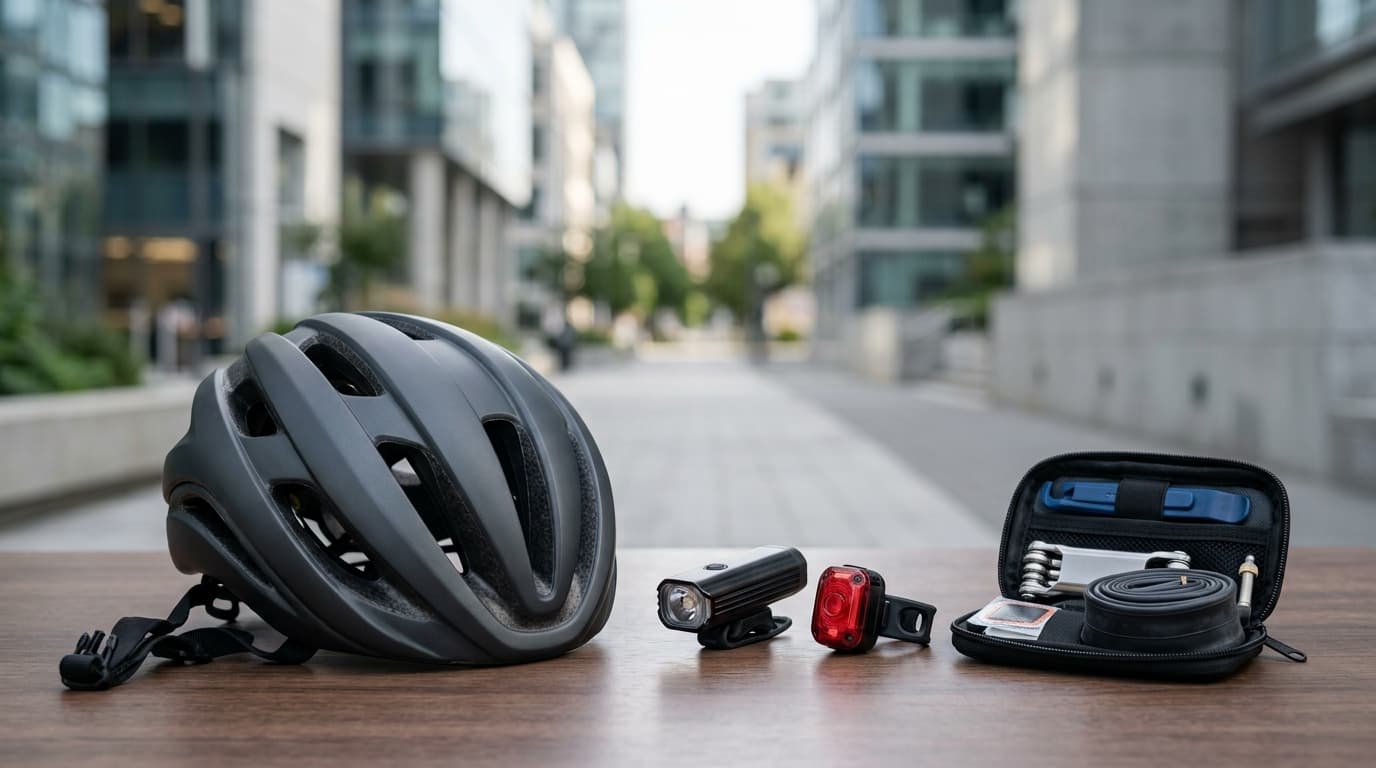
Prioritise visibility, a confident route plan and basic protective gear when riding Hessa Street to reduce risk on mixed sections and bridge links. A helmet, visible clothing, and front and rear lights for low-light starts or finishes are sensible basics for both commuters and fitness riders.
On the route expect changing surfaces and occasional narrow bridge passages that require single-file riding; adjust speed accordingly. Keep phone distractions to a minimum, carry basic puncture repair kit and water, and download or memorise your preferred join and exit points so you avoid last-minute lane changes. When sharing sections with pedestrians, reduce speed and give audible warnings before overtaking; polite, predictable behaviour prevents most conflicts.
Remember that etiquette is as important as equipment: slower riders should hold their line and not weave, and faster groups should announce intentions clearly when passing. Local authorities may add or adjust signage as usage patterns settle, so stay alert to new markings or temporary diversions that change priority at junctions or bridge approaches.
Key Insight
Safety tip: carry a basic puncture repair kit, a compact pump and lights, and plan your entry and exit points. On mixed-use segments keep to the left and pass with a clear audible warning. These simple steps reduce interruptions and keep cadence steady on longer Hessa Street stretches.
The Hessa Street route creates a continuous cycling corridor between Dubai Hills and Internet City, linking into Dubai Canal and Kite Beach paths and offering practical benefits for commuters and fitness riders. Its mix of protected lanes, bridge crossings and shared sections reduces traffic interactions but requires riders to adjust pace and follow shared-use etiquette for the safest experience.
Binayah Editorial
Property Market Analyst
Our editorial team researches Dubai's real estate market, tracking DLD data, developer launches, and investment trends to keep buyers and investors informed.
Ready to Invest in Dubai?
Speak with our analysts about the best opportunities in today's market, free consultation.